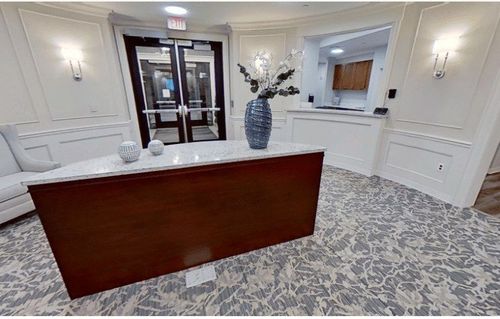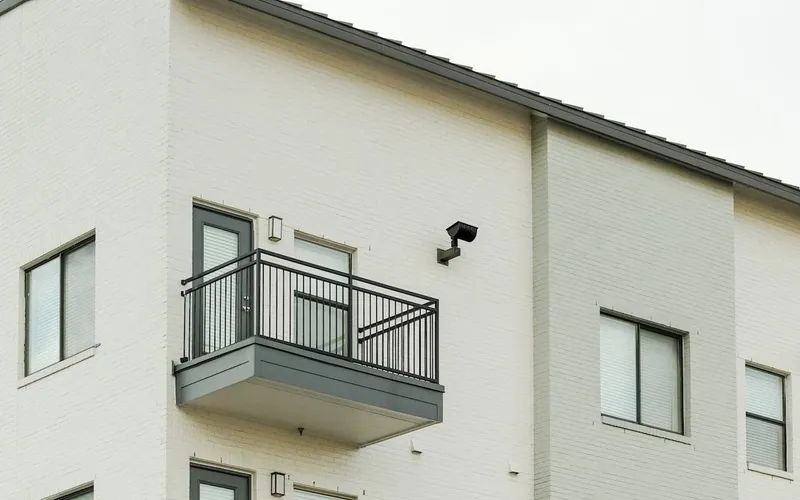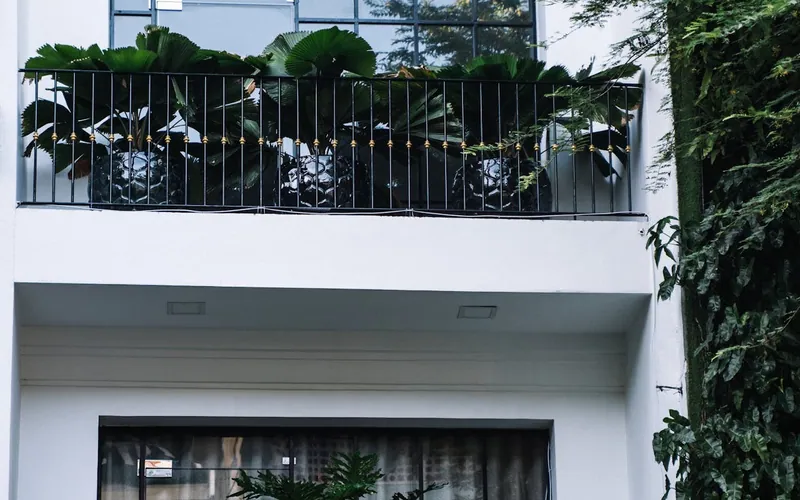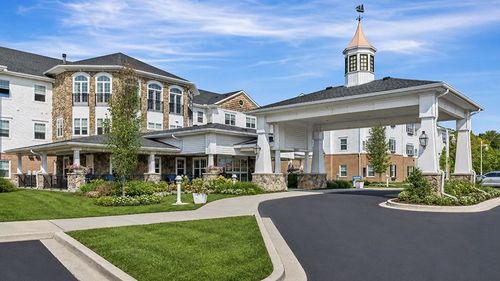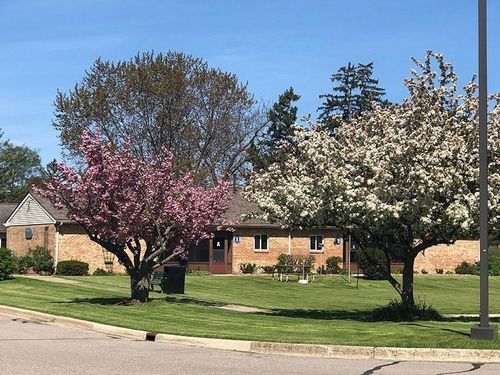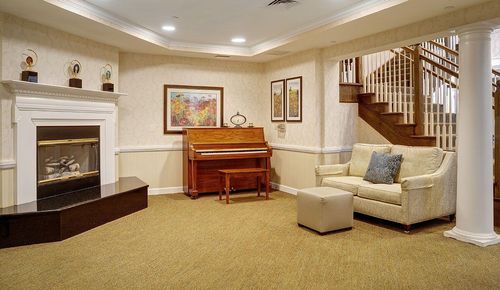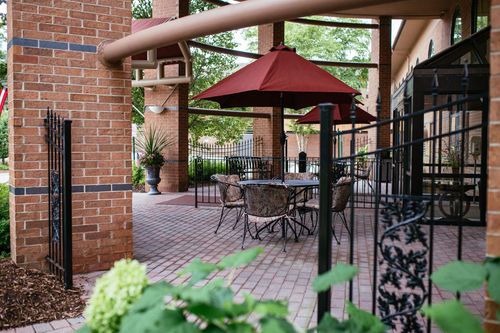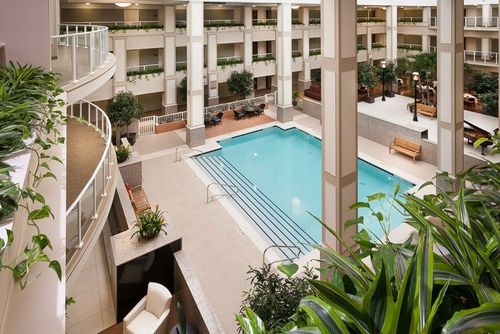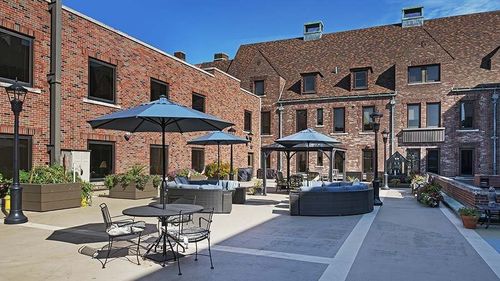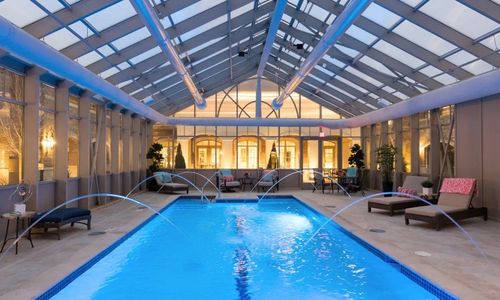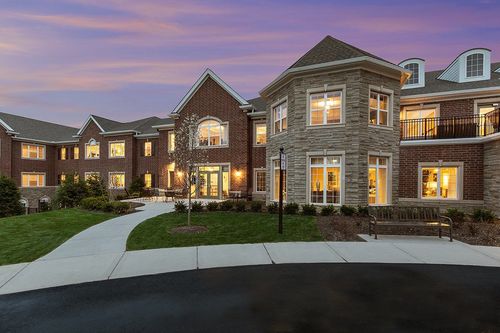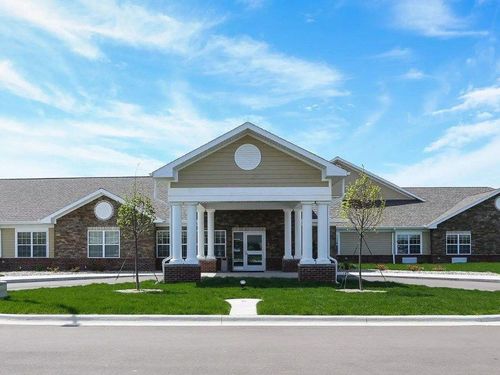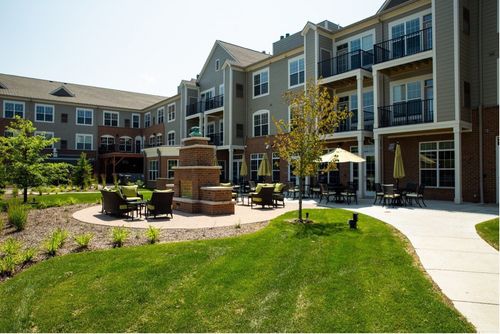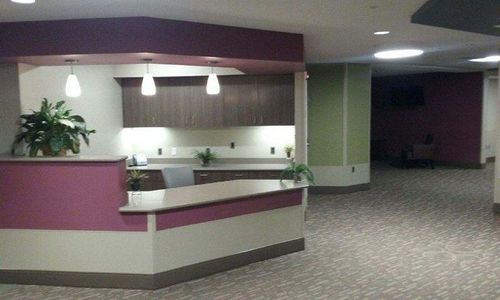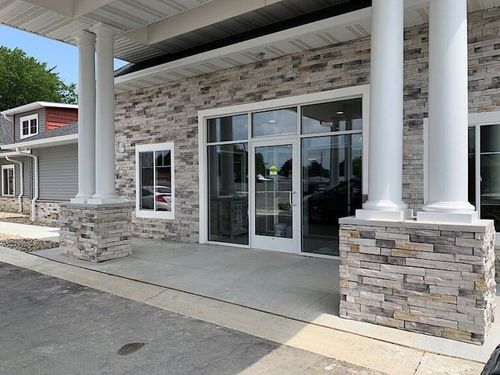
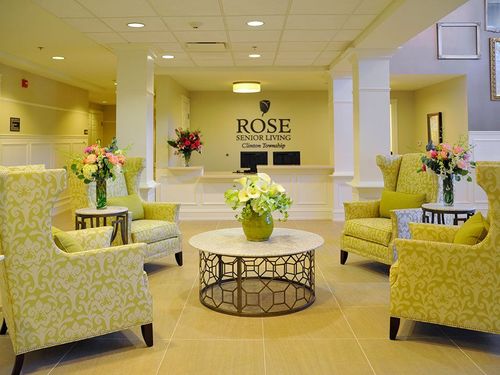
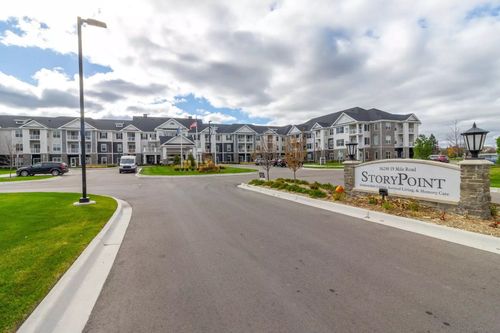
Independent living in Clinton Township is built at apartment scale, with local communities running from around forty-five residences up to campuses of well over a hundred, each carrying dining rooms, fitness space, and calendars sized to match. Macomb County's suburban density is what supports buildings that size, and it is why the township holds a deeper field of this housing than most places its size.
The households moving in are generally not making a care decision at all but a housekeeping one, trading a two-story house in Macomb, Harrison Township, or Sterling Heights for somewhere dinner is cooked, the drive is cleared, and the roof belongs to someone else. Across the 3 local communities the deciding factor is usually how a building feels on a weekday afternoon rather than any line in a service list.
What Is Covered, and Where the Line Sits
Independent living covers the household rather than the person, and that distinction is worth getting straight before the first tour. The monthly figure buys an apartment, a meal plan, weekly housekeeping, maintenance, scheduled transportation, and activities most days of the week, while residents keep charge of their own medicines, their own appointments, and their own routine exactly as they did at home.
What is not included matters just as much, and it is the part brochures cover lightly. There is no hands-on personal care, no help with bathing or dressing, and no nurse carrying responsibility for a resident's health, so a household already needing those things is looking at a different level of support. Several Clinton Township communities will let outside home care into an apartment, which extends the runway, and one local building welcomes pets, which for some residents settles the question by itself.
Reading the Monthly Figure
Published starting rates in Clinton Township run from $4,200 to $5,755 a month in 2026, and the spread reflects apartment size and how much each building bundles rather than any difference in care, since none of it is care. A one-bedroom at a community with a full dining program sits near the top of that band, while a smaller unit on a lighter meal plan sits near the bottom.
Set against staying put, the honest arithmetic includes everything that leaves the household budget: property taxes, insurance, utilities, lawn service, snow removal, repairs, and the groceries the meal plan absorbs. This is private pay in every case, because no Michigan Medicaid program funds independent living, so the real planning question is how many years the household's income and assets sustain the monthly figure.
A County That Ages in Place
Macomb County's older households are notably rooted, and plenty still occupy the house they bought in the 1970s within a few miles of where their children now live. That produces a particular kind of demand, made of people who want a shorter list of chores without leaving the area code.
Because the decision is elective, its timing behaves nothing like a care-driven move. Apartments come free through planned departures and through residents stepping up into assisted living, and only the popular floor plans carry a genuine wait, so a household set on one layout does well to register interest a year ahead.
Why Families Choose to Stay in Macomb County
Proximity to adult children is the reason cited most often, and in this county it is usually a real one rather than a polite one. A resident here is typically fifteen minutes from family in Sterling Heights, Shelby Township, or Chesterfield, close enough for a grandchild's game on a Tuesday instead of a scheduled Sunday visit.
Healthcare is the practical anchor underneath that, and it sits inside the township itself. Henry Ford Macomb Hospital, on Nineteen Mile Road, runs a Primary Stroke Center, a heart and vascular program, an inpatient rehabilitation unit, and a joint replacement center, which covers most of what an independent living resident's health turns on over the following decade.
Where an Advisor Adds Something to a Planned Move
Independent living decisions are rarely urgent, and that changes what an advisor is actually useful for. Rather than finding a room this week, the work is comparing what each Clinton Township community includes, because two buildings quoting similar figures can differ by a thousand dollars a year once meal plans, parking, and second-person charges are laid side by side.
The longer question is what the arrangement looks like in ten years. Some of these communities sit on a campus able to absorb a resident whose needs grow, while others are apartment-only, which means a second move later. Knowing which is which before signing is worth more than any tour impression, and households that reach out while the move is still hypothetical get a far cleaner comparison than those deciding against a deadline.
We keep expanding our Clinton Township coverage as we evaluate providers for quality and alignment in 2026. Start the conversation about independent living in Clinton Township, or look through the buildings we cover at your own pace.