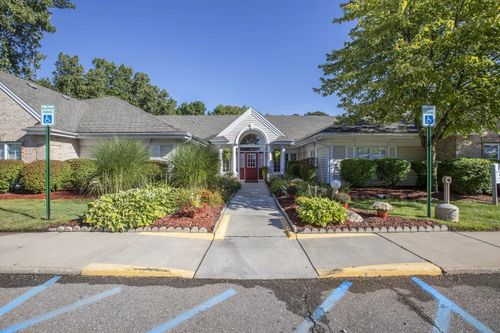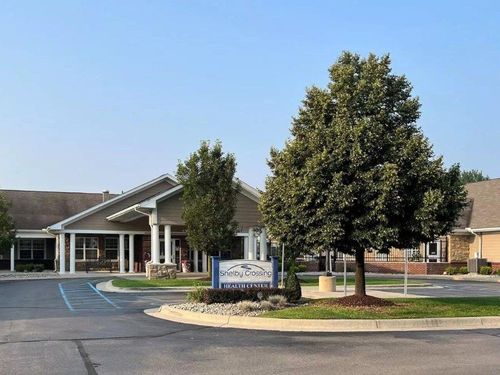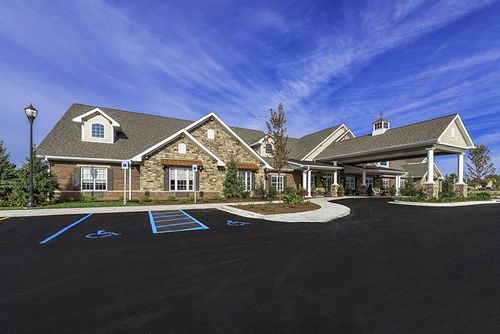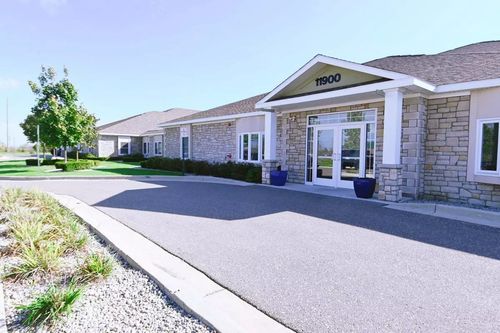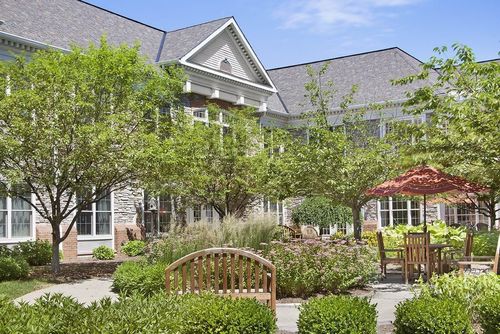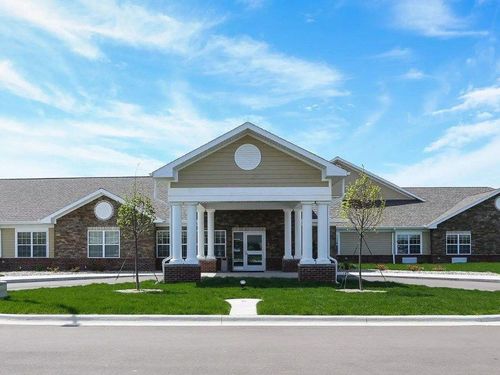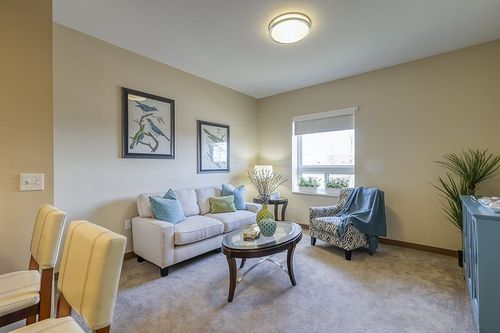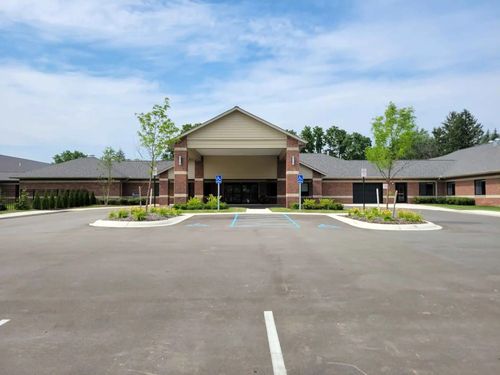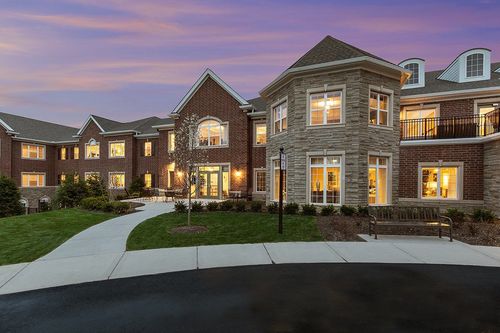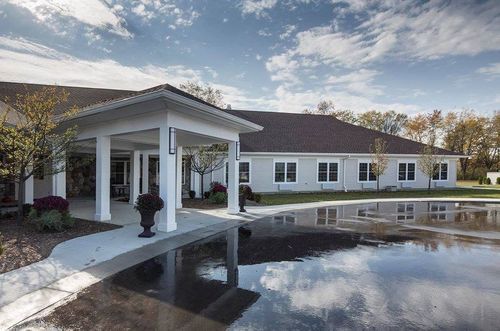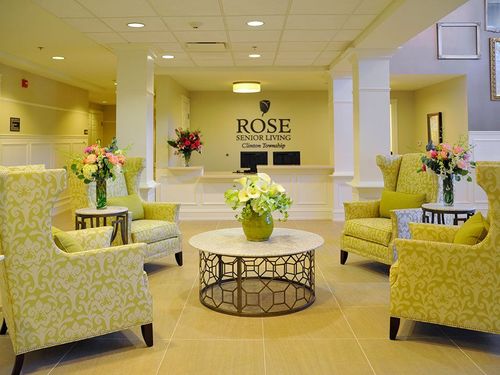
Most writing about pets in senior living assumes a dog, and for a great many residents the animal is a cat. That changes nearly every practical question, because a cat needs no walks and no county license but does need a litter tray managed somewhere in a small apartment, and the rules a building writes for one species rarely read across cleanly to the other. Rose Senior Living - Clinton Township, at $5,755 a month, is the township address that welcomes animals.
With one building in the frame, the useful work is not comparison. It is establishing precisely what its policy says about the animal a household actually has.
The Questions That Differ by Species
For a cat, the things worth asking about are indoor rules and hygiene. Whether the animal must stay inside the apartment, who changes the litter if the resident becomes unable to, where soiled litter is disposed of, and whether the building charges for additional cleaning when a resident moves out are the questions that decide whether the arrangement works. Communities are generally more relaxed about cats than about dogs, and correspondingly less explicit about them, so the answers often have to be asked for rather than read.
For a dog, the levers are size, breed and exercise. Weight ceilings commonly sit between twenty and forty pounds, breed exclusions follow whatever a building's insurer will underwrite, and the daily walk has to be somebody's actual job. Clinton Township is a township of subdivisions and sidewalks rather than a walkable downtown, so a dog here gets a circuit of quiet residential streets, and the Clinton River corridor offers more where a resident or a family member can get to it.
The Costs That Come With the Animal
An animal usually brings a one-time deposit and a monthly charge, both set by the building rather than by any standard, and both worth pinning down before rather than after the paperwork is signed. Whether the deposit is returned when a resident leaves varies as well, and it is a fair question to ask directly.
Michigan requires an annual license for dogs, obtained through Macomb County once a rabies vaccination is current, and does not require one for cats. Either way a community will want to see up-to-date vaccination records before an animal arrives, and sometimes a word from a veterinarian about how the animal behaves around strangers.
Where a Pet Arrangement Comes Under Strain
The pressure point is almost never the move itself. It is what happens eighteen months later, when a resident who was managing the dog easily is no longer steady on ice, or when a hospital admission arrives with no notice and the animal needs somewhere to be that afternoon. Every building asks for a named person who will take responsibility in those situations, and the families for whom it goes wrong are the ones who wrote a name down without asking whether that person had agreed.
Care level applies the other kind of strain over time. A building that welcomes animals across its regular apartments may well keep them out of the secured memory care setting, because the questions there run to resident safety and to whether someone can still look after an animal at all. Where that move is a realistic prospect, it is far better raised now than at the point it happens.
What to Establish Before an Animal Moves In
The list is short and specific: the species and size limits as they stand this year, the number of animals allowed, the deposit and the monthly charge, where in the building the animal may go, and what the community expects of a backup carer. An advisor covering Macomb County can confirm all of it against the actual animal rather than against a general enquiry about pets.
If keeping the cat or the dog is the thing a Clinton Township move hinges on, talk it through and the real terms can be established before anyone gives up on the idea.
Our directory for Clinton Township continues to grow as we evaluate providers for quality and alignment in 2026. Start the conversation about pet friendly in Clinton Township, or scan the buildings we cover at your own pace.