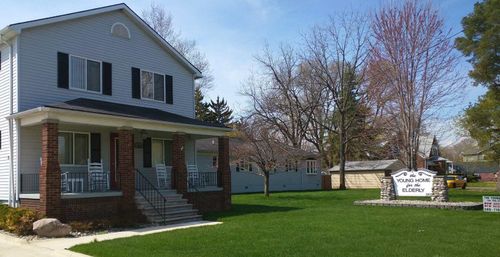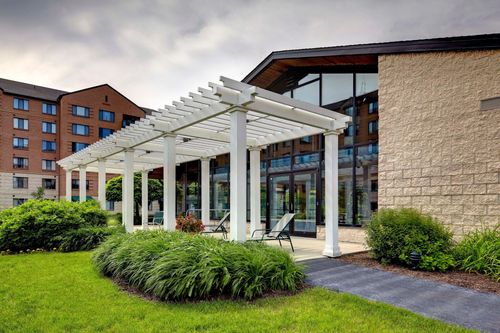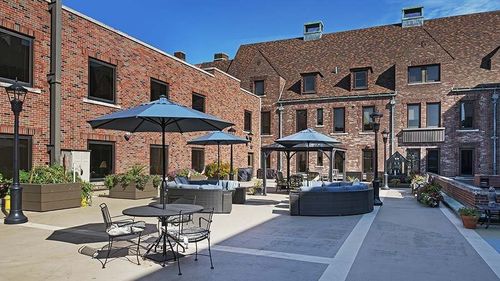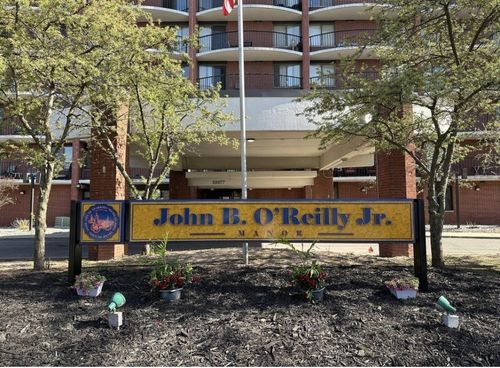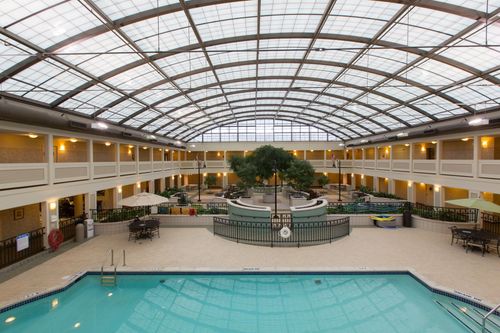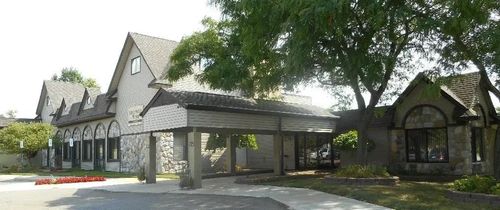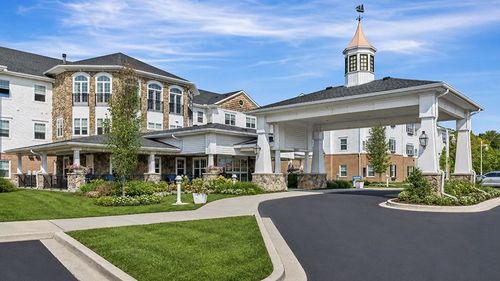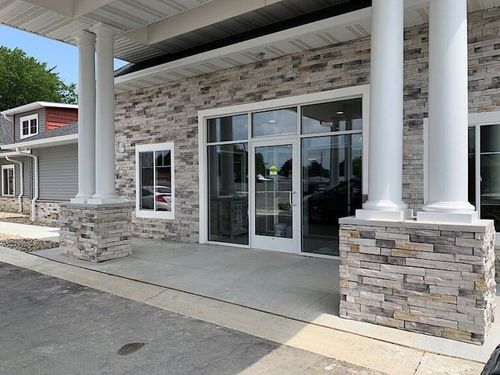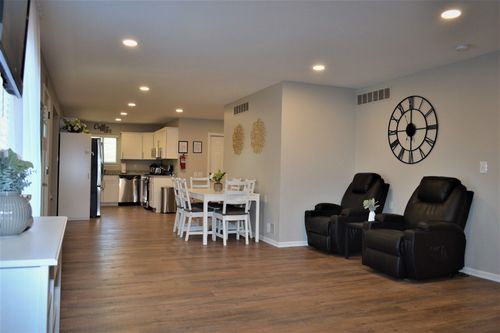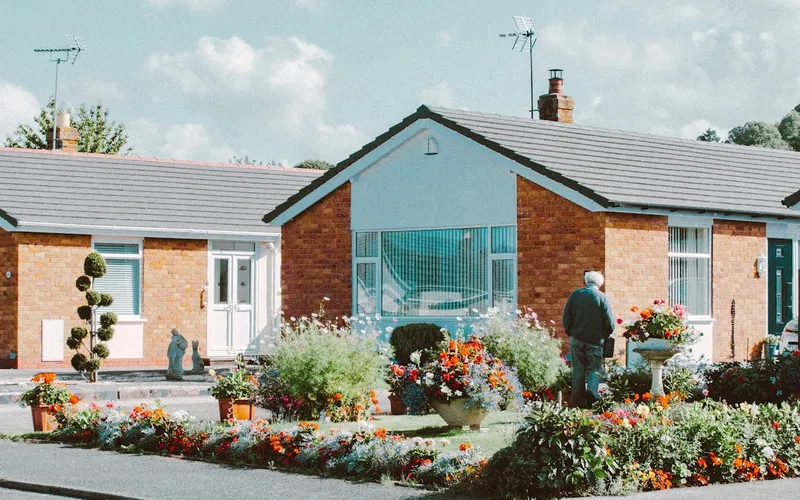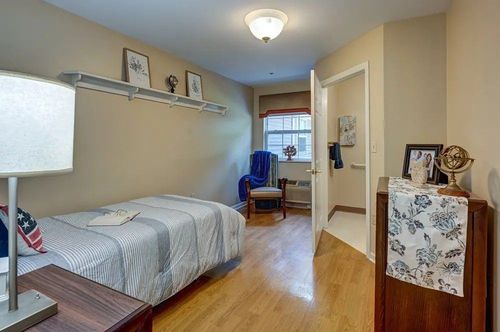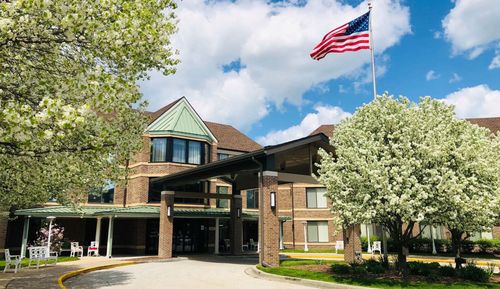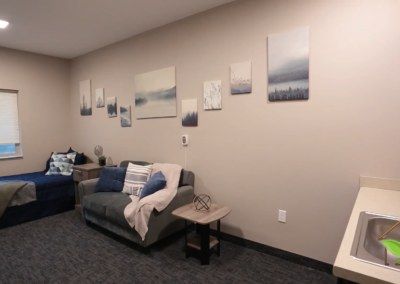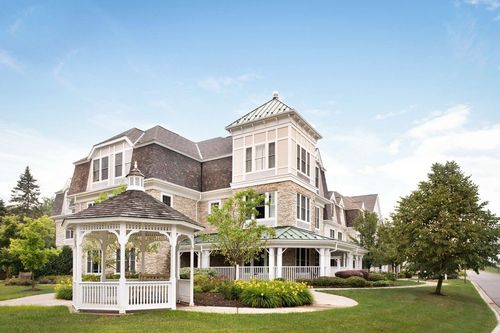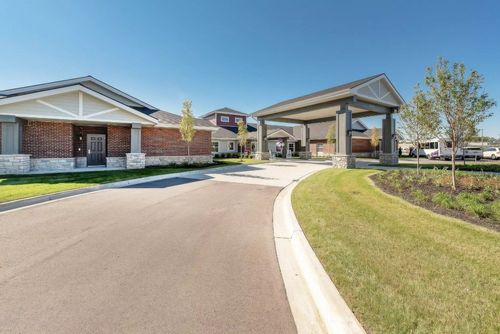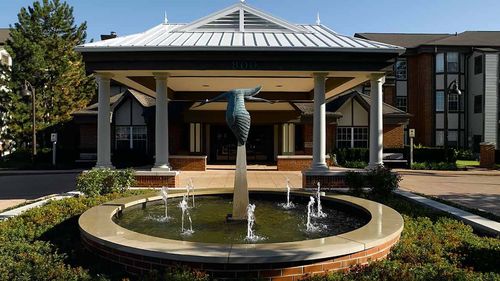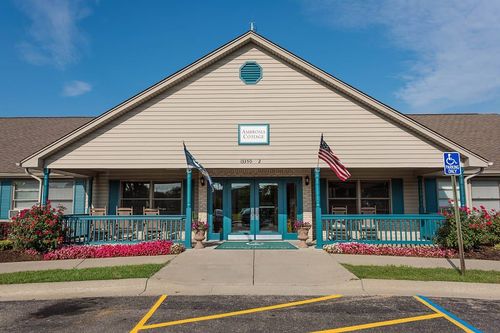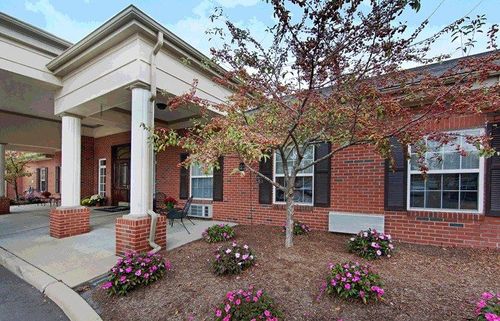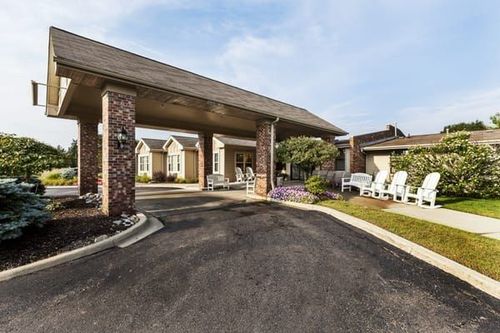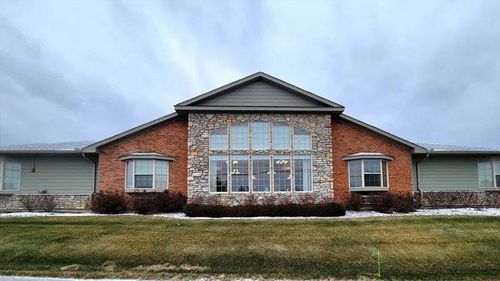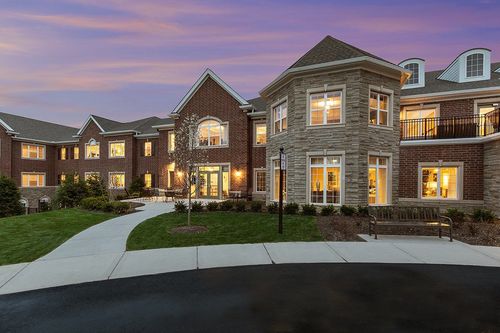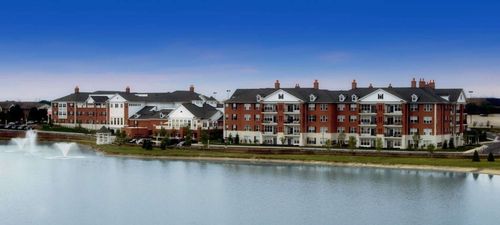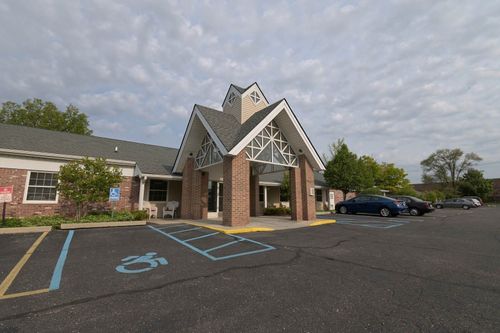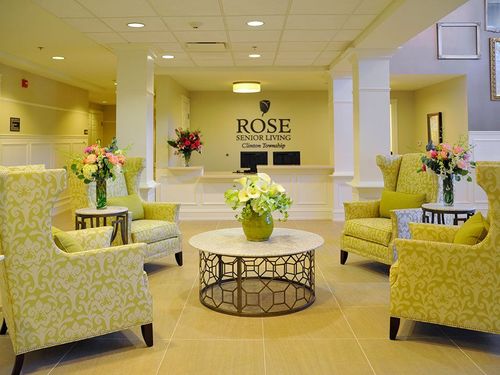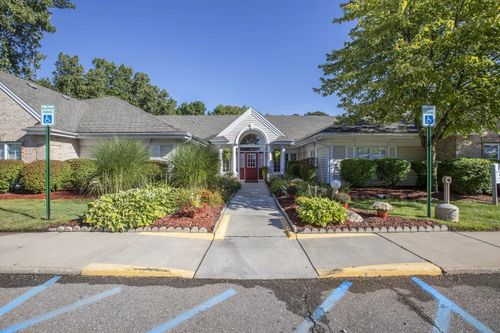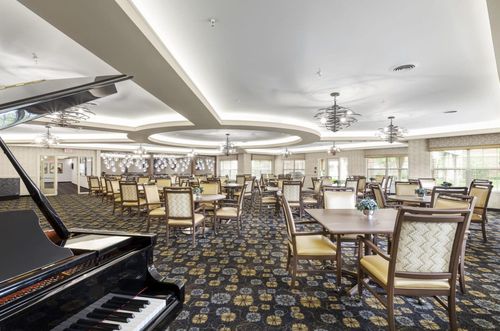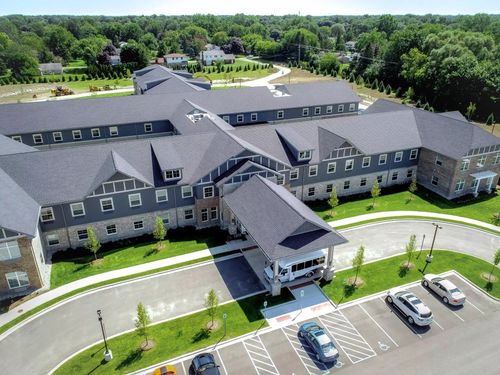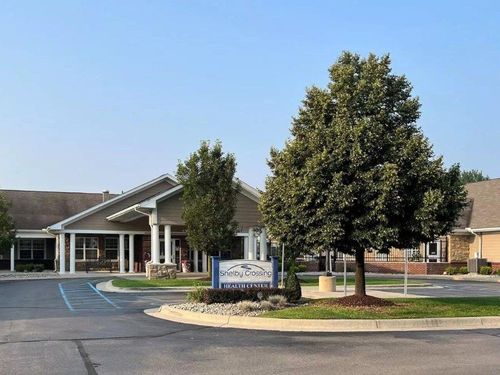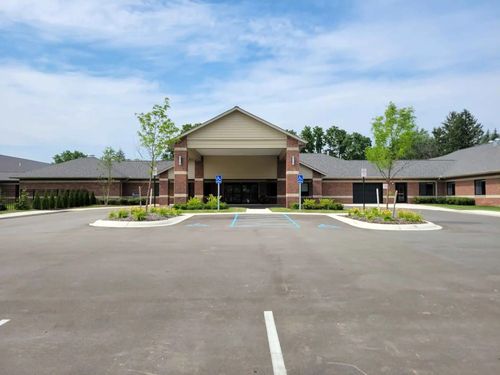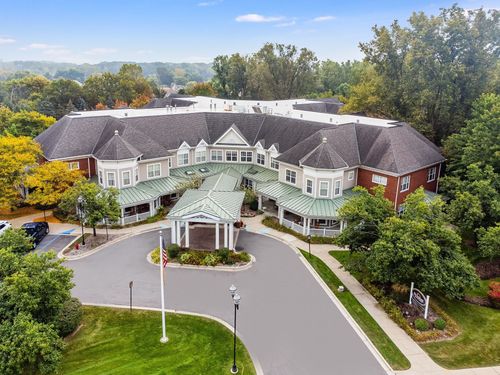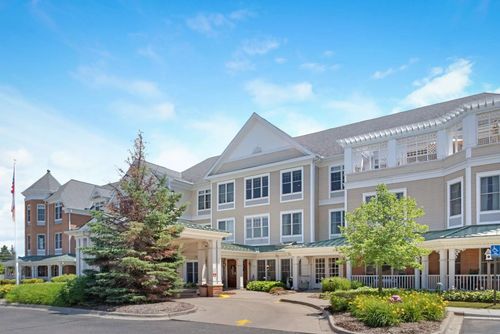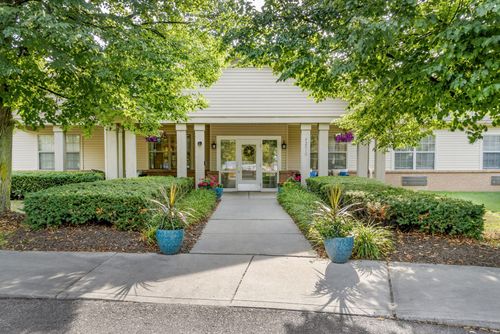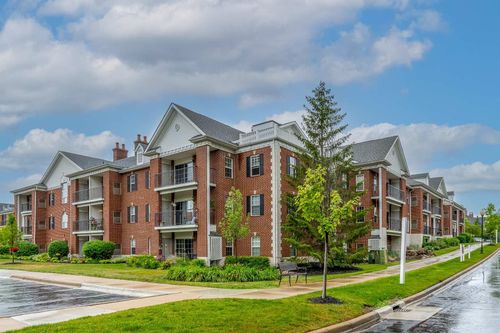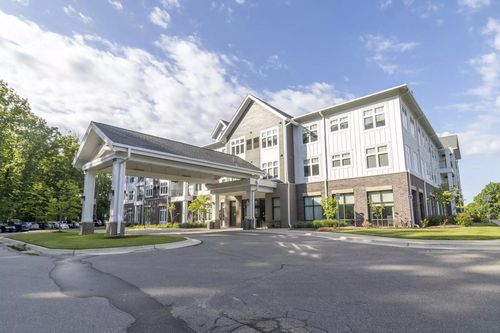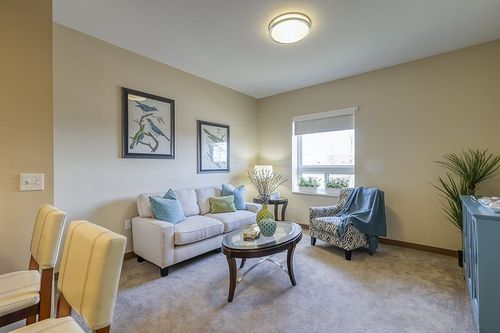
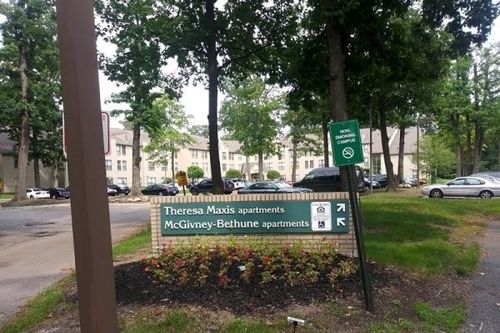
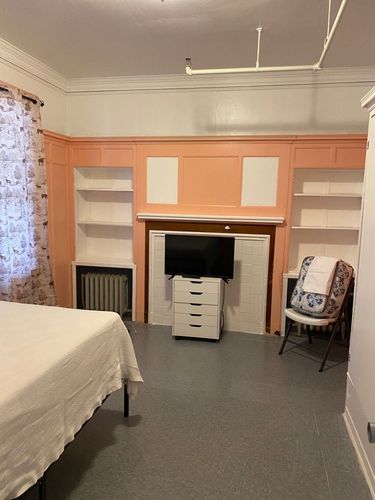
Detroit's senior-living inventory runs to small licensed houses, not large campuses. Three assisted-living homes stand on Grand Boulevard, holding 47, 20 and 16 beds: two a few doors apart on the east side at 570 and 560, the third at 2662 on the west. An independent-living building sits on Wyoming Avenue in the northwest.
Wayne County counted 300,122 residents aged 65 and over in 2024, about 17 percent of its population. That share sits under Michigan's 19.6 percent, but the raw number is the state's largest, and in Detroit it concentrates among people who have held one address for decades.
How Care Shows Up in Detroit
Detroit's small-house inventory leaves the four care levels at very different depths.
- Independent Living: One apartment building on Wyoming Avenue holds this level, for a household wanting its own front door and no care staff attached.
- Assisted Living: Three licensed homes of 47, 20 and 16 beds, all on Grand Boulevard. At that size an opening is real, so timing runs in weeks.
- Memory Care: No Grand Boulevard home runs a secured dementia wing, so a diagnosis needing locked doors widens the search into the suburbs.
- Skilled Nursing: Nursing-home care starts with a hospital stay rather than a move out of assisted living, and city discharge planners set that timing.
Most Detroit households enter at assisted living and leave the city only when memory or nursing needs outrun a small home's license.
Healthcare Access in Detroit
Two Level I trauma centers carry Detroit's heaviest clinical load, both minutes from Grand Boulevard. Henry Ford Hospital at 2799 West Grand Boulevard licenses 877 beds and runs a 156-bed intensive care unit, the largest in Michigan; one assisted-living house stands a block west at 2662. DMC Detroit Receiving, two miles downtown, was Michigan's first Level I trauma center and carries 273 beds plus the state's largest verified burn center.
Henry Ford St. John on Moross Road covers the east side with 772 beds and Level II trauma. Geriatrics is a named specialty at Receiving, which matters when an older resident arrives confused rather than injured.
What Detroit's Pricing Looks Like
Detroit's assisted-living pricing reflects the size of the buildings more than the size of the city. The three Grand Boulevard homes quote $3,500, $3,500 and $3,800 a month, each all-inclusive: room, meals, laundry and personal help in one number. Across Michigan the median one-bedroom in assisted living is $5,818.
Michigan issues no assisted-living license, so these houses are licensed as homes for the aged or adult foster care homes. That is why a rate arrives whole rather than as rent plus a care tier, and why the $300 spread says more about bed count than about service.
Why Families Choose Detroit
Detroit keeps families close because the move is short: someone who has owned the same east-side house for forty years can take a room on Grand Boulevard and keep the same church, the same barber and the same bus route.
Adult children stop in on the way home from work instead of making a trip of it, and Eastern Market on a Saturday stays within the miles it always did.
What a Local Advisor Brings to Detroit
A Local Senior Advisor working Detroit tracks what changes week to week: which Grand Boulevard house has a bed tonight, which one just absorbed a Henry Ford discharge, and which Wayne County campuses hold a secured memory neighborhood when a city home cannot. The advisor also knows how MI Choice funding lands in a licensed home for the aged, which pays the care bill while rent and meals stay private.
Our directory for Detroit continues to grow as we evaluate providers for quality and alignment in 2026. Reach out for a conversation about senior living in Detroit, or browse the communities we have vetted at your own pace.