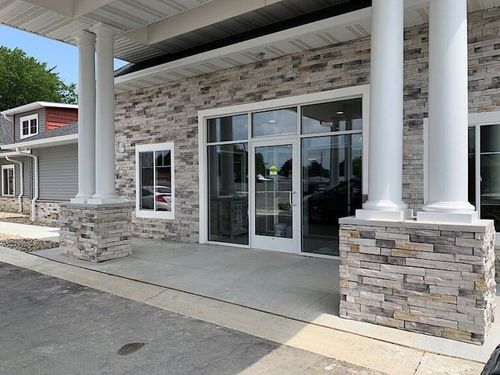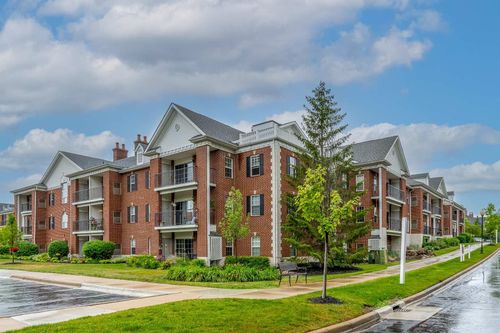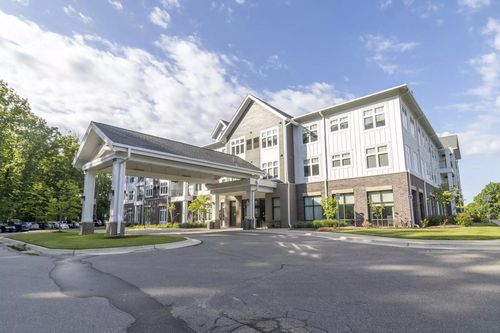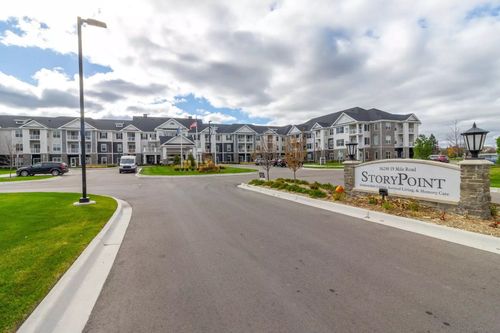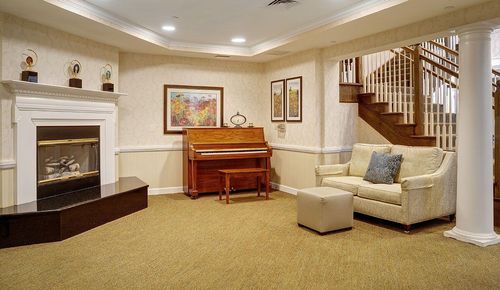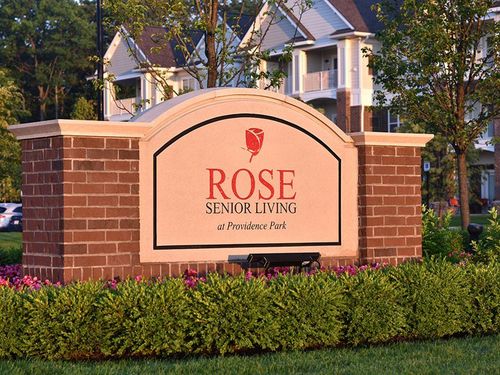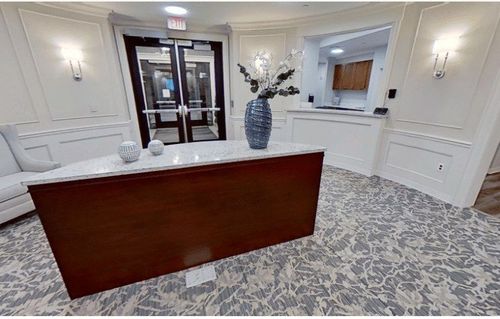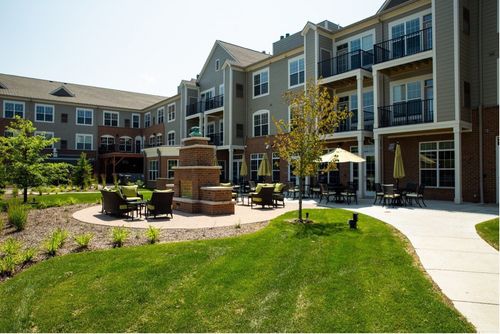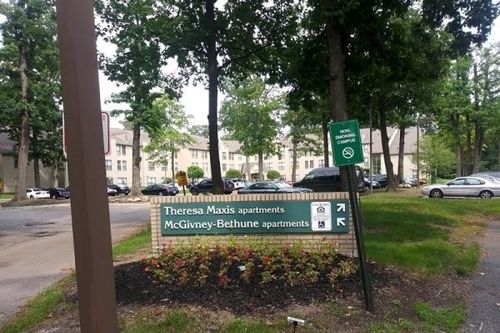
Detroit's senior housing runs to small licensed houses rather than large campuses, and independent living is the exception to that pattern rather than part of it. McGivney Way on Wyoming Avenue, the 1 matching community, is an apartment building rather than a care home, and it is quoted at $850 a month in 2026.
That figure is not a typographical error and it is not a lower grade of the same product. It is what an apartment costs at this address, against a level that runs several times higher across most of Michigan, and for a household that had written off the idea of moving anywhere at all it reopens a question that seemed closed.
What an Apartment Provides, and What It Does Not
Independent living is housing rather than care, and the distinction matters more here than the price does. A resident has their own front door, keeps their own doctors, manages their own medicines, comes and goes without telling anyone, and is not assessed on arrival because there is nothing to assess, and nobody is checking overnight.
What that suits is somebody managing well who wants their own place, fewer responsibilities than a house demands and other people within reach. What it does not suit is a household hoping the setting will notice things: an older adult who forgets tablets, becomes unsteady on stairs or needs help washing needs a different level, and choosing an apartment for someone in that position postpones a problem rather than solving it. Being honest about which describes a person is the whole of the decision at this level.
A Rate That Changes the Question
At $850 a month the arithmetic that usually governs senior housing does not apply. Elsewhere the conversation is about how many years savings can carry a rate; here it is about whether an apartment is the right setting at all, which is a much better question to be answering.
What that figure does not include is care, and there is no version of it that does. Personal help, if it becomes necessary, is bought separately from a home-care agency and priced by the hour, and that is the arithmetic worth doing early rather than at the point of need. Michigan's waiver programmes fund care rather than housing, so they do not reduce a rent anywhere, though they can in some circumstances pay toward services delivered to somebody living in their own apartment.
Where Detroit's Older Households Actually Are
Wayne County counted 300,122 residents aged sixty-five and over, about seventeen percent of its population, which is a lower share than Michigan as a whole but the largest raw number in the state. In Detroit that population concentrates among people who have held one address for decades and have no intention of leaving the city.
One apartment building is a thin offer against that, which makes availability the practical constraint rather than choice. There is no respite arrangement at this level and no second local option to compare, so a household that wants a particular apartment is waiting on a specific door. Enquiring early is what puts a name on a list rather than at the back of one.
Two Level I Trauma Centres, Minutes Away
Detroit's heaviest clinical load is carried by two Level I trauma centres, both close to the central neighborhoods. Henry Ford Hospital licenses 877 beds and runs the largest intensive care unit in Michigan at 156 beds, while Henry Ford St. John on Moross Road covers the east side with 772 beds and its own trauma verification.
For somebody living independently that depth matters in an ordinary rather than a dramatic way: specialists are close, appointments are short trips, and a resident who has used these hospitals for forty years carries on using them. Geriatrics is a named specialty at DMC Receiving, which counts when an older patient arrives confused rather than injured, and that distinction is the one most likely to matter to a household at this stage.
What a Local Advisor Brings to Detroit
At this level the advisor's work is mostly about honesty in two directions. A Local Senior Advisor covering the city can say what is actually available and when, and can also say plainly whether an apartment is the right setting for a particular person or whether the situation being described has already moved past it.
The second half is what a household does about care later, since an apartment does not include any and the city's licensed houses are a different proposition entirely. Understanding how home care is priced and arranged, and at what point a different setting becomes the sensible answer, is worth working out before it is needed. Reaching out early makes that a plan rather than an emergency.
The Detroit directory continues to grow as we evaluate providers for quality and alignment in 2026. Reach out for a conversation about independent living in Detroit, or browse the communities we have vetted at your own pace.