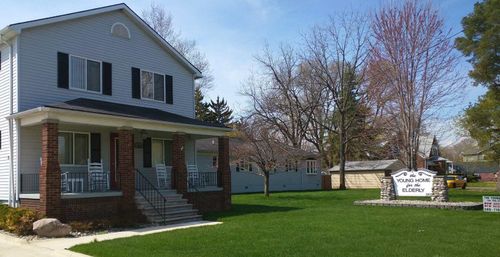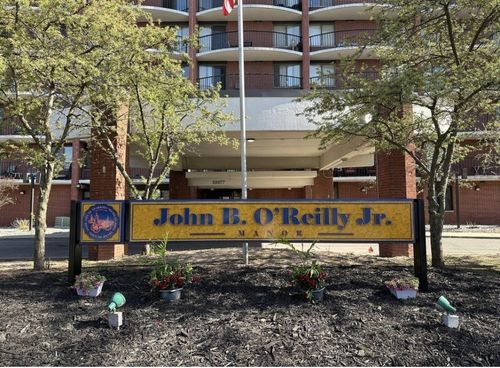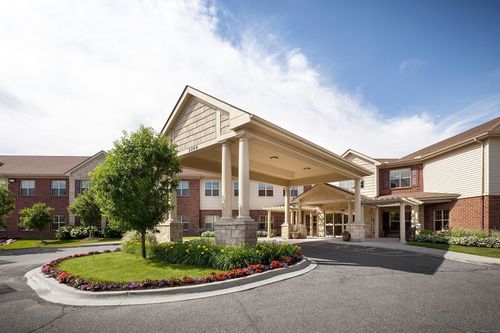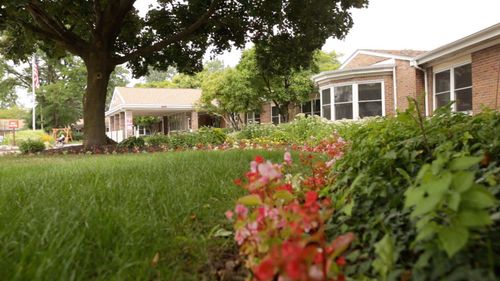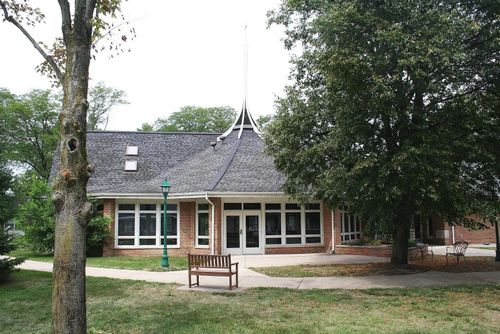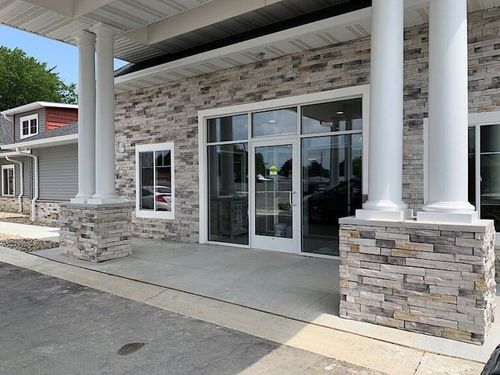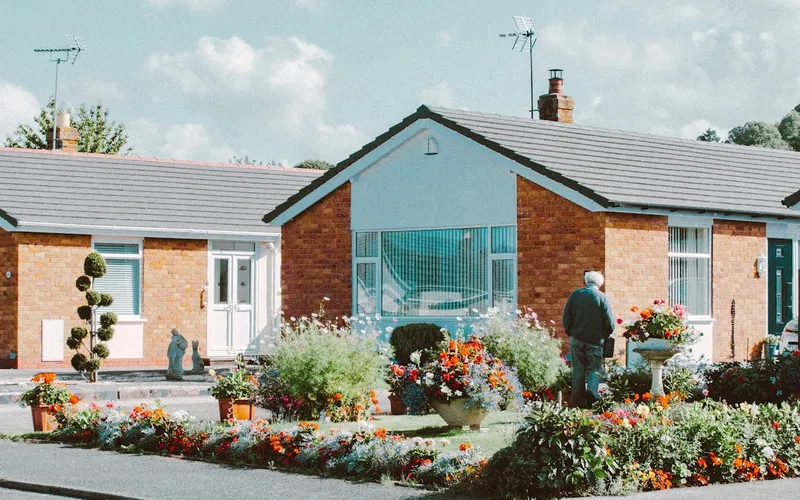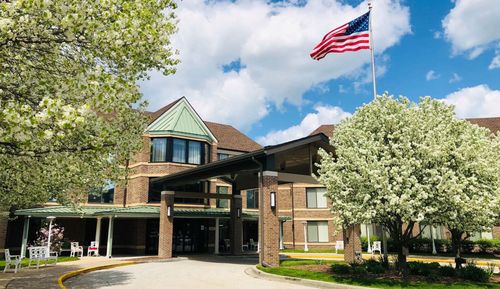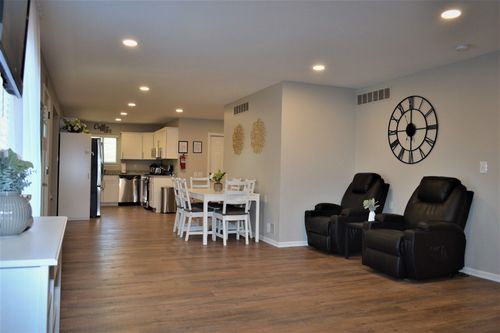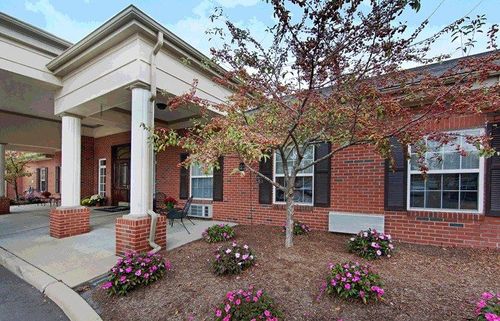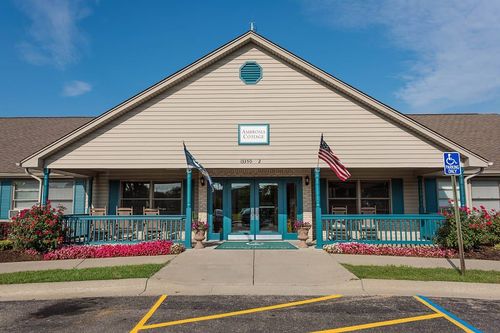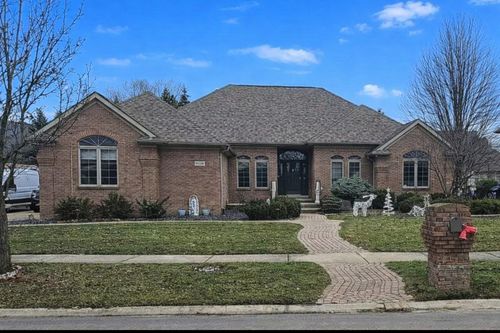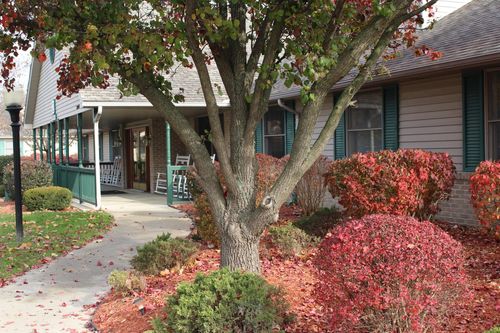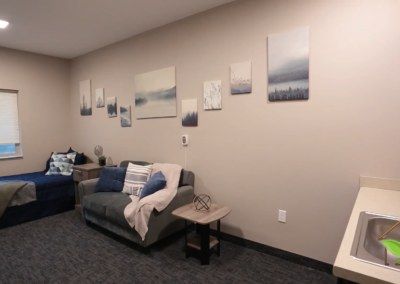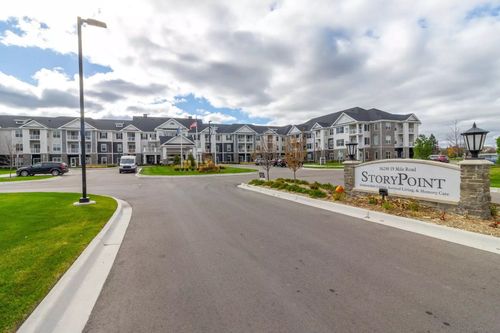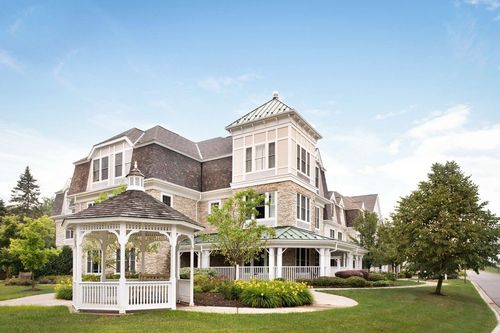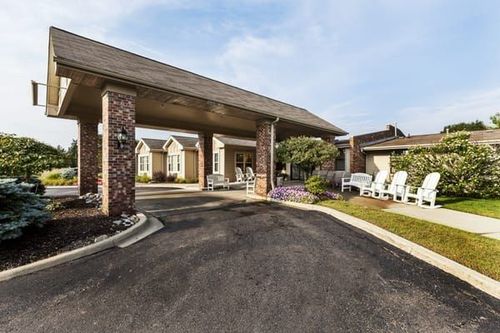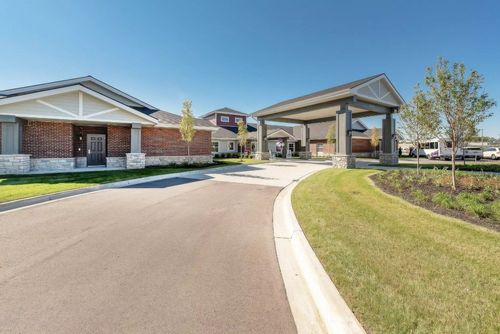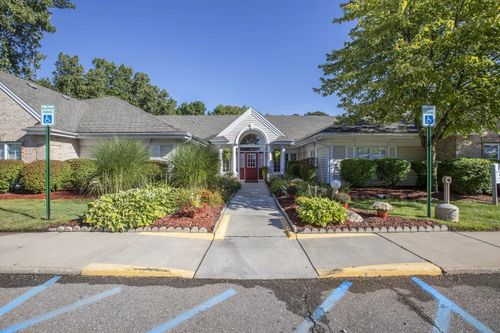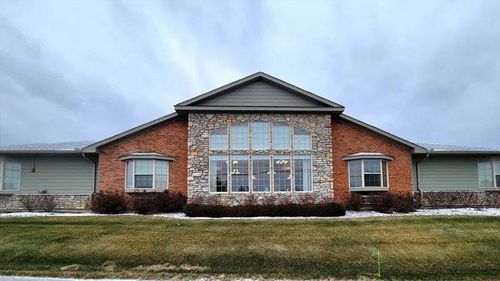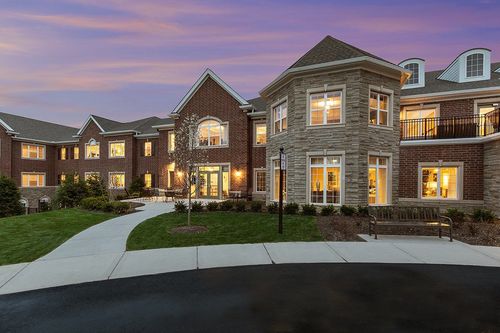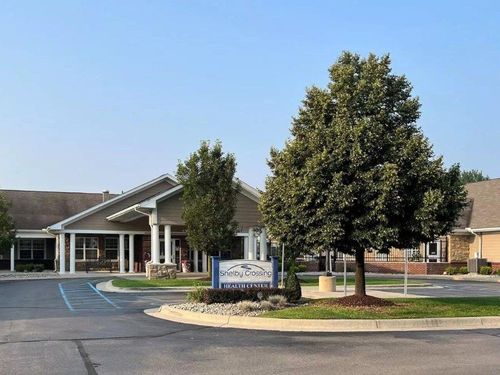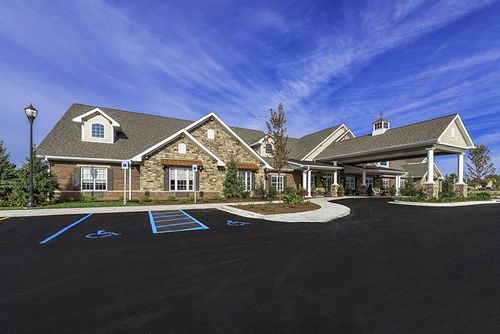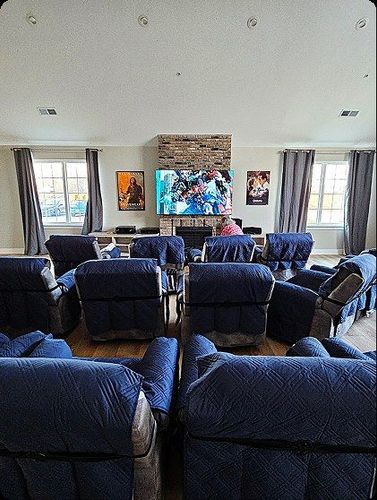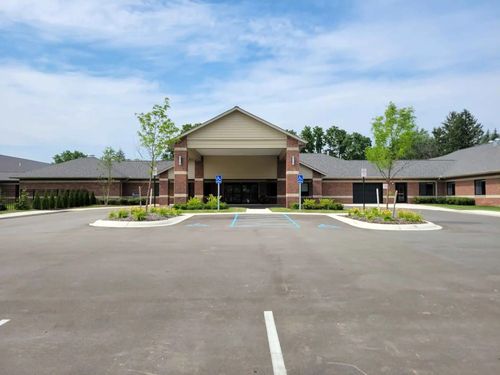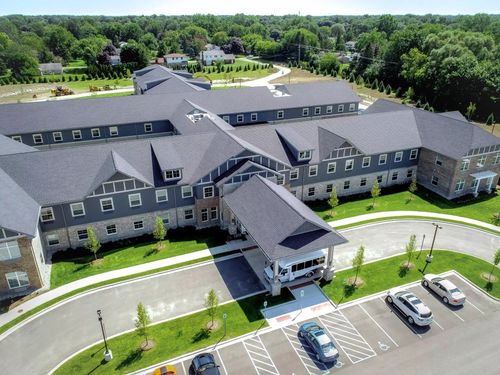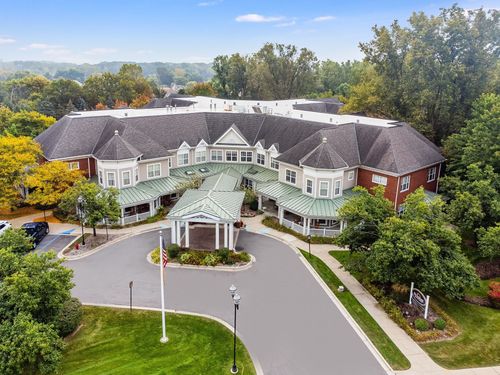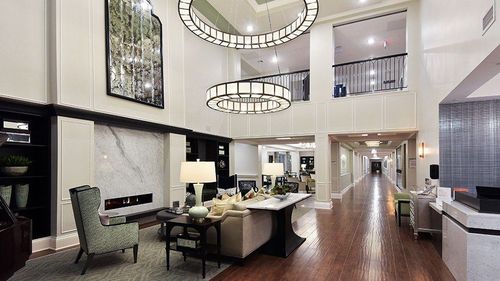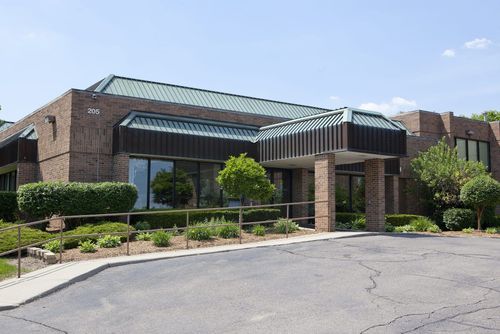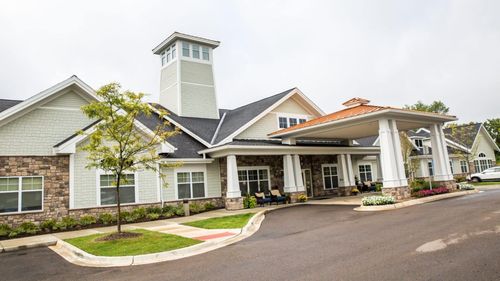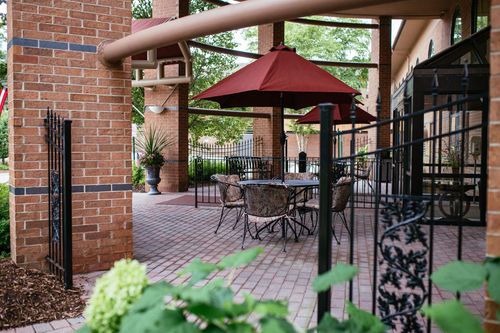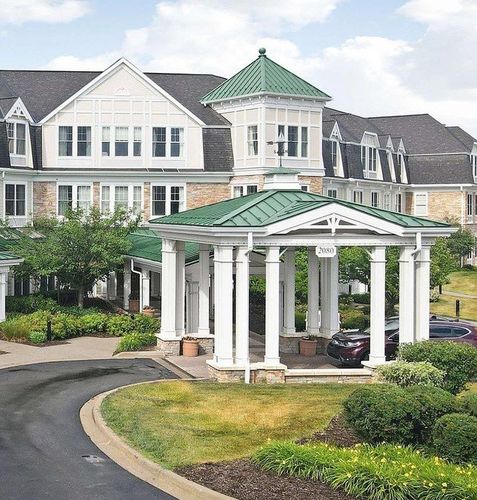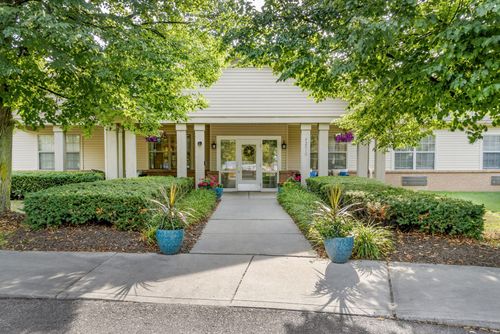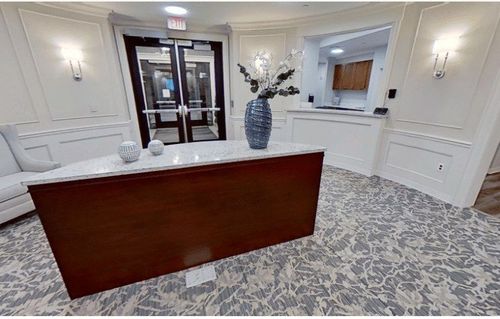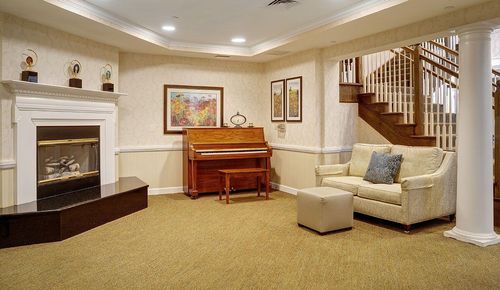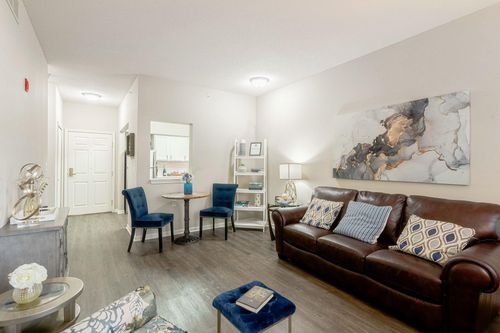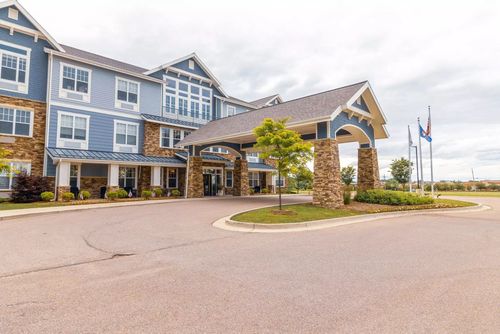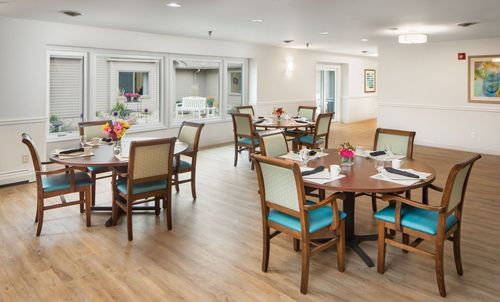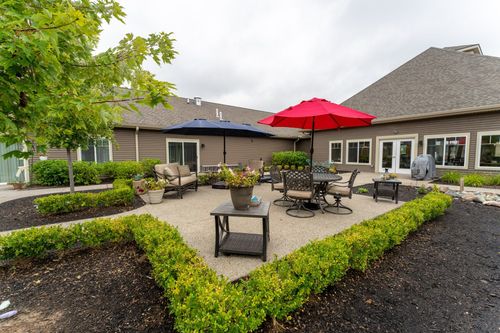
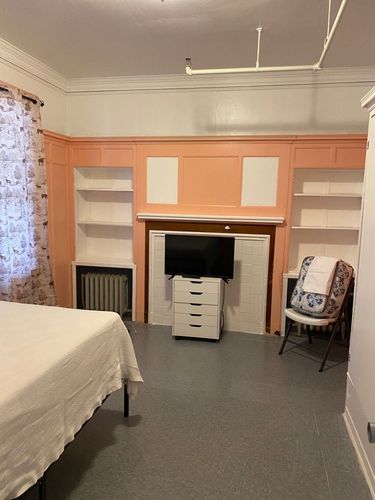

The word campus does not describe assisted living in Detroit. What the city licenses instead are houses, sixteen beds at the small end and into the high forties at the large, set on ordinary residential blocks where the building next door is somebody's house and the parking is at the curb.
A family usually arrives at this level when the help a parent needs has turned into a schedule instead of a favor: medications at fixed times, a hand in and out of the shower, someone awake in the building at three in the morning. What the city offers then is a room in a house with a handful of other residents, a very different proposition from an apartment with a call button.
One Figure, and What Sits Inside It
A Detroit assisted living rate is quoted as a single monthly number that already contains the room, meals, laundry, housekeeping and hands-on personal care, rather than as rent with care tiers stacked on top. That is the practical advantage of the small-home format, and it is why quotes here compare easily.
The same few staff cover most shifts, which is what makes a sixteen-bed house work: the caregiver who notices a resident skipped breakfast twice is the one who served both. Meals come out of one kitchen, so a diabetic or low-sodium diet is a standing instruction rather than a special order. Michigan regulates these homes as adult foster care, and above thirteen residents as homes for the aged, which sets the staffing floor behind the arrangement. Transportation is where small homes vary most, since some run a van and some arrange each appointment as it comes.
Detroit Rates Against the Rest of Wayne County
Assisted living in Detroit runs $3,500 to $3,800 a month in 2026, with Brighter Haven and Passion and Caring Home for the Elderly at $3,500 and Williams Community Living at $3,800. That band sits under what purpose-built campuses charge elsewhere in Wayne County, and the reason is format rather than a discount, since a licensed house carries none of the overhead a hundred-apartment building does.
No Detroit address here bills Michigan Medicaid, so the monthly figure comes out of private money. Dual-eligible residents do have one route worth knowing: MI Health Link, the program that coordinated Medicare and Medicaid for Wayne County, became MI Coordinated Health on January 1 of 2026, with the rest of the state joining in 2027. Those plans coordinate care and services, while the rent and meals in a licensed home stay a household expense.
Where the Calls Come From
About 308,600 Wayne County residents are 65 or older, roughly one in six, the largest such population in Michigan. Detroit's share of it sits in neighborhoods where families have stayed on the same streets for two and three generations.
That produces steady local demand for exactly this format. A licensed house fills by word of mouth on its own block far more often than through a search, which is why an opening sometimes never reaches a listing and why calling directly counts for more here.
Why Families Keep the Move Inside the City
Staying in Detroit keeps a resident's whole life intact: the same church, the same block, the same visitors who can stop in after a shift instead of planning a trip. For an adult child working nights, twelve minutes across town is the difference between three visits a week and one on Sunday.
The medical picture argues the same way. Henry Ford Hospital in New Center carries 877 beds and a Level I trauma center, DMC Detroit Receiving was Michigan's first Level I trauma center, and Harper University Hospital beside it is a 400-bed teaching hospital tied to Wayne State. A resident who has seen the same cardiologist for fifteen years keeps that relationship after the move.
What a Local Advisor Brings to Detroit
What separates one Detroit licensed home from another is not on any listing: whether staff are genuinely awake overnight or sleeping in the house, and whether the home will keep a resident once transfers start needing two people. An advisor who visits these houses carries that distinction in their head, along with which of them has a room open this month.
Sorting the city's homes then comes down to matching three things: the neighborhood family can actually reach on a weeknight, the level of physical help the resident needs now, and whether the household's money is a two-year plan or a ten-year one. Reach out before a hospital stay sets the timing for you, and the list gets shorter and better at once.
The Detroit directory continues to grow as we evaluate providers for quality and alignment in 2026. Reach out for a conversation about assisted living in Detroit, or look through the communities we have vetted at your own pace.