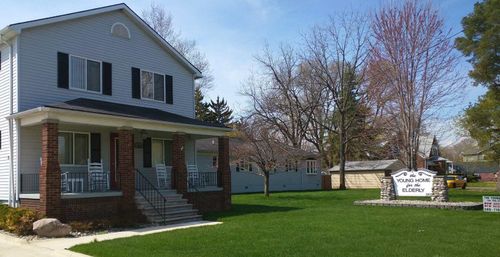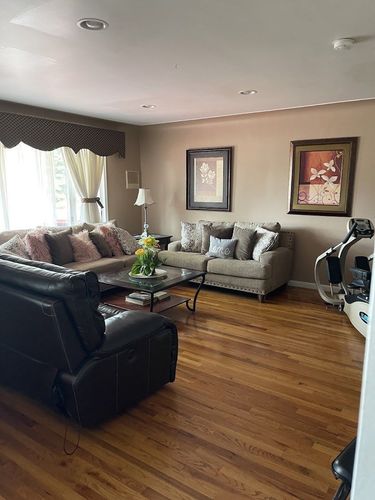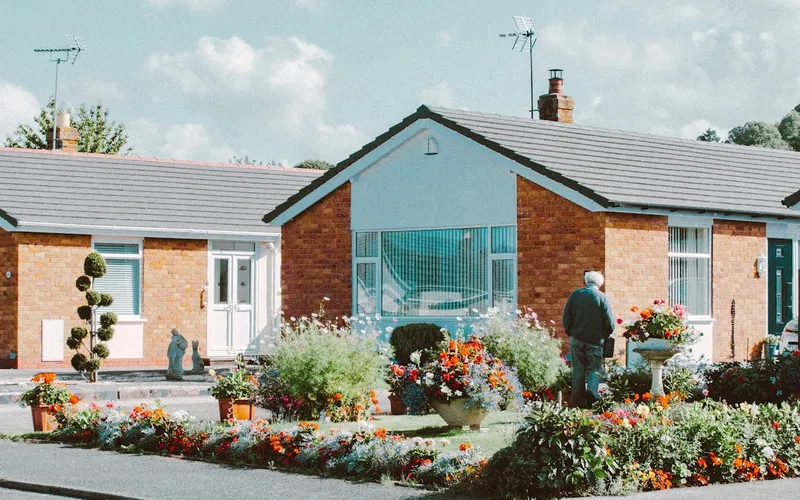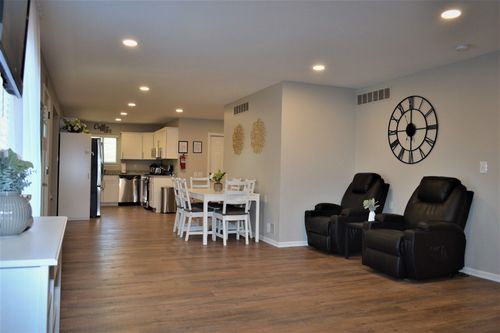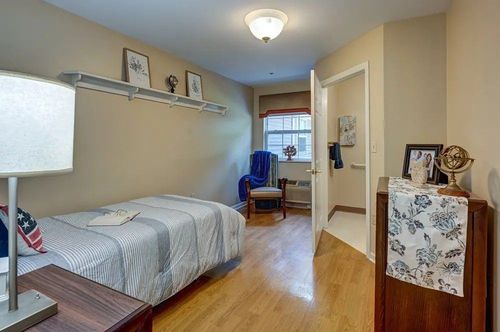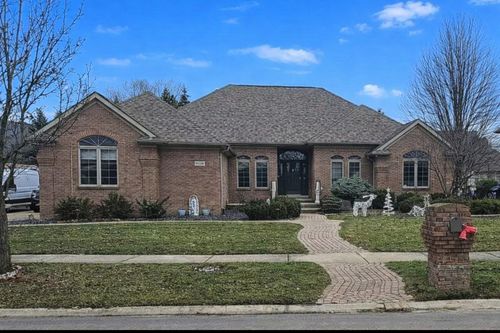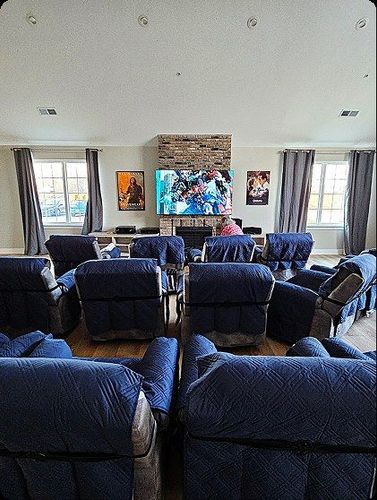
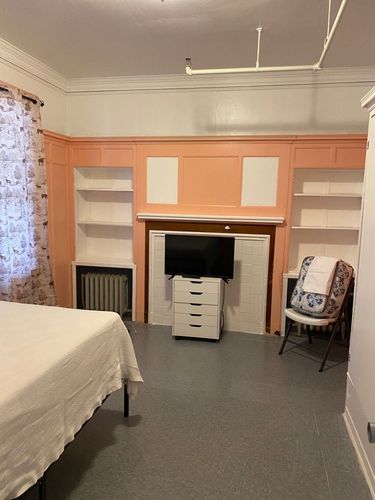

A good share of Detroit's licensed senior care happens in houses rather than in buildings with lobbies. Brighter Haven, Passion and Caring Home for the Elderly and a small number of similar addresses are ordinary homes on ordinary blocks, holding somewhere between sixteen residents and the mid-forties, with staff who cook in a kitchen rather than run a dining service. Michigan is one of the states where this is a licensed category in its own right rather than a workaround, which is why the city has as many of them as it does. Families arrive at this option for a specific reason: someone who would shrink inside a hundred-apartment building, and who does better where the whole household eats at one table.
What a Detroit Care House Is, and What It Trades
The state licenses these settings by size rather than by brand. An adult foster care home may be a family home of up to six residents, a small group home of up to twelve, or a large group home of thirteen to twenty; past twenty-one residents, the licence becomes a home for the aged. Detroit's home-style addresses sit across that whole span, so two houses on the same list can feel quite different inside.
What every one of them shares is the ratio, and it is the whole point. A caregiver in a house of this size is responsible for a handful of people rather than a corridor, so help with dressing, bathing, medication and getting to the bathroom at night arrives from someone who already knows how a particular resident likes it done. The trade is real and worth naming: fewer shared spaces, a shorter activity schedule, a smaller circle of neighbours, and no clinicians on site. A larger Detroit community offers the reverse of each, and for a resident who wants a full week of company and organised outings, that is the better fit rather than the lesser one.
What These Detroit Houses Cost
The published starting figures here sit unusually close together, running from $3,500 at Brighter Haven and Passion and Caring Home for the Elderly up to $3,800 at the third of the city's home-style addresses. That tight band is a function of the setting: a house has one kitchen, one heating bill and one small staff, and there is not much room for one to price itself far above another.
None of these houses currently takes Medicaid funding, so the monthly figure is met privately, usually from a pension, Social Security, a long-term-care policy or the sale of a home. What the figure covers is nearly everything: the room, three meals, laundry, help through the day and night. Costs that arrive separately are the ones a house does not provide, chiefly medication itself, incontinence supplies and any therapy or nursing visit brought in from outside.
Sorting Through the Detroit Options
Start with the level of care rather than the address. These houses do the custodial work well, meaning the daily hands-on help, and none of them provides skilled nursing, so a resident needing daily clinical care has moved past what a licensed house can offer. Dementia is the second question, since a house may be licensed and staffed to keep someone safe who wanders, or may not be, and the answer varies house by house rather than across the city.
After the care question is settled, the rest turns practical. Detroit's care houses sit minutes from Henry Ford Hospital and DMC Detroit Receiving, which matters for follow-up appointments, and a house without vehicles on site means someone in the family becomes the driver. Visiting is the other half of that equation, and it decides more than most families weigh. A house on a block that relatives can reach easily on a weeknight gets visited far more often than one across the county, and how often people actually come is the thing that shapes a resident's week.
What a Local Advisor Brings to Detroit
An advisor covering Wayne County can say which of these houses currently has a room, what its licence permits it to handle as a resident's needs change, and how the caregivers are actually staffed overnight rather than on paper. Those three answers rarely appear in a listing, and the third is the one families wish they had asked about later.
The same advisor can also match a resident to a household rather than to a building, since a house of six and a house of forty are different worlds even at the same monthly figure. If a Detroit family is weighing the smaller setting, it is worth a short conversation before choosing which doors to knock on.
Our Detroit directory keeps expanding as we evaluate providers for quality and alignment in 2026. Reach out for a conversation about residential care homes in Detroit, or look through the communities we have vetted at your own pace.