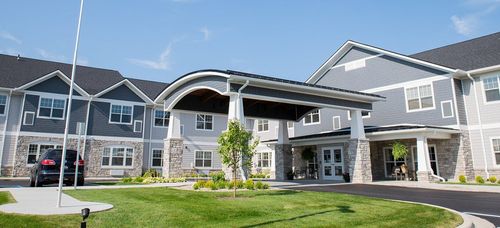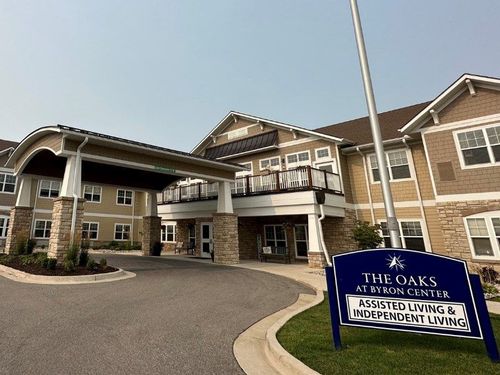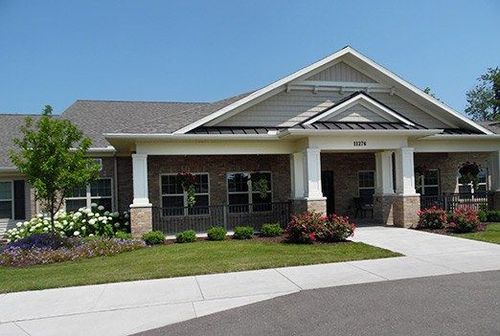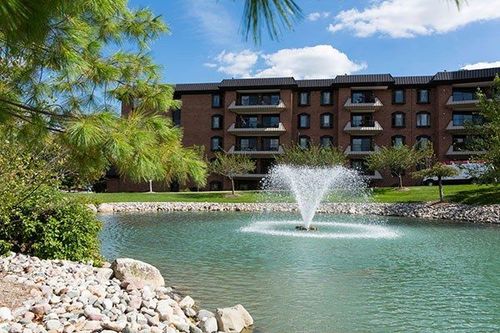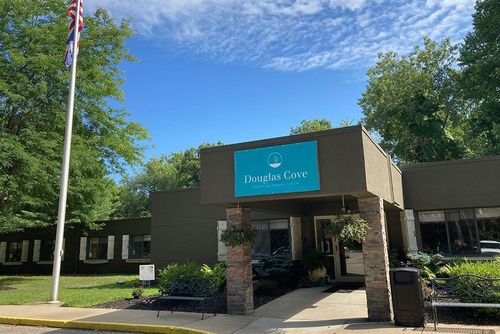

A modest house bought in Douglas thirty years ago is not a modest asset now. The lakeshore stretch between Saugatuck and Holland has appreciated steadily for decades, which leaves a good many Allegan County households looking wealthy on paper and thin on income, and that combination is exactly what makes a Medicaid conversation complicated. The Orchards at Douglas Cove Village, listed at $4,500 a month, is the Douglas address working with the program.
Almost every difficult question in these applications comes back to the house. What happens to it during an application, what happens to it afterwards, and what a family can and cannot do with it beforehand.
How the House Is Treated During an Application
Medicaid tests countable assets, and a primary residence is generally not counted while a spouse still lives in it or while the applicant intends to return home. That exemption is narrower than families assume: it protects the house from being treated as available cash during the application, and it does not make the house permanently untouchable.
There is also a federal ceiling on home equity above which the exemption stops applying, and on a stretch of shoreline where values have climbed hard, that ceiling is a live consideration rather than a technicality. Any household in Douglas whose property has appreciated substantially should get the equity position established early, because it can change what the application looks like entirely.
What the Money Actually Looks Like
The $4,500 monthly figure quoted is a private-pay rate. A resident funded through Michigan's MI Choice Waiver is in a different arrangement, where the program covers the care itself and the housing share continues to come out of monthly income. The waiver runs to a statewide cap, which puts a gap between qualifying for it and actually starting on it.
Nursing facility care runs on a separate Medicaid track, with broader coverage for a resident who meets the clinical threshold for it. Independent living has no Medicaid pathway at all, because the program funds care and independent living involves none.
What Happens to the House Afterwards
Michigan operates estate recovery, which means the state may seek repayment from the estate of somebody who received long-term care benefits. It applies after death rather than during a resident's lifetime, and it reaches assets passing through probate. For a family whose principal asset is a house on the lakeshore, that is the part of the picture most likely to come as a surprise.
The response is planning rather than panic, and it needs proper advice. Transfers made in the years before an application are examined and can create a penalty period, so the instinct to sign the cottage over to a child is precisely the move most likely to cause harm. There are legitimate approaches, and an elder law attorney is the right person for them.
Getting Advice Before the House Becomes the Problem
An advisor covering Allegan County can set out what the assessment looks for, what a complete application file contains, whether a funded place is currently free, and at what point a household needs legal advice on the property rather than general guidance. Those are separate questions and the timing of each affects the others.
If property on the lakeshore is going to be part of a Douglas family's Medicaid picture, talk it through well before an application is urgent.
We keep expanding our Douglas coverage as we evaluate providers for quality and alignment in 2026. Start the conversation about medicaid in Douglas, or look through the buildings we cover at your own pace.