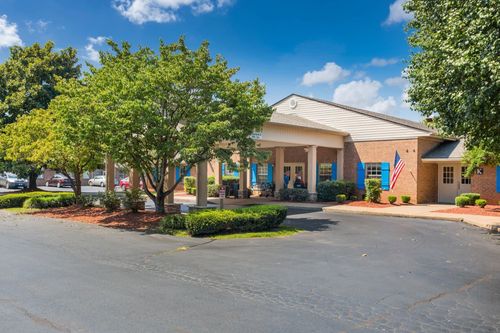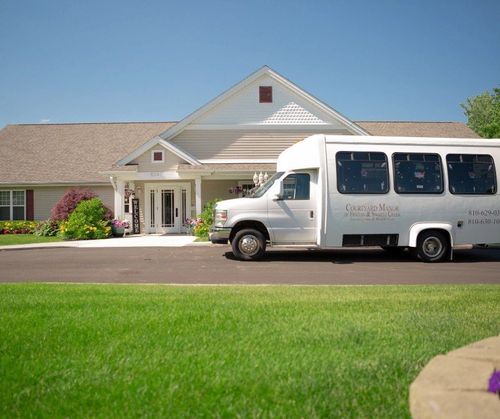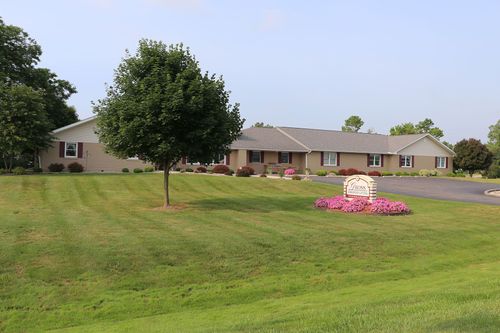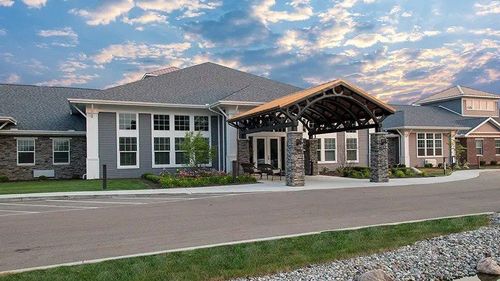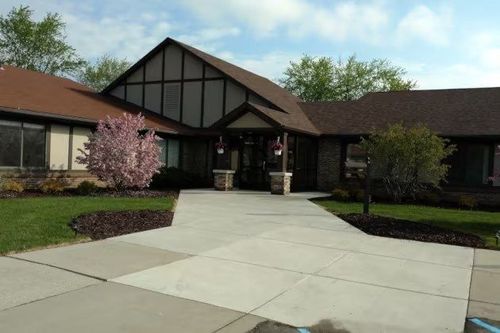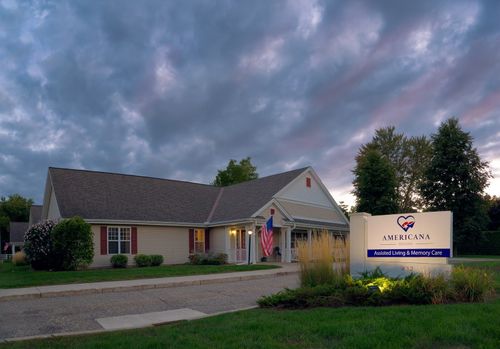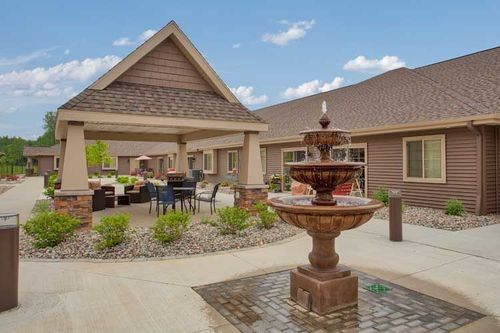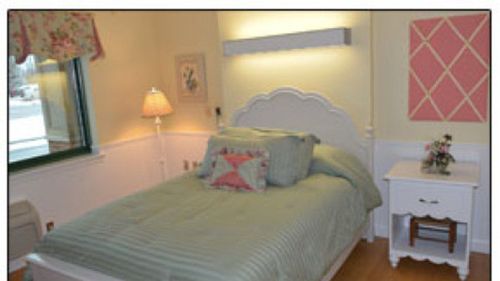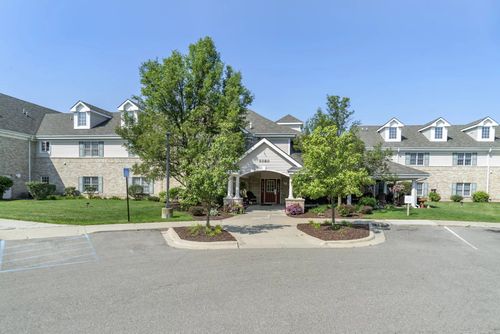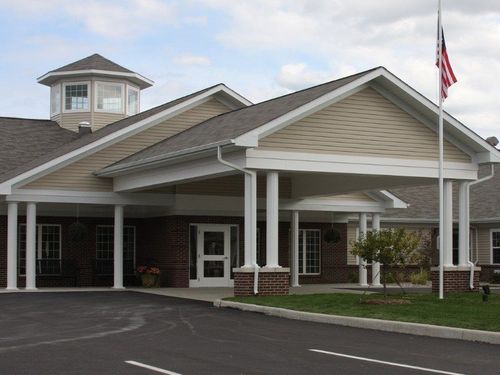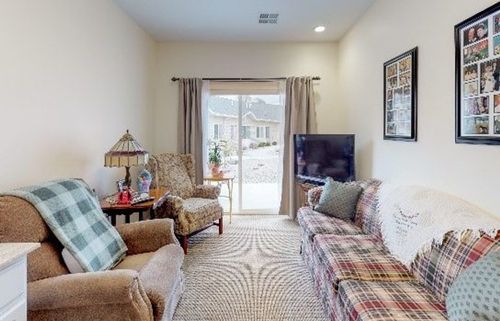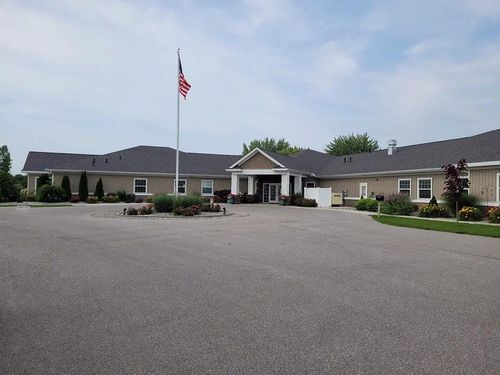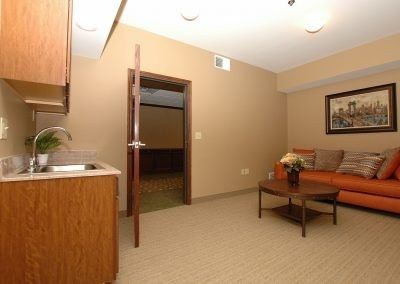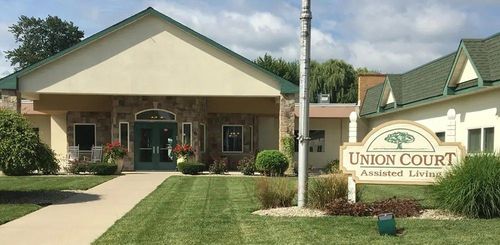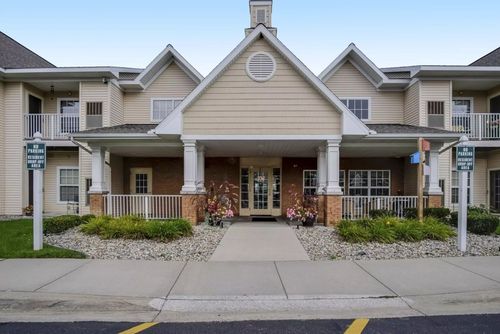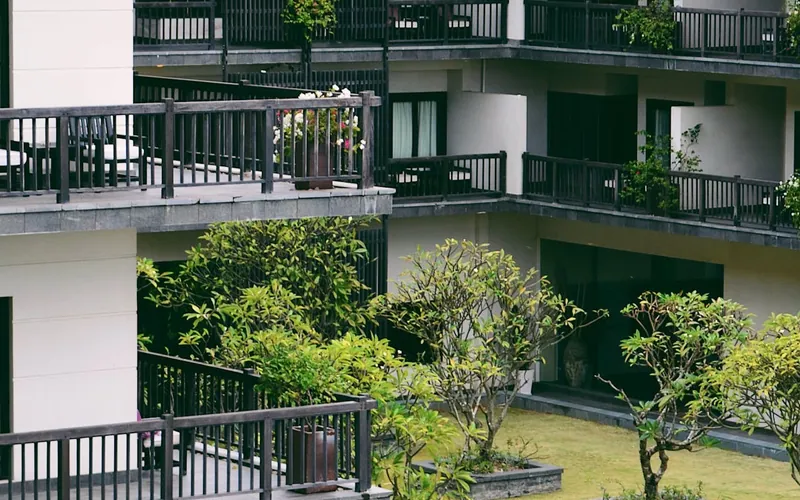
Flushing covers three levels of care inside one building, and the level it lacks is the one people reach for earliest. There are no independent apartments at Majestic Care of Flushing, so nobody arrives here to get ahead of a problem; households come when help is already needed, which changes what a dementia decision looks like locally.
The practical risk in Flushing is therefore not the wrong level of care but the wrong week to be asking. One address covers assisted living, secured dementia care and nursing, so a resident who moves in has somewhere to go as things change, but a single address has no second list to fall back on when nothing is free.
Secured Care With Nursing Behind It
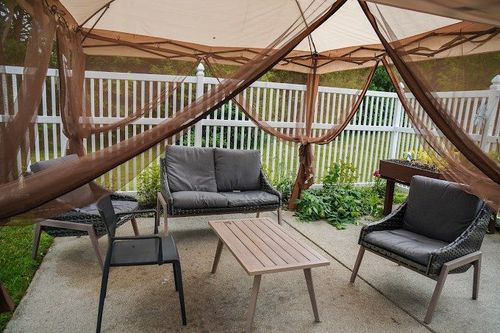
The locked side offers the expected foundation: the exits are closed, the outdoor area is enclosed, dressing, washing and eating are helped with at any hour instead of on a round, meals change as chewing and appetite do, and nobody on the night shift is asleep.
What distinguishes this building is what sits beyond the secured side rather than inside it. Dementia frequently arrives at a stage where nursing is genuinely required, and most addresses handle that by sending a resident elsewhere at short notice. Here the nursing rooms are on the same site, staffed by people the resident already knows, so the final transition is a corridor rather than a relocation. Work out early how far the secured side goes before that step arrives, what prompts the conversation, and what warning is given, because that sequence is most of what this address is offering.
What Public Funding Changes Here
Majestic Care of Flushing runs assisted living at $4,200 a month in 2026, with the secured rooms and the nursing tier priced above that. The detail that alters a household's arithmetic is not a rate at all: this address accepts Medicaid, which is uncommon in Genesee County and worth understanding precisely.
Two separate programs are involved and they are frequently confused. A nursing bed is funded by traditional Medicaid; help delivered at the assisted and secured levels runs through the MI Choice waiver instead, and that pays for care rather than for a room. Neither covers a community's full charge, and both take months to approve, so the paperwork belongs well ahead of the need. Acceptance matters because it means a resident who runs out of savings at the nursing stage stays where they are.
One Address, No Second List
Genesee County holds close to 80,000 residents past 65, and Flushing sits north-west of Flint as one of the towns that kept its own center while the county's population shifted around it. A single building serving that town does not sit empty.
The thing to establish early is therefore capacity rather than suitability. With one address there is no shortlist and no queue, only what happens to be free in the week a family telephones, and respite is available, which is frequently the way in when a permanent room is not. Households already known to the building are the ones positioned when something opens.
Why Flushing Families Stay in Flushing
A resident moving into Majestic Care keeps the same pharmacy, the same congregation and the same short drive that family have made for years. In dementia, where visits become brief and frequent, that continuity does more good than any amenity list, because it is the pattern of who turns up that a fading memory holds on to.
Hospital access is unusually deep for a town this size. The region's Level I trauma center is Hurley Medical Center, cancer care runs through the Karmanos Cancer Institute at McLaren Flint alongside its Level III trauma verification, and Henry Ford Genesys adds cardiac services and inpatient rehabilitation. A resident keeps whichever of those relationships they already have.
What a Local Advisor Brings to Flushing
Flushing hands a family one building rather than a shortlist, so the work shifts from comparing to understanding. An advisor working Genesee County can explain what the Medicaid acceptance actually covers at each level, what the eligibility process demands, and how long it realistically takes, which is the difference between a plan and an assumption.
The second contribution is capacity, which is the local variable that moves. Knowing when secured rooms are expected, whether respite would get a resident in ahead of a permanent room, and what comparable residents have actually been quoted is what turns a single address into something a household can act on. If a diagnosis is in hand and there is no immediate pressure, a short conversation now is worth more than a tour later.
Our Flushing directory keeps expanding as we evaluate providers for quality and alignment in 2026. Start the conversation about memory care in Flushing, or scan the buildings we cover at your own pace.