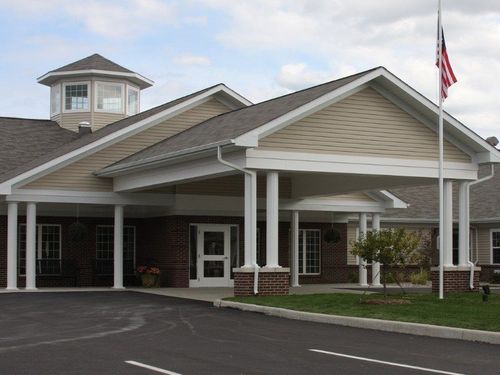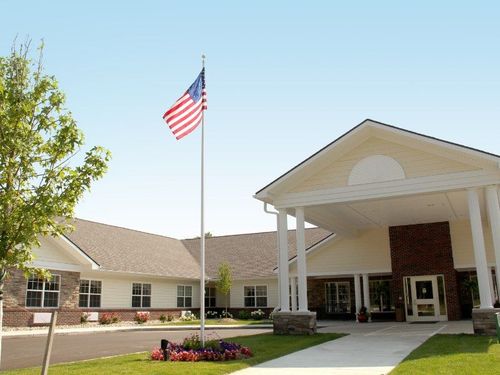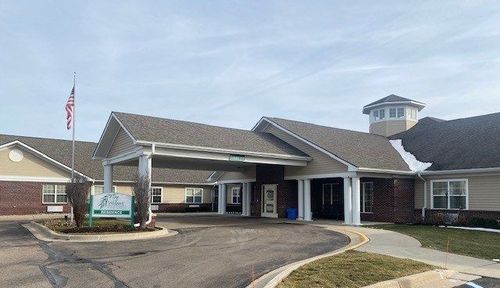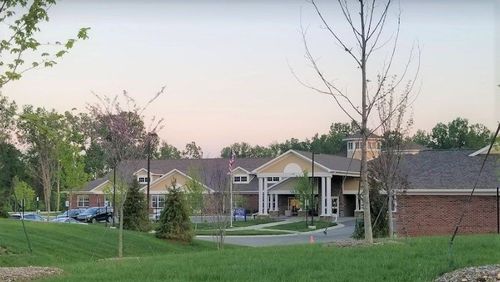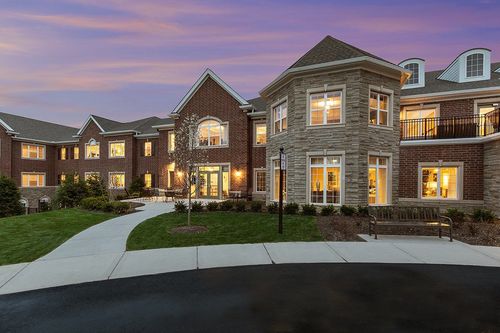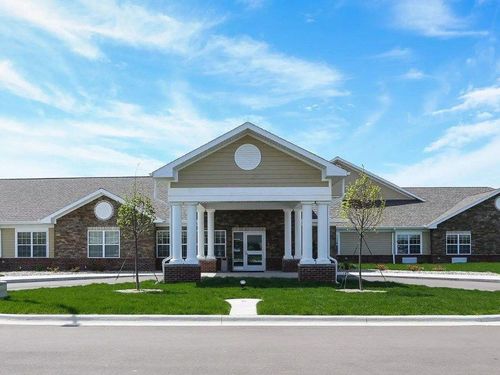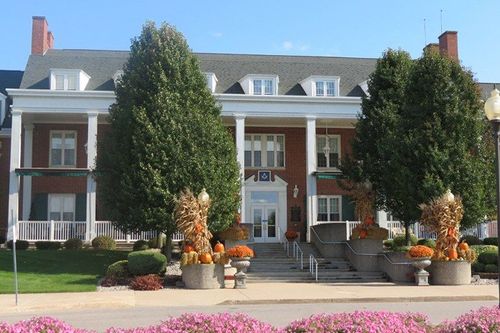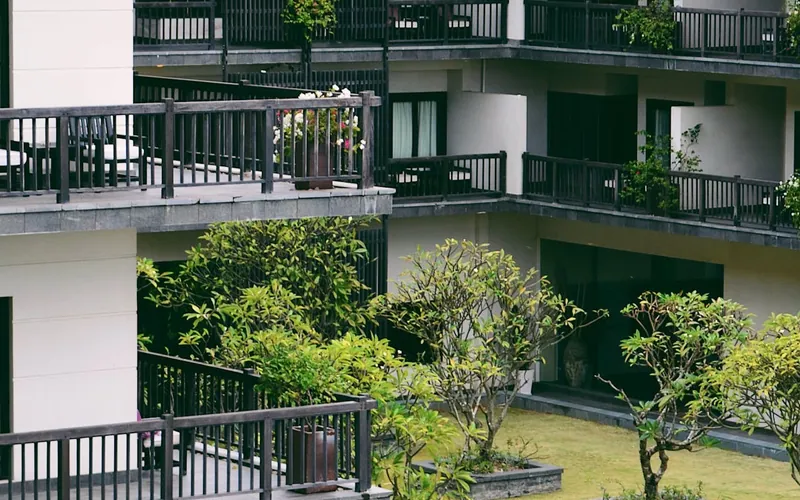
The question that decides most skilled-nursing arrangements is not where a patient goes but whether they can come back. Flushing answers it unusually well, because Majestic Care of Flushing on Sunnyside Drive, the 1 matching community, holds a nursing licence alongside its assisted living rooms and its secured dementia wing, so a resident discharged from hospital still needing continuous care generally returns to the building they already live in rather than being routed to whichever facility has a bed.
For a town with one senior-living address, that licence is what makes the address count. It keeps the hardest stage of care inside Flushing, and it means a household is not searching the county at the point when searching is hardest.
What the Nursing Licence Covers
A nursing licence means registered nurses on duty continuously, a physician directing the plan of care, and rehabilitation from physical, occupational and speech therapists arranged around a specific recovery rather than a general schedule. Intravenous medication, wound management, oxygen and post-surgical monitoring all fall inside it.
What it buys a resident of this particular building is continuity that most towns cannot offer. The staff treating somebody through a difficult stretch are largely the staff who knew them before it, which shortens the time it takes to notice that something has changed and lengthens the odds of a return to their previous level. Short stays are offered too, so a recovery that needs a few weeks rather than a season has somewhere local to happen.
Medicare First, Then a Choice
Skilled nursing accrues charges daily, and the opening period is normally carried by Medicare Part A after a qualifying inpatient hospital admission, in full to begin with and then with a contribution from the resident, and only for as long as skilled care is genuinely required and the recovery is still measurable, a period families consistently underestimate.
Beyond it, a stay is funded privately or through traditional Michigan Medicaid long-term-care benefits for residents meeting both the financial and clinical tests. Public funding is billed at this address, which is uncommon locally and is the reason a stay here does not have to end with a transfer when the Medicare period does. Getting the transition mapped early is the single most useful piece of planning a household can do.
One Address Against a Large County
Genesee County holds a substantial older population, and Flushing offers a single senior-living address against it. That address happens to carry three levels of care, which is why it takes on more than its room count suggests.
Nursing beds are the scarcest part of any local picture, and here they sit inside a forty-room building rather than a dedicated facility. Availability is therefore genuinely limited, and the households best placed are the ones already living in the building or already known to it. Short stays help when timing does not align, and asking about them at the start of a hospital admission rather than the end is what makes them usable.
Where the Acute Care Happens
The hospitals sit a short drive east, and between them they cover almost everything. The region's most serious cases go to Hurley Medical Center, which carries the highest verified trauma level; McLaren Flint adds cancer care through the Karmanos Cancer Institute alongside its own trauma verification; and Henry Ford Genesys in Grand Blanc Township runs the inpatient rehabilitation centre where many local recoveries begin.
What matters about that geography is less the distance than what happens afterwards. Because the Flushing building holds its own nursing licence, the journey home from any of those hospitals can end in the town rather than at an unfamiliar facility chosen for its vacancy, which is worth more to a recovering older adult than a few miles either way.
What a Local Advisor Brings to Flushing
With one address carrying three levels, the useful knowledge is about movement and timing. A Local Senior Advisor covering Genesee County can establish whether a nursing bed is free, whether a publicly funded one is free, which is a separate matter, and what the building needs clinically before it will accept a return from hospital.
The funding conversation belongs alongside it, because the end of a Medicare period arrives faster than families plan for and the application that follows takes longer than they expect. Working both out during a hospital stay rather than after it is what keeps a resident in the town they know. It is worth reaching out at that point rather than waiting for the discharge date.
We keep expanding our Flushing coverage as we evaluate providers for quality and alignment in 2026. Start the conversation about skilled nursing in Flushing, or look through the buildings we cover at your own pace.