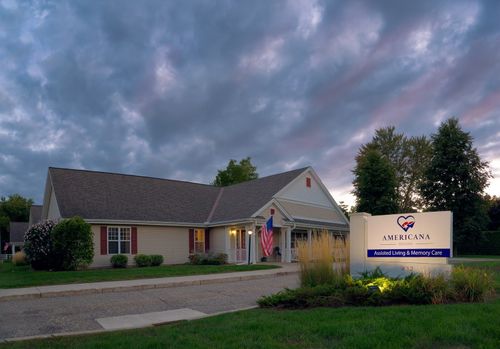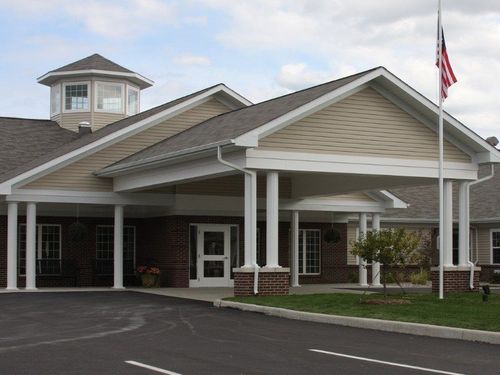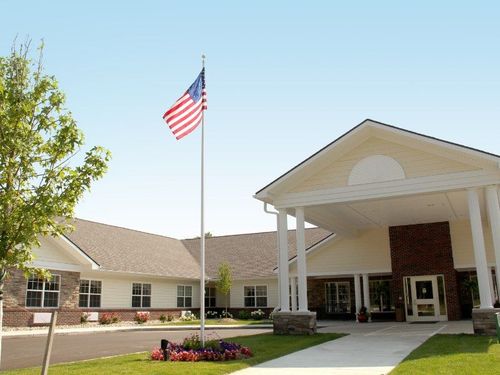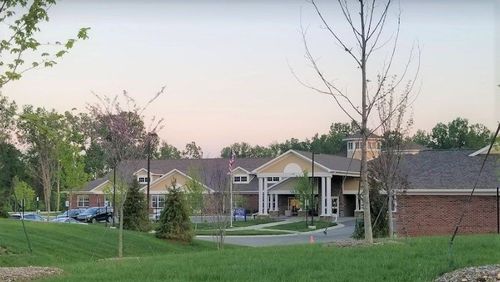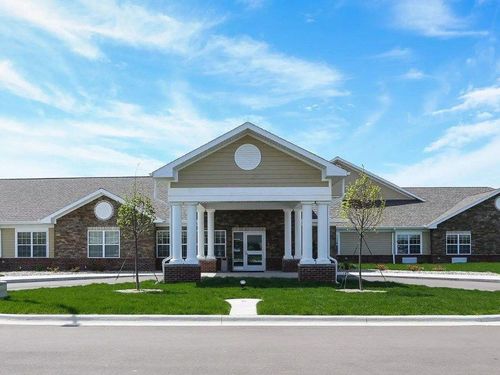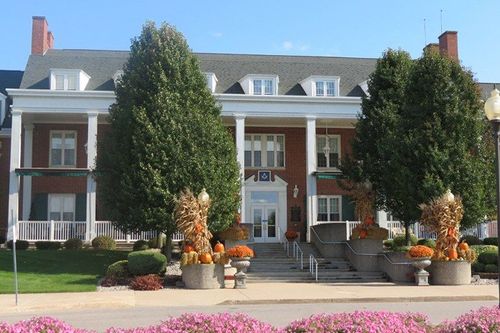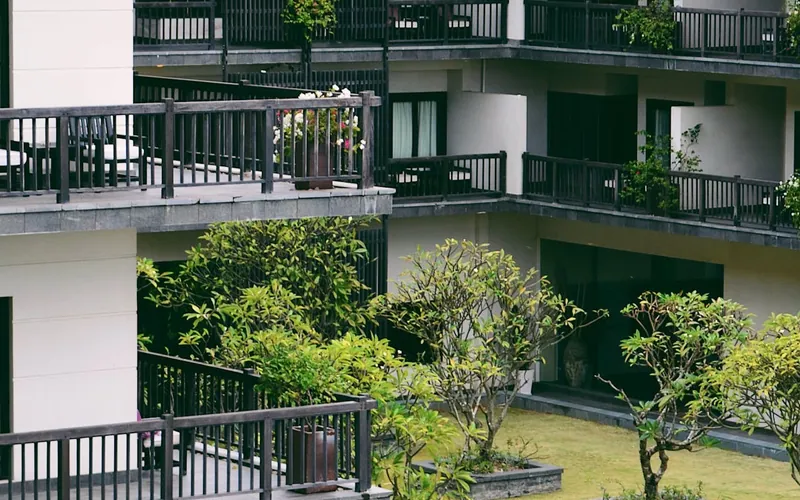
Very few Genesee County families arrive at senior living already on Medicaid. The far more common path runs the other way: a household pays privately for a year or two, watches the savings fall, and starts asking what happens when they run out. Majestic Care of Flushing AL, at $4,200 a month, is the Flushing address that works with Medicaid, which makes the conversion question the one that actually matters here.
Getting that answered early is very nearly the whole game. A family that establishes the terms at move-in has options; a family that raises it when the account is nearly empty is negotiating from the weakest possible position.
What Conversion Actually Involves
Two separate things have to line up before it happens. The resident has to qualify for Michigan's MI Choice Waiver, which funds the care a person receives in a licensed residential setting for someone meeting both the clinical standard and the financial rules, while the housing share continues to be met out of their own monthly income. Enrollment in that program is capped, so approval and a start date are not the same event.
The building has to be willing and able as well. A community that works with Medicaid may still hold only a set number of funded rooms, may require a defined period of private payment beforehand, or may have every funded place occupied at the moment one is needed. None of that is a criticism of the building. It is simply the shape of the funding, and a family is entitled to the specifics in writing rather than in reassuring generalities.
Doing the Arithmetic Before It Does Itself
The useful exercise here is a thoroughly unglamorous one. Take the monthly figure, take the household's income, take whatever savings exist, and work out the month in which the two stop meeting. That date is the one everything else should be planned backward from, because applications take time, waiver enrollment can involve a wait, and neither is quick to arrange under pressure.
Assets and income are both tested, and there is a look-back running several years over property and money moved to relatives beforehand. In Genesee County the item that most often complicates a file is a house, whether it has been sold, signed to a child, or is still sitting empty. Handled early enough it is entirely manageable, and handled in the month the money runs out it is not.
The Questions to Put to the Building
Ask how many rooms the community can support under Medicaid funding, whether a period of private payment is required first and how long, what happens if a resident qualifies while every funded place is taken, and whether any of that is set out in the residency agreement. A vague answer to any of those is itself a kind of answer.
Ask as well what the building actually does to help. Some communities work actively alongside families through an application; others leave the paperwork entirely to the household. Neither approach is unreasonable, but knowing which one a family is dealing with changes how much support they need to line up elsewhere.
Getting the Conversion Question Answered in Flushing
An advisor covering Genesee County knows what the local assessment looks for, what a complete waiver file contains, whether a building currently has a funded place free, and how to get a conversion policy stated plainly rather than left comfortably vague. Those are the four things that decide whether a move made today still works in three years.
If private funds in a Flushing household have a visible end point, reach out while there is still room to plan around it rather than react to it.
Our Flushing directory keeps expanding as we evaluate providers for quality and alignment in 2026. Reach out for a conversation about medicaid in Flushing, or browse the communities we have vetted at your own pace.