


Grand Rapids families navigating long-term care find a local landscape where public assistance interacts uniquely with private facilities across Kent County. A handful of licensed options in this regional market accept state assistance programs for qualifying residents, though availability shifts frequently based on internal capacity. Securing a spot often requires careful planning around state waivers and specific administrative criteria set by individual providers. Local families frequently discover that finding an open bed takes persistence and precise timing rather than a straightforward application process.
What State Assistance Unlocks in Local Facilities
Medicaid acceptance in this region does not mean every room in a given facility qualifies for public funding. Facilities often designate a specific subset of their total capacity for state assistance recipients, meaning admission depends entirely on whether a designated slot is currently open. Families must distinguish between a facility that is technically enrolled as a provider and one that has an immediate physical opening for a waiver-funded resident.
The qualification pathway involves comprehensive financial and medical assessments conducted through the state department of health and human services. Local social workers note that documentation delays can extend the waiting period significantly before funding gets approved. Understanding these administrative hurdles helps families avoid unexpected financial gaps during the transition from private pay to state-supported care.
Financial Realities and Monthly Rates
Base rates for regional senior living facilities span a distinct financial spectrum depending on the specific location and the level of assistance required. Monthly costs in the area begin around $3,500 at properties like Brightside Living - West Shore and scale upward toward $5,493 at locations such as Covenant Village of the Great Lakes. Other community options fall across this internal pricing continuum, including Green Acres of Standale at $4,900 and Holland Home Raybrook Manor at $4,200.
Transitioning these private rates to a state-supported structure requires aligning personal income limits and asset spend-down rules with Michigan guidelines. Facilities charge differential private rates while public assistance caps reimbursement at fixed state-determined schedules. Families need a clear accounting of monthly pension income and social security allocations to calculate out-of-pocket responsibilities accurately.
Narrowing the Regional Options
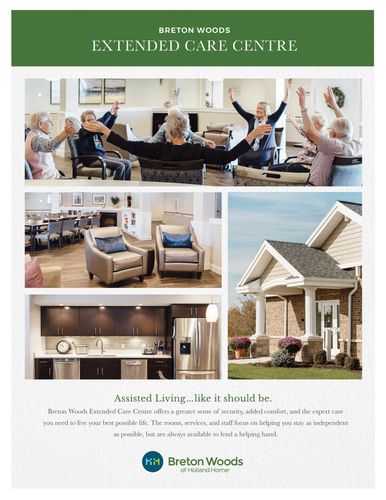
Evaluating local choices requires looking past marketing materials to examine how a facility manages its state-funded roster. Locations like Medilodge of Grand Rapids and Holland Home-Breton Extended Care Centre maintain distinct operational histories regarding their intake procedures for state aid recipients. Visiting multiple sites helps relatives gauge the practical environment and observe daily resident interactions firsthand.
Comparing admission criteria side by side reveals which locations align best with a senior's specific medical needs and financial profile. Certain environments focus heavily on rehabilitation services while others prioritize long-term custodial support. Documenting these operational differences ensures families select a setting that accommodates both clinical requirements and state funding stipulations seamlessly.
How Local Guidance Shapes Decisions
Navigating the intricacies of state-funded senior care involves managing numerous administrative agencies and individual facility policies simultaneously. An experienced advisor helps relatives interpret complex financial eligibility rules and identify which local properties have realistic openings for state-supported residents. This localized perspective saves weeks of independent research and prevents costly missteps during the application phase.
Having an informed partner makes the transition smoother for everyone involved in the care journey. Relatives who wish to explore these local options and understand the practical steps ahead can talk it through at any time.
Our Grand Rapids directory keeps expanding as we evaluate providers for quality and alignment in 2026. Reach out for a conversation about medicaid in Grand Rapids, or look through the communities we have vetted at your own pace.