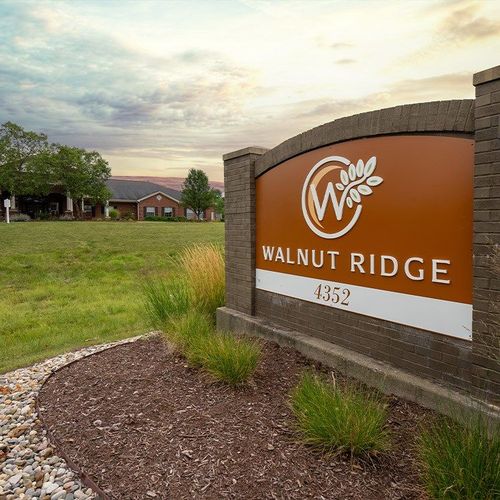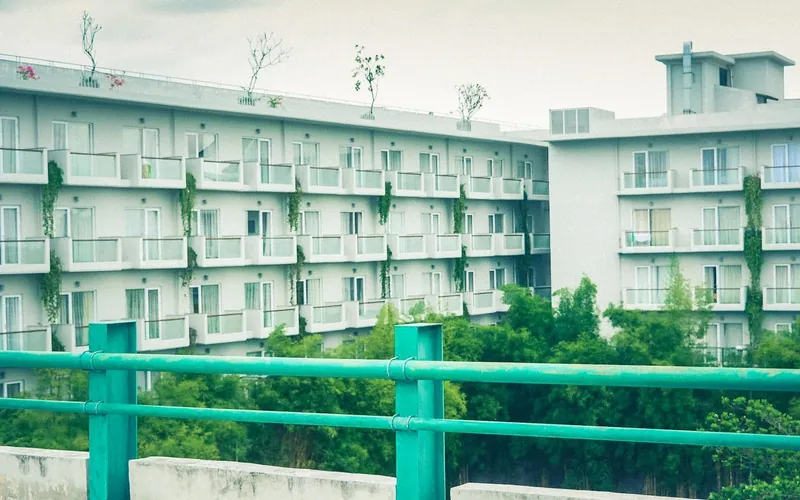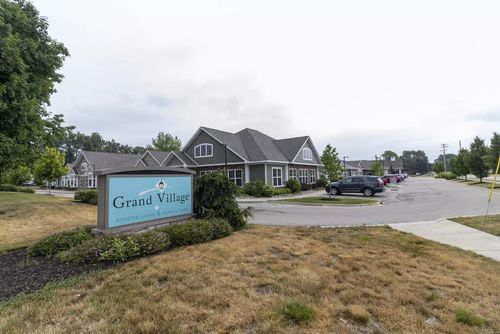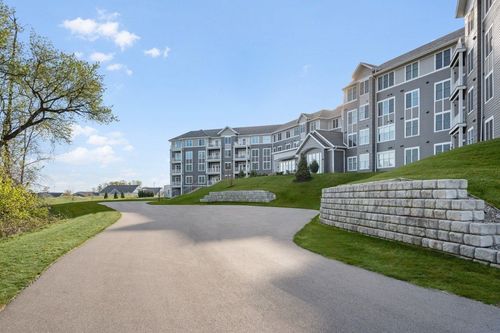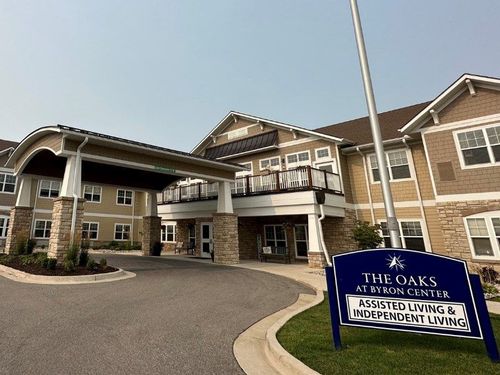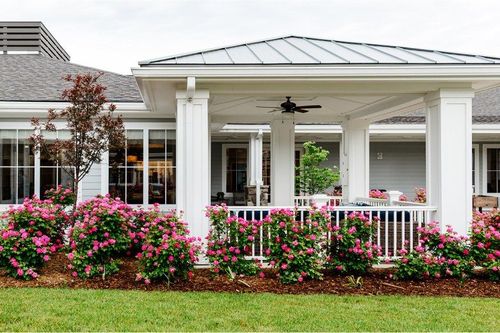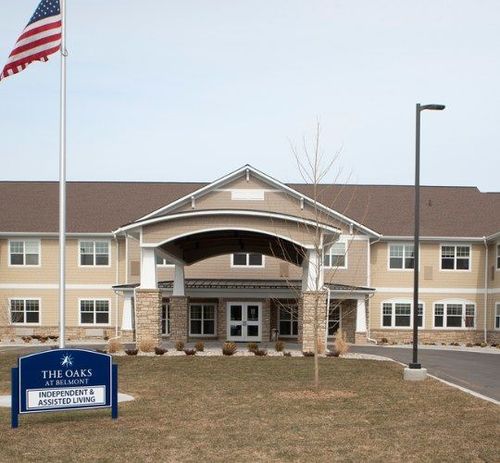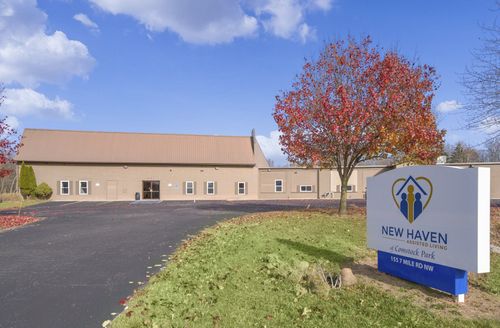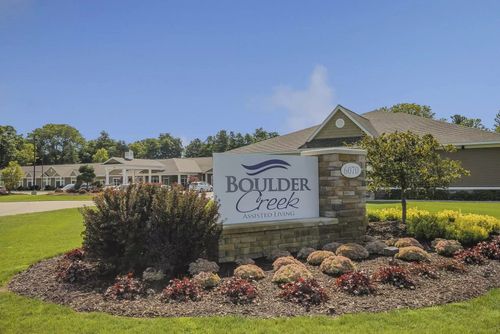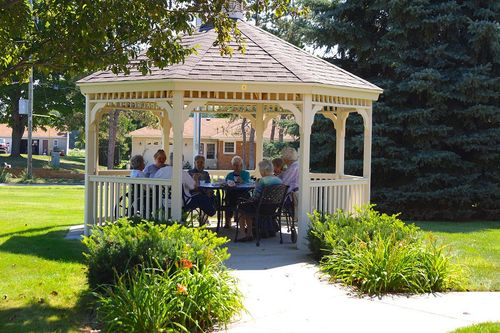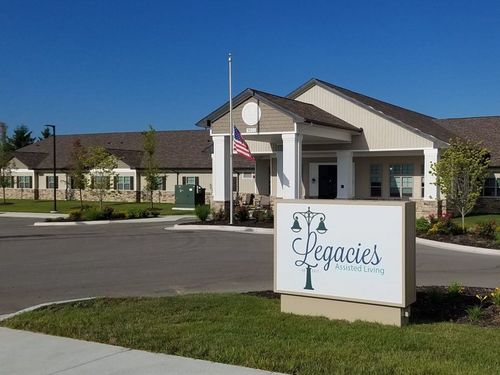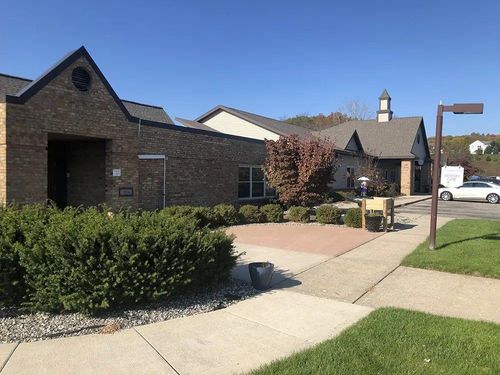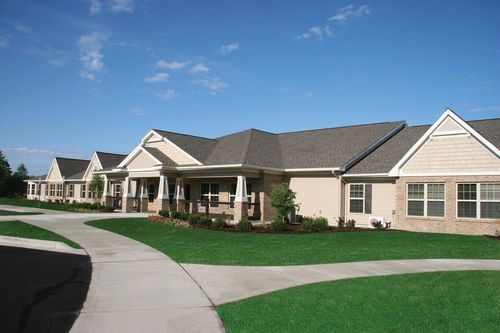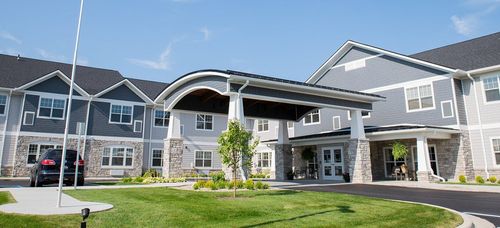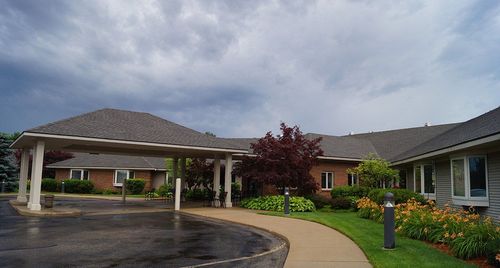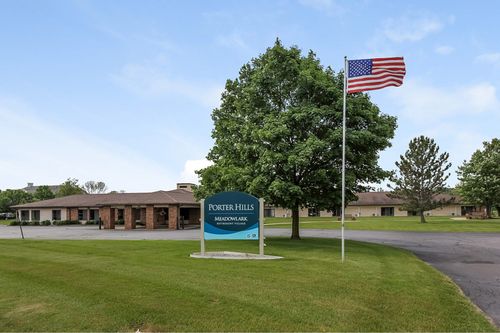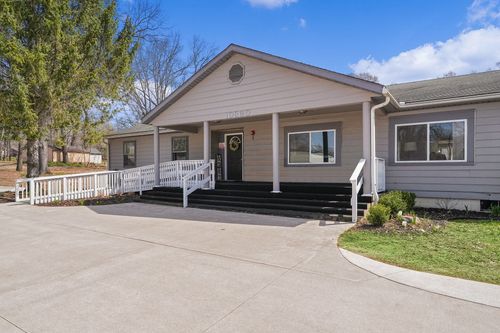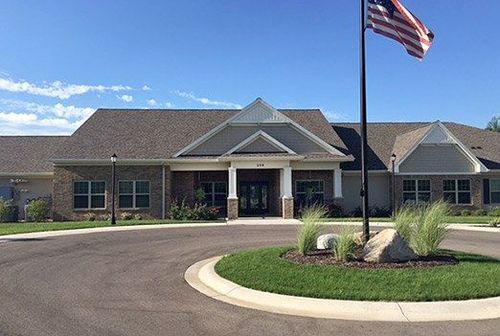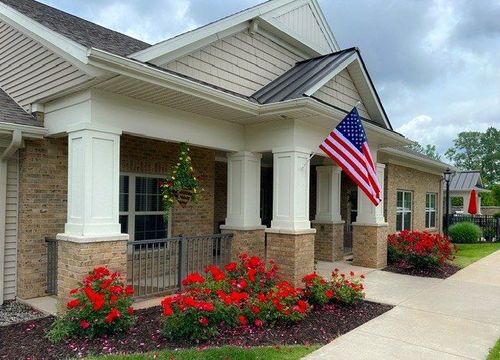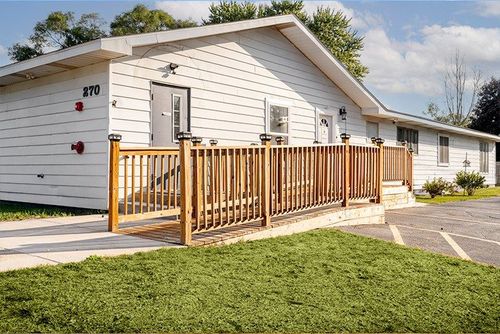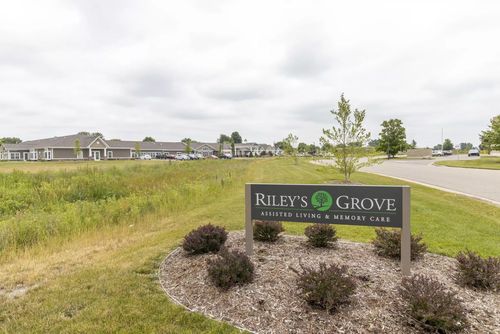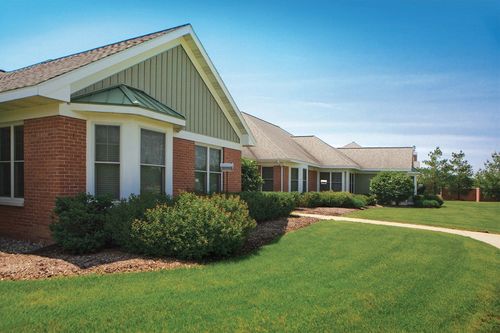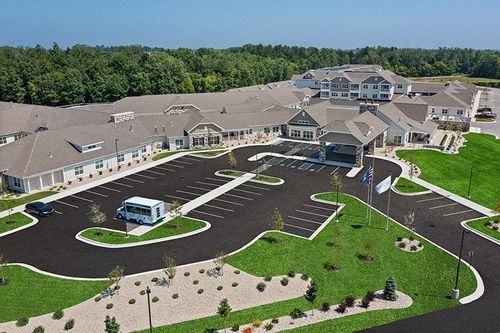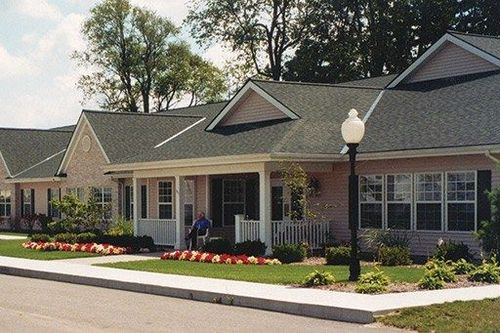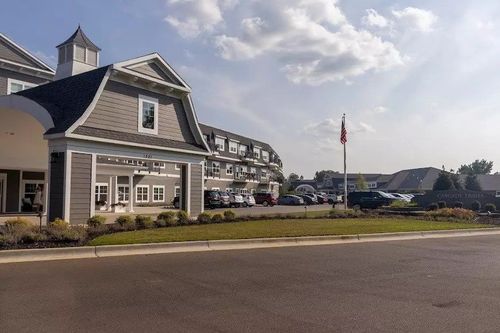

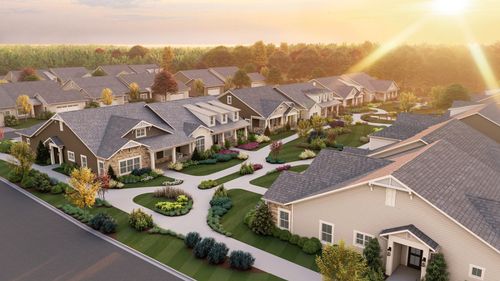
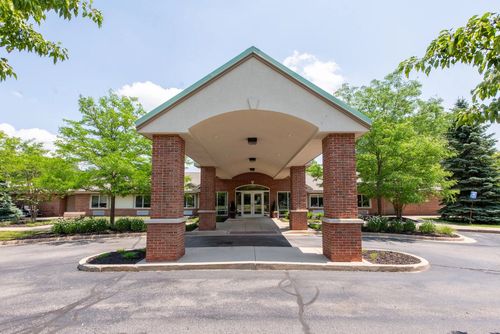
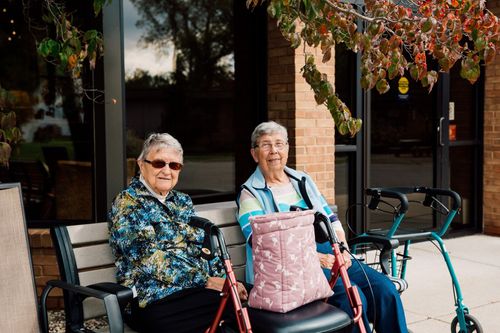
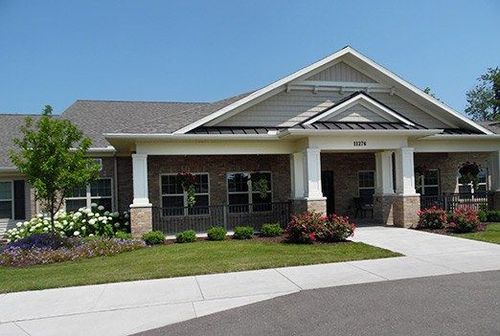
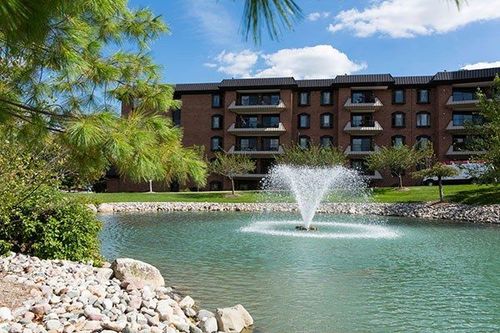
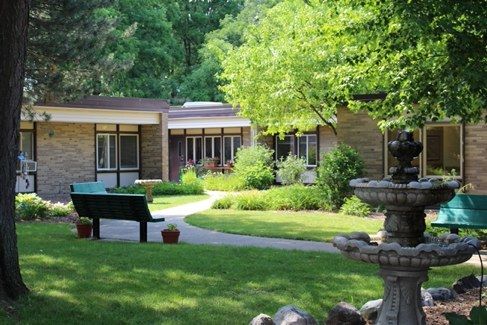


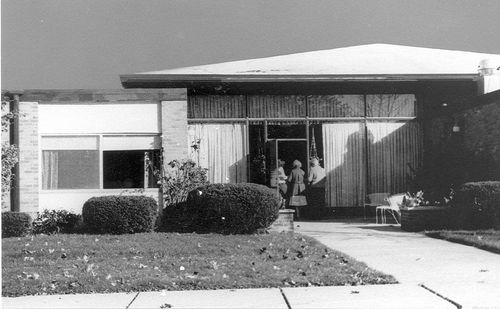
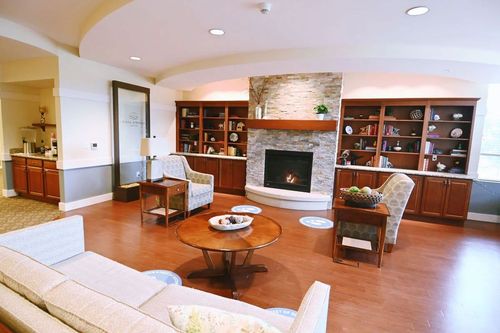
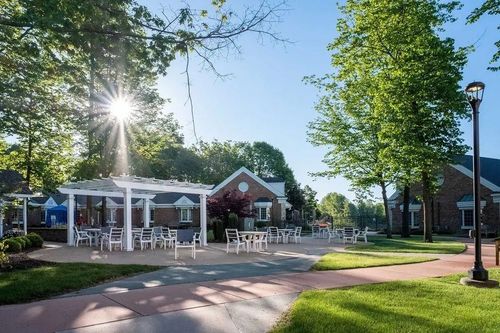

Grand Rapids operates a handful of dedicated memory care environments across Kent County, supporting families who navigate progressive cognitive loss. These specialized settings range from intimate home-like layouts holding sixty-five beds to larger regional campuses scaling up to one hundred twenty beds. Regional options balance specialized environmental safety with distinct architectural designs, featuring both dedicated standalone buildings and secured specialized wings attached to broader senior campuses.
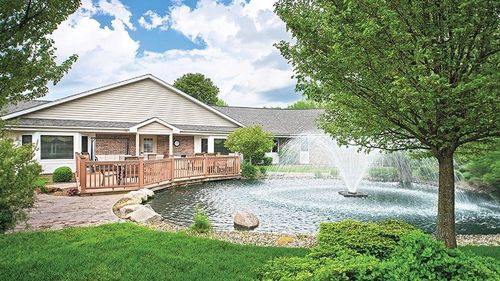
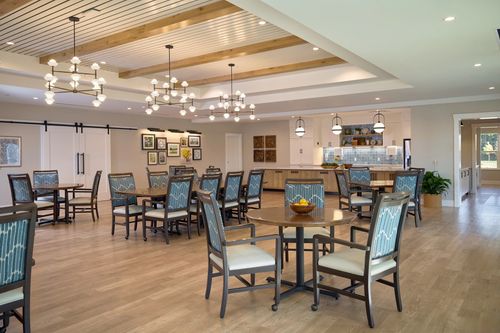
Finding the right physical layout depends heavily on how a relative responds to wide open spaces versus smaller corridors. Local choices vary in how they integrate outdoor access, secure interior looping paths, and localized dining rooms. Families often discover that these structural variations profoundly shape daily comfort.
Daily Support and Structured Routines
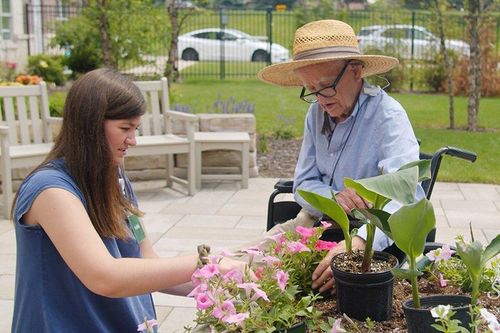
Caregivers in these local facilities manage customized daily schedules designed to minimize confusion and reduce agitation for residents. Morning routines focus on gentle waking assistance, personalized grooming cues, and familiar communal breakfast settings. Staff members guide individuals through structured tactile tasks, music sessions, and cognitive engagement exercises tailored to remaining functional abilities.
Quiet afternoon hours provide necessary sensory relief, helping residents decompress before evening meals and wind down for sleep. Staff presence remains consistent throughout the day and night to redirect wandering behaviors and provide physical support with mobility. Every planned interaction aims to preserve personal dignity while maintaining a secure perimeter.
Monthly Expenses in the Local Market
Regional monthly fees for secure cognitive support span from $3,960 to $4,950 depending on the specific campus chosen. Commonwealth Senior Living at Grand Rapids lists starting rates at $3,960 per month, serving as an accessible baseline for local families. Commonwealth Senior Living at East Paris positions its entry point higher at $4,950 per month, reflecting distinct campus features and location attributes.
Other regional choices fall directly inside this financial span, such as Holland Home Raybrook Manor starting at $4,200 per month and Medilodge of Grand Rapids beginning at $4,500 per month. Financial planning requires evaluating whether base rates cover tiered medication management or specialized physical assistance. Families must review itemized fee schedules carefully before signing local residency agreements.
Regional Demand and Family Needs
Growing local demand across West Michigan places consistent pressure on available secure residential slots in the area. Adult children frequently seek placement when home care strategies no longer guarantee physical safety during nighttime hours. Facilities throughout the metropolitan area experience steady inquiries from families living across Grand Rapids and neighboring suburban townships.
This regional necessity drives a continuous search for environments where trained personnel outnumber standard assisted living ratios. Waiting lists can fluctuate based on seasonal shifts in local hospital discharges and caregiver burnout rates. Early touring remains critical for securing a preferred room configuration.
Evaluating Physical Design and Environment
Choosing a secure residence involves assessing whether a standalone building or a secured wing inside a larger community fits the individual best. Standalone properties offer closed loop wandering paths where every door leads back to supervised communal areas. Secured wings within larger facilities grant access to broader campus grounds while maintaining locked perimeter boundaries at all main entry points.
One local location within this group accommodates pets, adding a familiar domestic element for animal-loving residents. A few regional communities accept Medicaid support, though timing applications correctly requires careful coordination with financial advisors. Families evaluate these operational policies alongside physical layouts to determine long term compatibility.
Navigating Local Placement Decisions
Local advisors assist families by tracking real time availability across these specific regional facilities and explaining complex payment transitions. Understanding when to initiate Medicaid conversations prevents severe financial bottlenecks during long term care planning. Advisors also review hospital discharge paperwork to ensure chosen environments possess the correct licensing level for advanced behavioral needs.
Matching bed count and wandering security to a relative's specific stage of dementia remains the core objective of local consultation. When you feel ready to explore these regional choices, we suggest a short conversation to talk it through.
Our Grand Rapids directory keeps expanding as we evaluate providers for quality and alignment in 2026. Start the conversation about memory care in Grand Rapids, or look through the buildings we cover at your own pace.