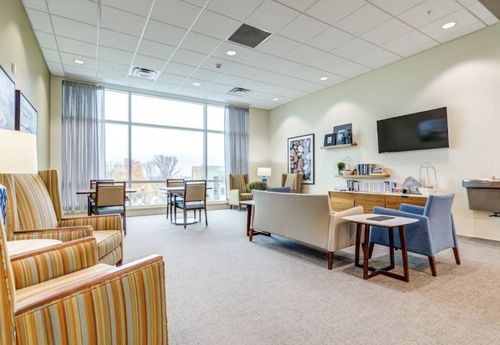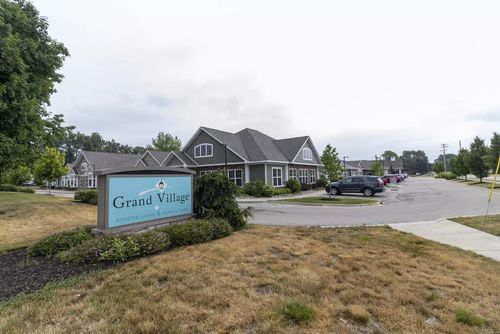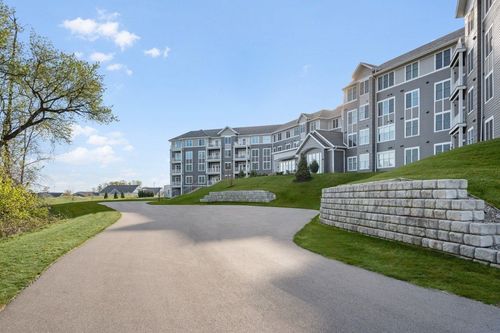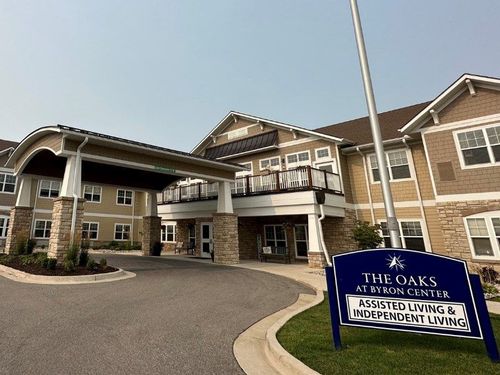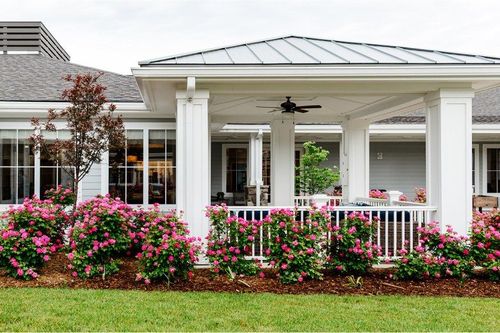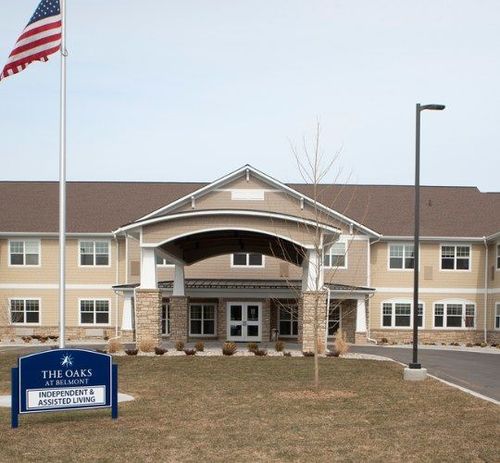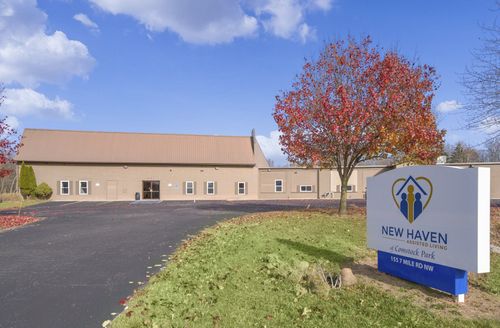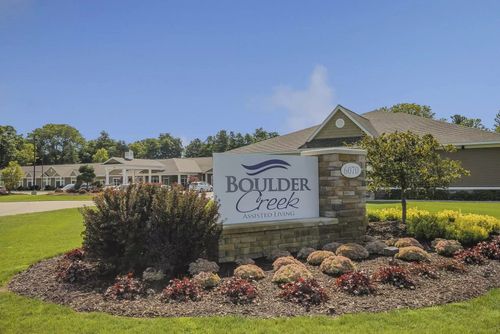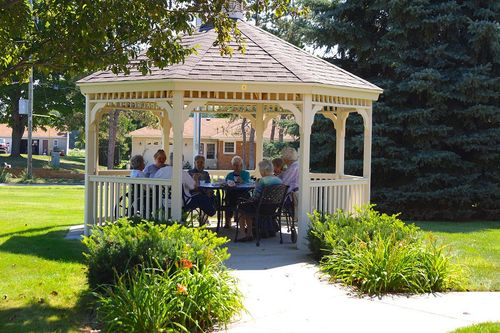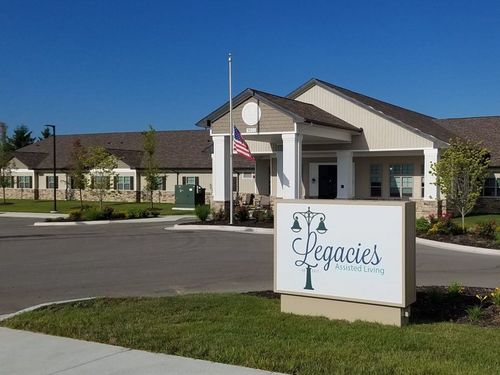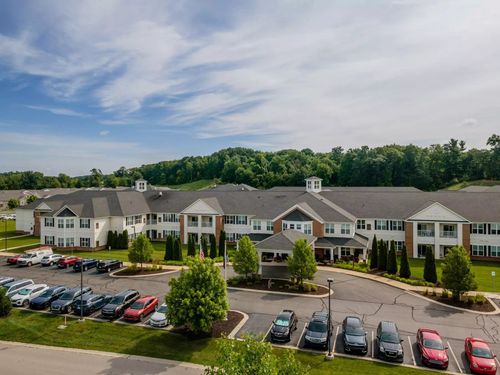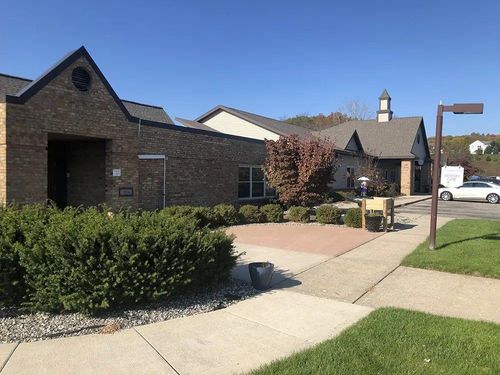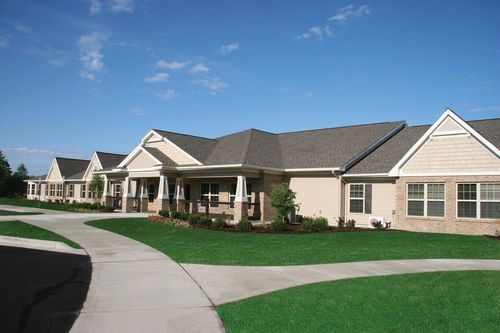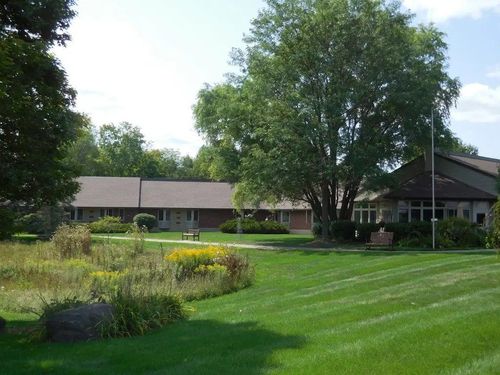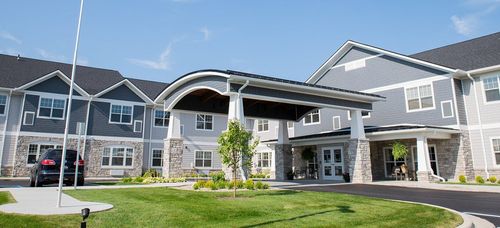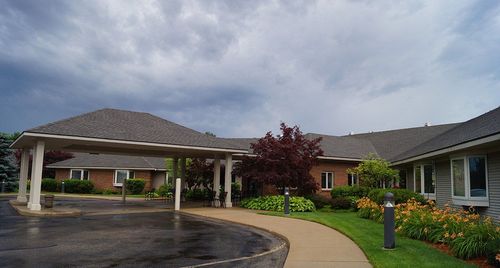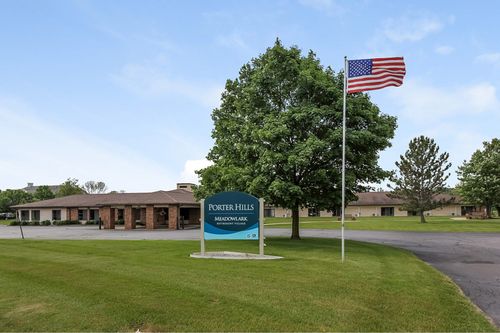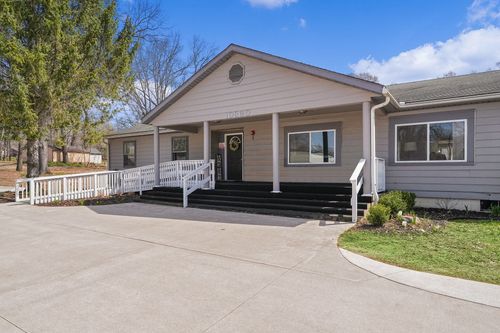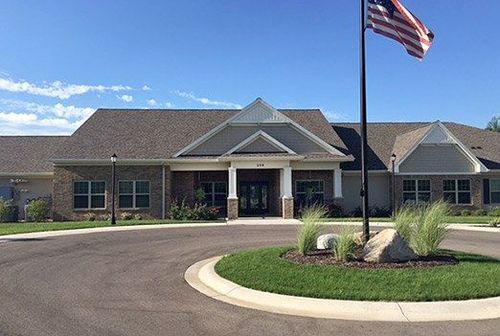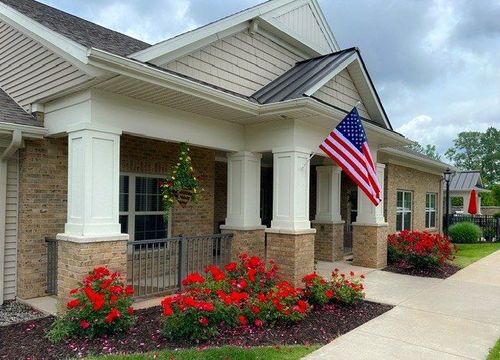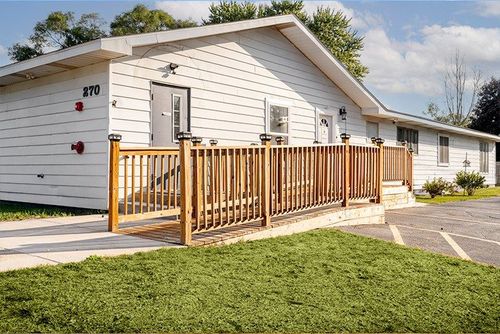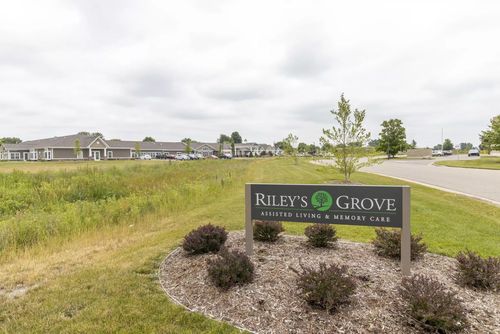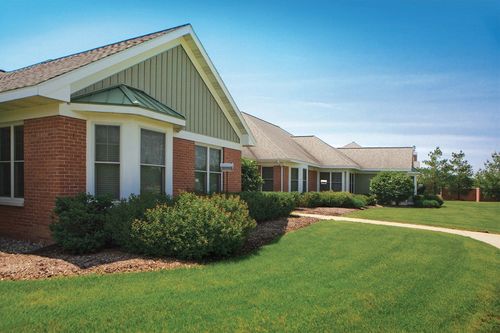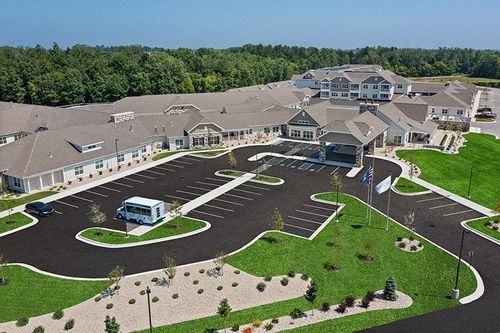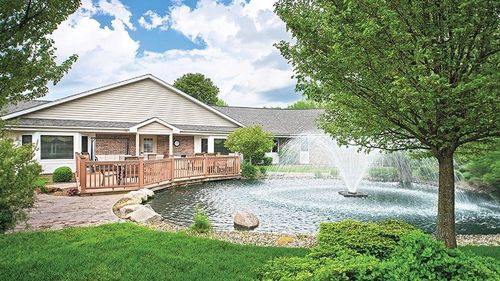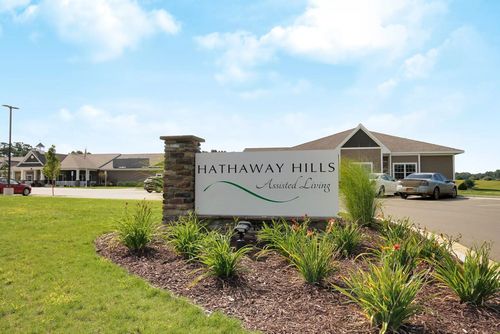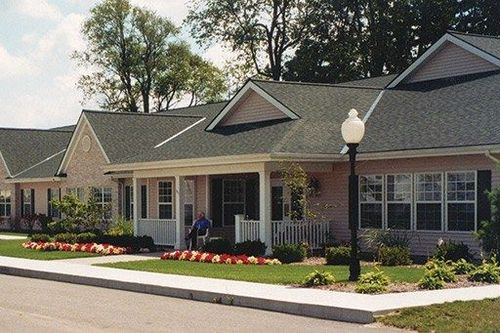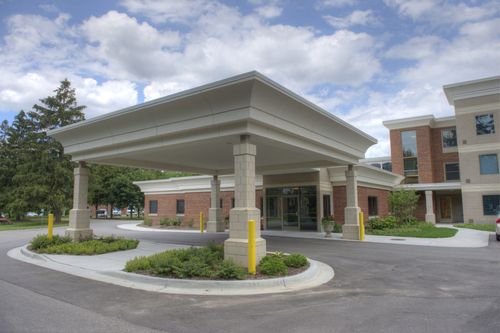

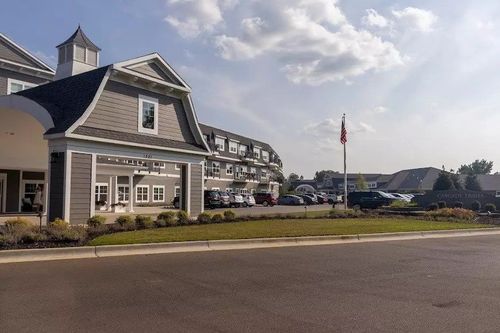

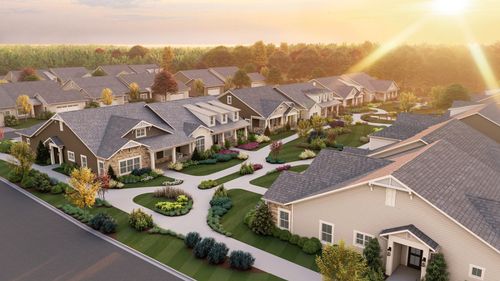
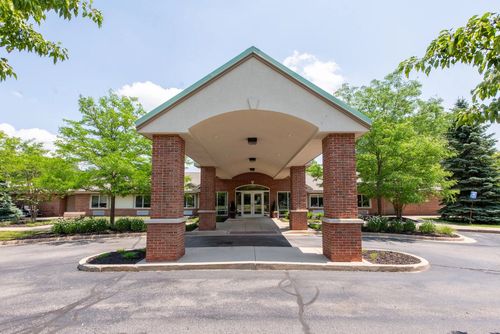
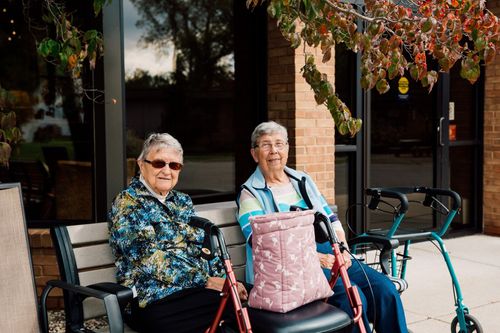
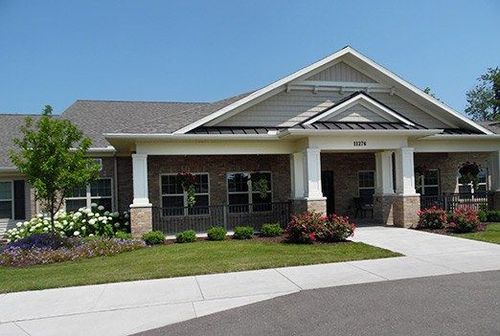
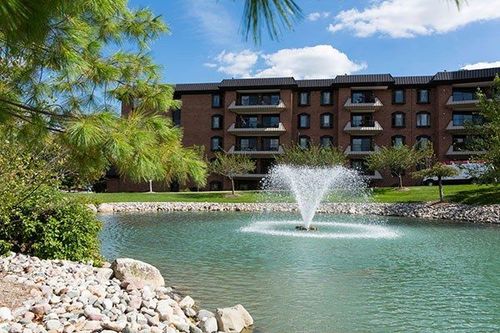
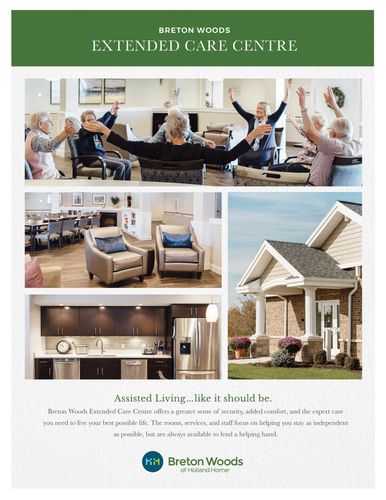
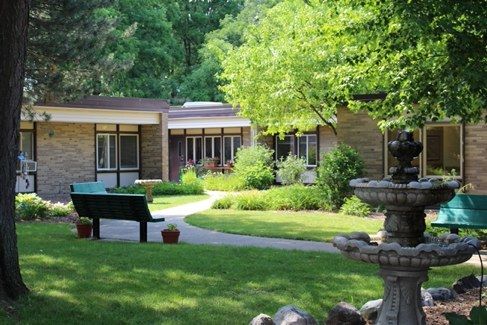


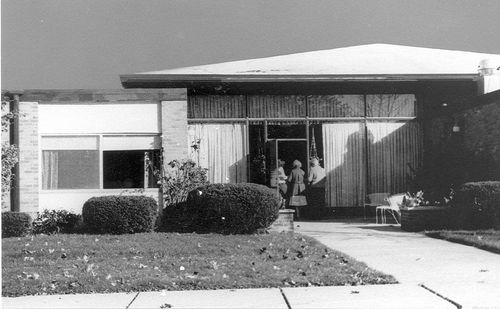
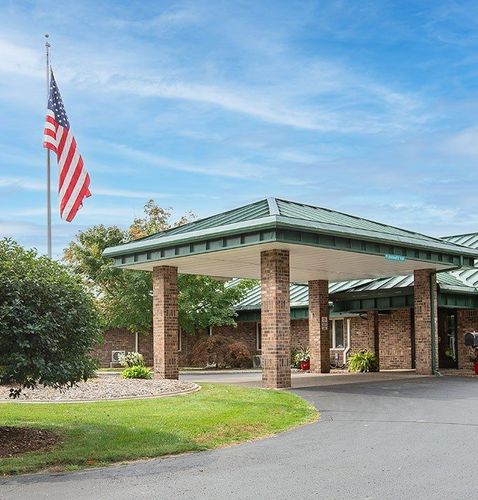
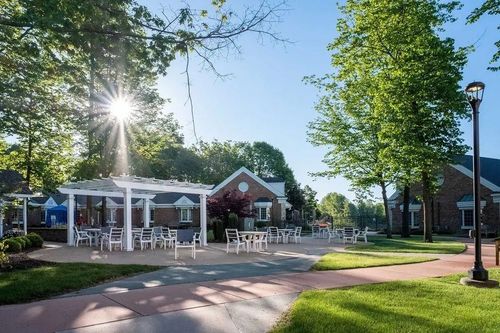

Grand Rapids features more than ten licensed assisted living communities spread across Kent County neighborhoods from Heritage Hill to the East Beltline corridor. Local families navigating this region find choices ranging from intimate residential settings housing thirty-five residents up to expansive campuses accommodating one hundred twenty individuals. The municipal geography shapes how older adults transition between neighborhoods as their health needs evolve over time. Proximity to medical anchors like Corewell Health Butterworth Hospital and Mercy Health Saint Marys dictates where many relatives prefer to establish a permanent residence. Winter weather patterns across West Michigan also influence architectural choices, prompting demand for indoor corridors and enclosed garden walkways rather than exposed outdoor pathways between residential blocks. Navigating these local variations requires understanding how specific neighborhood layouts match individual mobility levels and daily routines.
Daily Rhythms and Personal Care Within the Neighborhood
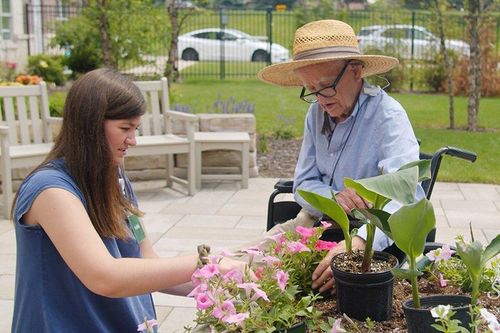
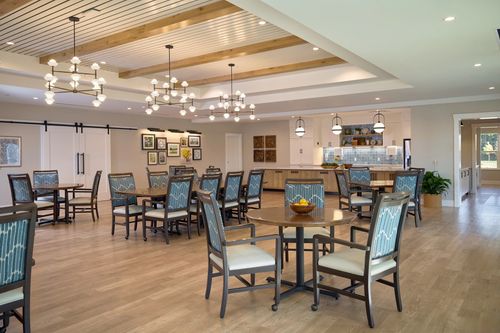
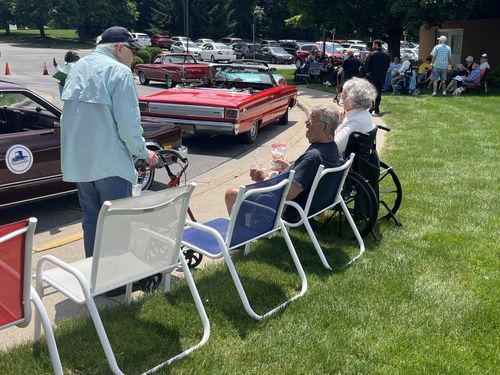
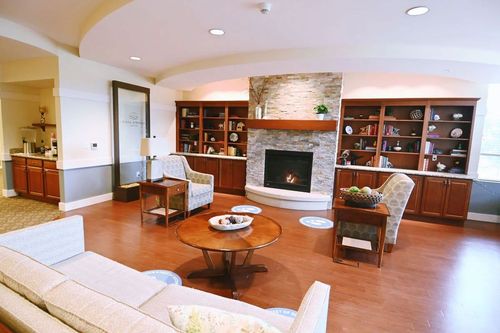
Assisted living daily routines in this region blend personal independence with scheduled clinical touchpoints tailored to individual mobility thresholds. Staff members assist residents with morning transitions, medication management, and nutritional support in communal dining rooms overlooking regional parks or urban courtyards. Residents often take part in local coffee clubs, card tournaments, and gentle movement classes designed for varying physical capabilities.
Support structures adapt seamlessly as individual needs shift from minimal oversight to intensive personal care. Several community environments welcome household companion animals, allowing a few residents to keep familiar pets nearby under specific guidelines. Meal preparation emphasizes regional dietary preferences, incorporating local ingredients and accommodating specialized nutritional plans without disrupting personal dignity.
Financial Realities Across Regional Options
Monthly costs for assisted living in this Kent County marketplace generally range from $3,727 to $5,493 depending on the tier of clinical support required. Specific entry figures vary across local providers, with Commonwealth Senior Living at Grand Rapids starting near $3,960 per month, while locations like Aquinata Hall begin around $4,200 per month. Further out along the eastern suburbs, Cascade Trails Senior Living lists starting rates near $4,600 per month, and Commonwealth Senior Living at East Paris begins closer to $4,950 per month.
Financial planning must account for base room charges separate from tiered medication management or physical therapy additions. Several regional locations accept Medicaid waiver allocations to assist long-term residents who qualify financially after private funds diminish. Families benefit from mapping out projected multi-year expenses rather than focusing solely on the initial move-in base figure.
Local Demographics and Housing Pressures
An aging population throughout West Michigan drives steady local demand for assisted living slots that balance urban access with quiet suburban surroundings. Adult children balancing careers and their own children often look for nearby facilities to maintain frequent family visits without extensive highway travel. This regional concentration means desirable local beds fill quickly during peak seasonal transitions in spring and autumn.
Neighborhood familiarity plays a massive role in where older adults choose to relocate within Kent County. Remaining close to lifelong churches, local grocery markets, and established social groups helps mitigate the emotional friction of leaving a longtime family home. Consequently, demand remains exceptionally high for residences positioned along major transit arteries connecting Grand Rapids to neighboring suburbs like Ada and Grandville.
Why Relatives Choose Regional Community Living
Families turn to assisted living in this area when managing household maintenance, grocery shopping, and complex medication schedules becomes overwhelming for an aging parent. Instead of isolated home isolation, residents gain a built-in community where regular social interaction prevents loneliness and cognitive decline. The presence of trained medical personnel on site offers immediate peace of mind that emergency response is instantaneous day or night.
Relocating to a structured community also relieves adult children from the draining role of round-the-clock caregiver, restoring a balanced familial relationship. Clean, accessible apartments combined with prepared dining eliminate daily household chores that frequently cause physical strain or nutritional deficits. This environment ultimately preserves a high quality of life while ensuring safety standards remain consistently monitored.
Navigating Local Transitions With Professional Guidance
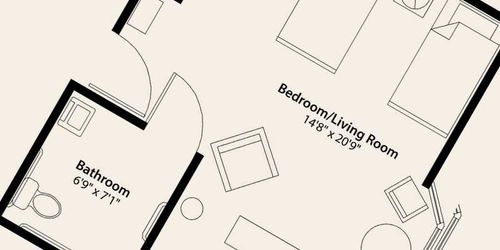
Local advisory support helps families evaluate current community openings, anticipate Medicaid waiver timing rules, and coordinate safe hospital discharge transitions. An experienced local specialist reviews physical building layouts against an elder's specific walking ability or memory support requirements to ensure a proper match from day one.
Every transition carries unique logistical hurdles that benefit from clear, objective local knowledge and transparent regional pricing comparisons. Families facing these pivotal choices can talk it through during a short conversation to map out the next steps with clarity.
Our directory for Grand Rapids continues to grow as we evaluate providers for quality and alignment in 2026. Reach out for a conversation about assisted living in Grand Rapids, or browse the communities we have vetted at your own pace.