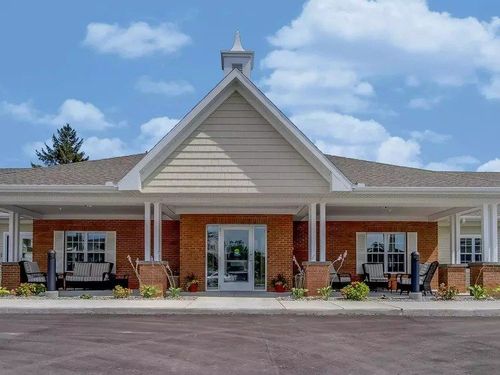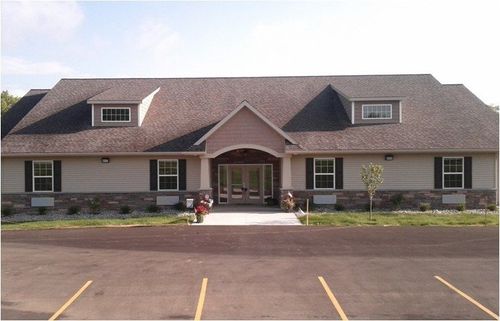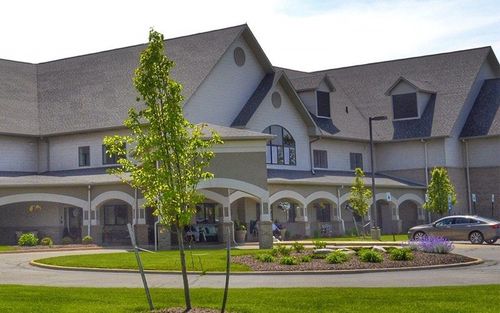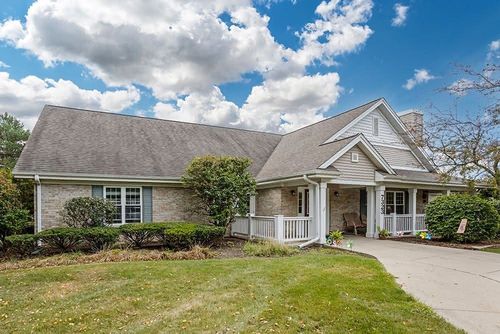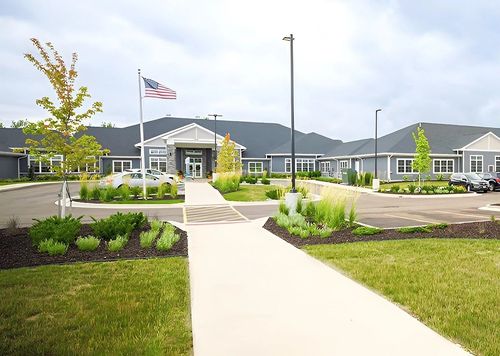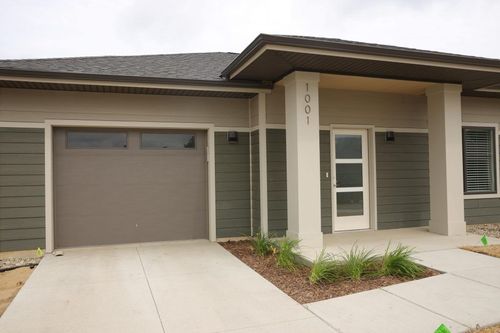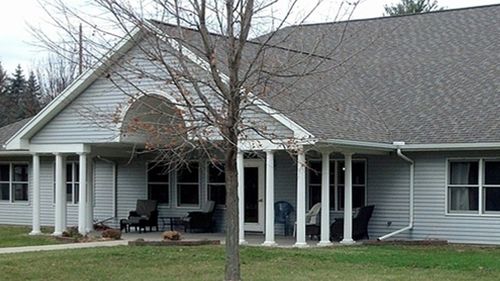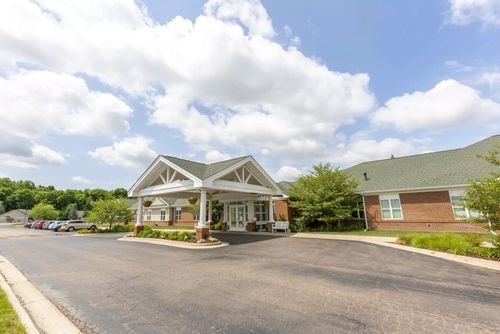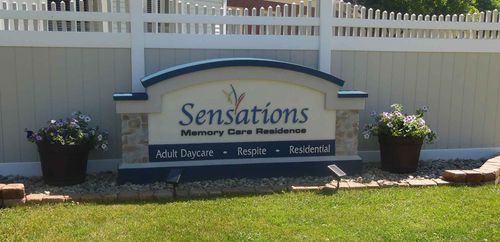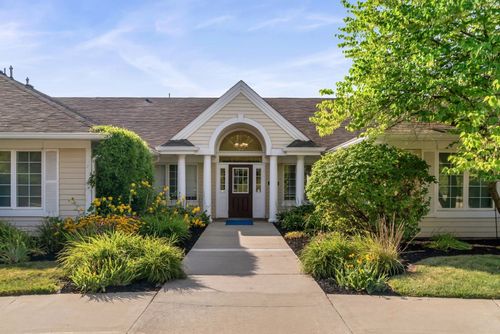

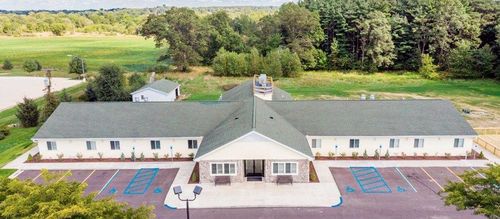
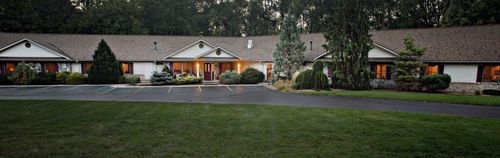
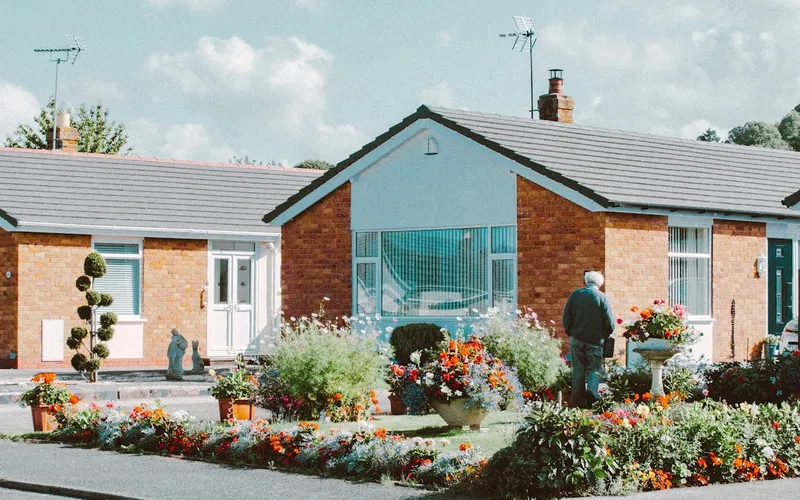
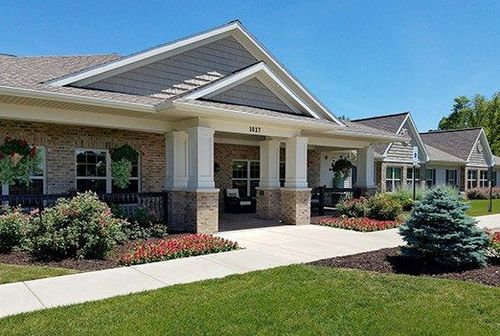
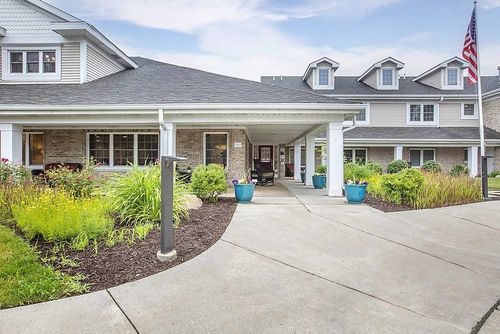
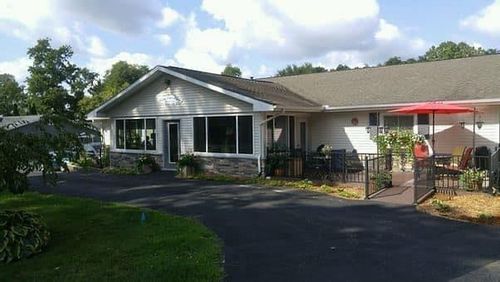
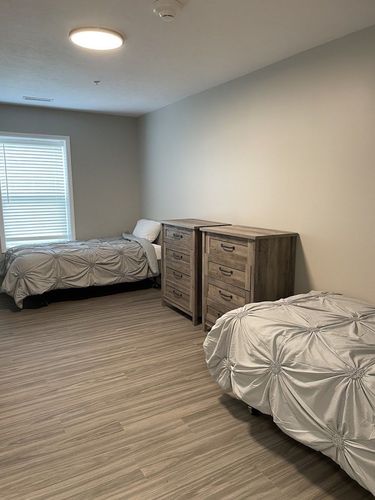
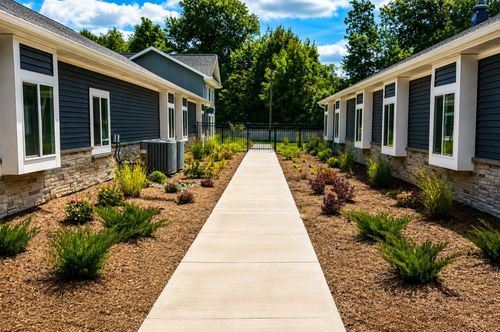
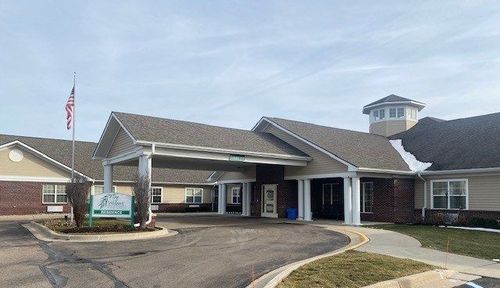
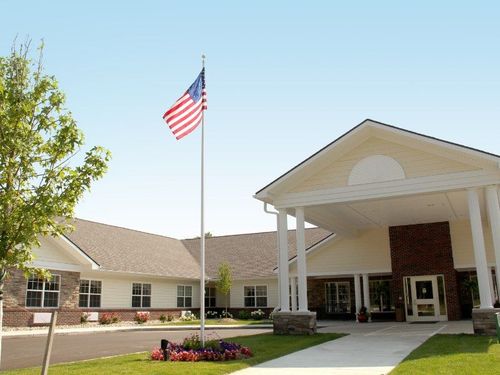
Ingham County matches families with a diverse senior care network of more than ten communities. It encompasses busy areas like Lansing and East Lansing alongside quieter communities like Williamston and Mason. This mix helps families choose between an active campus or a small environment. Local senior living here is closely connected to specialized regional medical resources, including the McLaren Greater Lansing hospital and the extensive Michigan State University healthcare network. This proximity gives families peace of mind regarding medical access. These communities do more than provide housing. They create structured environments where help is always nearby. Residents can easily balance their personal independence with necessary daily physical assistance.
Managing Your Loved One's Everyday Routine
Daily life in these communities centers on preserving independence while ensuring a reliable safety net. Caregivers assist with personal care tasks, including bathing, dressing, and managing daily medications. Staff members are available 24 hours a day to handle unexpected needs or nightly assistance.
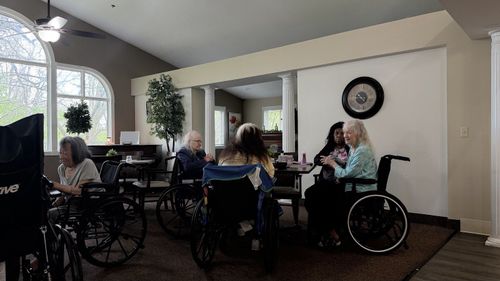
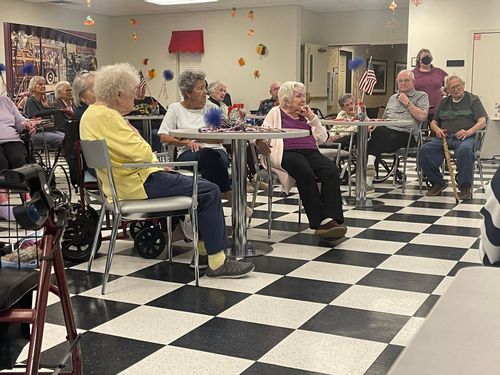
Residents gather in common dining rooms for three prepared meals each day, which turns nutrition into a social event. Individualized care plans adapt to changing physical needs without disrupting the resident's familiar environment. Scheduled group transport simplifies errands and medical visits, helping seniors stay connected to the surrounding neighborhood.
Understanding Local Senior Living Expenses
Monthly rates vary significantly based on location, apartment size, and the level of personal care required. Local pricing generally ranges from $2,500 to $5,500 per month across the county. This wide price range allows families to find a community that fits their specific budget. For example, options like Divine Nest Assisted Living start around $3,500 per month, while Burcham Hills Retirement Center II begins closer to $4,474 per month.
These base rates typically cover lodging, utilities, dining, and basic care. Extra charges may apply if your family member develops advanced physical or medical needs. A few providers in the region work with state Medicaid waivers, and a few accommodate household pets. It is important to request an itemized fee breakdown to understand what services are included in the base rate.
Local Trends in Senior Housing Demand
Demand for senior care throughout the county continues to grow as the local population ages. The presence of major universities and medical centers draws retirees who want to stay close to high-quality healthcare. This steady demand means some communities may have waiting lists for their most popular apartment styles.
Families should start researching local options early rather than waiting for a medical emergency. Planning ahead gives you more time to explore different settings and secure a spot in your preferred community. Spikes in seasonal demand often occur during winter, when home maintenance becomes too difficult for seniors living alone.
Choosing Care Within the Ingham Region
Families often choose local senior care to keep their elderly relatives close to home and familiar medical professionals. Staying in the county allows seniors to maintain long-term relationships with their local doctors and specialists. It also makes it much easier for family members to visit regularly and stay involved in daily care.
These communities provide a safe alternative to living alone, reducing the isolation that many seniors experience at home. Professional staff manage home maintenance, cooking, and security, allowing families to focus on spending quality time together. The regional transit options and community van services make it easy for residents to visit local parks and cultural venues.
How a Local Advisor Guides Your Search
Navigating local senior care options can feel overwhelming, but a local advisor helps families sort through choices to find the right fit. Advisors track available openings across more than ten local communities, from large campuses to smaller residential settings. They also provide essential guidance on Medicaid timing and transition planning if a senior is moving from a hospital setting. This assistance ensures your family member transitions safely into their new home without unnecessary delays or stress.
An advisor evaluates your loved one's specific physical needs and budget to recommend the most suitable communities. They help you understand how different locations manage changing care requirements over time. If you feel unsure about the next steps for your relative, it can be incredibly helpful to reach out and talk it through.
We keep expanding our Ingham County coverage as we evaluate providers for quality and alignment in 2026. Reach out for a conversation about assisted living in Ingham County, or look through the communities we have vetted at your own pace.