Ingham County is where the surrounding region sends people rather than where it sends people from. University of Michigan Health-Sparrow Lansing carries the area's only Level I trauma centre, and McLaren Greater Lansing opened a 240-bed replacement campus on the southern edge of the Michigan State University campus in 2022, so the county produces far more hospital discharges than its own population would.
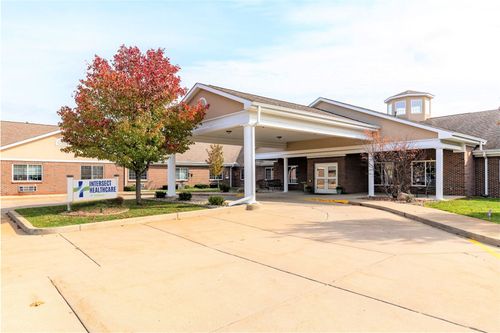
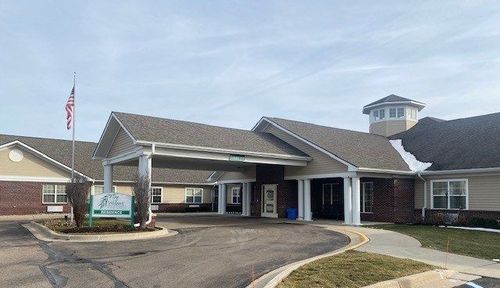
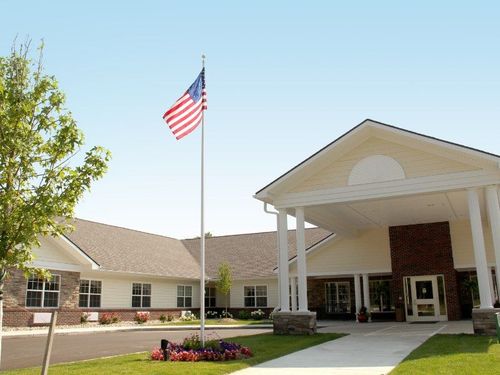
Skilled nursing here absorbs that flow, and it does so from one corner of the county: Burcham Hills Retirement Center II and The Willows at East Lansing both sit in East Lansing, with The Willows at Okemos a few minutes further east, which puts the county's skilled beds on the university side rather than beside the hospitals.
Rehabilitation at Scale
What separates this tier from every other one is licensed nursing cover through the whole twenty-four hours with a physician directing the plan, which lets intravenous medication, wound care, oxygen and complex pain management continue outside a hospital ward. The buildings here run from sixty-five beds up to a hundred and ten, large enough to support dedicated therapy space and a full therapy roster rather than a visiting therapist.
That scale is worth interrogating rather than admiring, and the question to put to each community is how many days a week therapy actually runs, because a stay that pauses every weekend takes longer to finish and Medicare is counting days throughout. Ask who reviews the plan and how often, what happens on the day therapy stops but home is not yet safe, and whether the same therapist follows a resident throughout.
Who Pays, and For How Long
Medicare is the first payer for most stays and also the shortest. It covers a capped run of days per benefit period once a qualifying inpatient admission has happened, with the opening stretch carrying no charge and a daily contribution after that, and it ends the moment a resident stops making measurable progress rather than when the day count runs out. That distinction catches families out more than any other part of this.
Michigan Medicaid is the second door, for residents who meet both a financial test and a clinical one, and Ingham County is better placed than most of the state here because a few of its skilled addresses accept it. The application carries a long lead time, so the households that avoid a coverage gap are the ones who start while Medicare is still paying rather than in the week it stops.
Why the Demand Here Is Not About Local Age
On paper this is a young county, since roughly 44,500 residents have passed 65, but that is about fifteen percent of the population, well under the Michigan figure, because Michigan State University's student body sits inside the denominator and pulls the whole average down.
Skilled nursing demand ignores all of that and follows hospital discharge volume instead, so two hospitals serving a regional catchment mean the county's skilled beds are competed for by families from several counties at once, not just by people who live here. Availability moves accordingly, and the beds rarely sit empty for long.
Minutes From the Hospital That Discharged You
Proximity does more work at this tier than at any other. A resident recovering a short drive from the hospital that treated them keeps the same specialists, the same records and the same follow-up appointments, and if something goes wrong the trip back is minutes rather than an hour of highway.
Visiting matters for the same practical reason, because a recovery that runs for weeks depends on somebody turning up often enough to notice a change in appetite, mood or mobility before the chart does, and East Lansing and Okemos sit close enough to Lansing that a weekday visit fits an ordinary evening.
Where an Advisor Changes the Outcome
The decisions at this tier are made fast, and speed is what produces the ones families regret. A local advisor can say which building has a bed on the day it is needed, whether a resident's clinical profile fits what each community accepts, how therapy is staffed, and which addresses take Medicaid if the stay runs long.
The funding sequence deserves the same attention, because knowing roughly when Medicare coverage is likely to end, what a Medicaid application requires and how long it usually takes, and what changes if a rehabilitation stay becomes permanent is what keeps a family from being surprised twice inside a month. It is worth a short conversation while the hospital is still planning, rather than on the day of discharge.
We keep expanding our Ingham County coverage as we evaluate providers for quality and alignment in 2026. Start the conversation about skilled nursing in Ingham County, or look through the buildings we cover at your own pace.