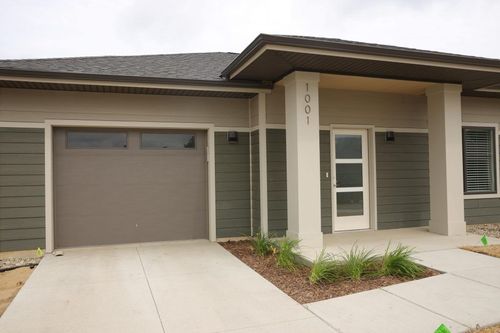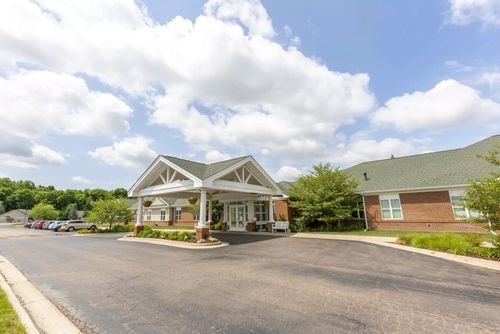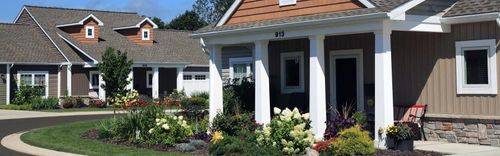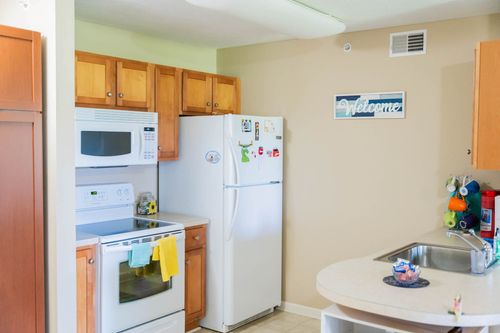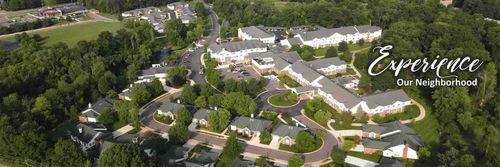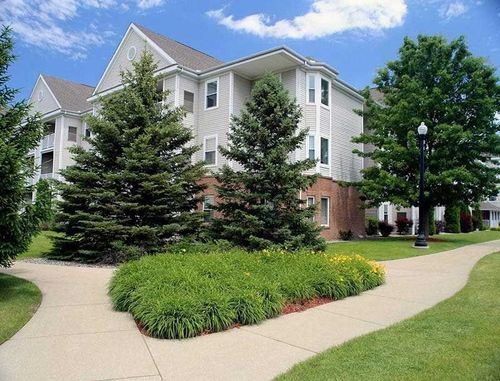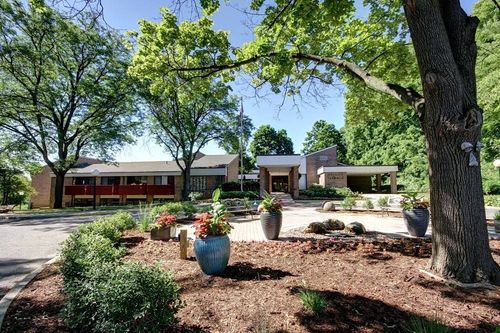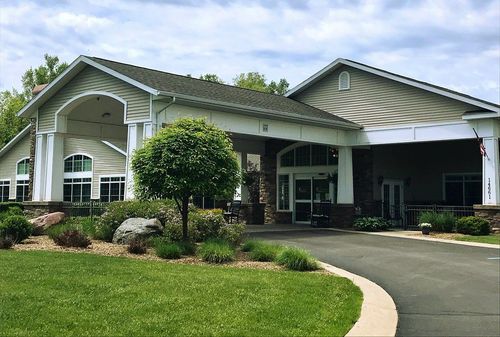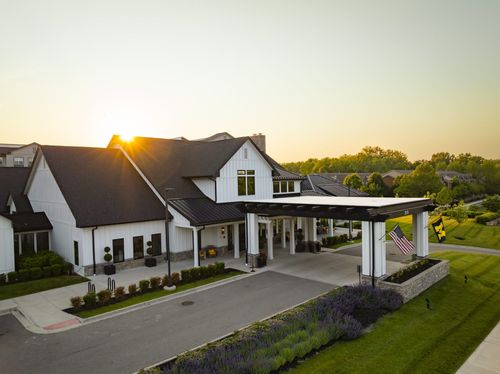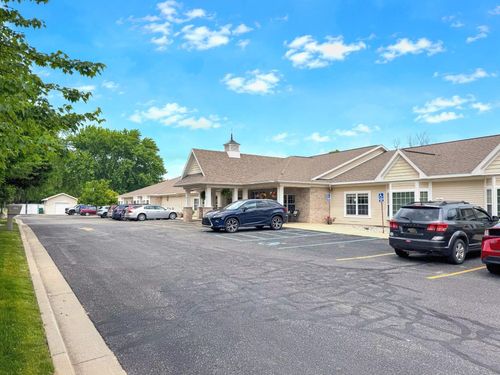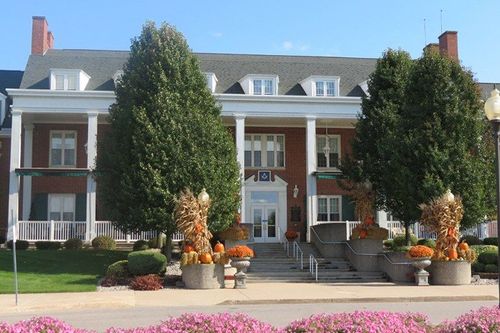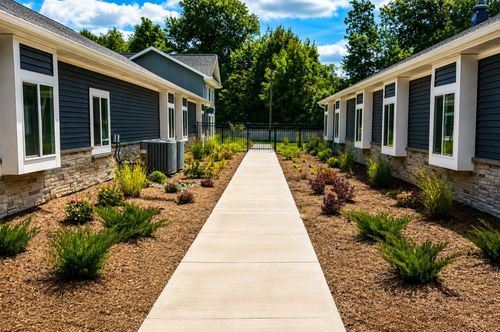
Burcham Hills Retirement Center II in East Lansing and The Oasis of Holt both run to a hundred residents or more, which makes independent living the one tier Ingham County does only at scale, and a fundamentally different proposition from the small residential homes that make up much of the county's senior living.
That size changes what the tier actually is, because a building this large can sustain more than one place to eat, a calendar with something on most days, and enough neighbours that a resident is choosing company rather than accepting whoever happens to be in the room. For somebody leaving a house they have run for forty years, that difference is the point of moving at all.
What a Hundred Neighbours Buys
The practical gain at this scale is choice rather than service. Meals run at more than one sitting, there is usually somewhere quiet and somewhere sociable, transport goes on a published schedule instead of being arranged case by case, and a resident who dislikes one activity has several others to ignore it for. Pets are welcome at more than one of these addresses, which matters a great deal to people moving out of a house with a dog in it.
What the tier does not include is care, and that boundary holds however big the building. Residents run their own prescriptions, appointments, driving and money, and nobody looks in overnight. A household already managing daily help with washing or dressing has passed what this level is built for, and the honest answer for them is the assisted living tier instead.
Budgeting a Tier Nothing Public Touches
The monthly figure follows the apartment, so ask for the schedule by floor plan rather than a headline number, and ask what a second occupant adds. Two further questions decide the real cost at campus-scale addresses, and both get missed. The first is whether an entrance fee or buy-in applies on top of the monthly rate, and if so what happens to it should a resident leave or die.
The second is what a later move to a higher level of care would be charged at, because at a building carrying several tiers that move is a likely future. Nothing public contributes at this level in Michigan, so the money comes from retirement income, savings and usually the sale of a house, which makes the timing of that sale the question worth working on first.
The Youngest County on the List
Ingham County looks young in the statistics, and the statistics are misleading. Tens of thousands of students sit inside the population base, so the proportion of residents past 65 lands near fifteen percent, a long way below the state, while the actual number of older residents is around 44,500.
The share is the misleading number here and the count is the real one. Forty-four thousand people is the largest senior population of any county in this part of the state, and independent living demand tracks the absolute figure rather than the percentage. Set that against a couple of large buildings and the front door is narrow, which is why apartments here are worth asking about a year before anybody intends to use one.
A Capital City's Services at a Township's Pace
Both addresses sit outside central Lansing while staying minutes from it, which is a combination most counties cannot offer. The region's only Level I trauma centre and a second teaching hospital are both inside the county, so specialist care of almost any kind is a short drive rather than a referral elsewhere.
The ordinary things are close too, since a capital city's library system, shops and public transport are all within reach, Michigan State opens much of its calendar to the public, and East Lansing and Holt keep the residential quiet people at this tier rarely want to trade away. Residents get the services without the traffic, which is the trade most households are actually trying to make.
Where the Waiting List Question Gets Answered
Availability is the whole game at this tier, and it is the one thing no website will show. A local advisor can say what has come free over the past year, how long the current list runs, what a deposit holds, and whether a particular floor plan turns over more often than the rest.
The other half is the long view, since both of these addresses carry higher levels of care and the question that decides a household's next fifteen years is what a move up would cost and require. None of that is urgent, which is exactly why it gets left, and where a household stands on a list is precisely what a short conversation settles.
Our directory for Ingham County continues to grow as we evaluate providers for quality and alignment in 2026. Start the conversation about independent living in Ingham County, or scan the buildings we cover at your own pace.