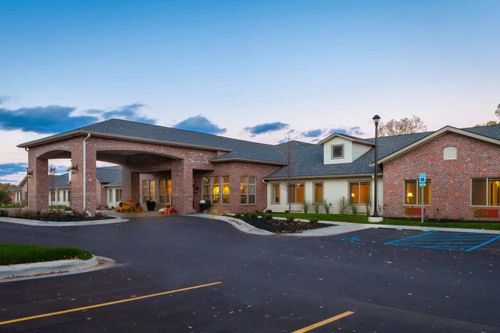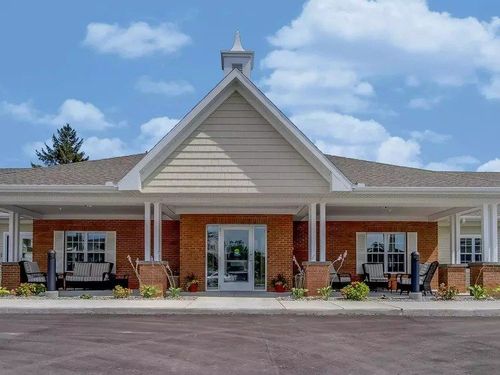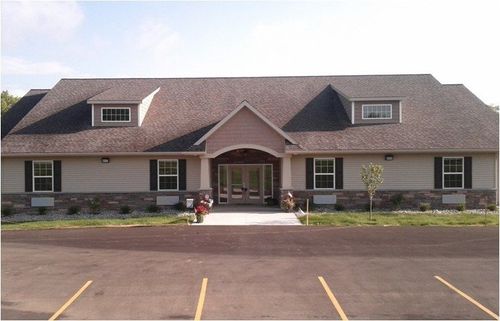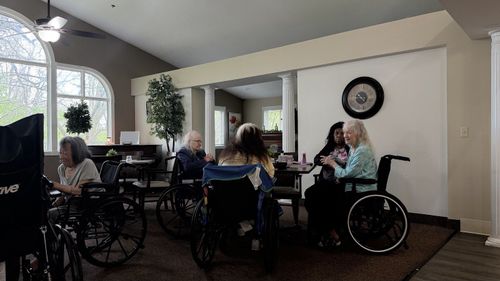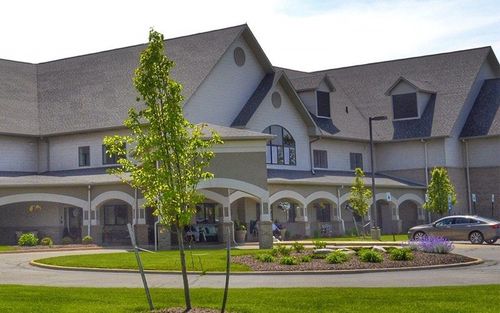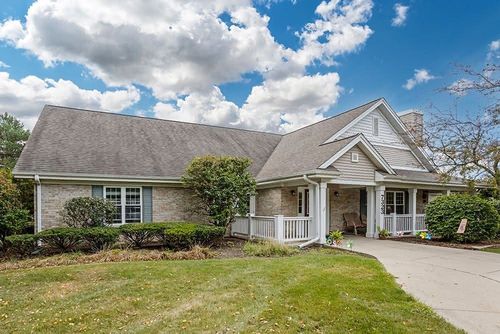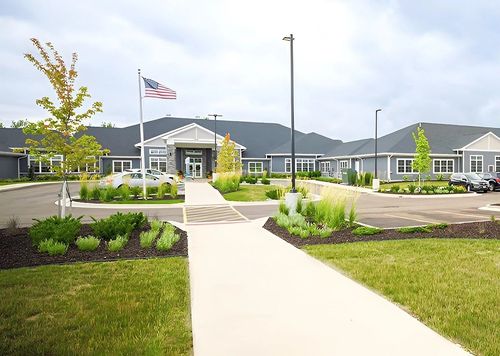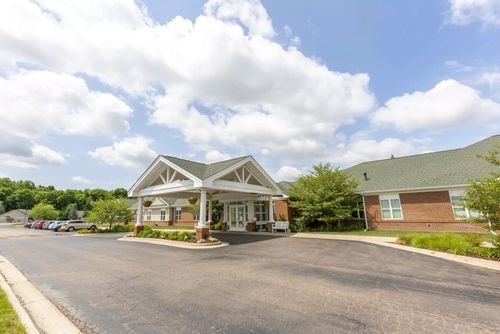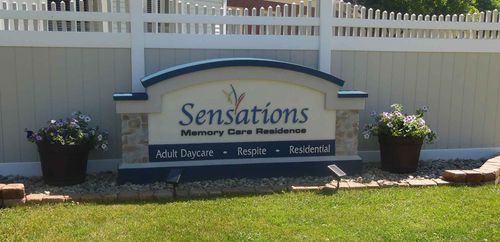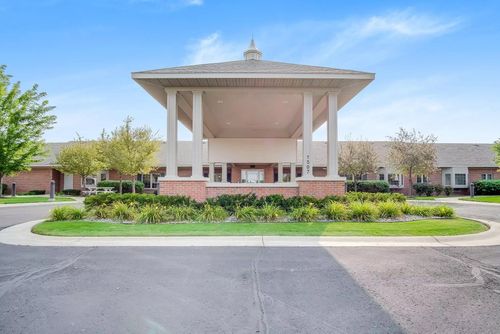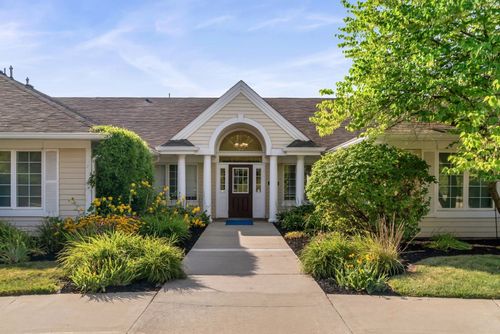

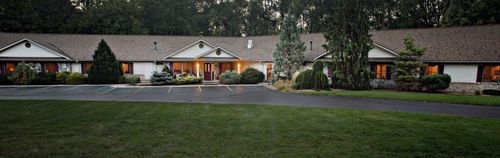
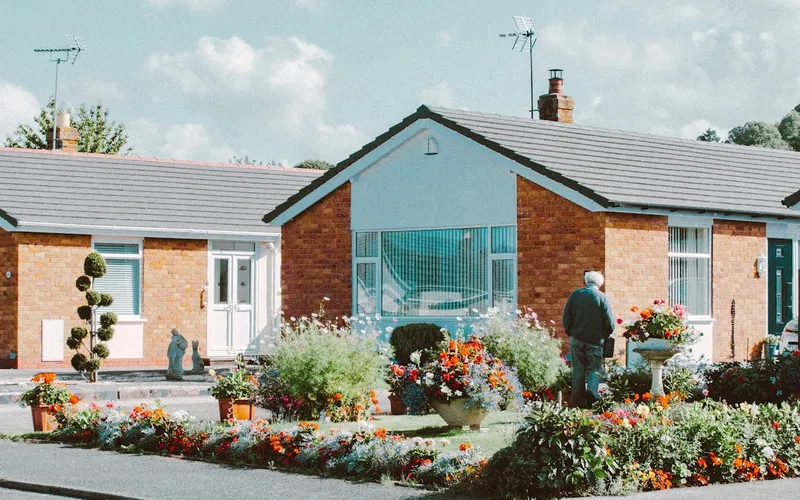
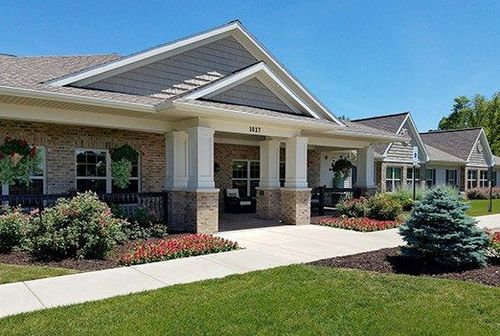
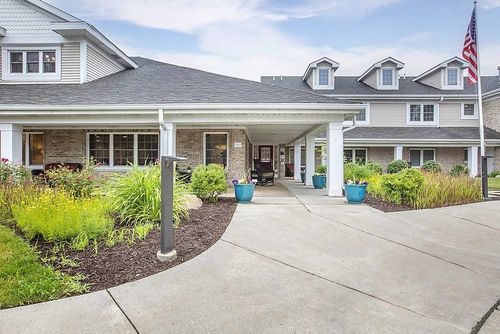
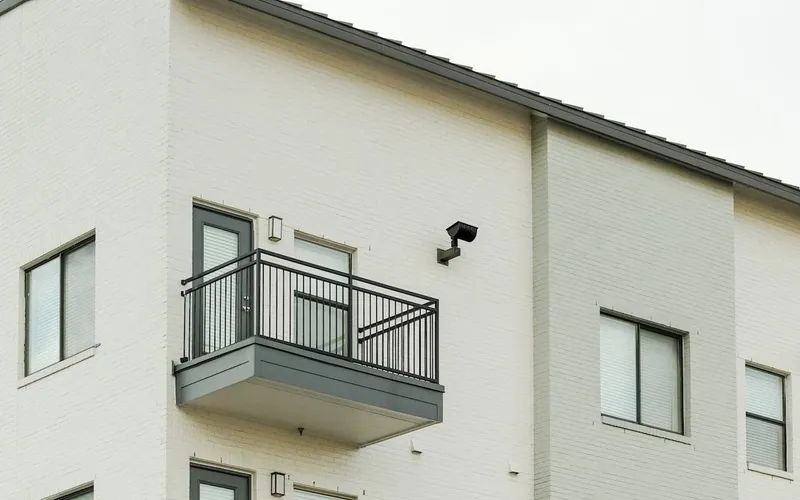
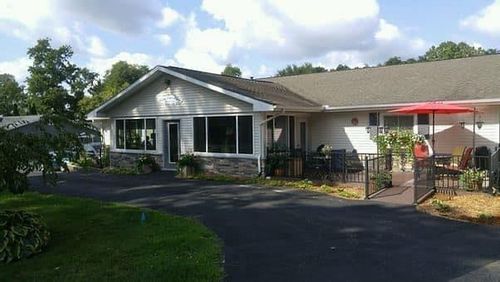
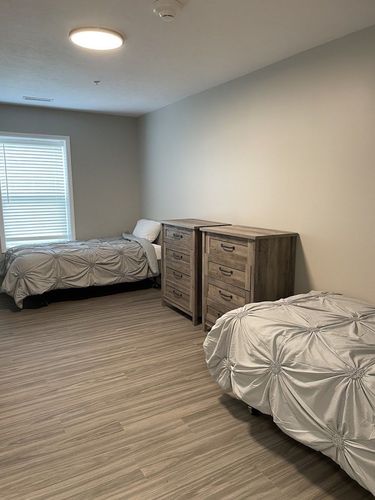
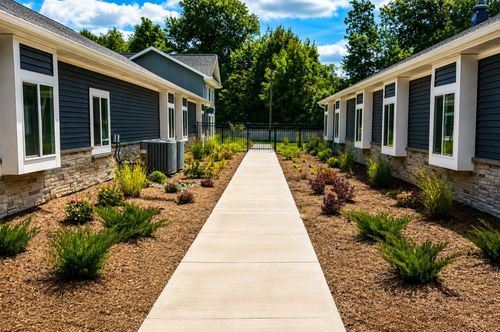
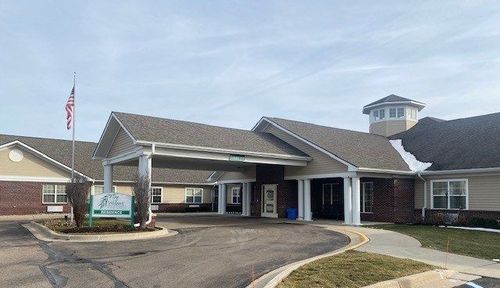
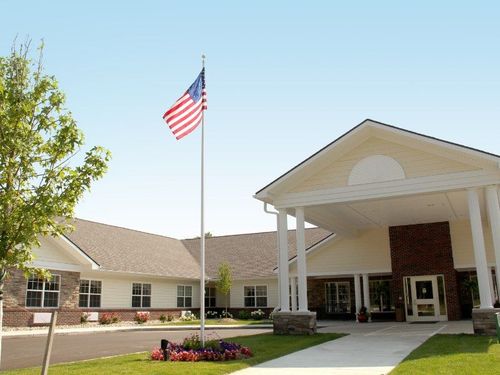
Ingham County supports more than ten residential memory care environments across Greater Lansing and surrounding townships, offering families structured settings designed specifically for cognitive impairment. Local options range from dedicated standalone buildings to specialized secure wings integrated into broader senior living campuses.
Navigating this transition requires understanding how distinct physical layouts impact daily safety and peace of mind for adult children trying to balance their own work and family obligations in the region. Choosing the right environment means looking past marketing language to see how a residence manages pacing, wayfinding, and routine.
Daily Rhythm and Specialized Engagement
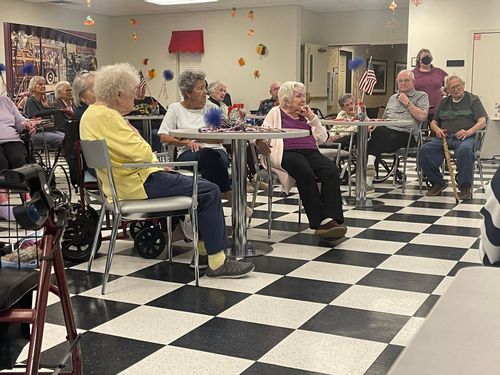
Residents experience structured daily schedules built around familiar routines, sensory stimulation, and cognitive support tailored to individual functional levels. Morning hours typically involve gentle physical movement, music therapy, and customized personal care assistance provided by trained staff.
Afternoon activities focuses on tactile tasks, creative expression, and small group interaction designed to reduce agitation and foster a sense of accomplishment. Evening hours transition into calmer, low-stimulation environments that help ease sundowning symptoms and prepare residents for restful sleep.
Local Pricing and Financial Realities
Monthly costs for memory care in Ingham County range from $2,500 to $5,500 based on the level of specialized support required and the physical setting chosen. For instance, Elder Ridge Manor II starts at $2,500 per month, while locations like Brookdale Meridian memory care begin at $5,500 per month.
Budgeting for these expenses involves reviewing private pay resources, long-term care insurance policies, and potential veteran benefits. Only a few local residences accept Medicaid, making early financial planning essential for families anticipating long-term residency needs.
Regional Demand and Family Decision-Making
An aging demographic across mid-Michigan drives steady demand for secure memory support, leading to frequent waitlists at preferred local residences. Families often begin researching options after noticing persistent memory lapses or safety incidents at home that outpace family caregiving capacity.
Proximity to major medical centers like Corewell Health William Beaumont University Hospital or local specialty clinics makes Ingham County a practical hub for families spread across the Lansing metropolitan area. Local placement helps maintain continuity of care with regional geriatricians and neurologists.
Understanding the Choice for Secure Support
Families choose local memory care when home environments no longer provide adequate safeguards against wandering or medication mismanagement. Dedicated physical boundaries and alarmed exits give relatives relief from constant vigilance, knowing trained personnel respond immediately to distress.
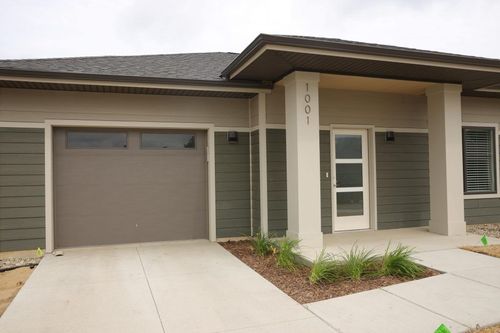
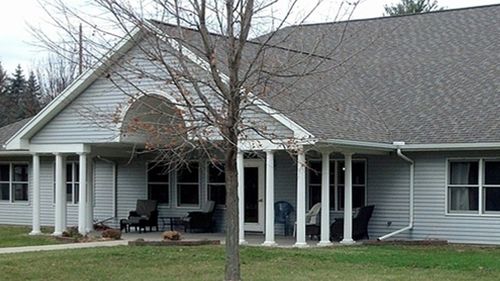
Choosing a purpose-built home versus a dedicated wing depends heavily on how a parent responds to spatial size and noise levels. Smaller homes often reduce sensory overload, whereas larger campuses offer broader physical spaces for walking while maintaining secure perimeters.
Navigating Transitions and Professional Guidance
Local advisors assist families by mapping out financial trajectories, including the precise timing needed if transitioning to Medicaid-accepting options later in the disease progression. They also evaluate discharge paperwork from rehabilitation centers to ensure a seamless handoff into the right memory community.
Evaluating building fit involves matching a resident's current mobility and behavioral patterns with the physical layout of specific local properties. When you feel ready to talk it through, reach out to explore which local environments match your family situation.
The Ingham County directory continues to grow as we evaluate providers for quality and alignment in 2026. Start the conversation about memory care in Ingham County, or look through the buildings we cover at your own pace.