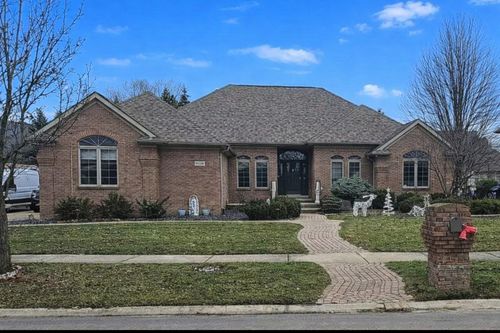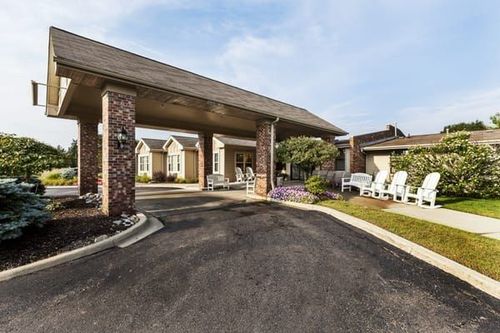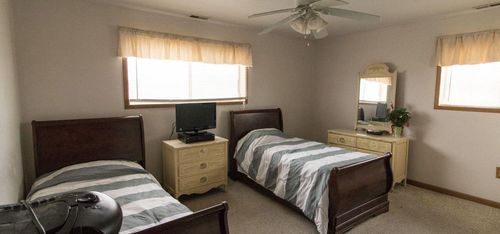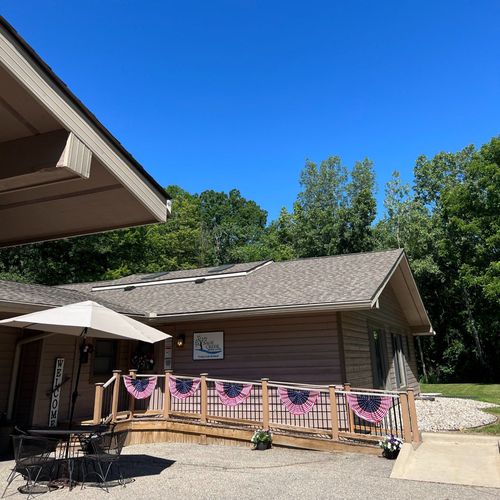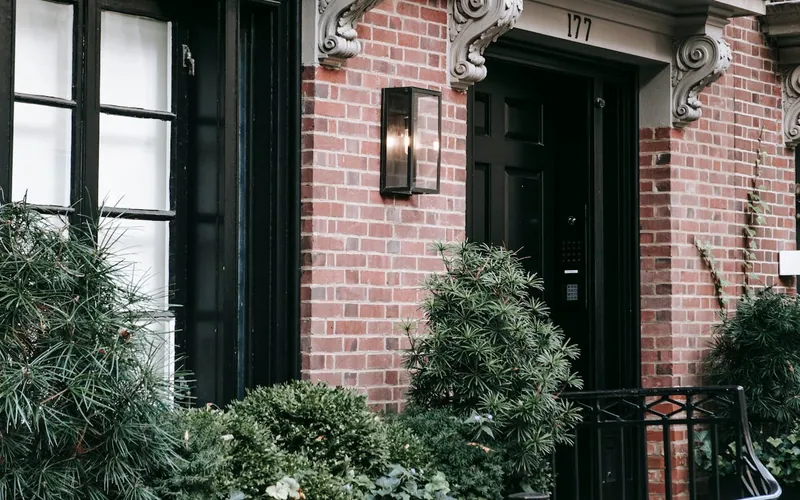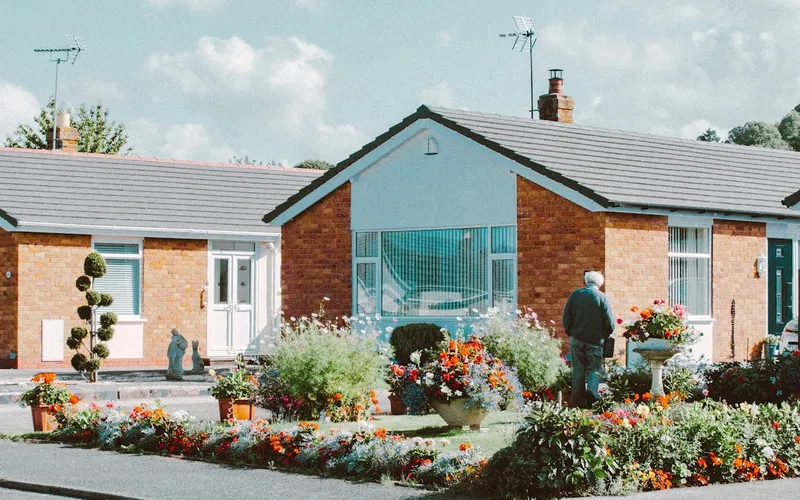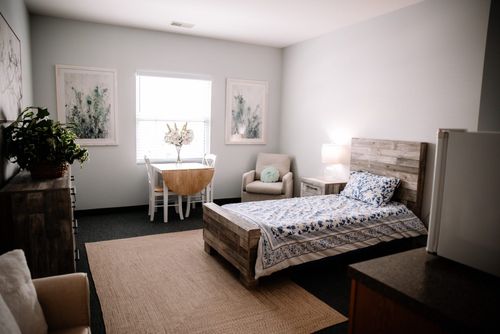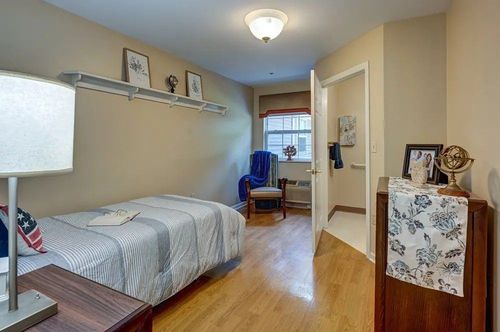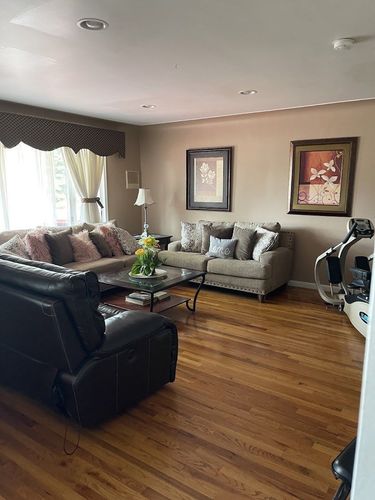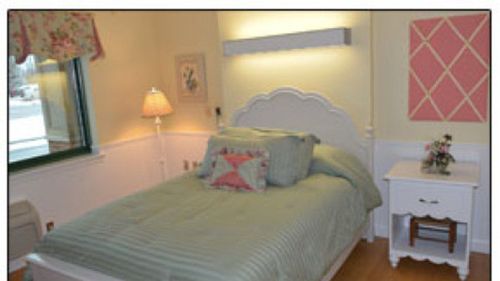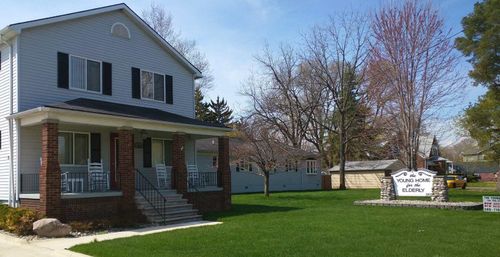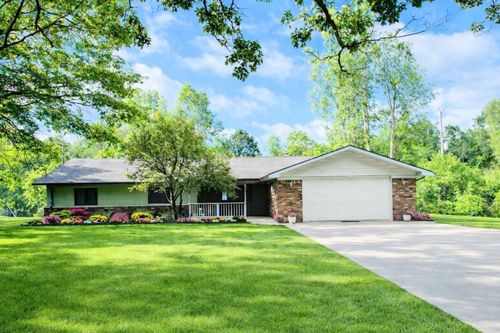
Leonard is a village of a few hundred people in the top corner of Oakland County, where the subdivisions give out and the Polly Ann Trail runs off north through farmland. Senior care at this scale is not an industry here; it is a house. The Willows Assisted Living is the address, from $4,500 a month, and for a family already living in this corner of the county it is the difference between a relative staying among people and roads they recognise and a relative moving twenty-odd miles toward Rochester or Lapeer.
What Village Scale Actually Changes
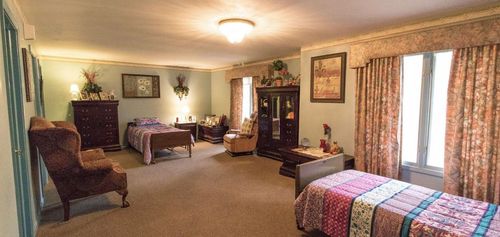
The obvious difference is the ratio of staff to residents, and it is the one families notice first: help with washing, dressing and medication delivered by somebody who knows how a particular person likes it, meals cooked rather than served, and a change in mood picked up on the day.
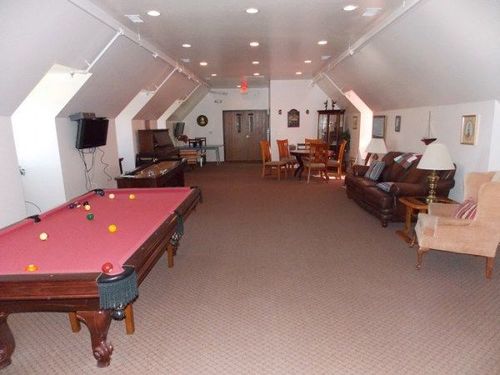
The less obvious difference is the social geography of a place this small. In a village this size a new resident may well already know several of the others, and the caregivers may be people they have seen at the shop for years. That shortens settling-in from months to days and it is a genuine argument, not a sentimental one. What it cannot do is generate the things scale provides. There is one main room, a short list of arranged activity, no clinicians on site and few new faces. A resident who wants a busy week will find larger communities to the south that do it properly, and for that person the drive is the right answer.
Where the Rate Sits
At $4,500 a month the figure works as one settled number covering the room, meals, laundry, housekeeping and hands-on help around the clock, rather than a rent with a care package quoted beside it. Prescriptions, personal items and any visiting clinician are billed separately.
No public money reaches this address as things stand. Michigan supports care in a licensed house through the MI Choice Waiver rather than Medicaid directly, and three conditions have to hold at once: the resident passes a means test, an assessment finds they need nursing-facility level care, and the house itself takes part. Absent that, the meaningful number is not the monthly rate but the run of years a family's resources will cover, and in a village with a single address that calculation deserves doing before rather than after a move.
The Two Questions Worth Asking First
The first concerns the ceiling on what the house may take on. A licensed house does custodial work, the hands-on business of an ordinary day, and does not do skilled nursing, and each individual house draws its own line somewhere below that on dementia and night-time supervision. Asking how far this one has taken residents before, and what happened when it could go no further, tells a family whether they are choosing one move or the first of two.
The second concerns what happens on the bad days. In a household of a few residents, a caregiver ringing in sick is a problem to be solved that morning rather than a rota adjustment. How the house covers that gap describes it more accurately than any tour, because it shows the setting under pressure rather than prepared.
What a Local Advisor Brings to Leonard
Whether a room stands free, how much decline this house has absorbed in the past, and who is genuinely on duty overnight are three things no listing carries and all three change.
An advisor covering northern Oakland County holds them currently, and can set the village option honestly against what sits within a half-hour drive, so that staying local is a decision rather than a default. Where that is being weighed, it is worth a short conversation before the visiting starts.
Our Leonard directory keeps expanding as we evaluate providers for quality and alignment in 2026. Reach out for a conversation about residential care homes in Leonard, or browse the communities we have vetted at your own pace.