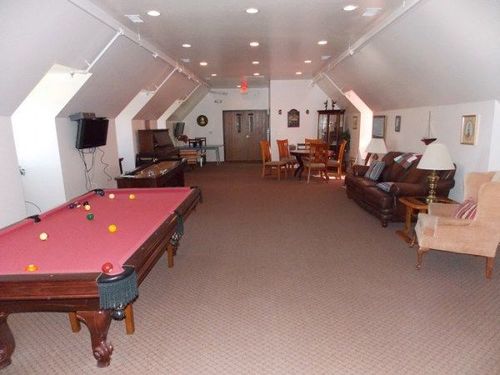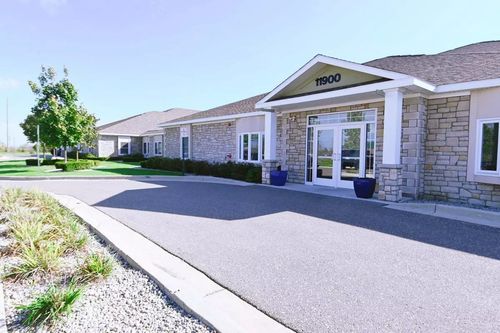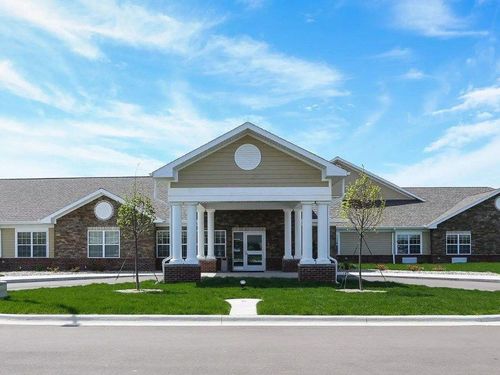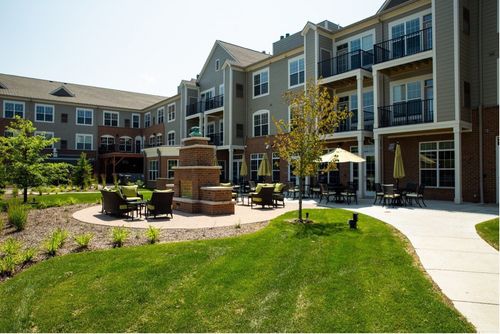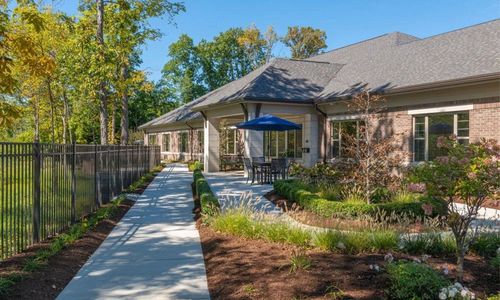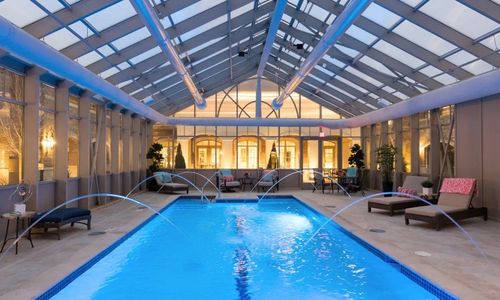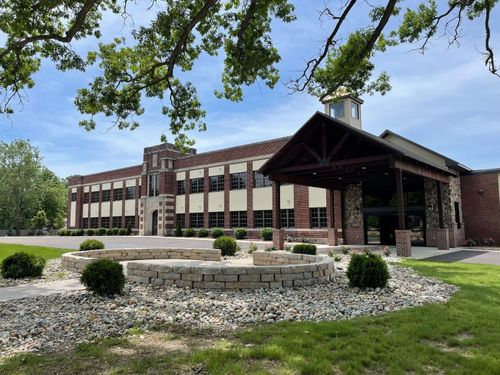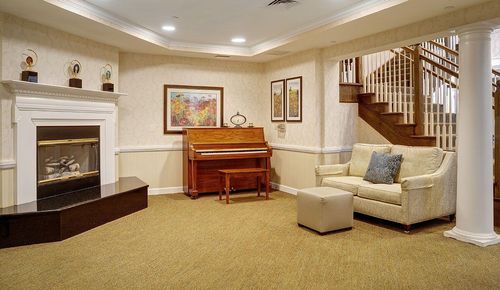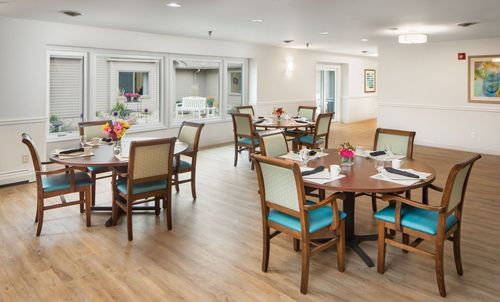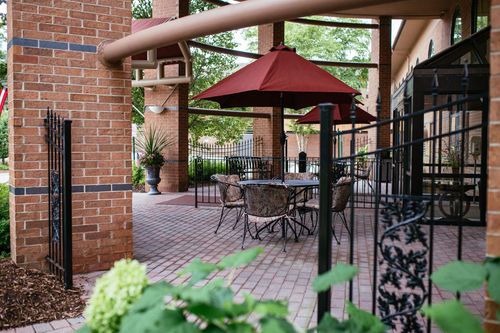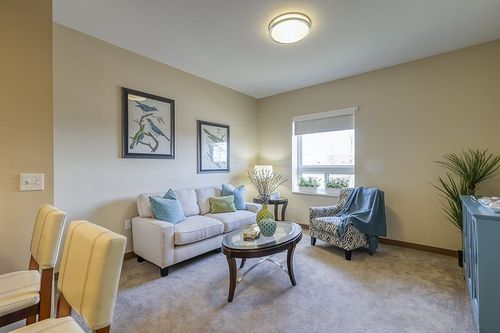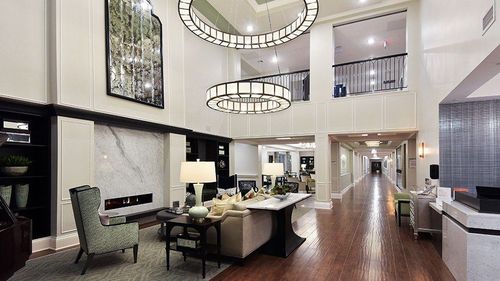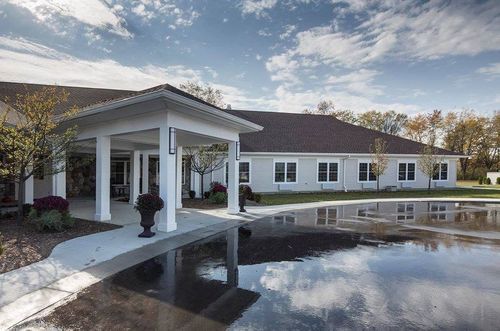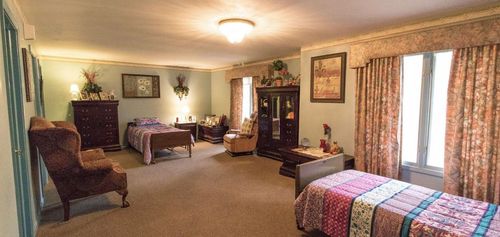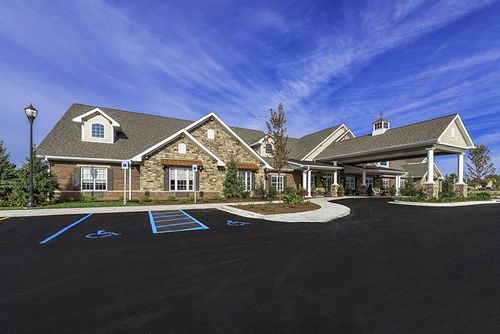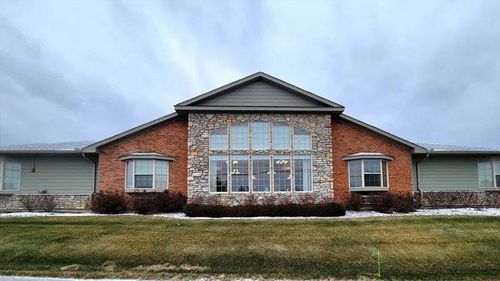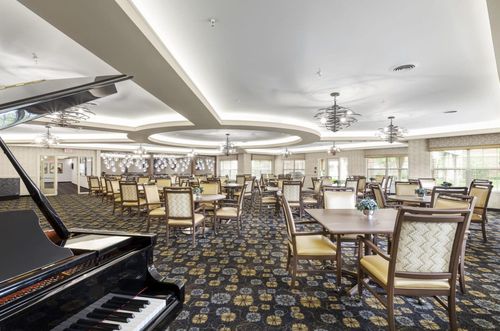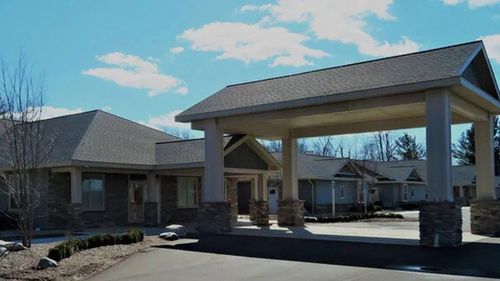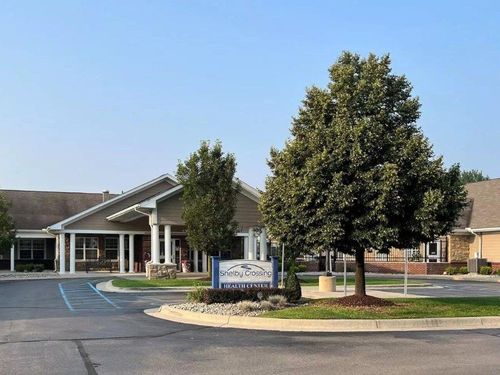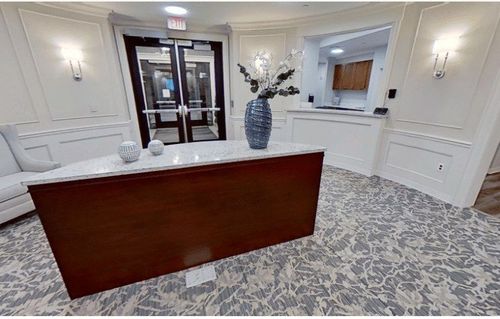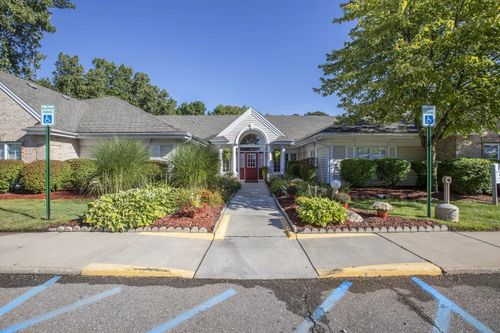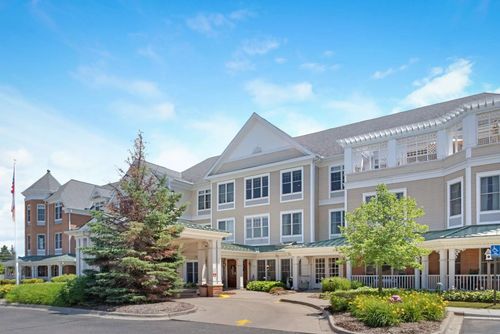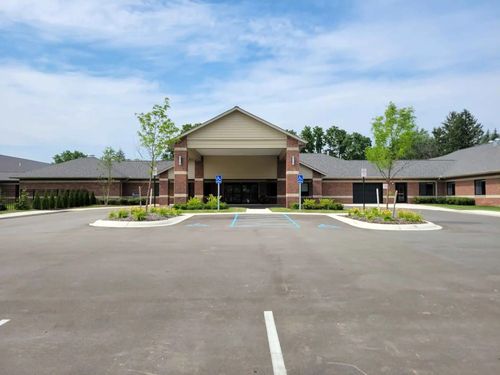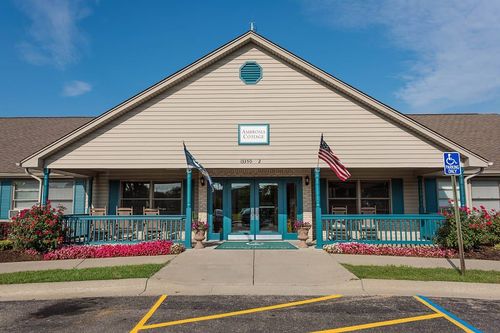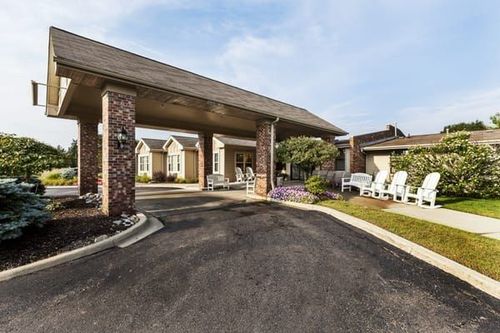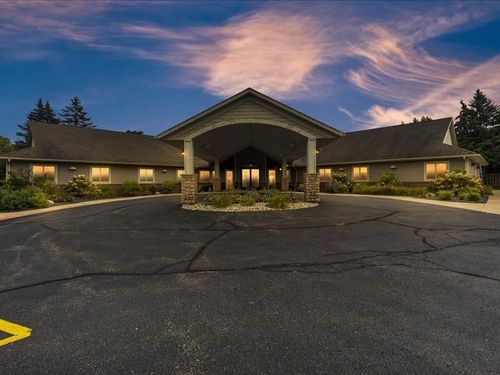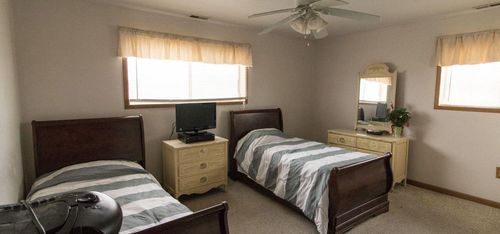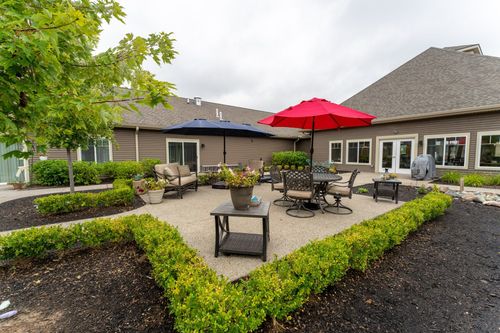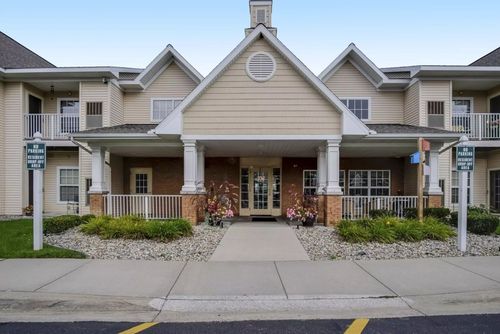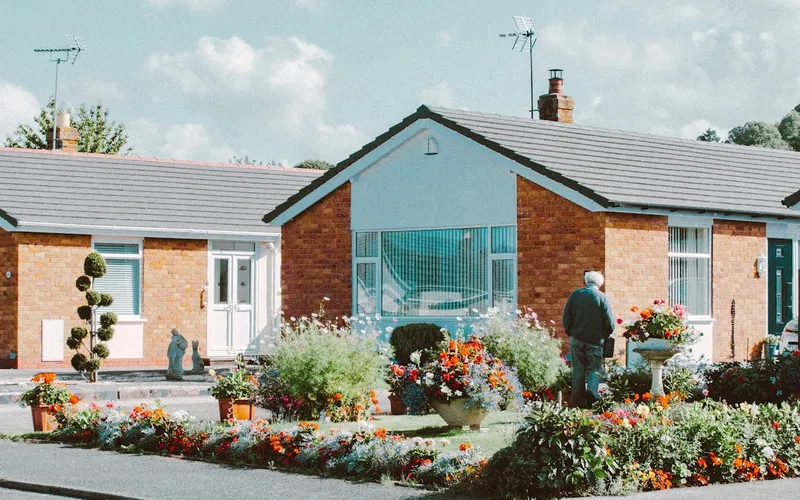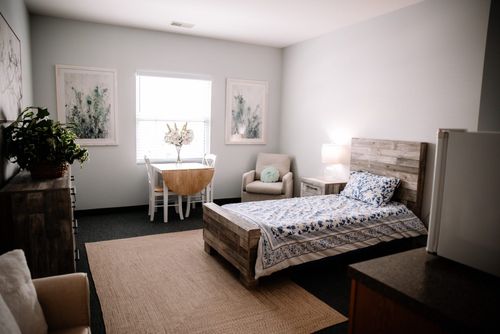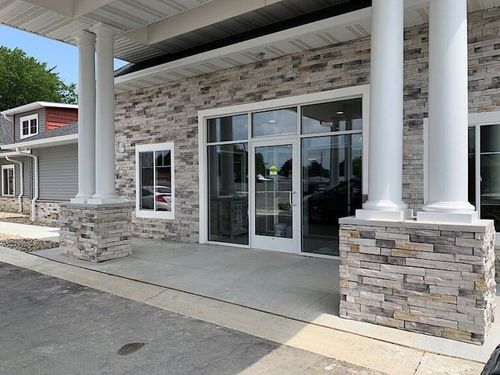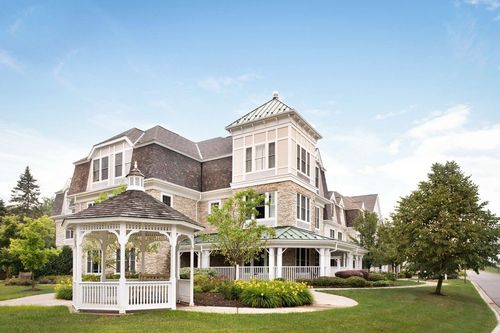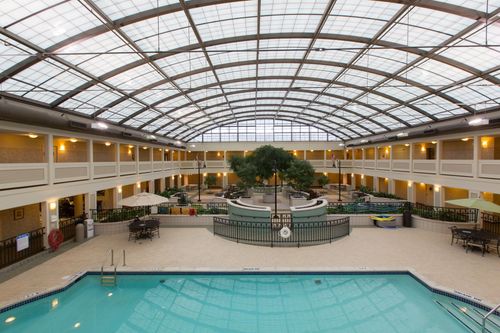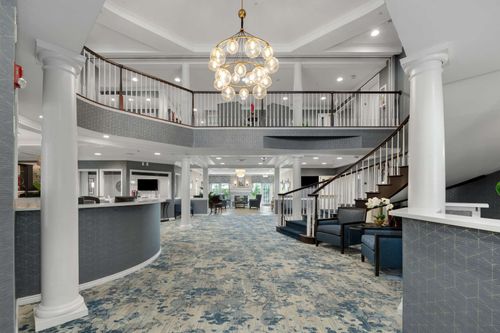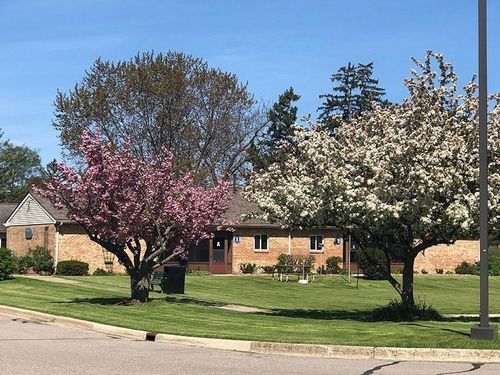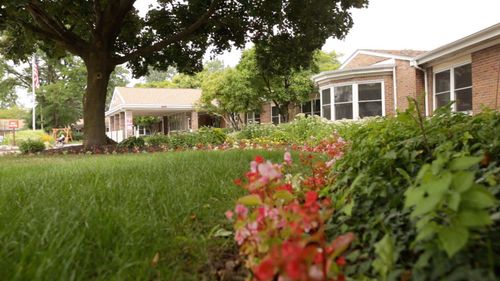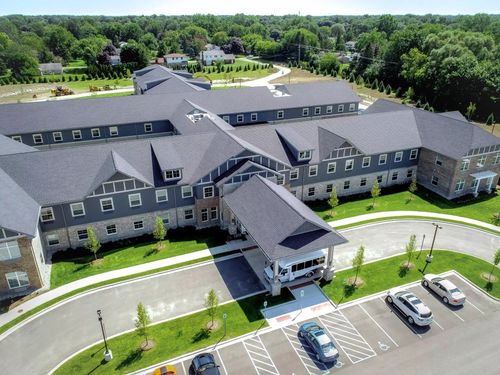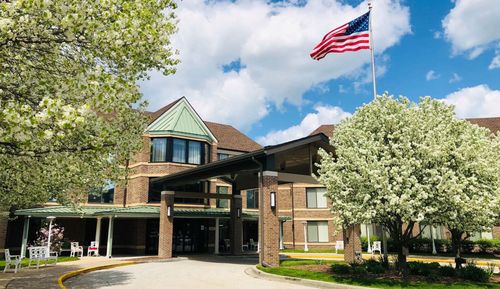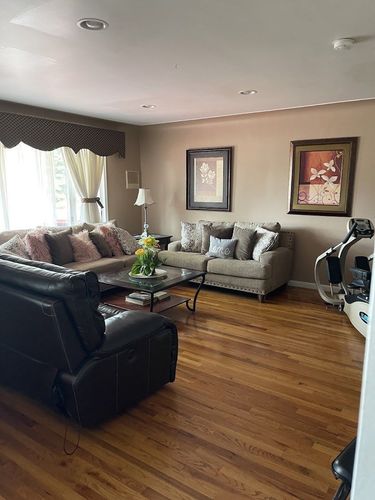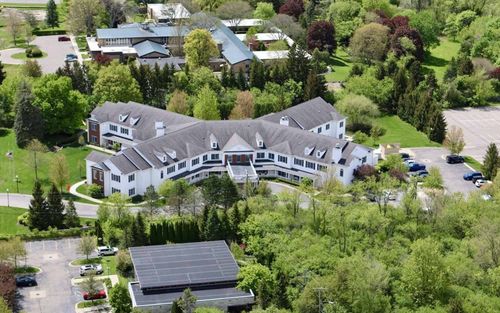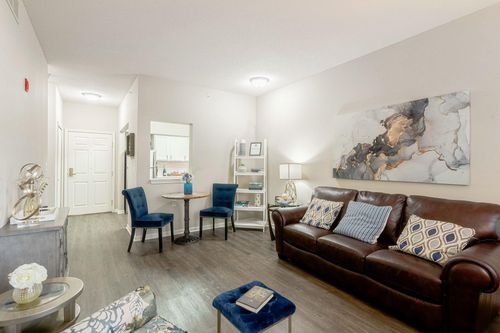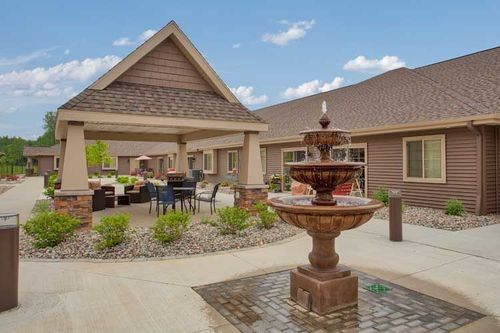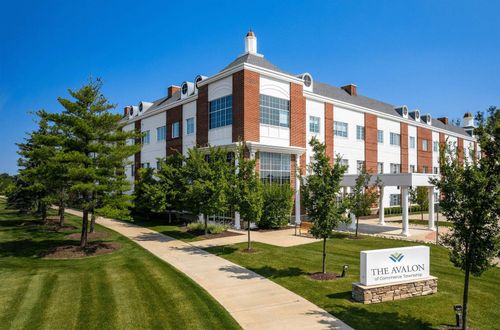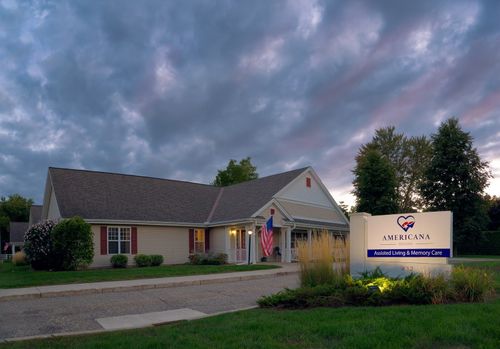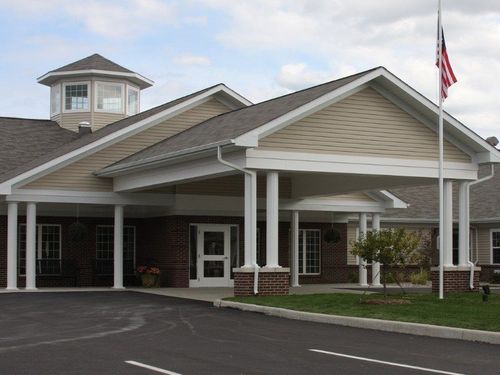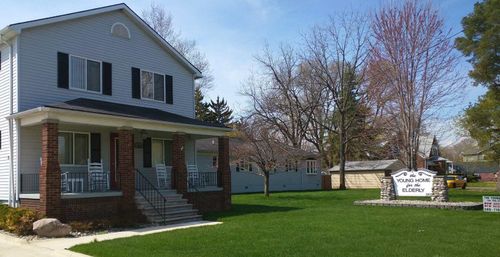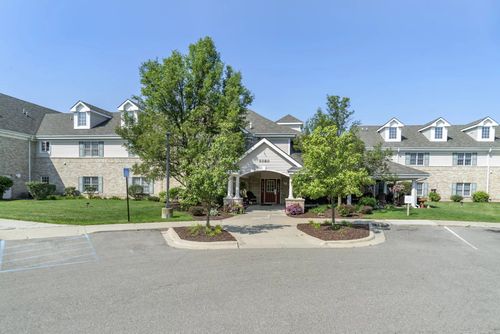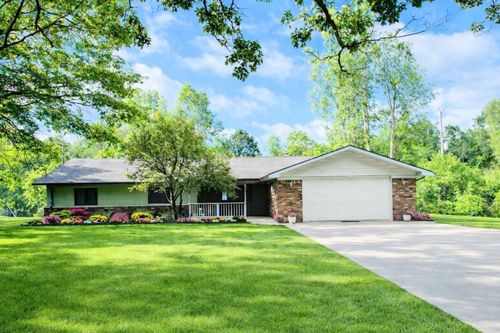
The Willows Assisted Living sits in a village of a few hundred people at the far northeastern corner of Oakland County, published from $4,500 a month. Places this small almost never have a licensed care address, which is why the building serves a stretch of farmland and township roads reaching well past the village sign, and why the demand pressing on it bears no relation to the population inside it.
Households out here arrive at the decision differently from households in the built-up part of the county. Nobody has been comparing brochures, and what has usually been happening is a year or two of a son driving out every evening, a neighbour looking in, and a phone kept beside a bed.
What Ends on the Day Somebody Moves In
The list of services is unremarkable: medication given and recorded, help with washing and dressing at agreed points, meals cooked, laundry and cleaning gone, and staff in the building overnight. What ends is the vigilance, and families consistently underestimate how much of their own life that had quietly taken.
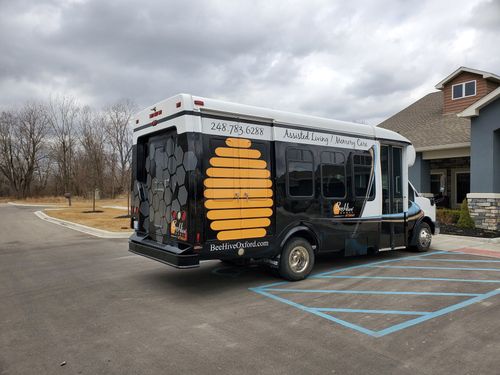
Two other things end with it, the first being isolation, which does real damage on a township road where somebody can go three days without speaking to anyone in person, and which shows up in appetite, sleep and mood long before it shows up in a diagnosis. The second is the transport problem, because out here handing over the car keys removes the shop, the clinic, the pharmacy and church in a single afternoon, and no amount of family goodwill fully replaces that.
The Rate, and the Question It Does Not Answer
The published figure buys the room and the ordinary services. The number nobody prints is the level of support, assessed before a move and re-costed whenever a resident's day genuinely changes, which is why two people along the same corridor can be several hundred dollars apart. Respite is sold by the day, so a trial stay is available to any family that wants one before committing.
Public funding does not open a door here; no waiver residents live at this address, and Michigan has never paid the rent-and-meals half of an assisted living bill in any case. What that leaves is a private plan, and the question worth answering honestly at the outset is how many years it covers rather than whether it covers the first one.
A Rural Corner That Has Aged in Place
Oakland County holds roughly a fifth of its residents past sixty-five, and its northeastern townships sit above that because people have stayed on land they bought decades ago rather than trading down into the suburbs, and one village address absorbs the result.
Going south is the obvious alternative and it costs more than money. The built-up part of the county is thirty or forty minutes down roads that slow badly in winter, which turns weekly visits into monthly ones and strips out every familiar reference point at once. Oakland County's senior centres generally accept members from neighbouring communities, so a household that stays keeps the services and the social routine it already uses.
What an Advisor Does in a Village This Size
The work is narrow and mostly consists of getting straight answers early. Whether the building has a room this month, and what the support assessment would add to the published figure for this particular resident. What the home would decline, since that is the answer that determines whether a family should be planning around this address at all.
Where there is no room, the bridge needs actual parts rather than sympathy: a respite stay, home care hours across the first and last hours of the day, and a place in the queue lodged properly rather than promised loosely. Reach out while nothing is urgent, and each of those is chosen deliberately instead of grabbed.
The Leonard directory continues to grow as we evaluate providers for quality and alignment in 2026. Start the conversation about assisted living in Leonard, or scan the buildings we cover at your own pace.