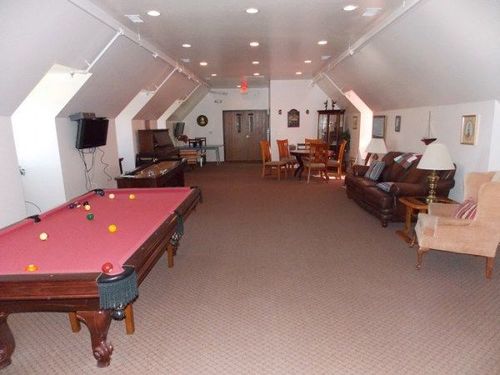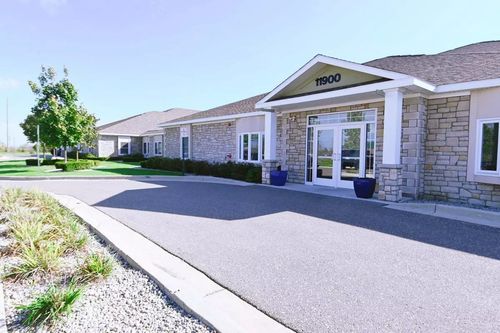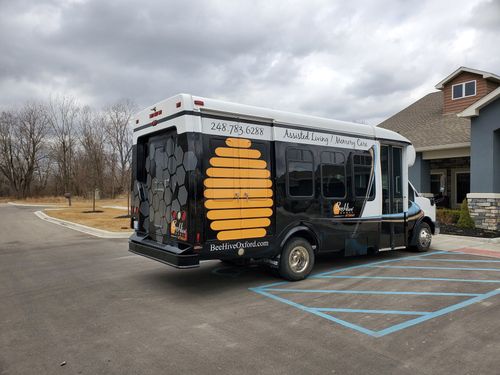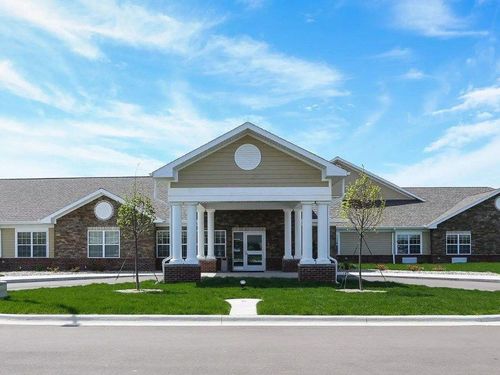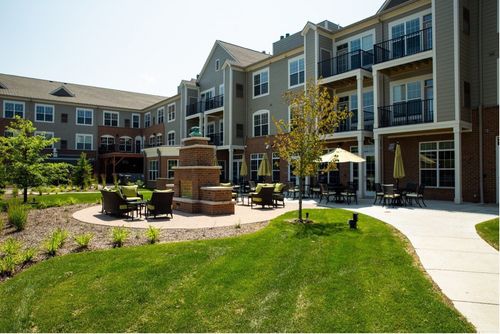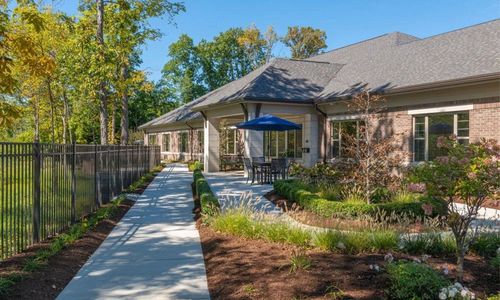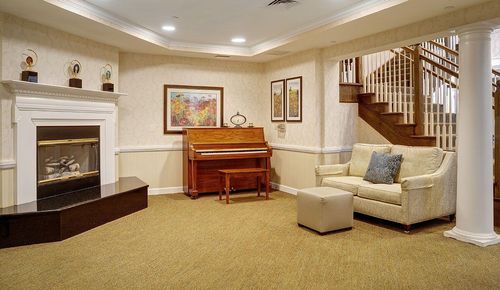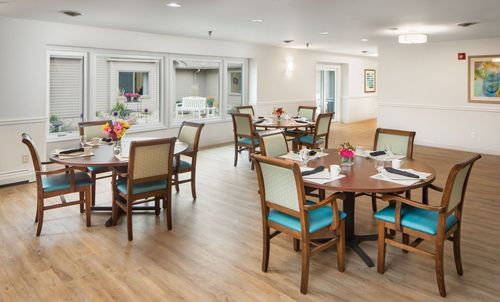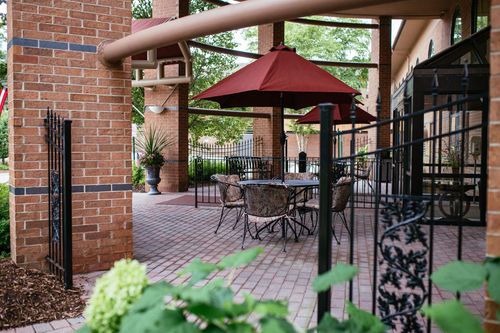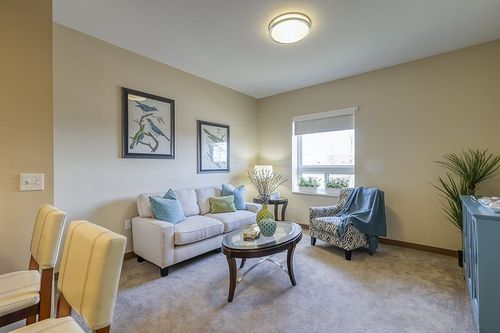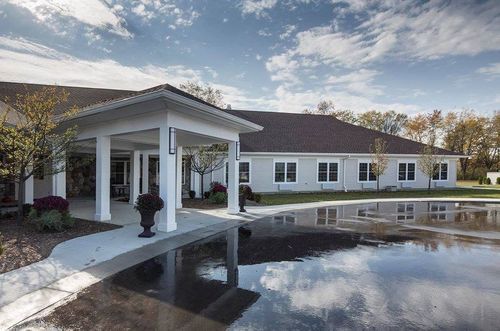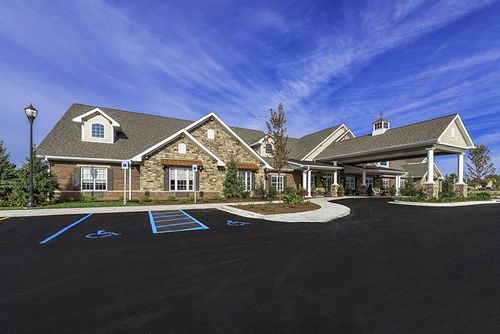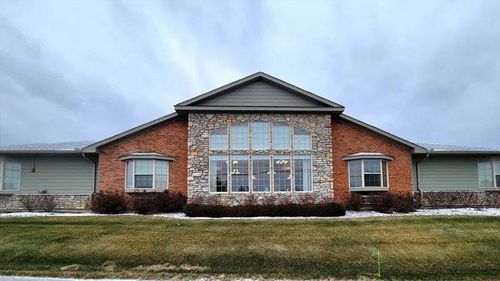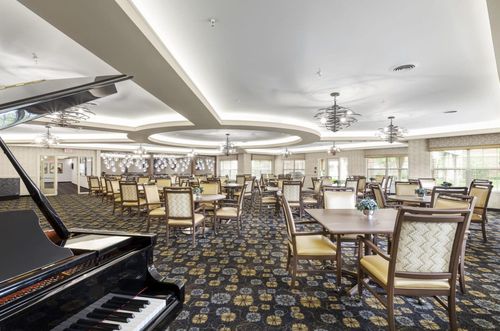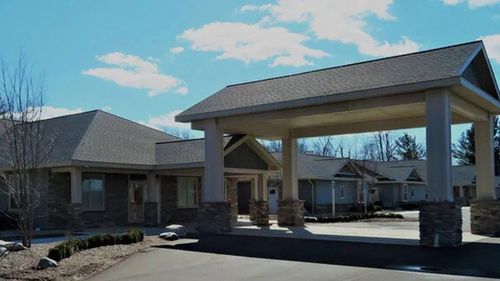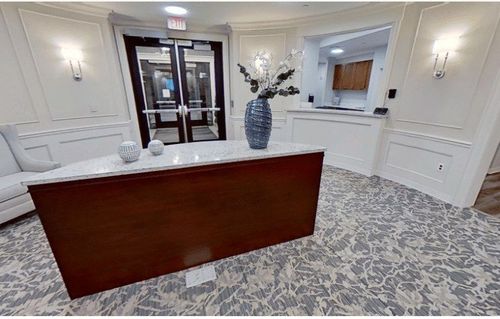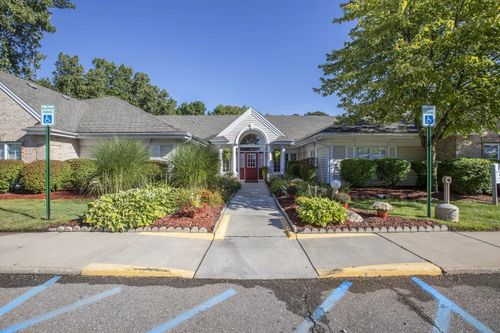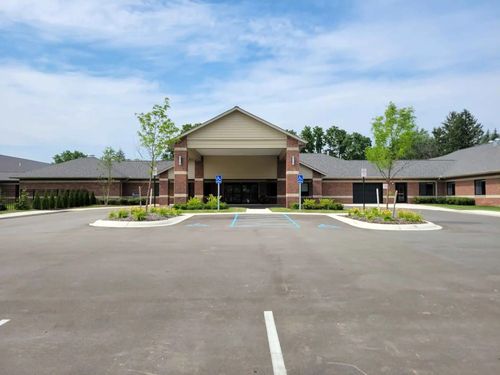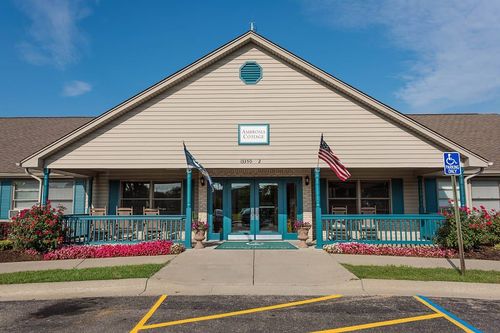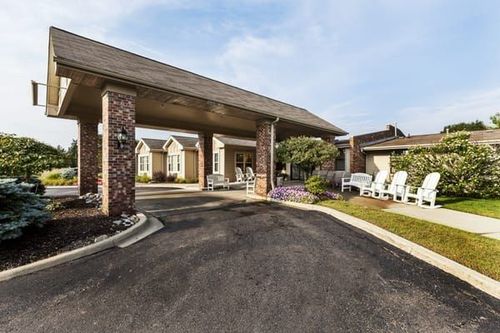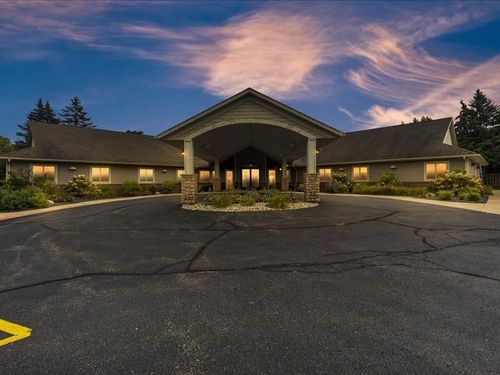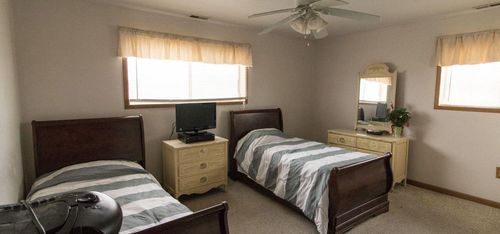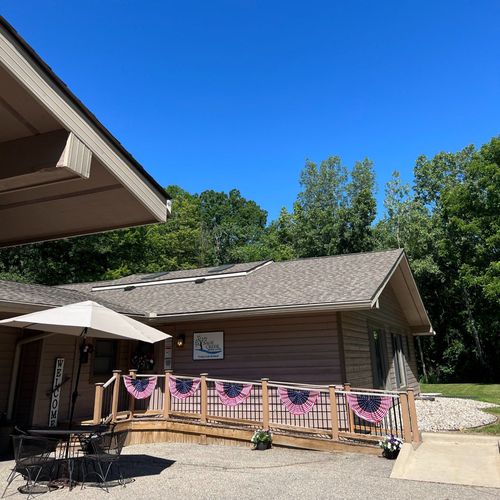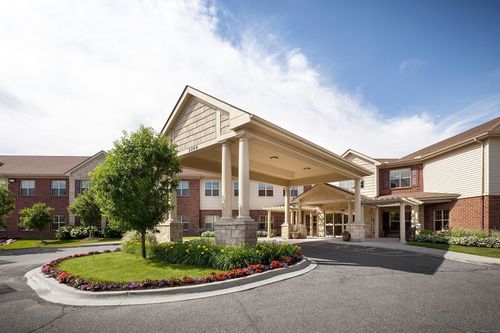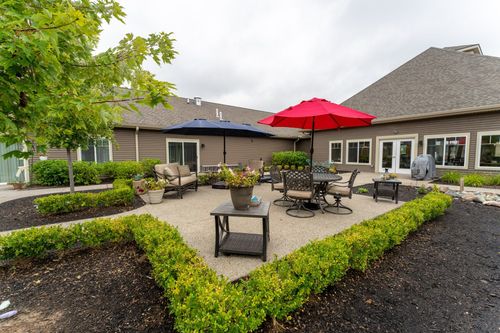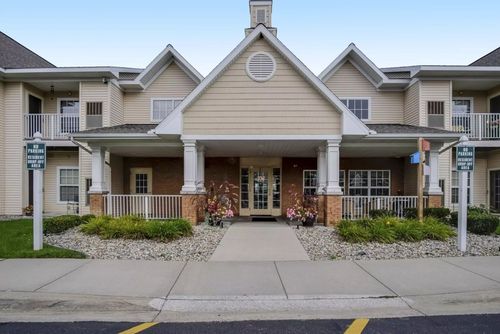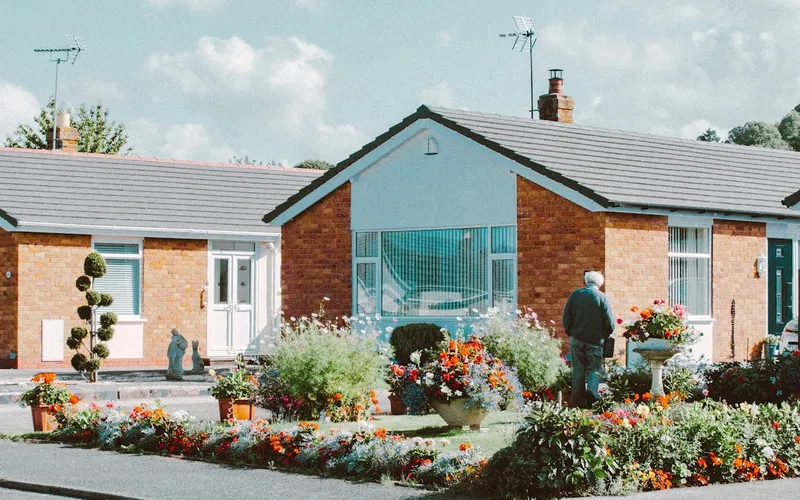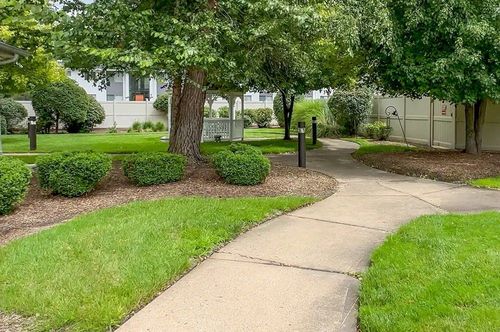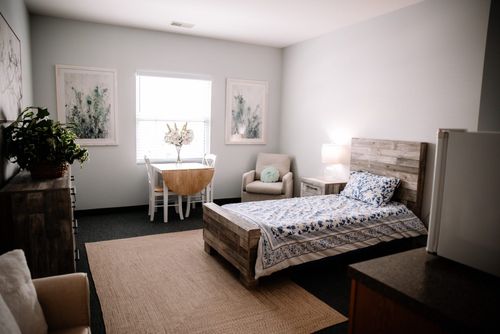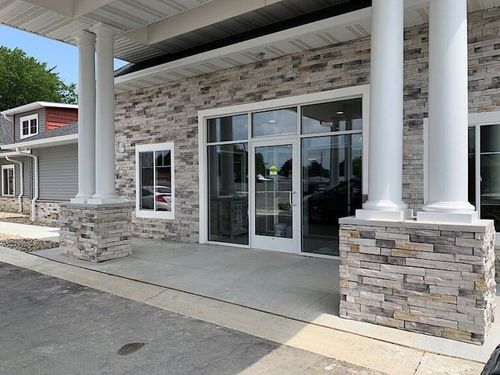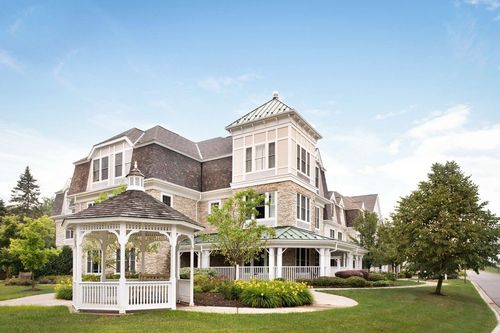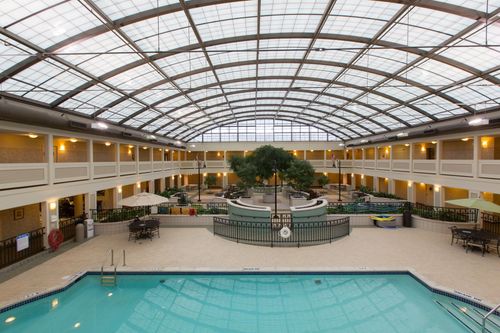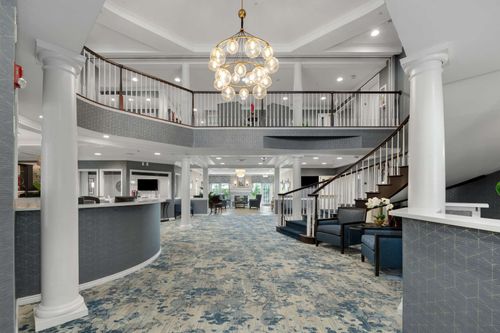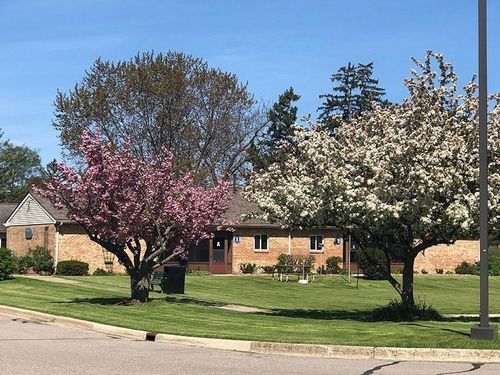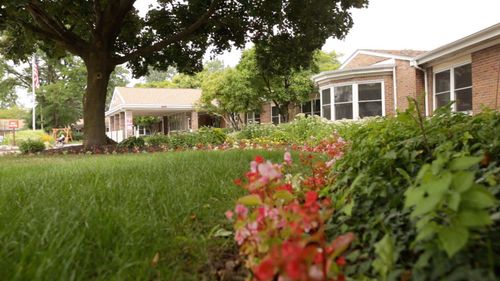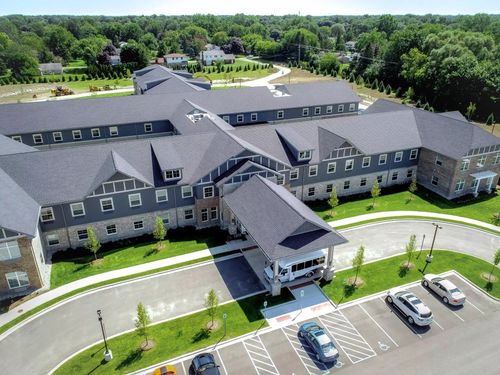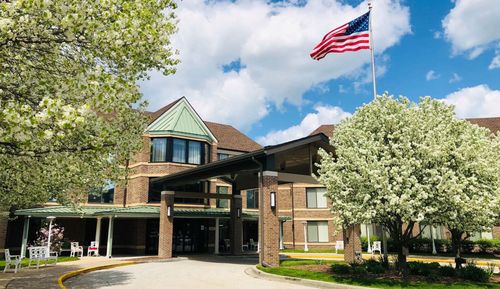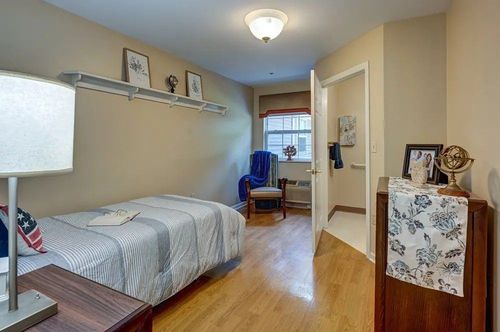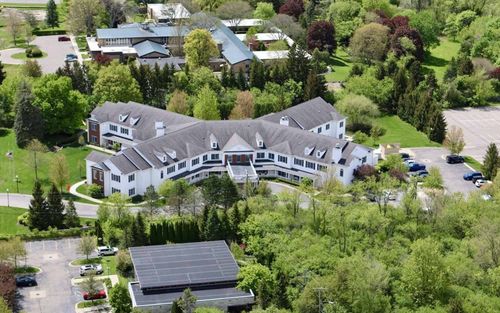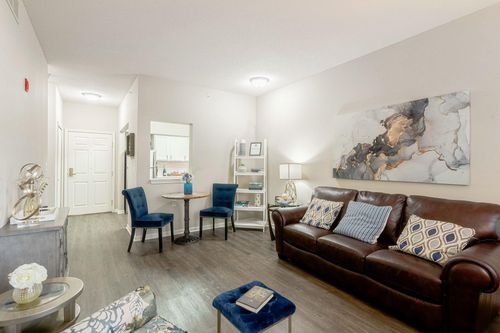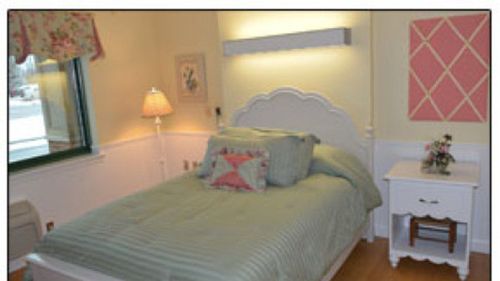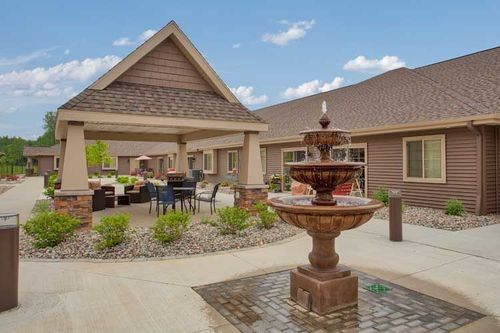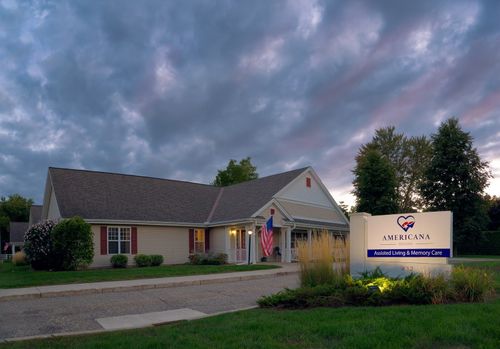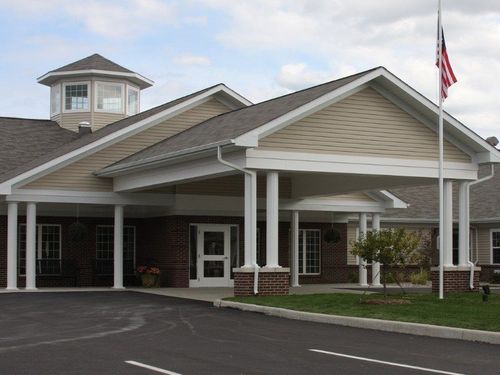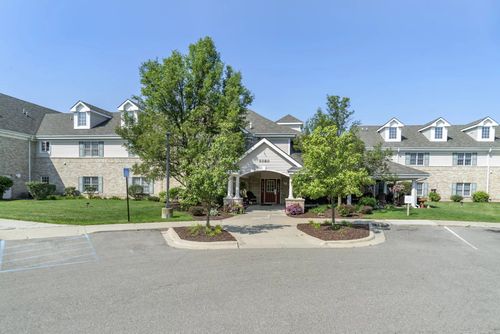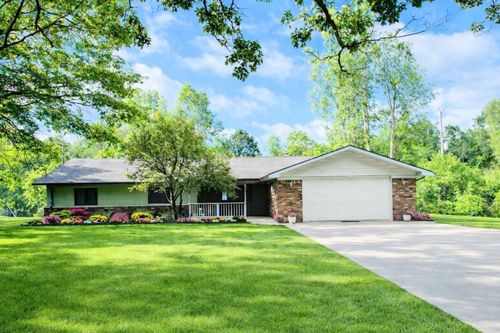
Leonard's secured dementia capacity amounts to a couple of beds inside a six-resident house, which is not a smaller version of a sixty-bed community but a different arrangement entirely. The Willows Assisted Living runs as a household: meals happen at one table, staff learn a routine within days, and an unsettled evening involves everybody.
For some residents that is exactly right, because a person with dementia who is overwhelmed by corridors, dining rooms and unfamiliar faces settles faster where there are five other people and the same two carers every day. For others it is too quiet, and a resident who still wants activity and company around them will find a household of six short of both.
What Six Residents Actually Means
The care is what secured settings provide anywhere: doors stay locked, the outdoor space is enclosed, help with dressing, washing and eating comes whenever it is needed rather than at set rounds, meals change as chewing and appetite do, and somebody is awake at night.
What changes is everything around the care, since there is no shift handover in any meaningful sense, because the same people are here most days and a change in sleep, appetite or mood is noticed the morning it starts. There is also no depth: if two carers are unwell in the same week the whole arrangement feels it, and a resident who cannot be moved without two people asks something of this house that a large building would absorb unnoticed. The way to judge it is to ask what the house has actually done when a resident deteriorated, and how much notice the family received.
Two Beds, One Rate to Establish
The Willows Assisted Living publishes $4,500 a month for 2026 as its assisted-living figure, with the secured rate set above it once a resident has been assessed. Those figures sit near the middle of what Oakland County generally asks, which is unusual for a house this small, since tiny buildings normally price at the top of a market.
The house does not bill Michigan Medicaid, so the stay is private throughout. Michigan's MI Choice waiver is a services program, so the household still pays the house for the room and the board even where a resident qualifies, and the funded places are limited. Respite stays are offered here, and in a village with two secured beds that is not a convenience but a strategy: it is frequently the only route into the building, and it puts a family in front of the house before a permanent room matters.
Two Secured Beds for a Village
Oakland County holds one of Michigan's largest older populations, but almost none of that weight sits in Leonard, a village in the rural north-east corner where the subdivisions give out. The whole of its secured dementia capacity is the pair of beds at this house.
Supply of that order removes comparison altogether, since there is no shortlist to build and no queue to join, only a relationship with one house and a realistic sense of when something might come free. Families who make themselves known early, and who use respite when it is offered, are the ones who end up with a room.
Why Families Stay in the North-East Corner
In dementia care, visits become short and frequent, and a village address turns that into something achievable. Adult children in Oxford, Romeo or Rochester are inside twenty minutes, and a resident who has spent decades in this part of the county keeps the roads, the church and the faces they recognize.
Medical access is close enough not to be a reason to leave. Henry Ford Rochester Hospital is the nearest of substance, with 290 beds, a stroke and neuroendovascular center and an emergency department with rooms reserved for older patients, with the larger Oakland County hospitals further south.
What a Local Advisor Brings to Leonard
With two secured beds in the village, an advisor's job is not to compare but to be accurate about timing and honest about fit. An advisor working northern Oakland County knows when the house expects a room, whether a respite booking would get a resident in sooner, and what the assessed rate has looked like in practice.
The fit question is the one that matters most here and it deserves an unsentimental answer. A household of six suits a resident who is unsettled by scale and unsuits one who wants people and activity around them, and getting that wrong means moving a confused person twice. Spend an afternoon in the house before deciding, and if you are unsure which description fits, talk it through with someone who has seen both kinds of resident in this setting.
Our directory for Leonard continues to grow as we evaluate providers for quality and alignment in 2026. Reach out for a conversation about memory care in Leonard, or browse the communities we have vetted at your own pace.