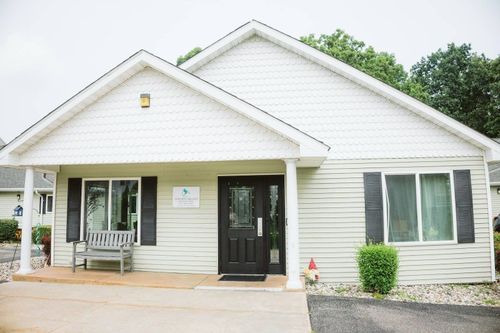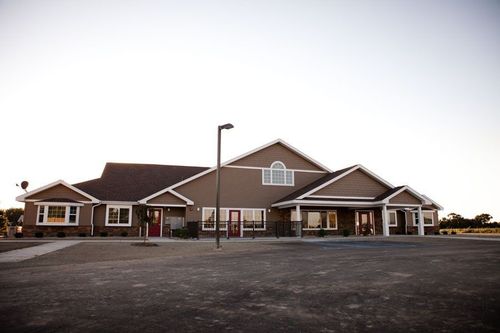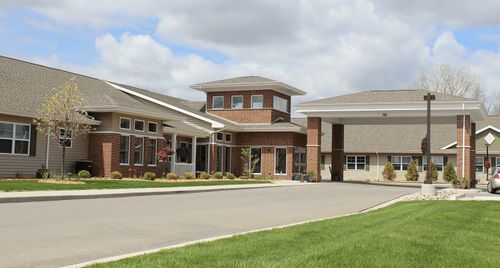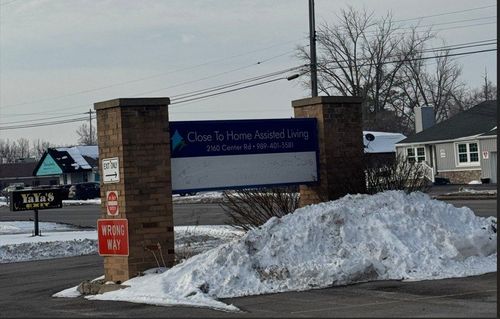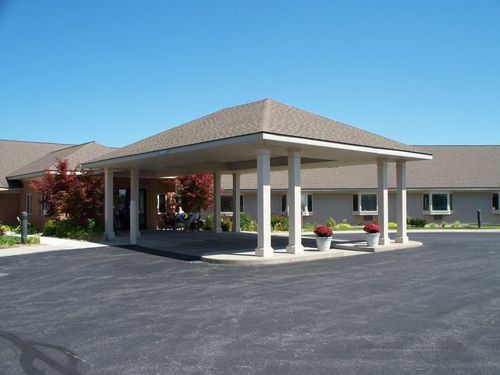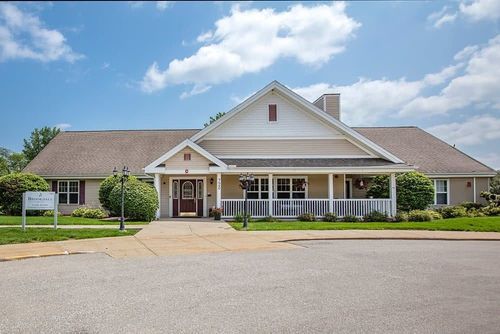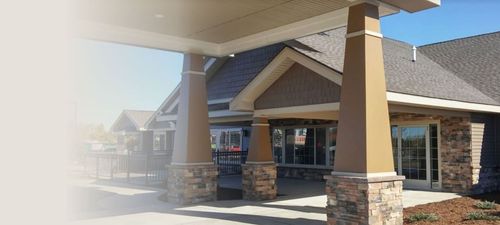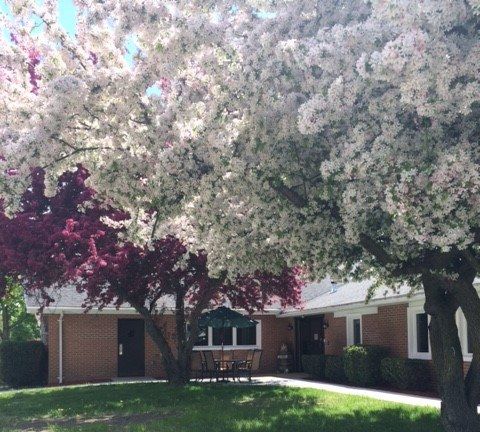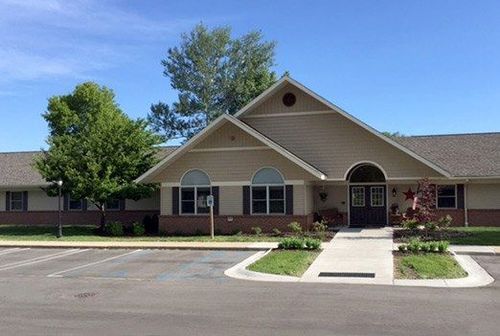
Midland pairs the smallest kind of dementia setting with one of the largest hospitals any city this size has. Nottingham Place on Jefferson Avenue, the 1 matching community, is secured throughout rather than a wing inside a bigger building, and it sits about three miles from a 328-bed regional campus with an intensive care unit reserved for neurological and trauma patients.
That pairing is the local story: a resident lives at household scale, among a small group where the staff know everyone, while the medical backup sitting behind that arrangement is the sort most towns have to drive an hour to reach.
A Whole Building Behind One Door
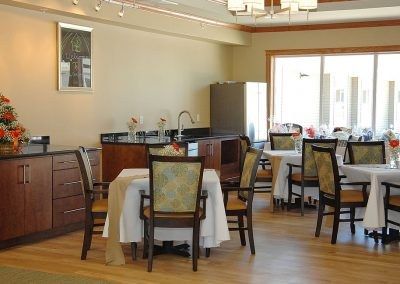
When an entire building is secured rather than a section of one, the day stops being organised around keeping two populations apart. Nobody is being redirected away from a door meant for somebody else, the dining room runs at one pace, and a resident who wants to walk is walking inside a building designed for it rather than being steered back from a threshold.
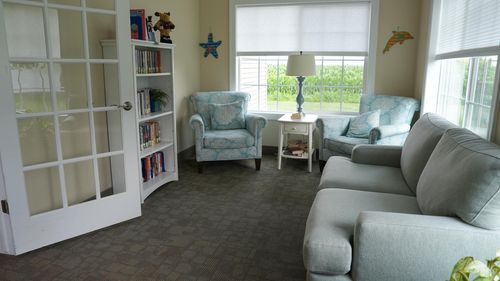
The substance underneath is what the level requires everywhere: medications given by caregivers trained in dementia care, help with bathing and dressing, meals given the time they take, and staff awake overnight rather than sleeping on call. What a small secured building adds is familiarity, since the same faces appear on most shifts, a caregiver learns a resident's ordinary within days, and the change that signals an infection or a bad reaction to a medication gets spotted early, which is the practical difference between a clinic visit and an admission.
Paying for a House-Scale Setting
The published entry rate at the address is $4,200 a month in 2026, and a secured room is quoted above it, because memory care is priced as an addition to the base figure rather than as a replacement for it. Asking for that second number directly, along with what would raise it, is the only way to build a real budget here.
Medicaid is not accepted, so this is private money over however many years the arrangement lasts. Michigan's MI Choice Waiver is the state's route to public help, and it is worth understanding precisely: it funds care rather than accommodation, so the resident's own income still has to cover the rent and the meals, and eligibility waits on both a financial review and a clinical finding of nursing-facility need. Short respite stays are offered, and pets are accepted.
One Secured Address in a City With a Big Hospital
A fifth of Midland County is past sixty-five, and the city's secured capacity sits entirely at one address. Against a hospital of that scale the local supply of dementia rooms is thin, which is why availability here gets checked rather than assumed.
What follows from that is straightforward, in that a room is free or it is not, there is no second secured building in town to fall back on, and the households that visited before they needed to are the ones with a plan when something shifts. Respite is the one bridging option, and in a single-address market it is worth knowing about well before it is needed.
A City That Invested in Itself
Midland is a company town that put its money back into the place, and the result is a small city with a symphony, a large public library and gardens, which matters more in dementia care than it sounds. The outings that still work for someone with memory loss are the familiar ones, and a resident who has walked those gardens for forty years is not being introduced to them.
Geography helps the visiting too, because the hospital, the community and most of the city's households sit within a few minutes of each other, so an adult child can call in after work rather than setting aside an afternoon, and short frequent visits are what dementia care actually runs on.
What a Local Advisor Brings to Midland
With one secured address in the city, a Local Senior Advisor's job here is not building a shortlist. It is knowing whether a room is genuinely free this month, what the building will take on when nights become difficult, and how the secured rate is calculated once a resident's needs are assessed rather than estimated.
The hospital relationship is the other half of it, and knowing how a discharge from the Midland campus gets timed, what the building needs before it accepts someone, and whether a room is held during a hospital stay is the sort of detail that decides whether a family keeps its choice. A short conversation before any of that is urgent is usually enough to have the answers ready.
We keep expanding our Midland coverage as we evaluate providers for quality and alignment in 2026. Start the conversation about memory care in Midland, or look through the buildings we cover at your own pace.