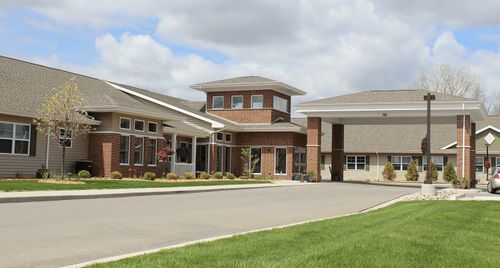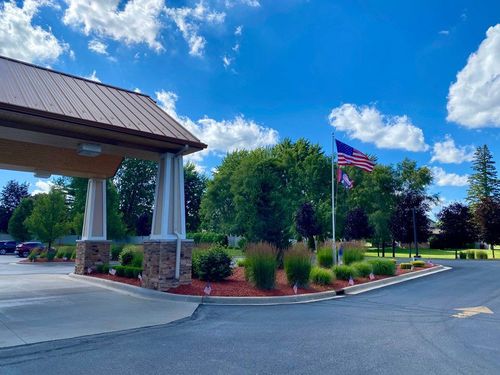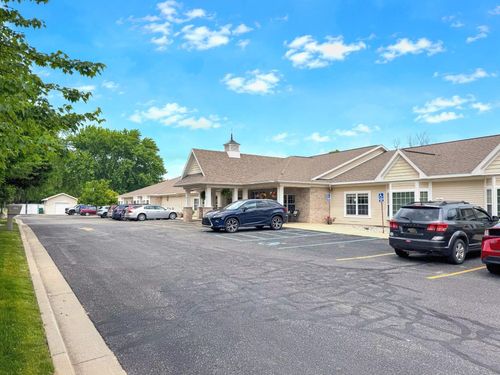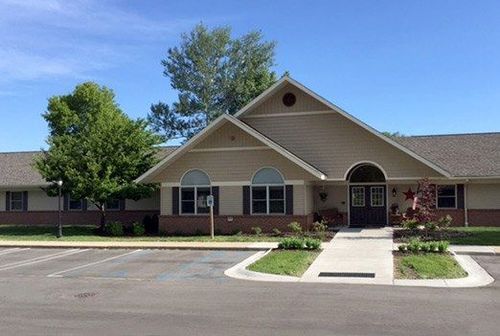
The address in Midland that takes a resident's animal is Nottingham Place on Jefferson Avenue, where residency starts at $4,200 a month, and the shape of that community is what makes the pet question here unusual. This is a small building given over largely to memory care rather than a large campus with an apartment wing, so a dog or cat arriving with a resident is arriving into a setting built around dementia, with the extra thought that requires.
Families reaching this page are usually holding two facts at once. Someone needs a secured setting, and that person has an animal they have never been without. Those two things are not incompatible, but the arrangement wants to be worked out honestly at the start rather than assumed and then unpicked in month three.
An Animal in a Setting Built Around Memory Loss
The questions a memory care building asks about a pet are different from an apartment community's checklist. Doors matter, because a secured setting depends on them staying shut and an animal is a reason people prop them open. Feeding matters, because a resident who forgets a meal will also forget a bowl, and a well-meaning neighbor may feed the same dog four times before lunch.
None of that rules an animal out, and there are real reasons a building says yes. A familiar cat can settle someone whose short-term memory is failing when almost nothing else does, and the routine of a dog gives a shape to an afternoon that no activity calendar quite matches. What it means in practice is that staff take on more of the animal's care than they would in an assisted living apartment, and a building has to decide that it can.
Where the Pet Shows Up on the Invoice
Residency at Nottingham Place starts at $4,200 a month, and that figure is set by the level of care a person needs rather than by whether a pet comes along. Nobody pays a higher care rate for having a cat.
Where the animal appears is on its own lines: a one-time deposit at move-in, sometimes returned when a resident leaves and sometimes not, and often a modest monthly charge. Ask which kind the deposit is before anything is signed, and ask what the charge is actually for, since in a memory care setting it may be covering real staff time rather than carpet cleaning. A documented service animal or assistance animal is exempt from both, and from any weight or breed condition the building applies to pets.
What to Settle Before the Move
Three arrangements decide whether this holds up over a year, and none of them is in a brochure. Who takes the animal during a hospital stay needs a named person rather than a general assumption. Who pays for veterinary care as the animal ages needs answering while everyone is thinking clearly. And what happens if a resident can no longer recognize or care for the animal at all is the hardest of the three and the one families most often leave alone.
Midland at least makes the practical side of it easy. Jefferson Avenue is quiet, the ground is flat, and the river paths and parks are close enough that visiting family can take the dog out properly for an hour, which is worth something on a January afternoon when nobody at the building has time for a long walk.
Putting the Animal Question First
Pet permission in a memory care setting is a case-by-case judgment rather than a policy, and it moves with the building's current mix of residents and staffing. A community that took a small dog last spring may hesitate this autumn, and the reasons will be practical rather than arbitrary.
Someone covering Midland County can put the specific animal to the building and come back with an answer, along with what help with feeding and walking is genuinely on offer rather than hoped for. If the pet is the reason this decision keeps stalling, a short conversation about the animal is the right place to start rather than the last thing on the list.
The Midland directory continues to grow as we evaluate providers for quality and alignment in 2026. Start the conversation about pet friendly in Midland, or look through the buildings we cover at your own pace.