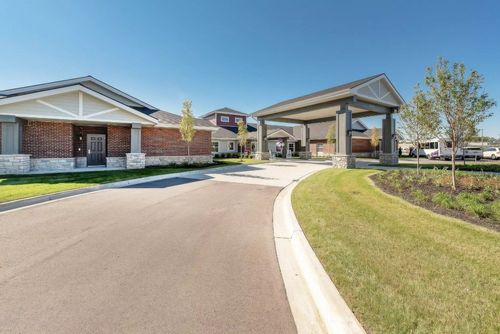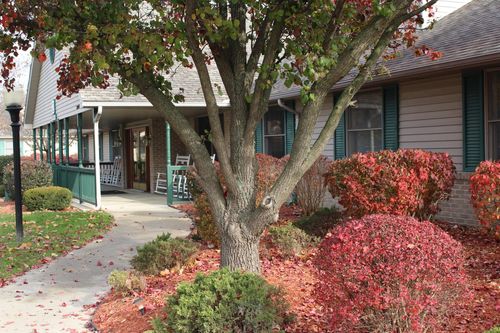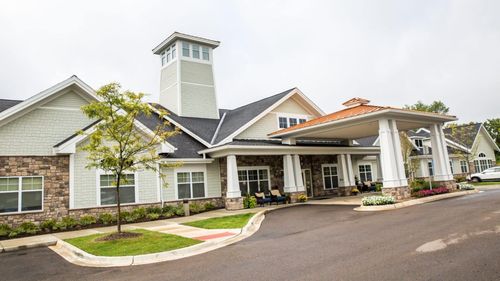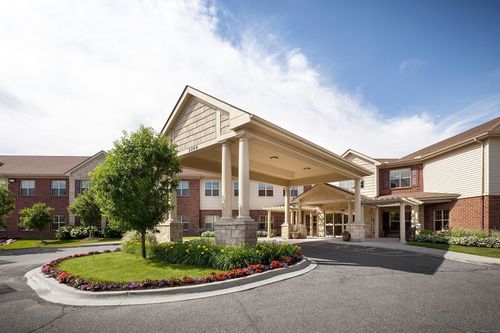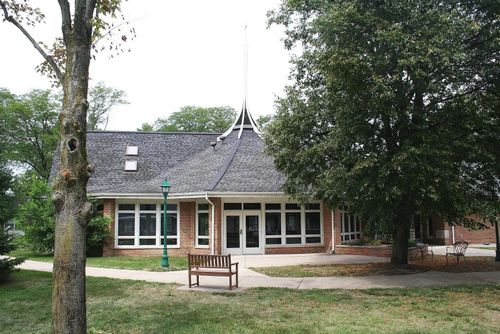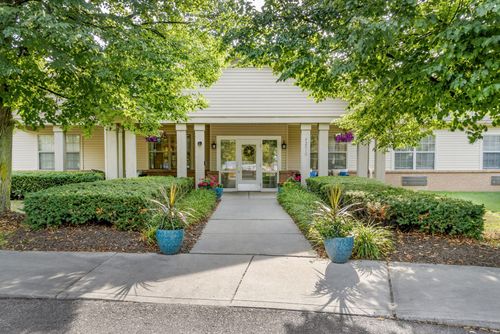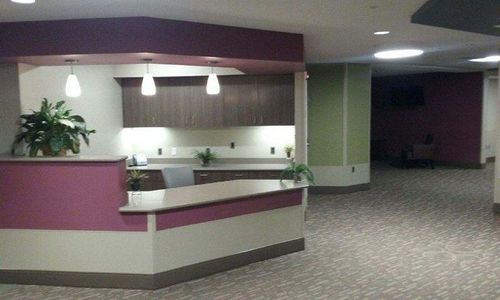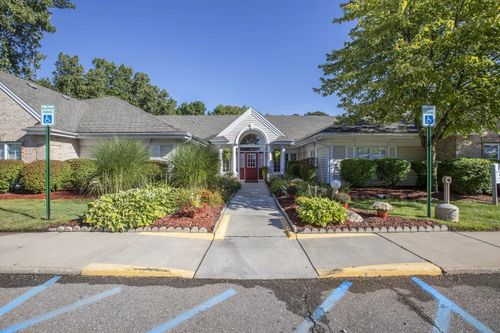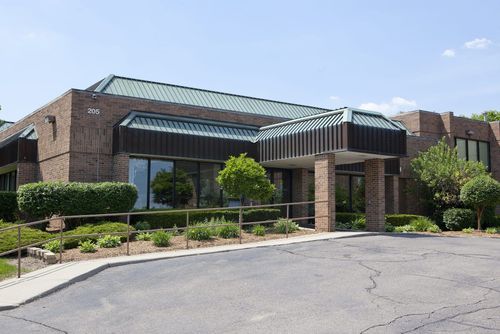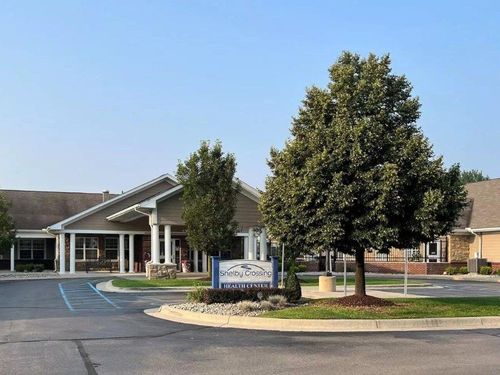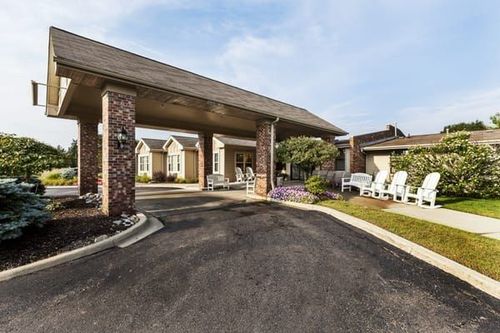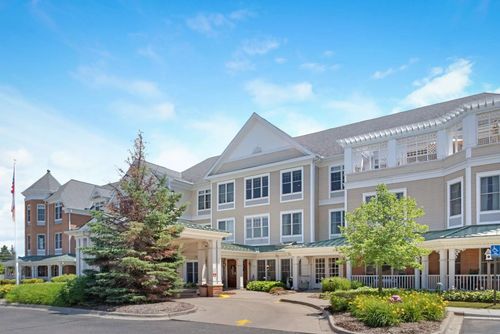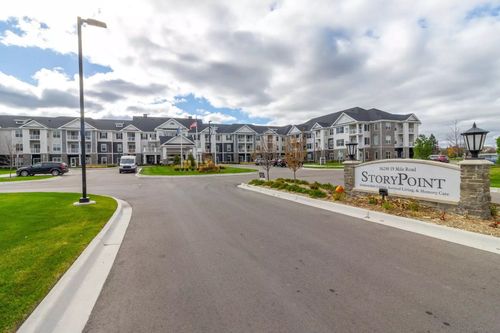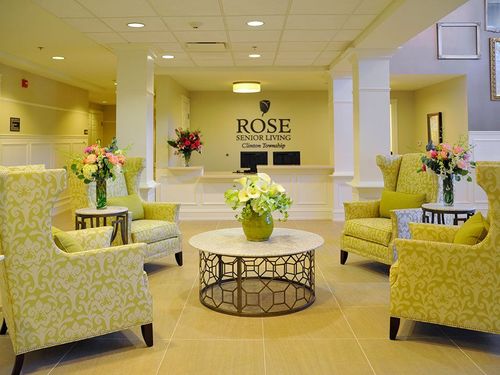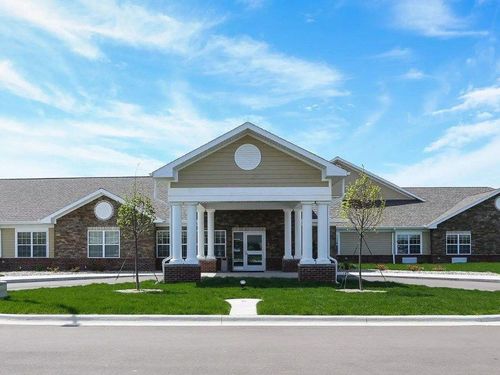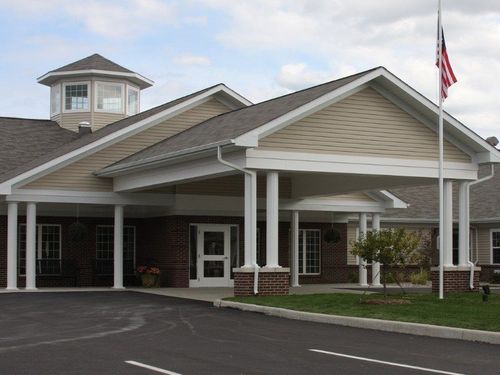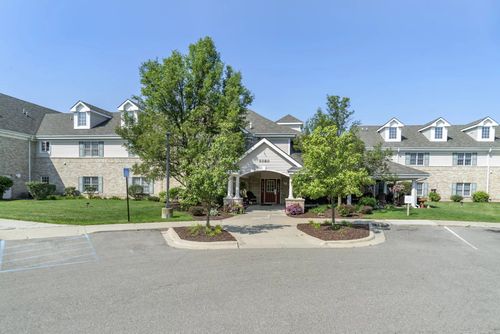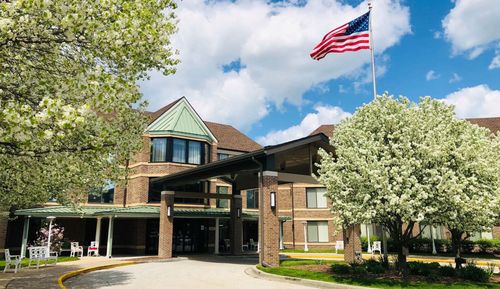










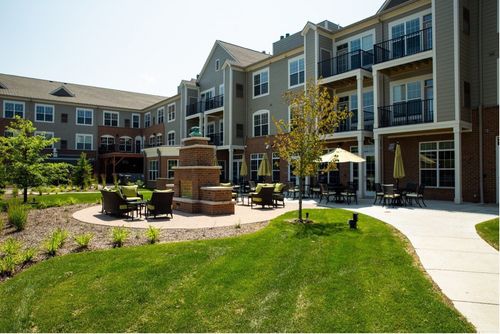





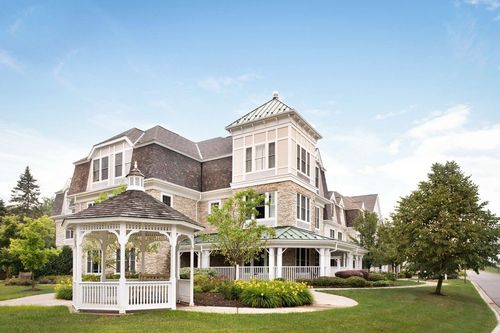

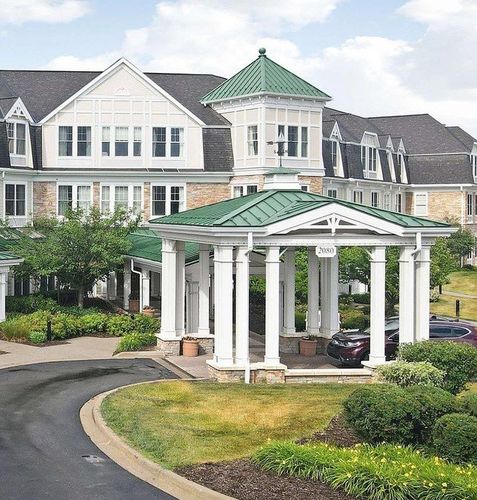


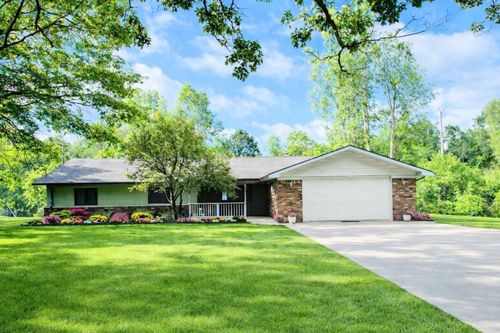
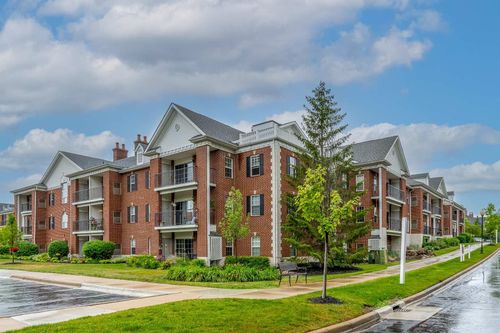

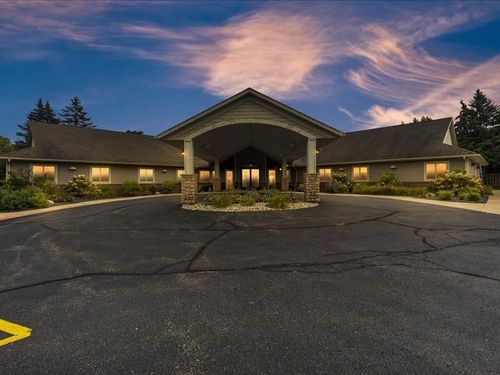
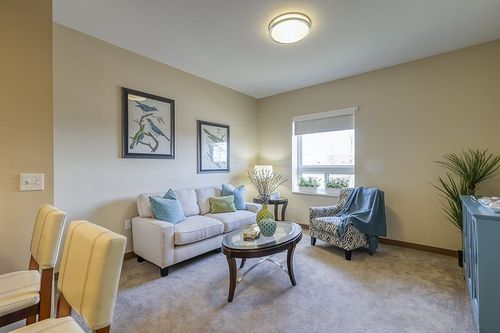
Oakland County stands as one of the most resource-rich regions for senior services in Michigan, featuring a robust network of more than twenty licensed assisted living communities that stretch from the historic streets of Pontiac to the quiet residential pockets of Troy and Rochester Hills. Families exploring this landscape find an intentional mix of large-scale campuses and boutique residential settings scattered along major corridors like Woodward Avenue and the Telegraph Road corridor.
The local infrastructure supports deep integration with major healthcare networks like Corewell Health and Trinity Health, which provides families peace of mind regarding medical coordination. This density of options allows adult children to find a community situated close to their own neighborhoods, making frequent visits an easy part of a weekly routine rather than a major logistical hurdle.
Navigating the Daily Routine and Personal Support Systems
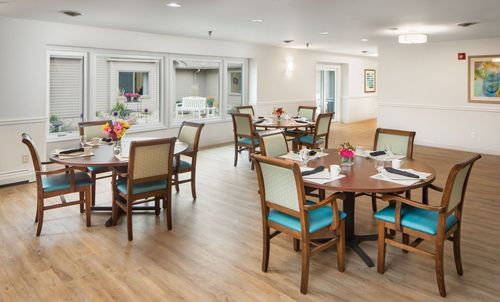
Daily life within these local communities focuses heavily on maintaining individual autonomy while providing a predictable framework of physical support. Residents wake up to chef-prepared meals served in communal dining rooms where social interaction happens naturally among neighbors. Trained care staff assist with morning tasks such as dressing, bathing, and managing medications, ensuring that each individual starts their day safely and comfortably.
Afternoons typically feature structured social opportunities, fitness classes tailored to mobility levels, and local transportation for personal errands or medical appointments. Dedicated staff members handle all housekeeping, laundry, and property maintenance, which frees up valuable time for residents to pursue hobbies or relax. In the evening, the focus shifts back to shared dining and casual social gatherings in comfortable common lounges, with awake staff available through the night to assist with any unexpected needs or emergencies.
Understanding the True Cost of Local Care Options
Financial planning for senior care in this region requires an understanding of localized pricing, which generally spans from $3,400 to $6,370 per month depending on the specific location and the level of assistance required. Base rates usually encompass housing, utilities, meals, and core hospitality services, while specific care tiers are added based on individual physical needs. For instance, a community like American House Hampton Village features a starting price of $4,500 per month, reflecting its specific structural setup and baseline service package.
Stepping into higher-end settings or areas with specialized structural designs alters the monthly budget significantly. Families looking at premier care environments will encounter options like Belmar Oakland, where the starting price is $5,500 per month. Because these figures represent baseline entry points, families should expect adjustments as personal care needs evolve over time. Paid options are predominantly private, though a few communities across the county do participate in waiver programs for long-term residents.
Rising Demand Among Local Aging Populations
Our regional demographics show a clear and steady increase in the number of older adults choosing to age in place within suburban Detroit. This surge in the senior population places steady pressure on local senior living inventory, keeping standard availability levels consistently high throughout the year.
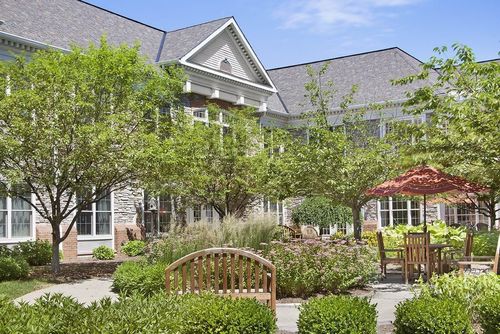
As a result, the most sought-after apartment layouts or communities with unique physical courtyards frequently maintain active waiting lists. Families who delay their research often find fewer immediate openings, forcing them to compromise on location or specific apartment styles when an urgent care need suddenly arises.
Why Families Choose Southeast Michigan Senior Living
Local families frequently choose this county for senior living because it allows their aging parents to remain rooted in the communities where they raised their own children. Proximity to specialized medical centers, regional shopping hubs like the Somerset Collection, and beautiful public spaces like the Cranbrook gardens makes the transition feel less like a relocation and more like a continuation of local life.
Furthermore, transitioning to a professional care setting relieves adult children of the exhausting role of primary caregiver, restoring the natural parent-child relationship. Knowing that a trained team is handling medication schedules and physical transfers mitigates the constant worry that many families experience when attempting to manage care independently at home.
Maximizing the Value of Expert Local Guidance
Partnering with a knowledgeable local professional streamlines the process of filtering through more than twenty distinct options in the area. An advisor pinpoints open vacancies that align with specific care needs, budget boundaries, and lifestyle preferences, saving families dozens of hours of blind outreach. They provide essential context regarding which buildings offer a strong cultural fit and how local communities handle complex transitions from hospitals or rehabilitation centers.
Crucially, an advisor helps families navigate tricky timeline issues, such as planning for future financial shifts or understanding how the few Medicaid-accepting spaces in the county manage their waitlists. They ensure that families ask the right operational questions during site visits to prevent unexpected discharge issues down the road. If you feel overwhelmed by the variables of choosing the right home for your loved one, it can be incredibly grounding to simply reach out to an expert who knows these buildings inside and out.
We keep expanding our Oakland County coverage as we evaluate providers for quality and alignment in 2026. Reach out for a conversation about assisted living in Oakland County, or look through the communities we have vetted at your own pace.