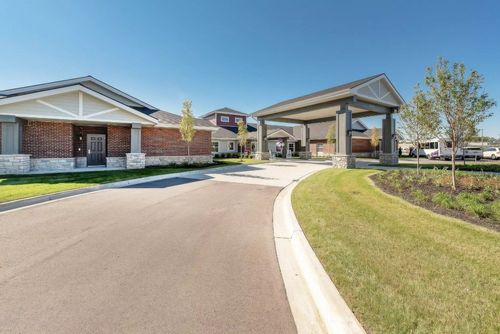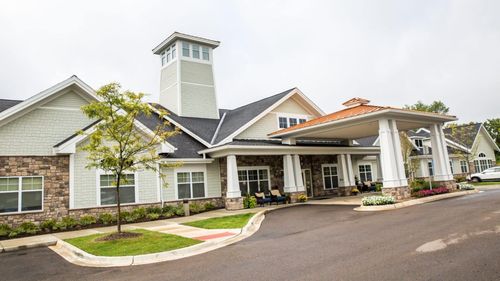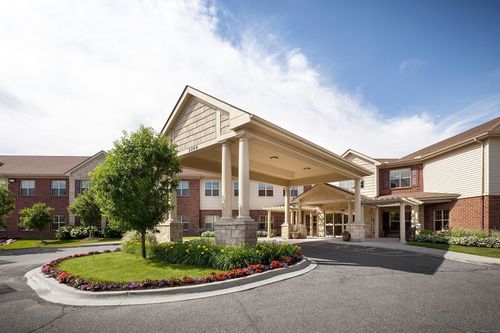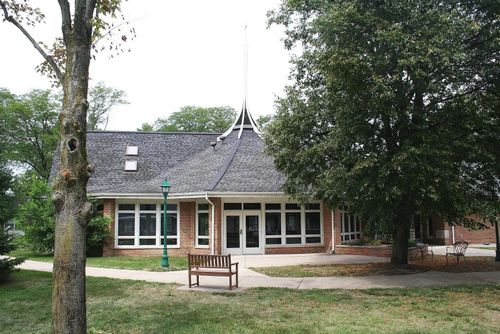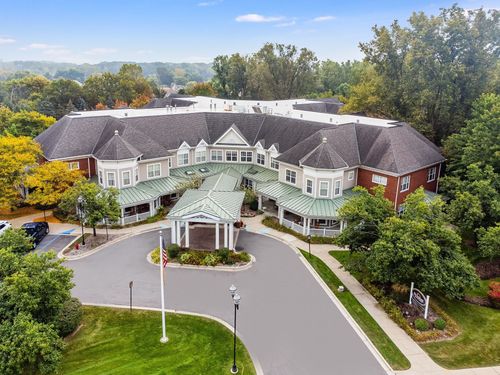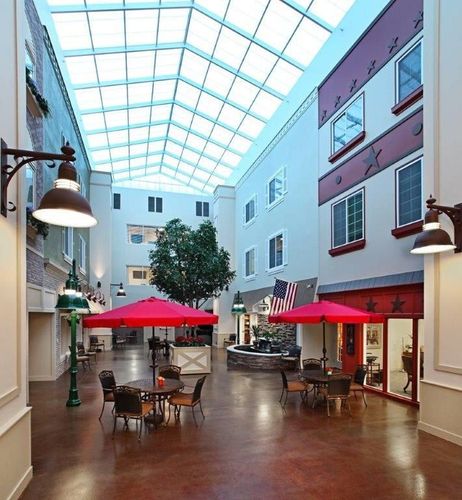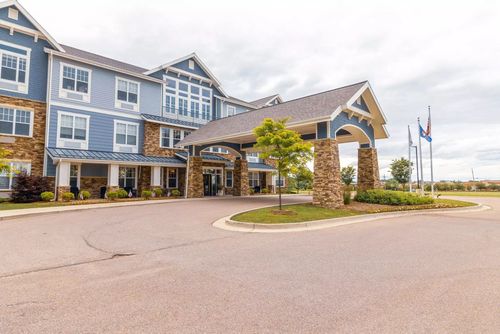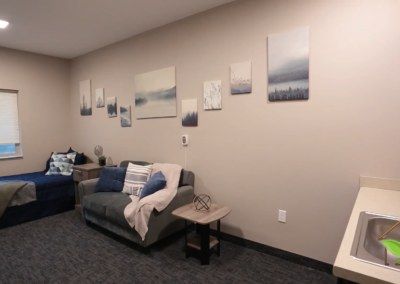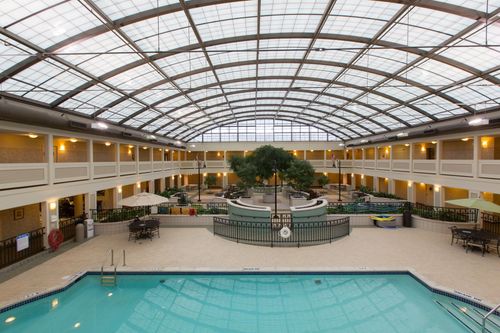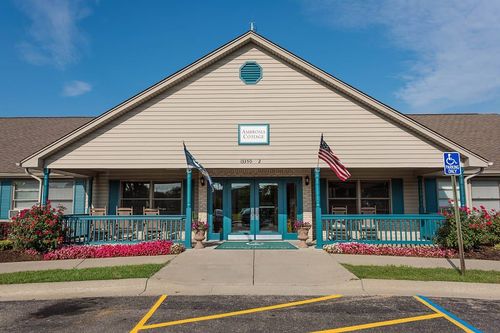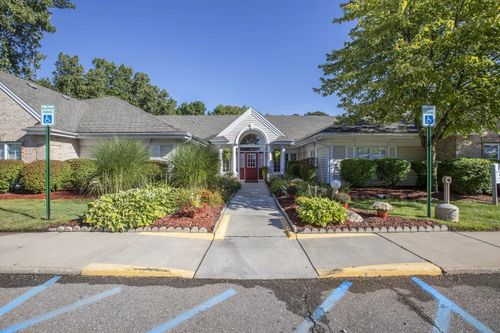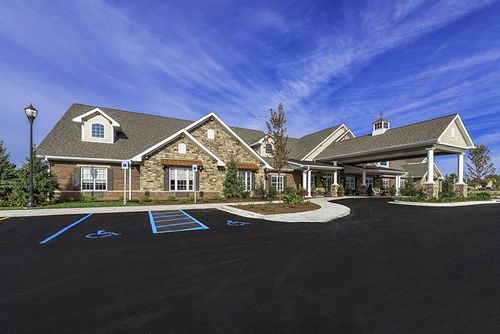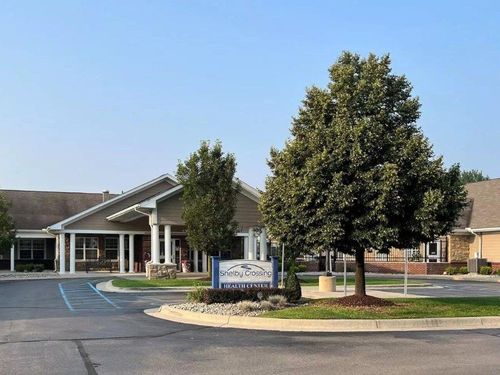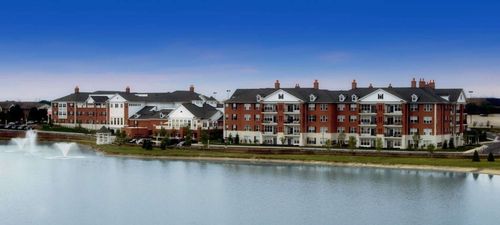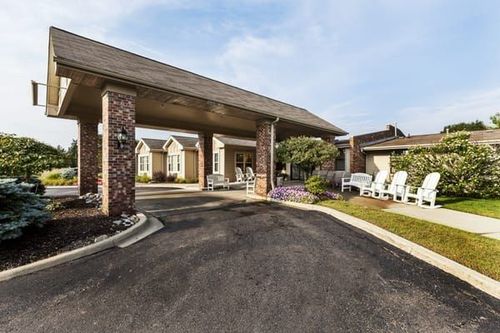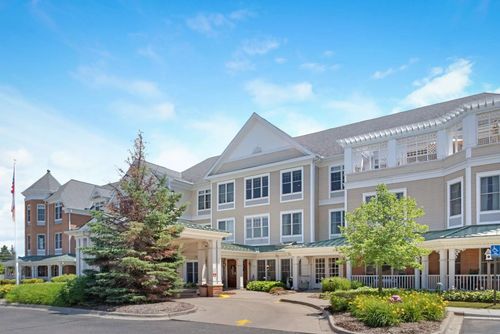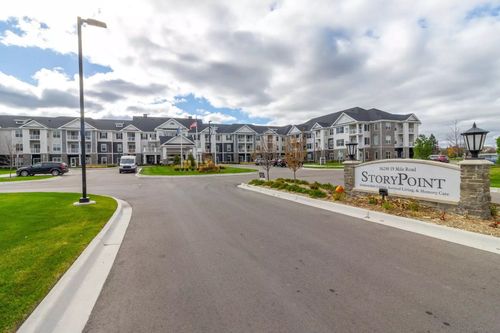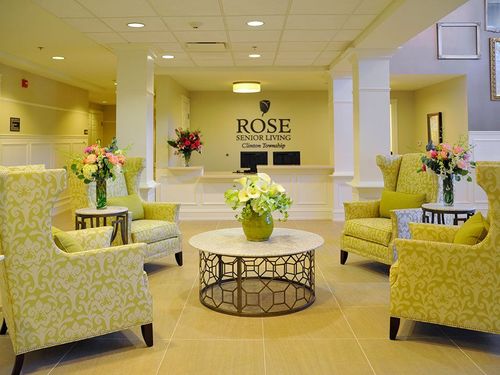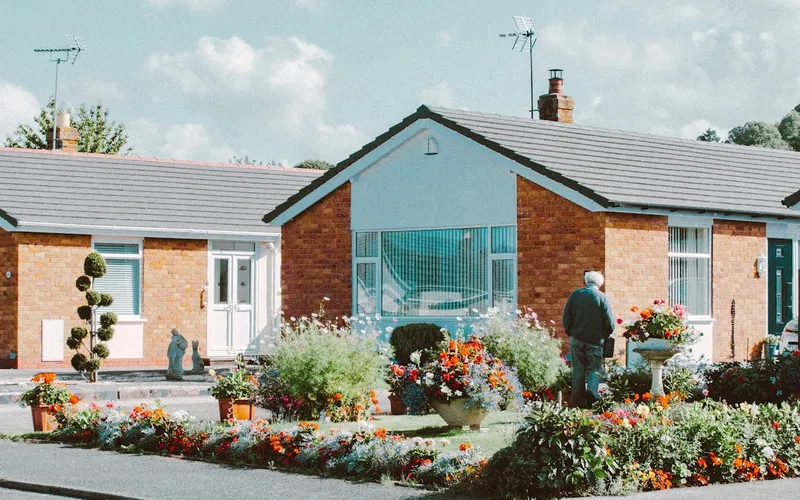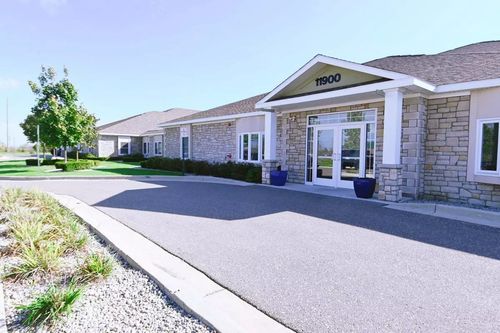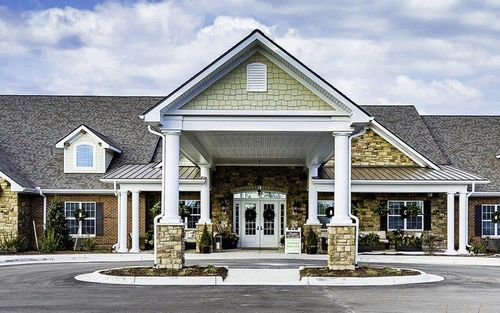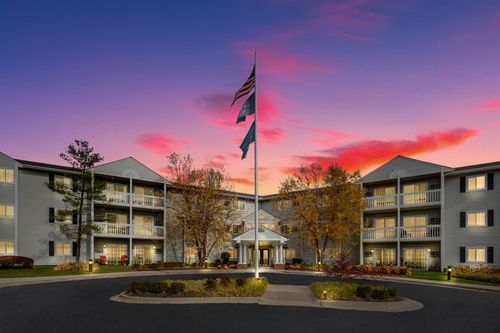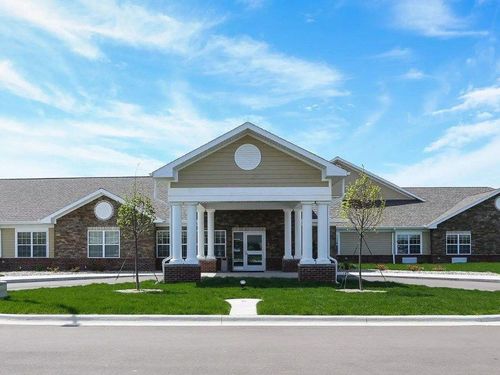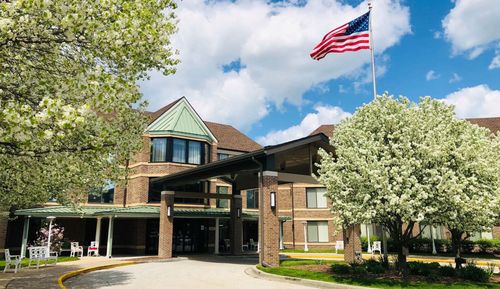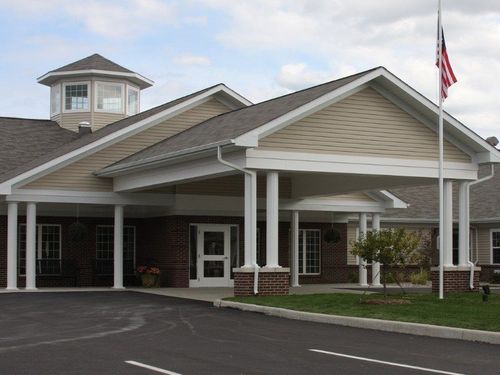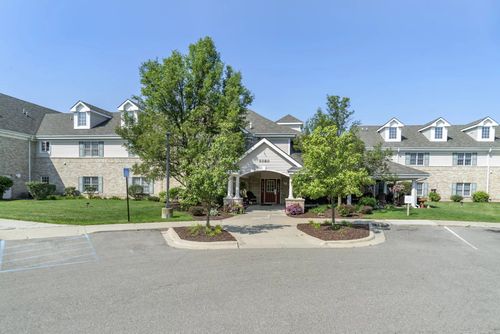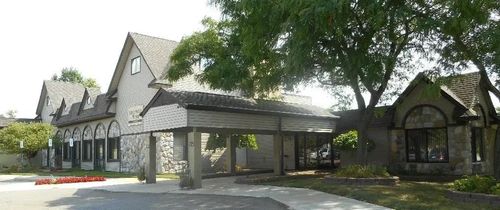



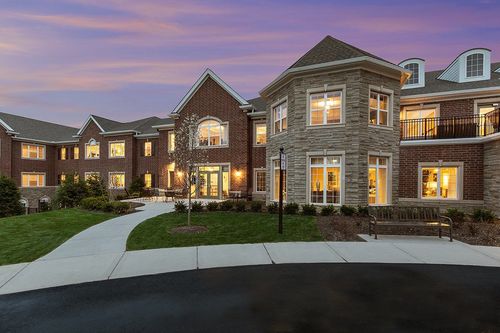


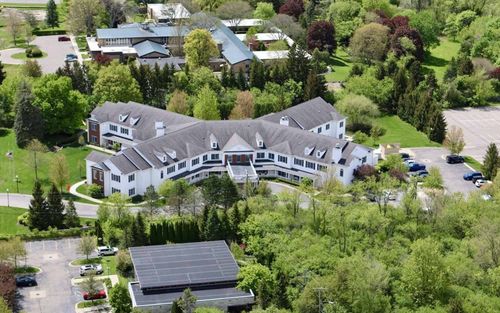
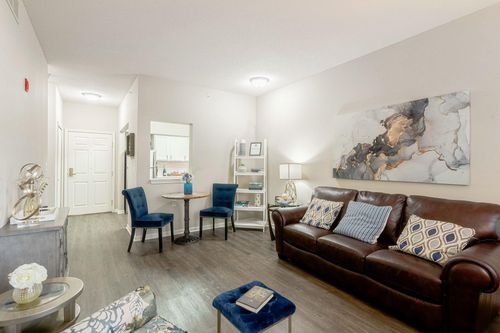
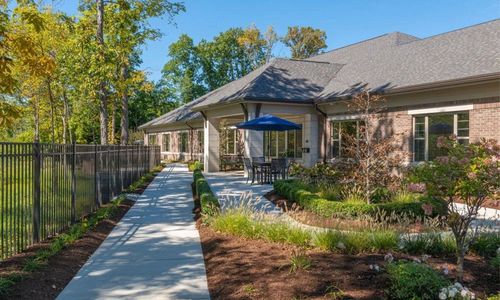

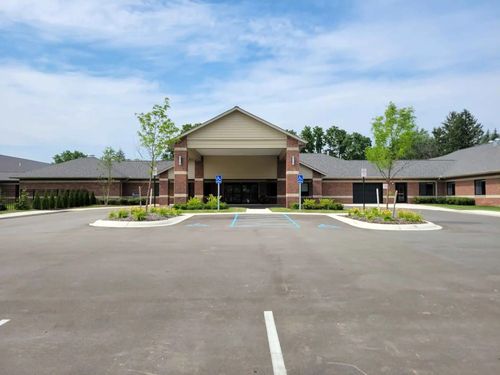


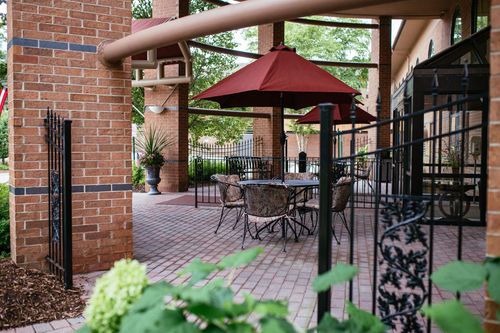

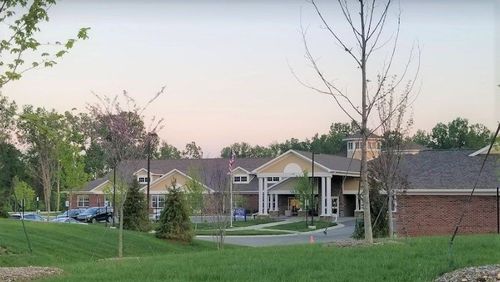
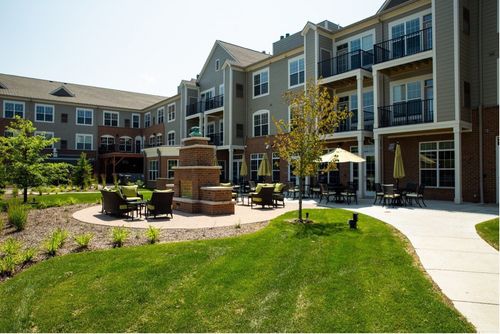


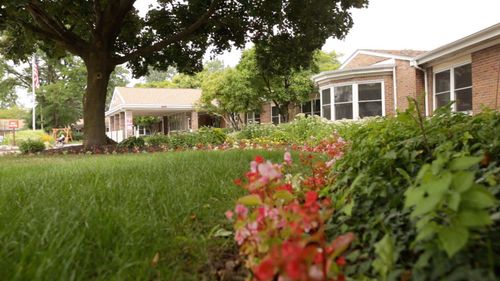
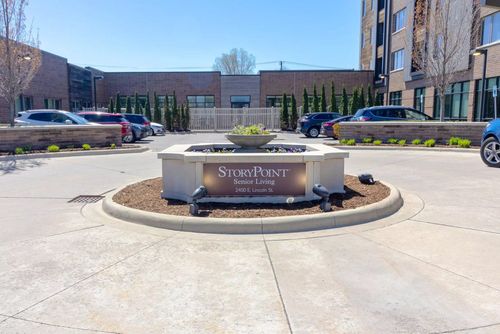
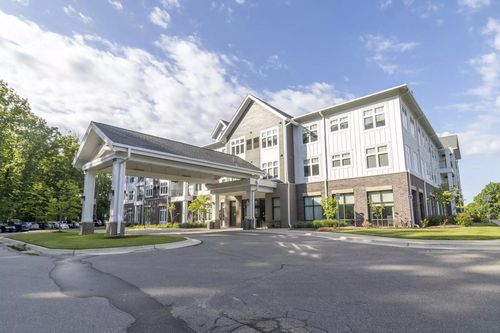
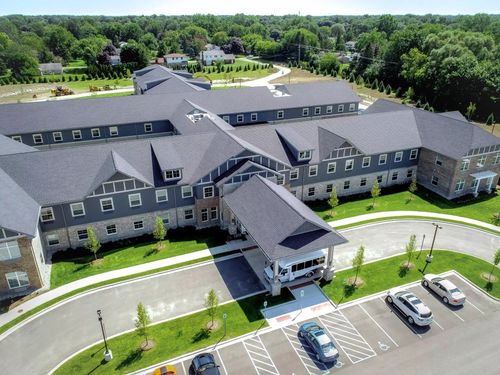
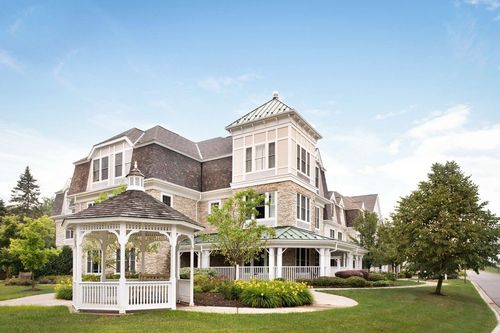
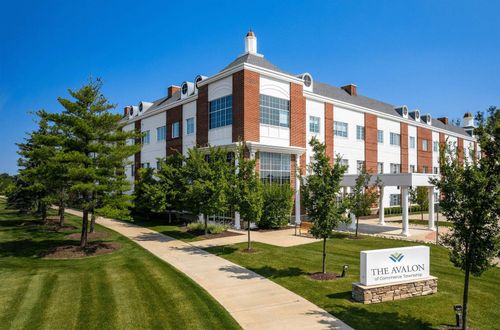
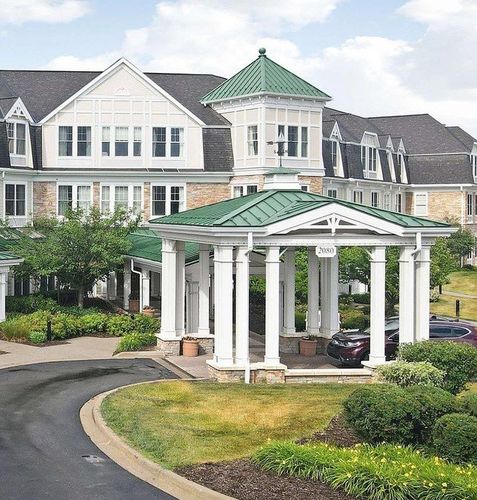

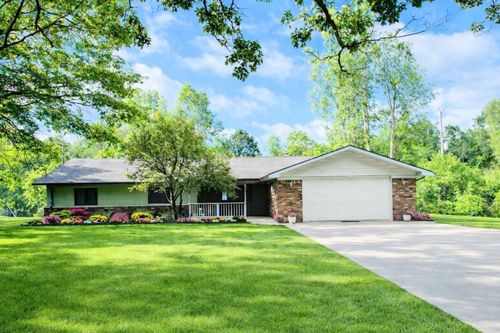
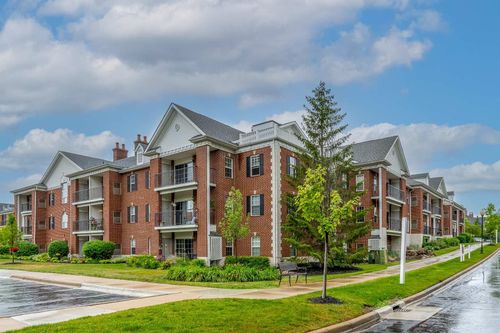
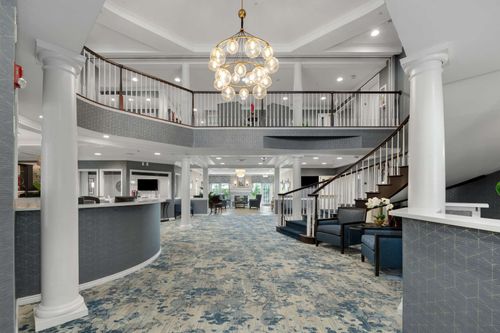
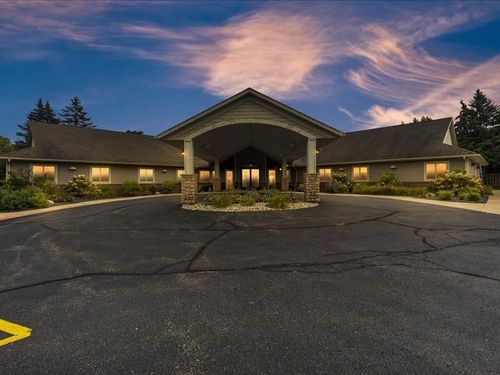
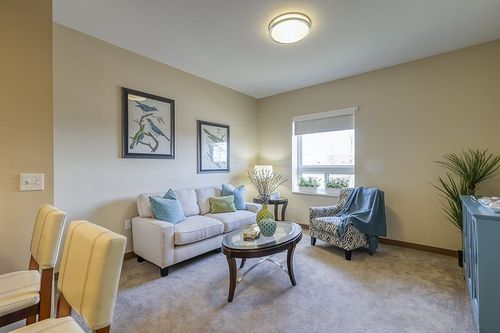
Oakland County supports more than twenty memory care choices distributed across suburban corridors and quieter northern townships in Michigan. Families navigating cognitive decline find themselves weighing physical layouts that range from small residential homes holding twenty beds to expansive multi-building properties housing up to one hundred thirty-two residents.
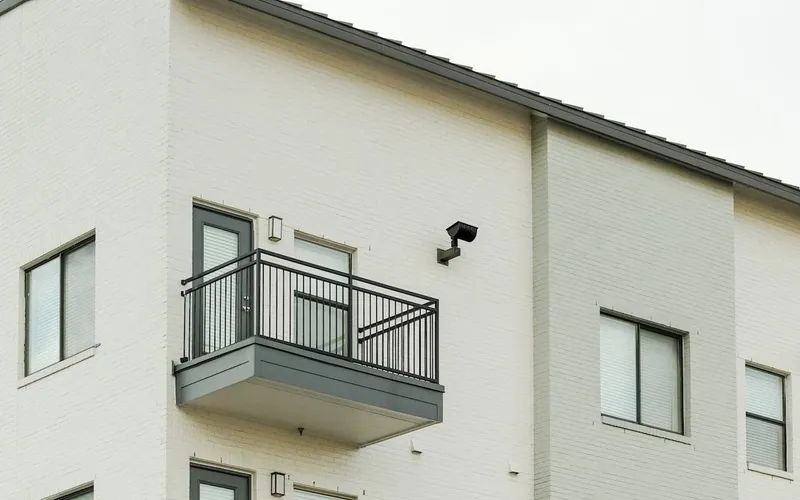
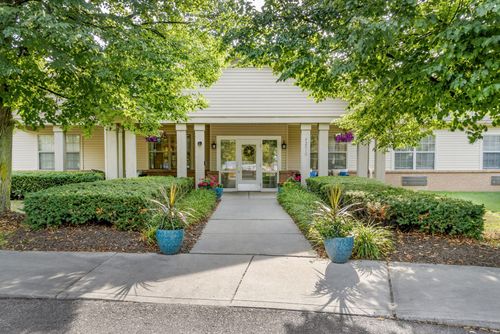
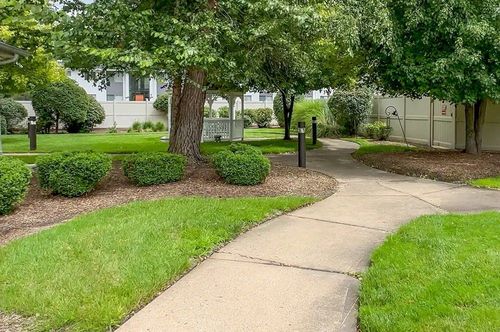
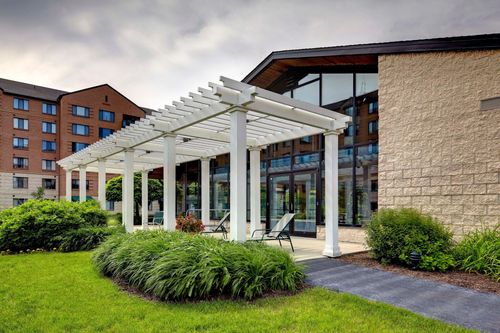
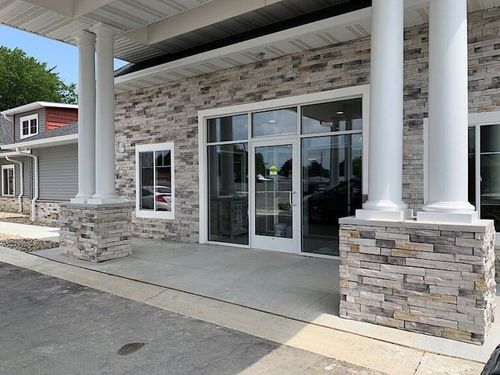
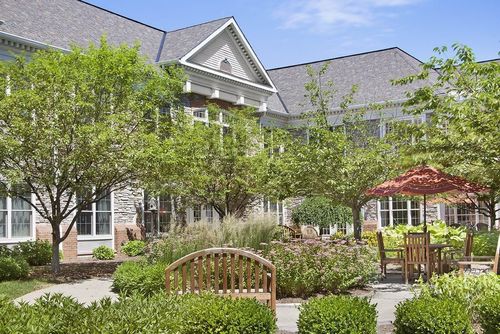
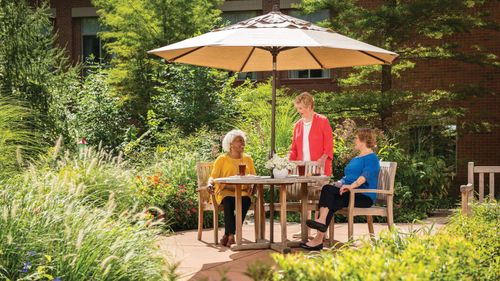
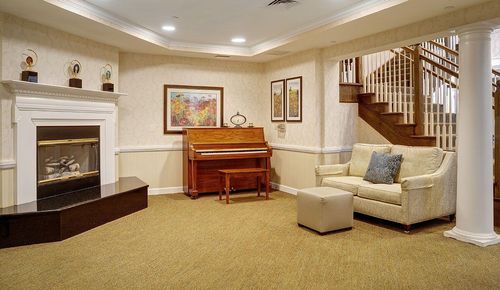
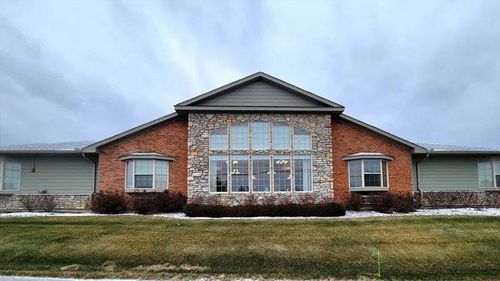
Choosing between a dedicated standalone structure and a specialized wing attached to a larger senior campus shapes how daily movement feels for a relative with progressive memory loss. Secured perimeters and enclosed courtyards define these environments, giving relatives peace of mind while supporting safe wandering behaviors.
Daily Rhythms Inside Secured Walls
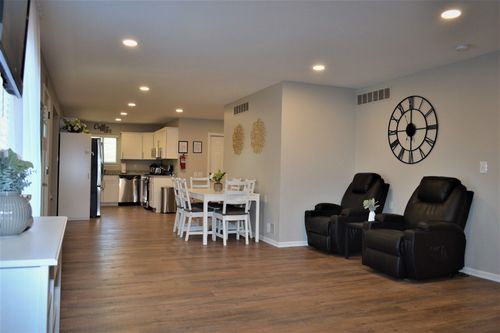
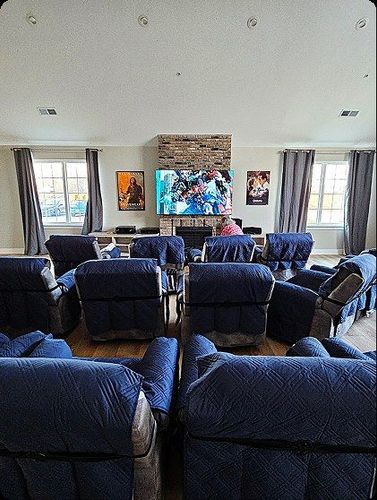
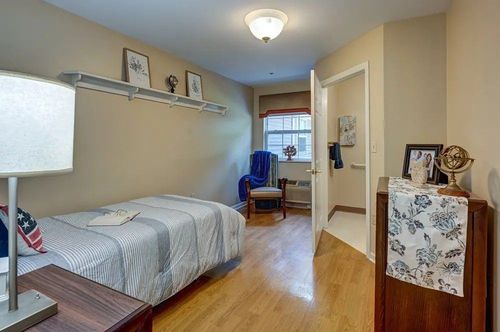
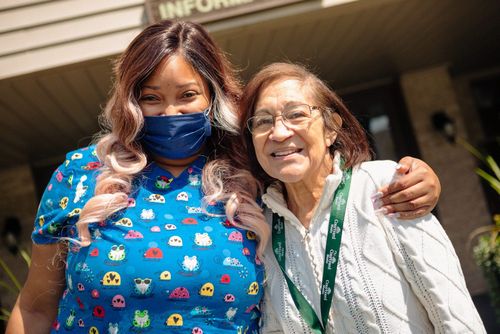
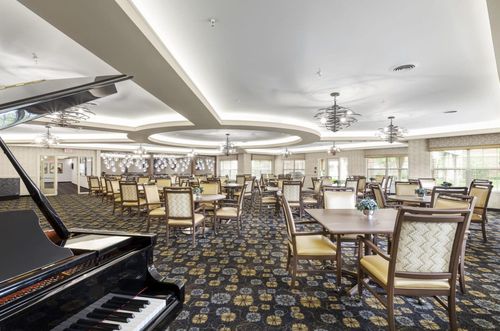
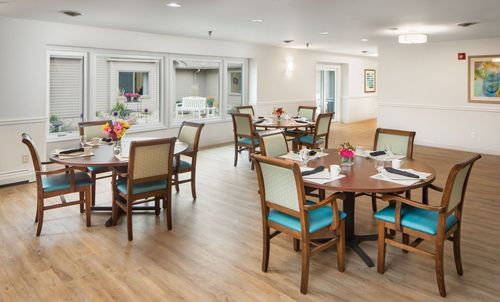
Structured routines help minimize confusion for individuals navigating mid-to-late-stage dementia. Staff members trained in redirection guide residents through familiar morning habits, shared meals, and tactile activities designed to spark recognition. Smaller residential settings often feature centralized kitchens where the scent of cooking provides gentle sensory cues about the time of day.
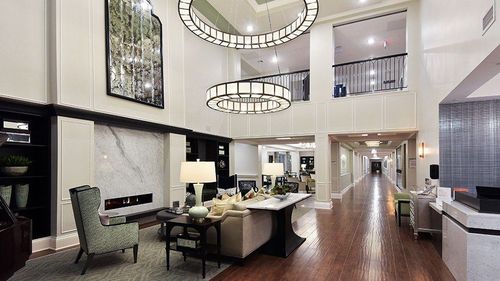
Larger community settings divide residents into distinct neighborhoods to keep social circles intimate. Staff ratios remain adapted to individual support needs throughout the afternoon hours. Several local spots accommodate household pets, letting residents maintain bonds with familiar animals that bring comfort.
Understanding Monthly Rates Here
Local monthly rates span from $3,400 to $6,370 across the county depending on the depth of personal care required. For instance, Addington Place of Clarkston begins at $5,300 per month, reflecting its specialized environment and staffing structure. Nearby, American House Hampton Village starts at $4,500 per month for standard residential memory support.
Additional care tiers can adjust these baseline figures as physical or cognitive needs escalate. Financial planning requires looking closely at how base rates interact with medication management fees and personal care add-ons. Only a few local residences accept Medicaid payments, making early financial mapping essential for long-term residency.
Local Pressures on Available Spaces
Suburban growth across the county drives steady demand for specialized dementia support environments. Adult children often search for local options after a sudden safety incident at home forces a rapid transition. Waitlists can fluctuate rapidly during peak seasonal moving periods in spring and autumn.
Families benefit from mapping out choices before a crisis point arrives at home. Proximity to adult children living in neighboring townships often dictates where relatives decide to look first.
Why Relatives Choose County Settings
Families trust regional memory care environments because specialized staff handle complex behavioral shifts safely. Professional oversight prevents accidental exits while encouraging as much personal independence as possible. Familiar regional surroundings keep local families close for regular weekend visits.
Specialized building designs reduce sensory overload compared to traditional assisted living wings. Consistent care routines foster a genuine sense of home for individuals experiencing confusion.
Navigating Transitions and Finding Support
Timing community entry with hospital discharge paperwork prevents rushed decisions during vulnerable recovery phases. Understanding when to apply for Medicaid support requires tracking state timelines carefully before private funds deplete.
Matching a relative to the right physical bed count ensures they neither feel lost in a crowd nor confined in too small a space. Families ready to explore these options can talk it through during a short conversation.
The Oakland County directory continues to grow as we evaluate providers for quality and alignment in 2026. Reach out for a conversation about memory care in Oakland County, or browse the communities we have vetted at your own pace.