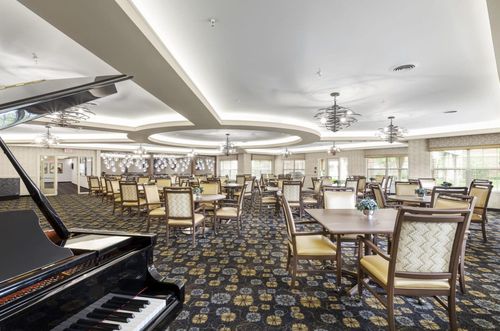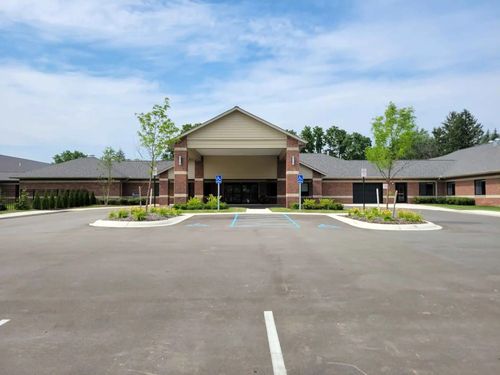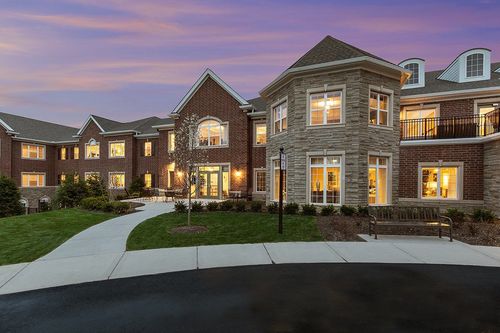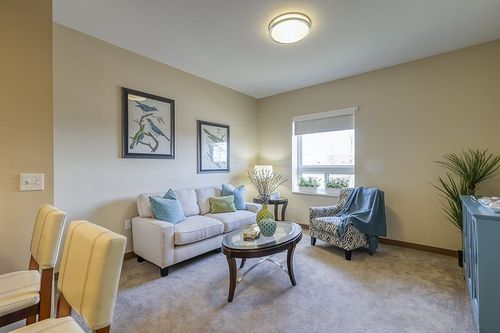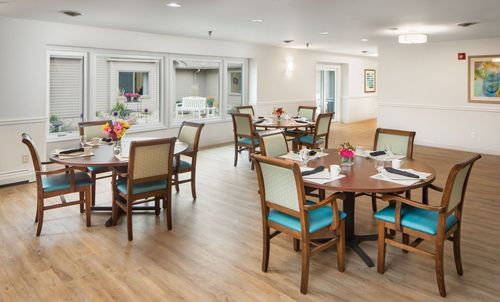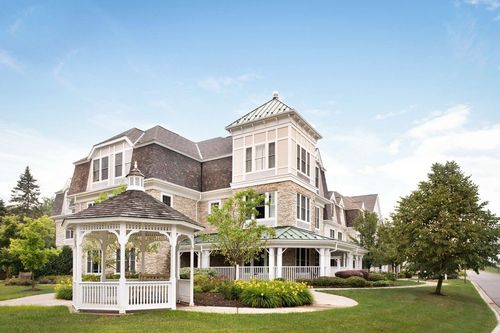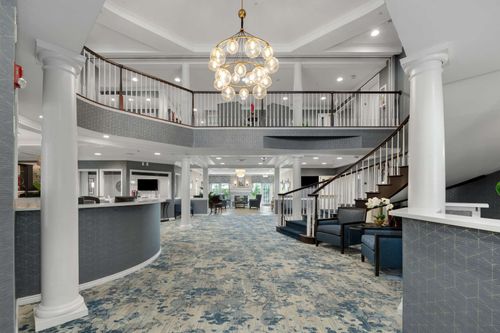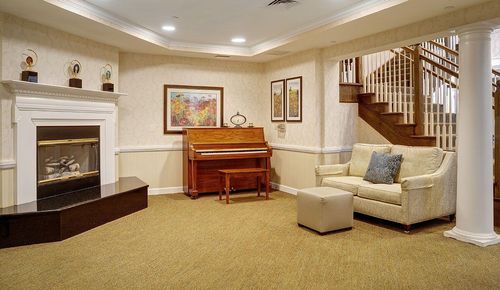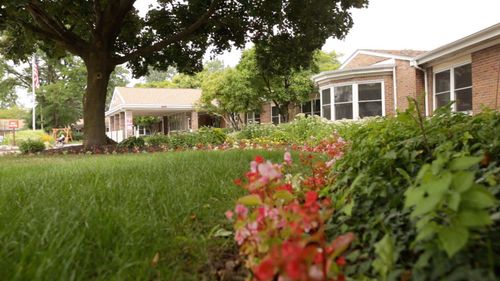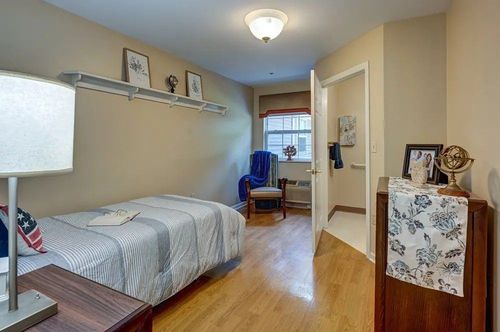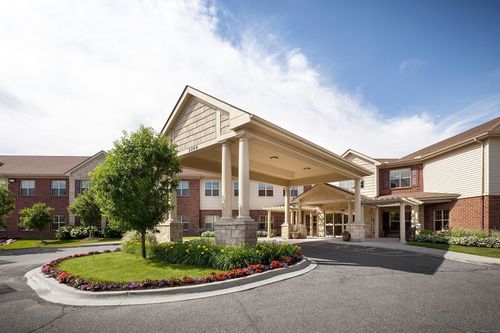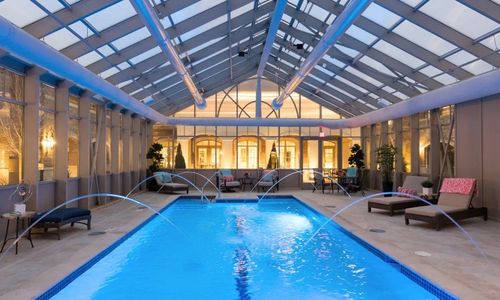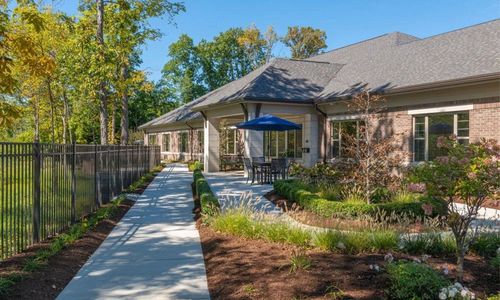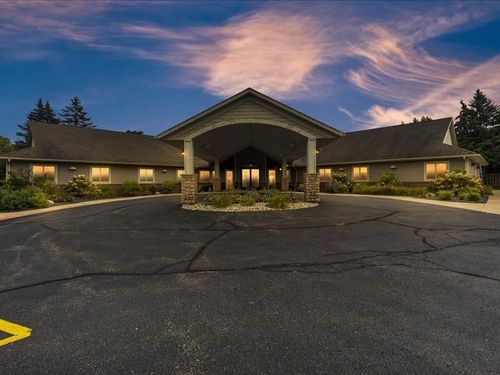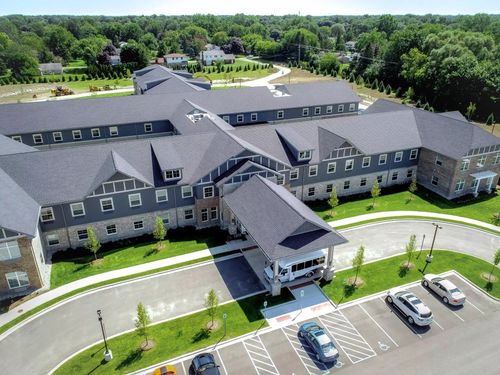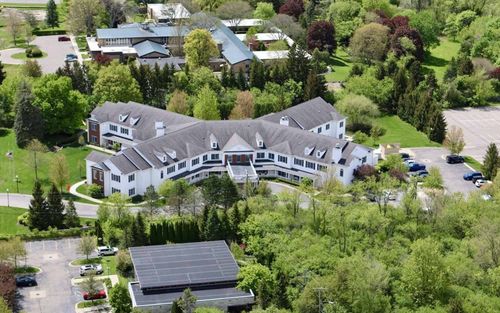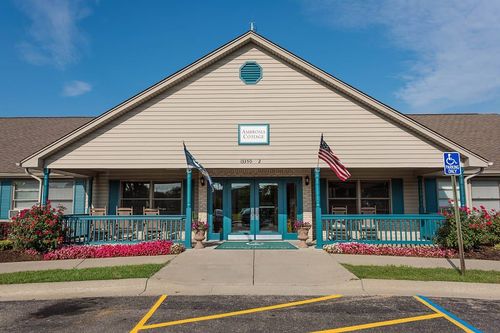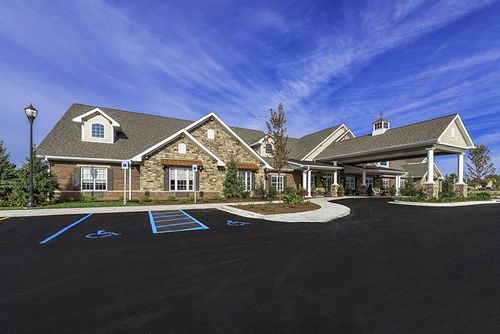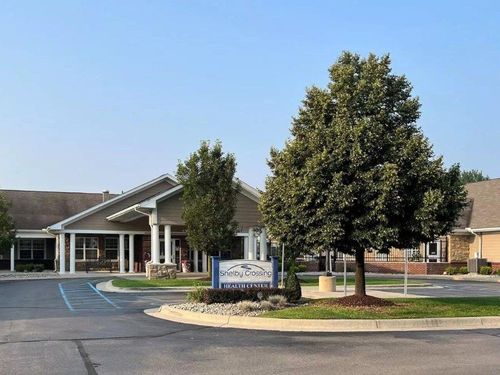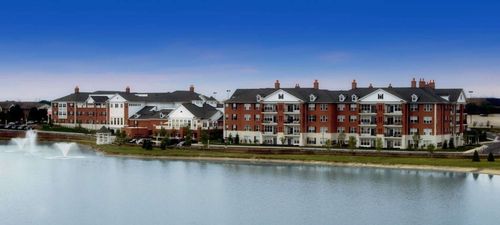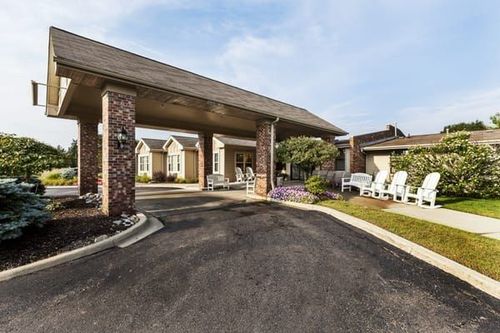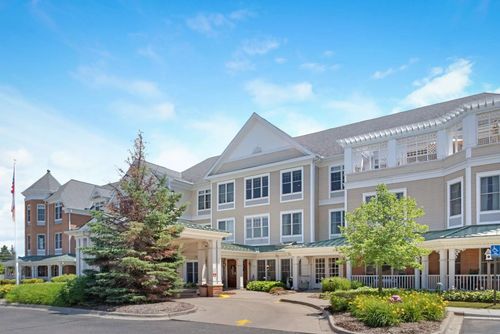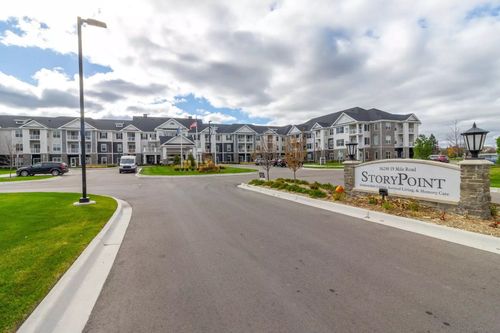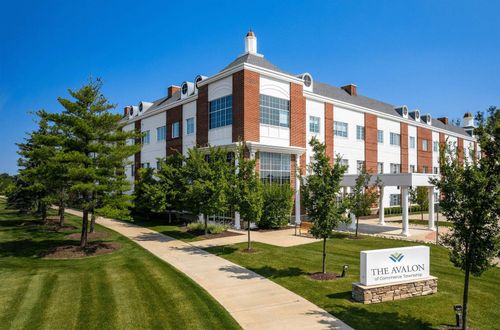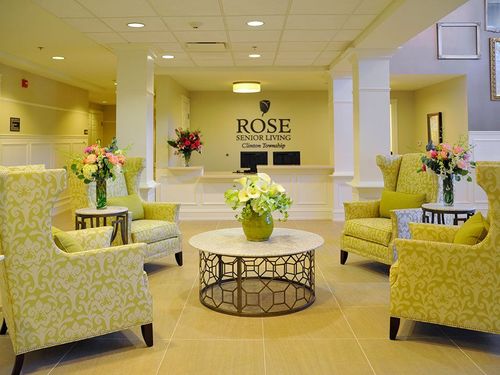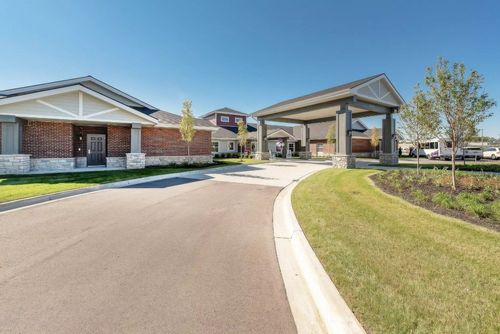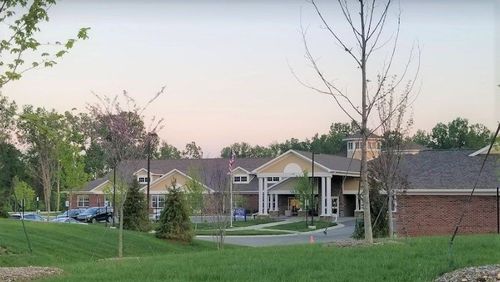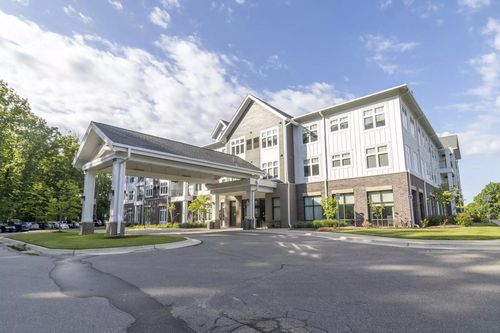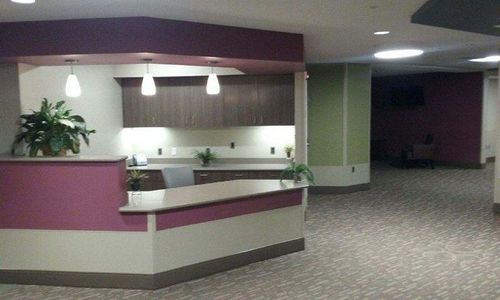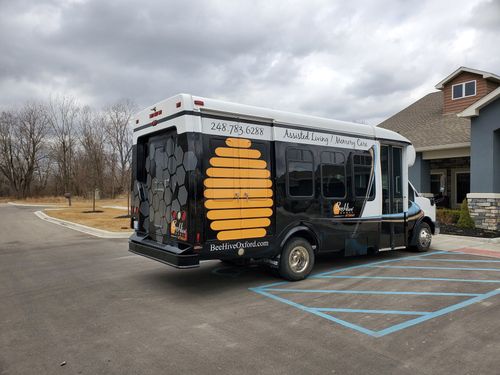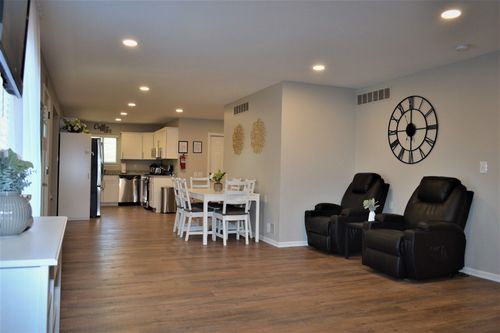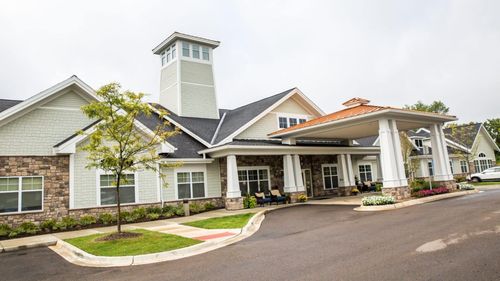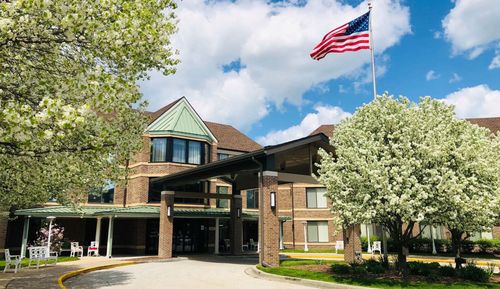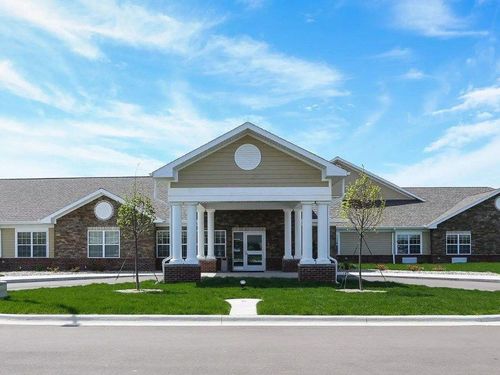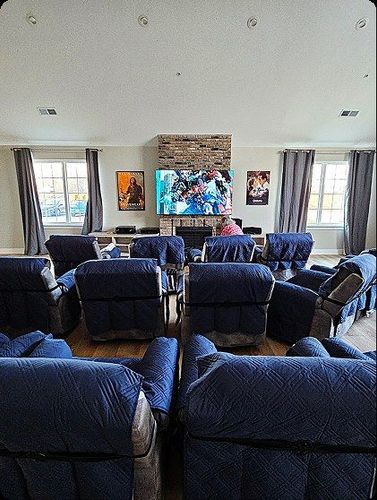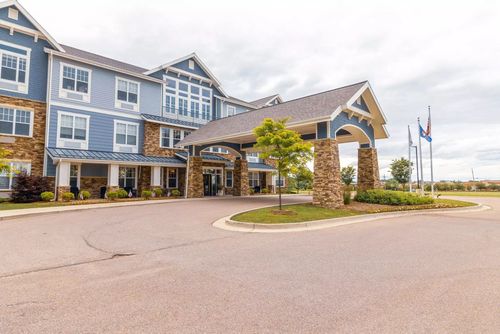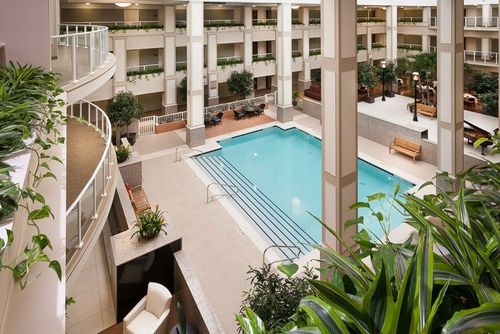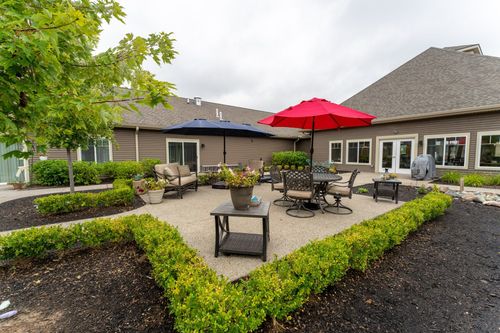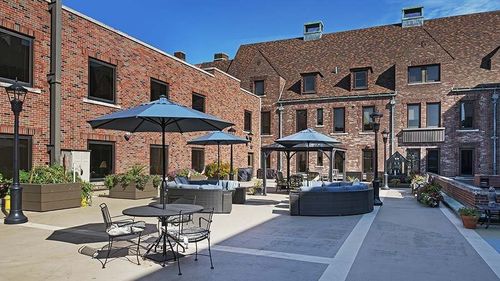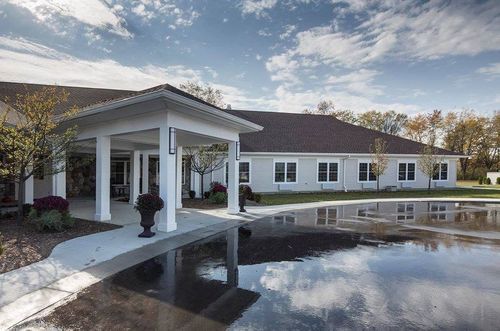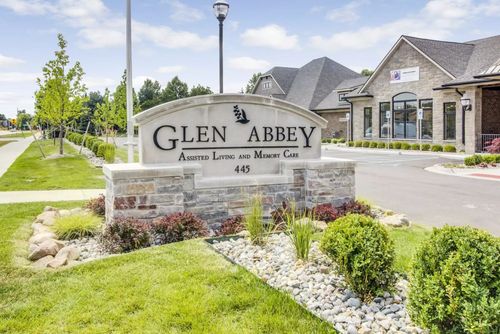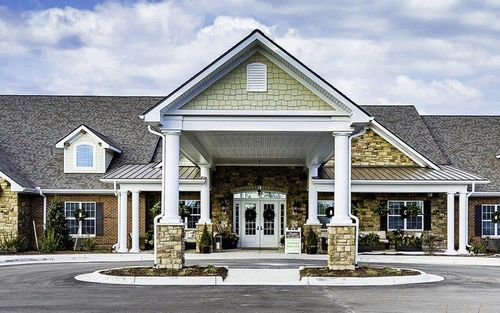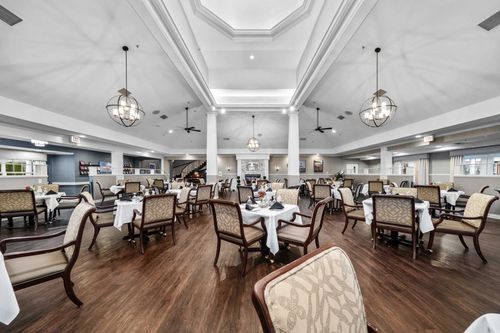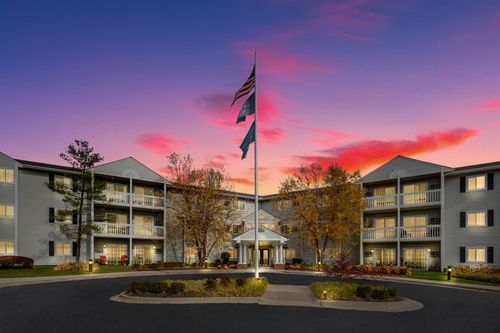
Most Michigan towns make memory care a waiting game, because a handful of secured rooms turn over a few times a year and the family that calls first gets them. Troy is the exception, because Belmar Oakland on North Adams Road, the 1 matching community, gives forty of its ninety-two beds to a secured neighborhood, which is a larger dementia pool than most two-building cities in the county carry between them.
That single fact changes the tenor of a search here. Availability is steadier than the number of addresses would suggest, which means a household can afford to choose on fit rather than on timing, and can take the time to visit twice before deciding.
Inside a Forty-Bed Secured Neighborhood
The essentials are constant at any size: caregivers trained for dementia managing all medication, help with washing and dressing when the resident wants it rather than when a round arrives, meals paced to the person, a secured perimeter, and staff awake overnight.
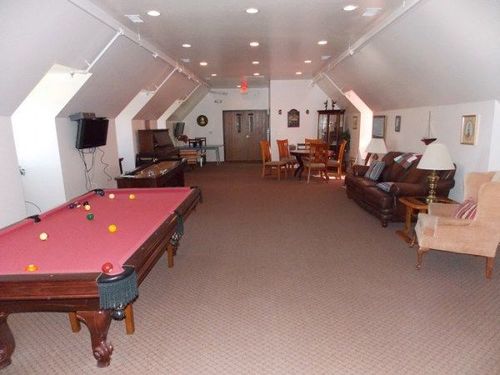
What forty beds changes is what the day can hold. Activities can be run in several small groups rather than one, which matters because dementia residents differ enormously in what they can still join; there are enough caregivers across a shift that a difficult afternoon for one person does not consume the floor; and a resident who paces has somewhere to pace. Pets are accepted here too, though the counterweight is noise and movement, and a resident who is easily overstimulated may settle better somewhere smaller, so the late-afternoon visit is the one that tells a family the truth.
Reading Troy's Two Rates
The building publishes an entry figure of $5,500 a month in 2026, toward the upper end of the Oakland County range, with secured care priced above it. The gap between the two levels here is comparatively narrow, which is worth understanding properly rather than glancing at.
A household moving in at the entry level in Troy faces a smaller eventual increase than at an address whose opening rate looks cheaper and whose secured step is steep. Over three or four years that arithmetic can reverse the ranking entirely, so the figure to ask for is the secured one and the question to ask is what raises it as needs progress. Medicaid is not accepted, which makes this private money throughout; the state's waiver, in any case, funds care rather than the residence and takes a means test and a nursing-facility level-of-care finding to reach.
Deliberate Capacity Rather Than Accident
Oakland County holds a very large older population, and Troy carries a substantial share of it across a city of eighty thousand. A single building giving well over a third of its beds to dementia care is a deliberate answer to that demand rather than the way the numbers happened to fall.
For a family the consequence is practical: a pool of forty turns over predictably enough that a room is usually reachable within a sensible planning horizon, and short respite stays are offered as well, which gives a household a bridging option or a genuine trial run rather than an immediate commitment.
A Hospital Inside the City
Troy is one of the few Oakland County cities with a large hospital inside its own boundaries. Corewell Health Beaumont Troy runs 520 beds and is among the busiest community hospitals in the country for admissions and surgeries, covering emergency care, cardiology, haematology and oncology, and physical medicine and rehabilitation, and it teaches for the Oakland University William Beaumont School of Medicine.
For dementia that proximity does specific work, since a confused stretch caused by an infection or a medication change gets assessed without a long drive, and a resident returns to a building where the staff already know their baseline. Anything above what a large community hospital carries routes to Royal Oak. The Troy Historic Village, eleven nineteenth-century buildings gathered around a green in the middle of the city, is the kind of familiar outing that still works for a resident when newer places have stopped registering.
What a Local Advisor Brings to Troy
When availability is not the binding constraint, the useful questions change. A Local Senior Advisor covering Oakland County can say how the secured neighborhood is running, how it handles a resident whose evenings have become difficult, and where the building draws the line on needs it will not take on.
The pricing question deserves the same attention, because the narrow step between levels here is a genuine planning advantage and is easy to miss when comparing entry rates across the county. Working out the three-year figure rather than the first-month one is what makes a plan hold. Families who reach out while there is still room to weigh both usually end up choosing rather than accepting.
Our Troy directory keeps expanding as we evaluate providers for quality and alignment in 2026. Start the conversation about memory care in Troy, or scan the buildings we cover at your own pace.