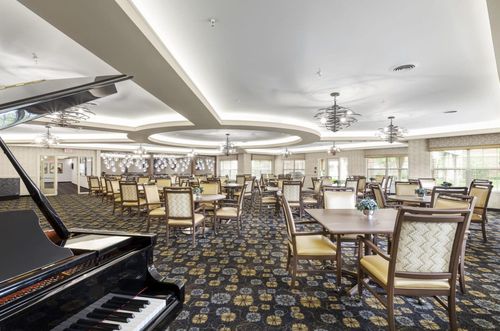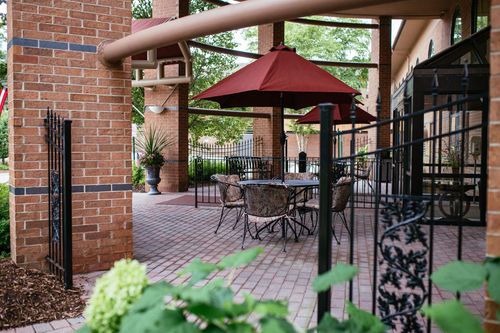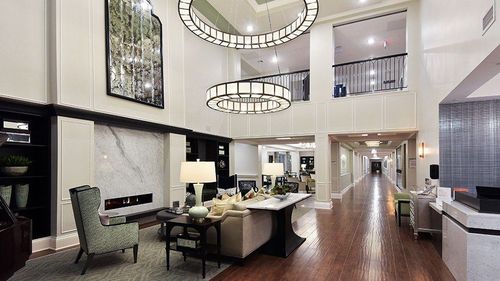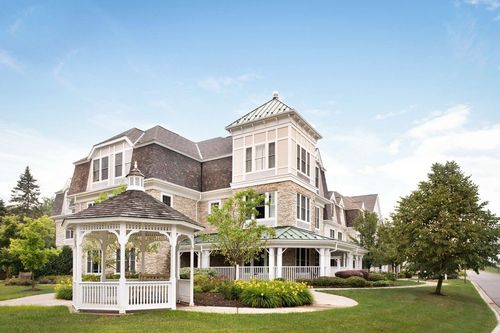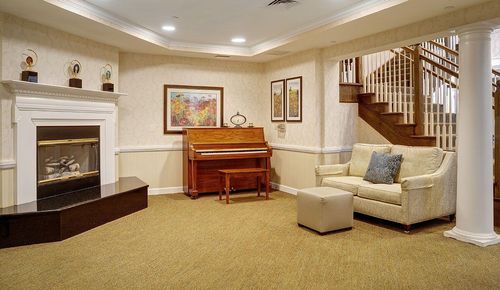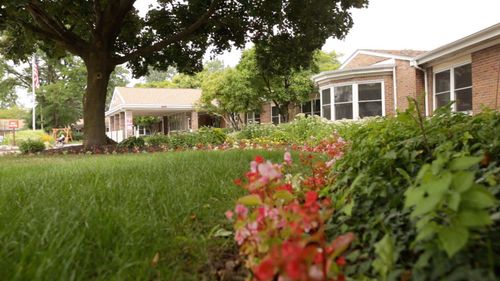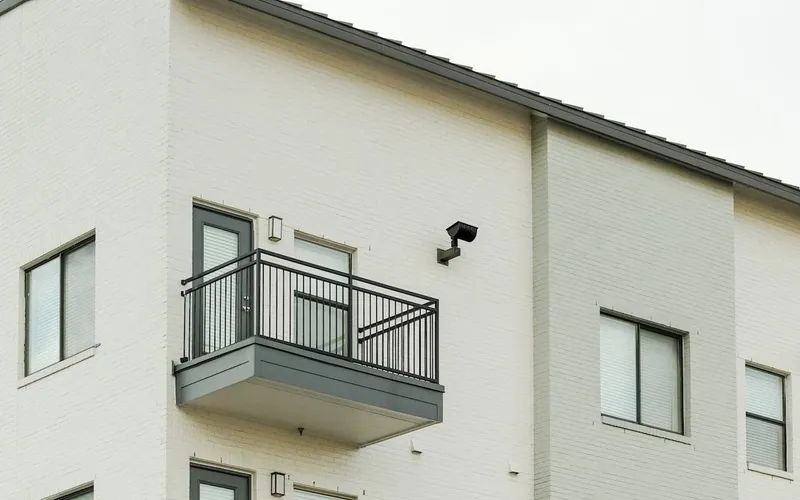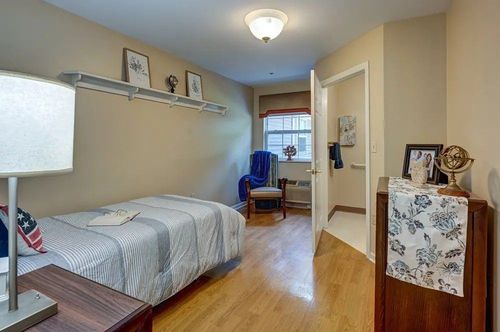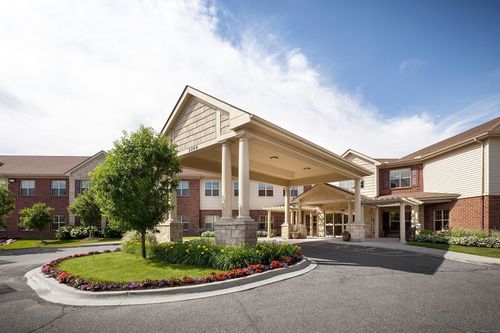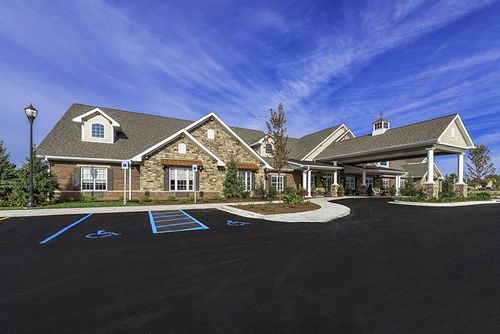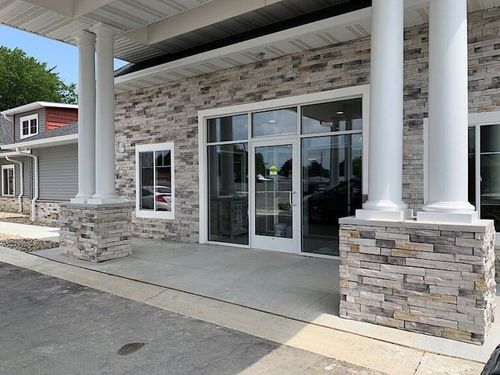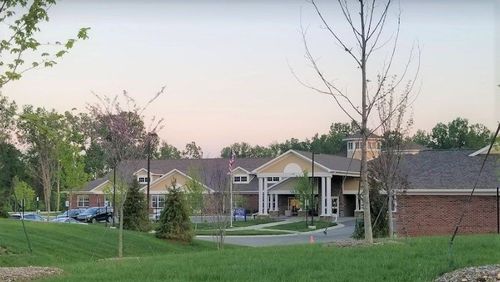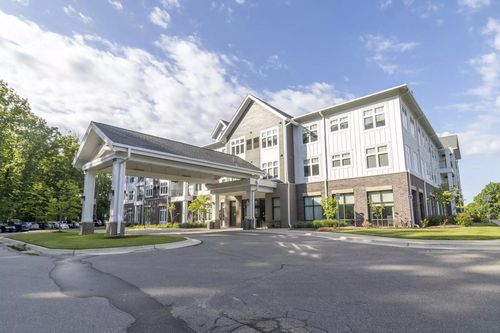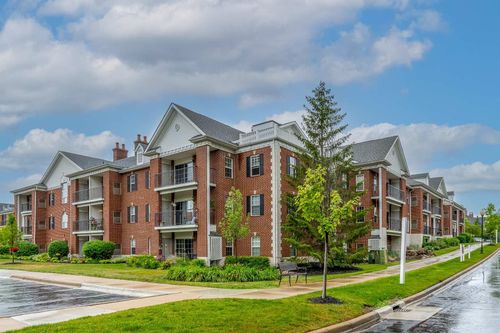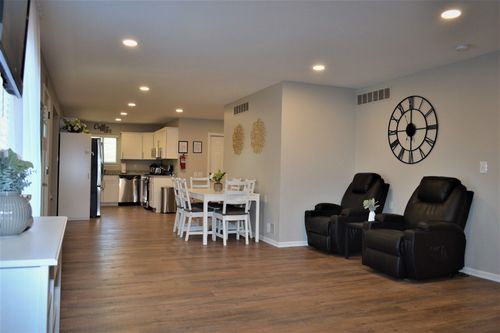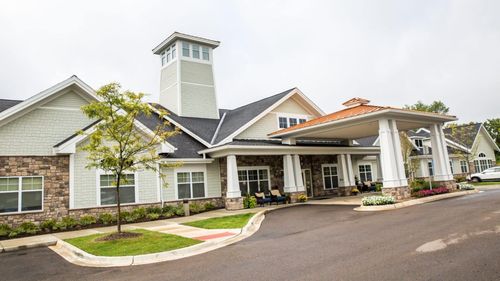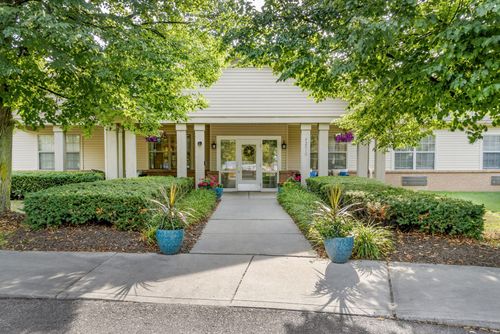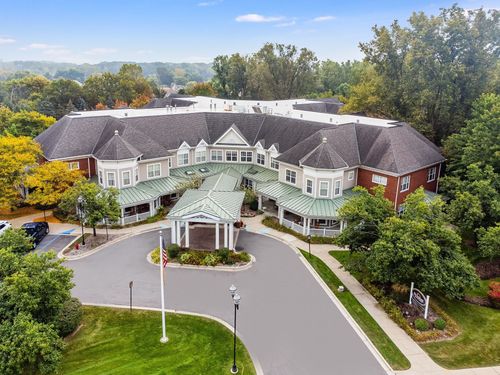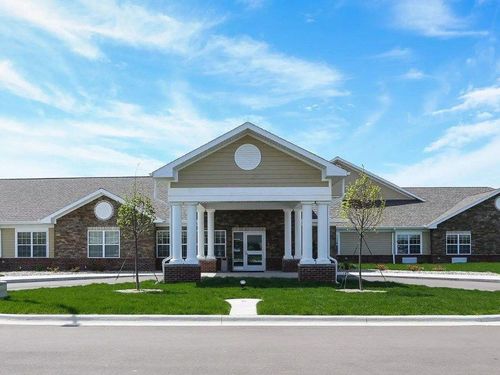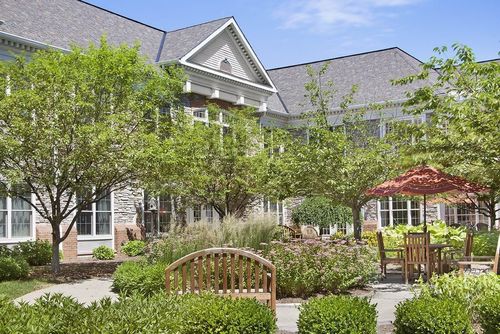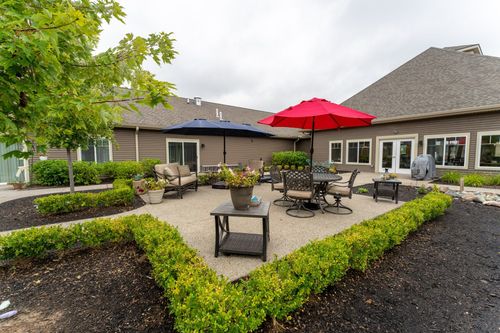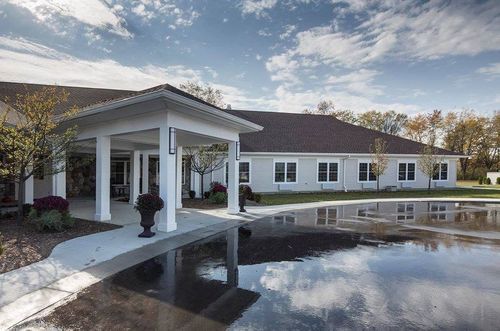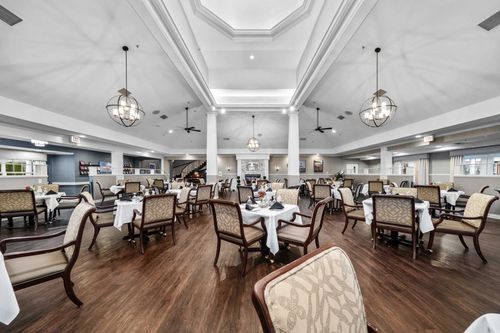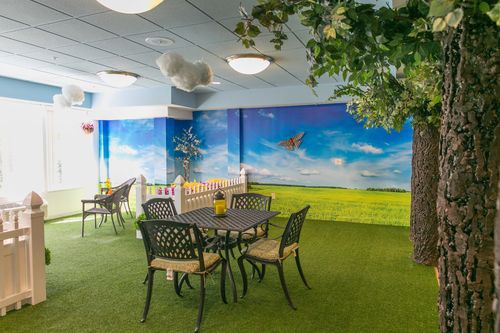
Some Troy households use short stays once and never again. Others settle into a pattern, booking a fortnight two or three times a year, and that repeat arrangement is a genuine way of holding a situation together for a long time rather than a stopgap. Belmar Oakland, at $5,500 a month, is the Troy address taking short-term guests.
The pattern usually emerges by accident rather than by design. A family books a stay for a specific reason, it goes better than expected, and somebody notices that the fortnight bought them enough breathing room to carry on for another six months.
How Repeat Stays Work in Practice
Going back to the same building each time is worth more than it sounds. A guest who has been three times is not arriving somewhere unfamiliar, staff already know how they take their tea and which questions upset them, and the settling period that dominates a first visit largely disappears by the third.
The practical trick is booking further ahead than feels necessary. A household that knows it will want two weeks in March and two in September can put both requests in during January, which is the difference between choosing the dates and accepting whatever is left. Communities are generally glad to take a booking that far out, because a confirmed short stay is easier to plan around than an enquiry in the week it is needed.
Between stays, the building needs to be told what changed. A guest whose mobility has declined since the last visit, or whose medications have been altered, is a different proposition from the one they remember, and a community that hears about it in advance can plan for it rather than discover it.
Doing the Arithmetic Across a Year
Short stays are billed by the day and the daily rate runs proportionally above a monthly one, so four weeks of respite spread across a year costs meaningfully more than a month of permanent residency would. The $5,500 monthly figure attached to Belmar Oakland describes long-term residency rather than a booking.
That comparison is worth making honestly rather than avoided. For a household where a fortnight twice a year genuinely resolves the pressure, the arithmetic favors repeat stays comfortably. For one where the gaps between stays are getting shorter and the relief is wearing off faster each time, the numbers start pointing somewhere else, and noticing that early is better than noticing it in a crisis.
What Limits the Pattern
Availability is the ordinary constraint, and it is why booking ahead matters. The less obvious one is care level, which does not stay still. A guest whose needs have grown since the previous stay may sit outside what the building can take on for a fortnight, and that is far better established at the booking stage than on arrival.
The other limit is the direction the caregiver's own health is going. Repeat respite works while the arrangement at home is sustainable between stays, and it is worth being honest about whether that is still true rather than assuming last year's pattern still fits.
Planning a Year of Short Stays in Troy
An advisor covering Oakland County can put a year's worth of dates in front of a building at once, confirm what the daily figure covers, check the care level is still within range each time, and flag when the pattern of use suggests the underlying situation has shifted.
If short stays have become part of how a Troy household copes, a short conversation is a good way to check the arrangement still fits.
Our Troy directory keeps expanding as we evaluate providers for quality and alignment in 2026. Reach out for a conversation about respite care in Troy, or look through the communities we have vetted at your own pace.