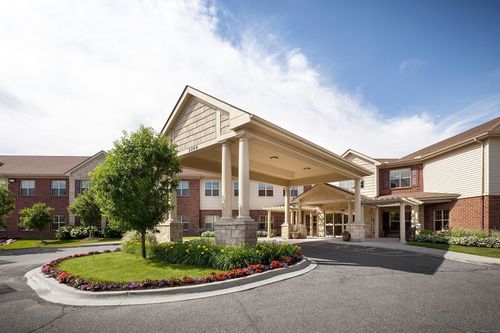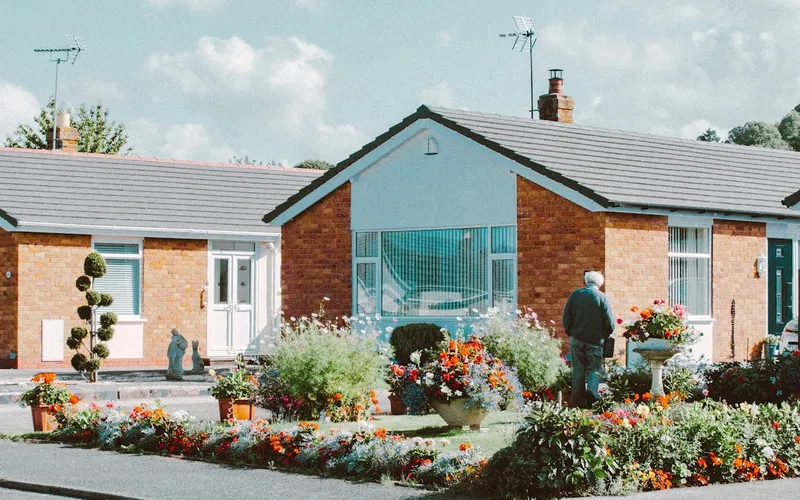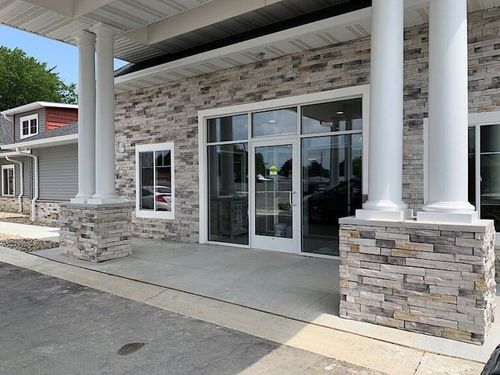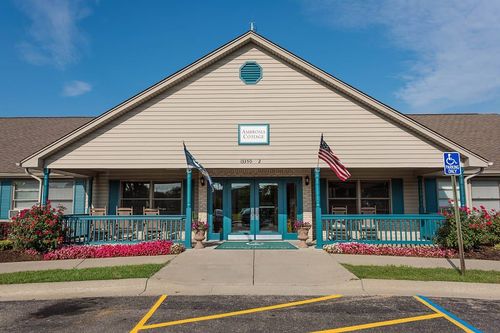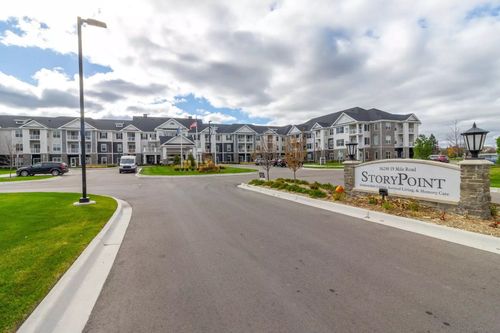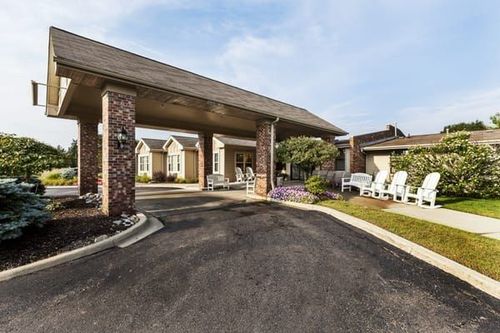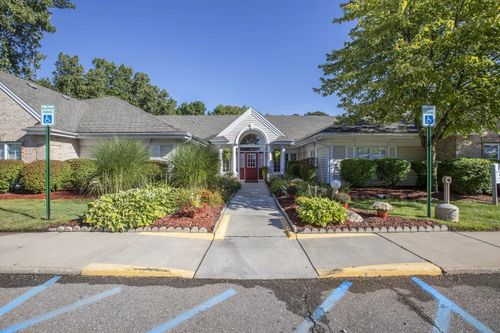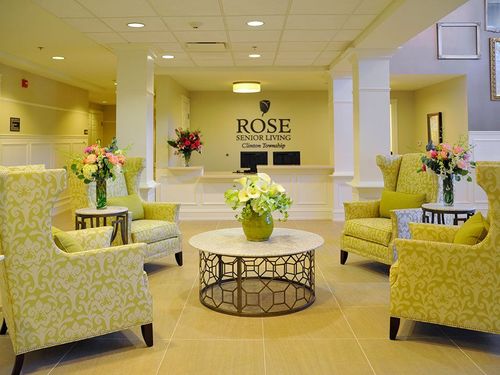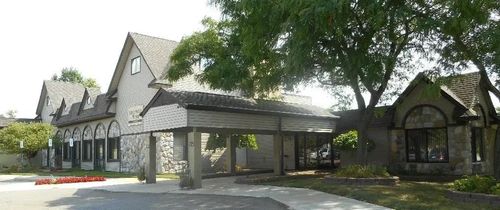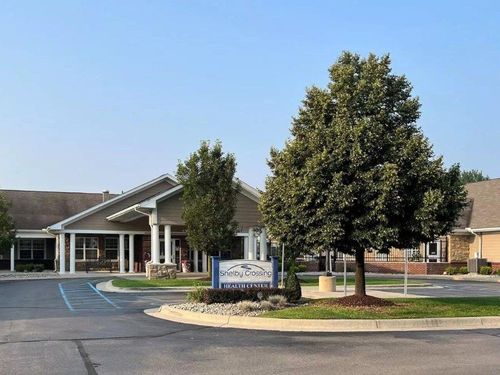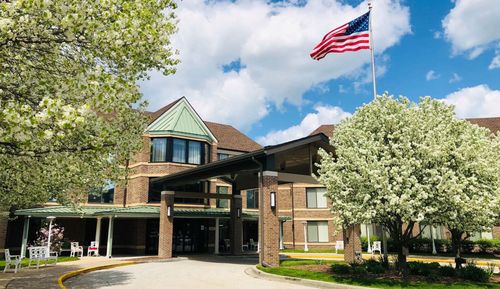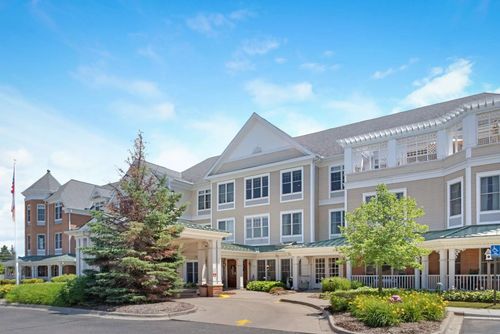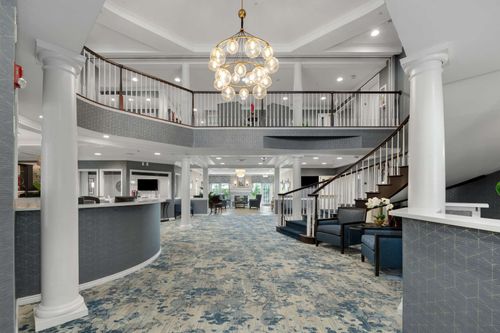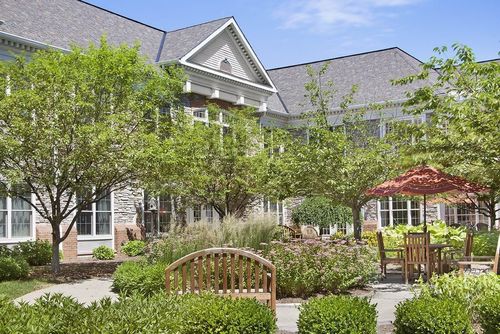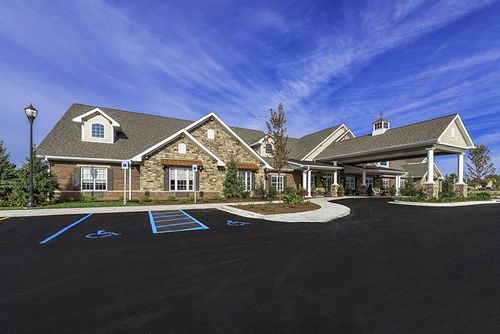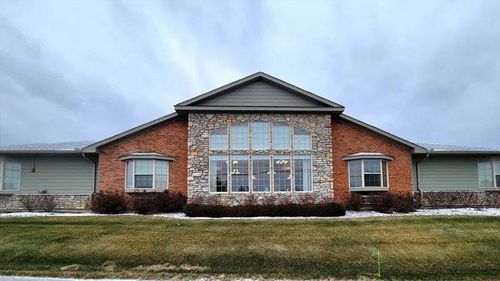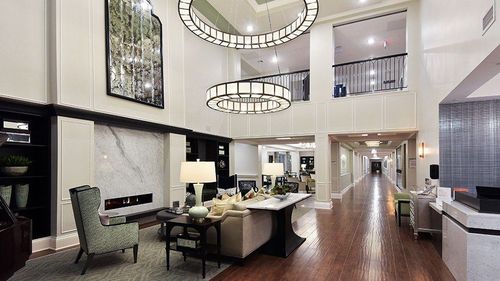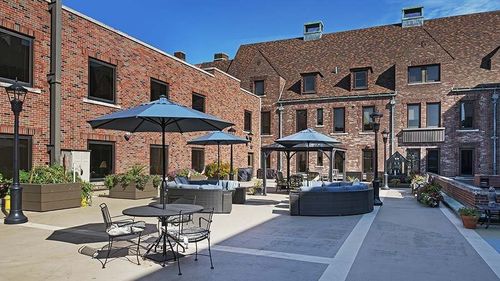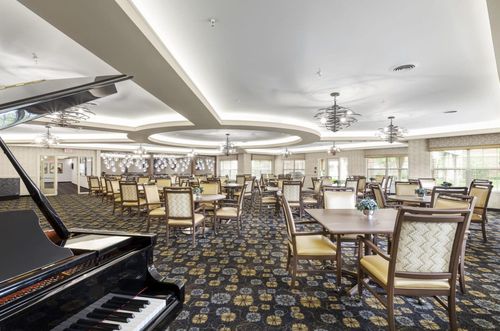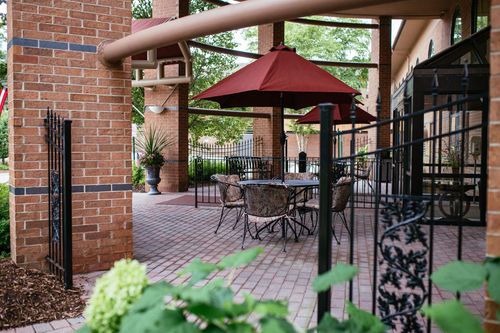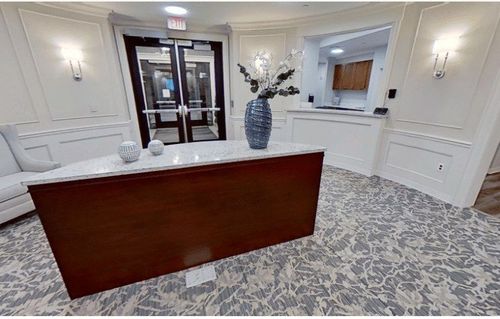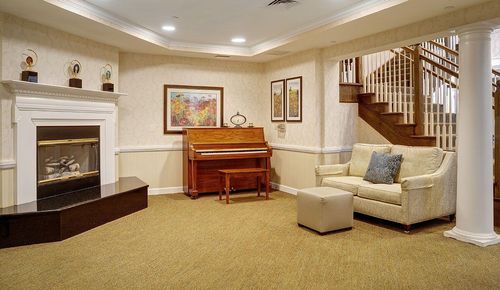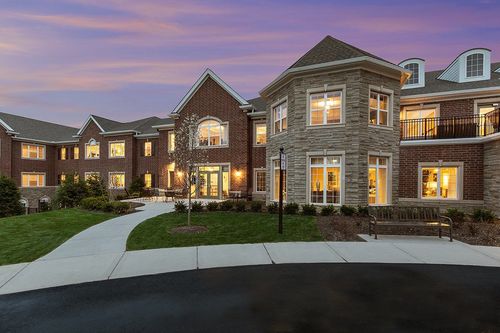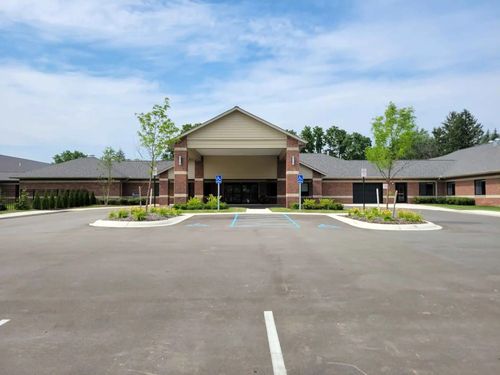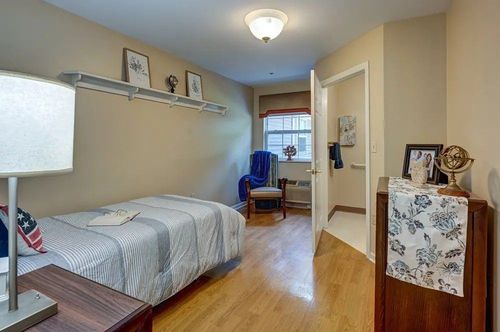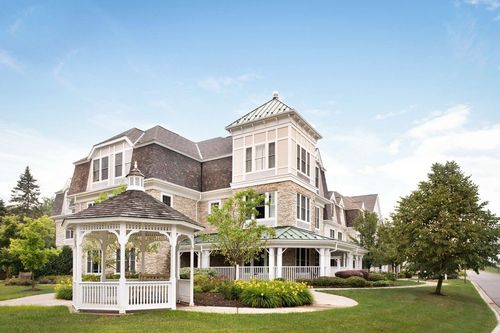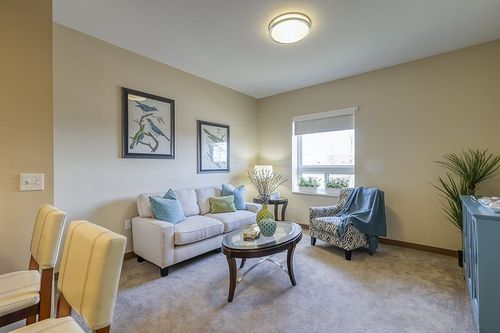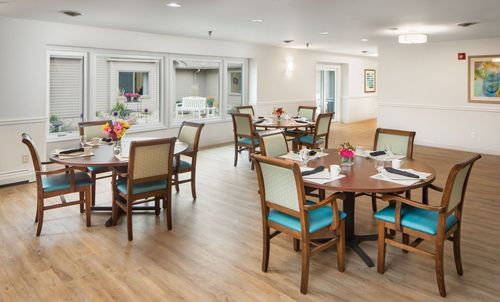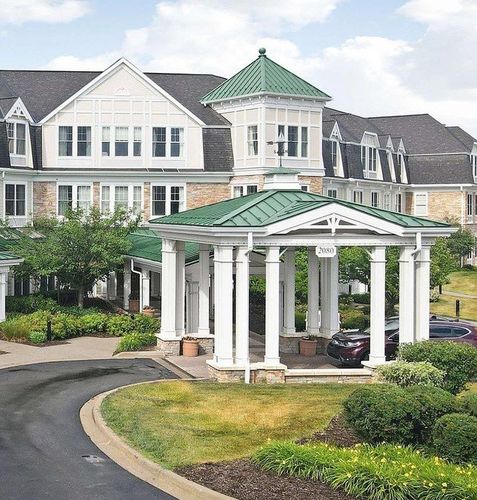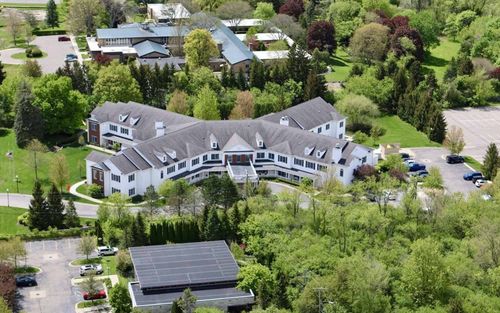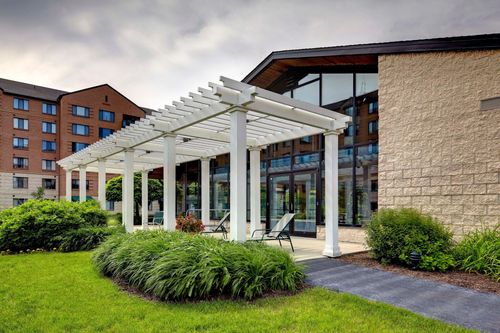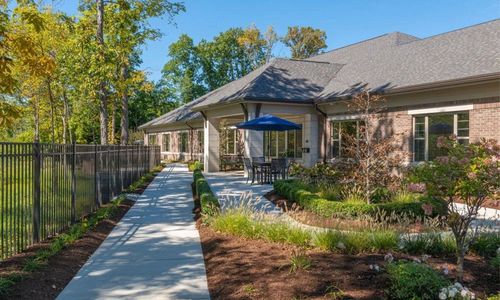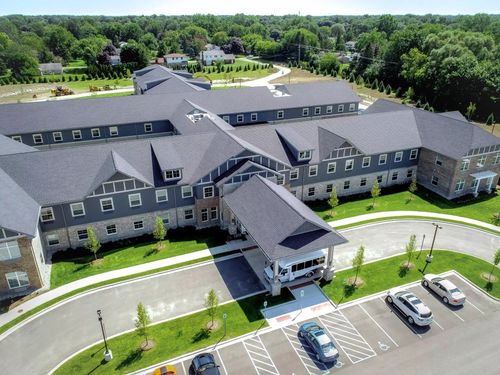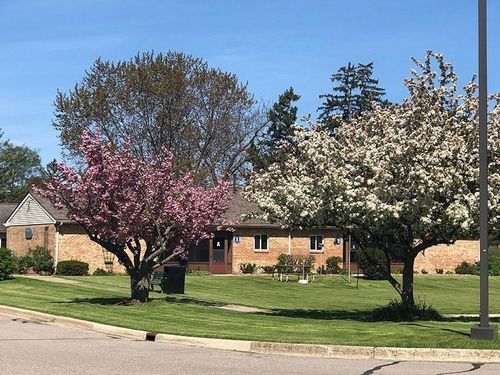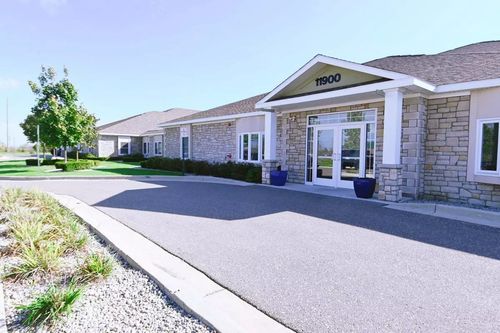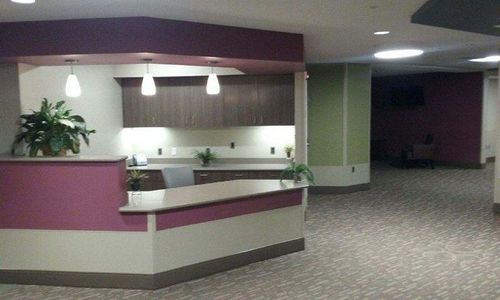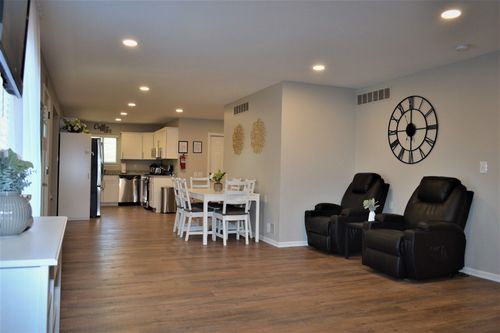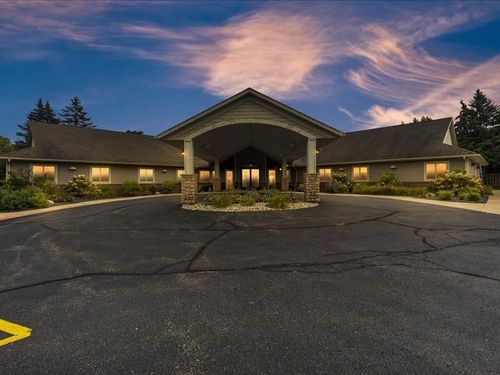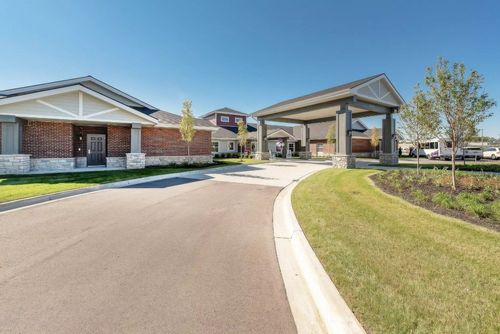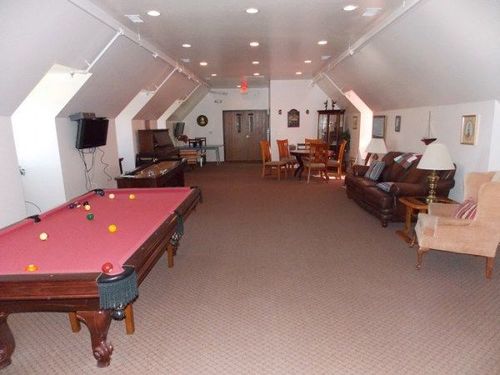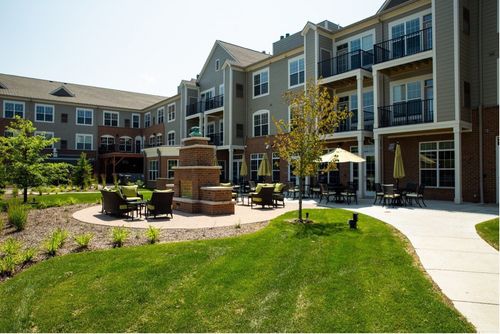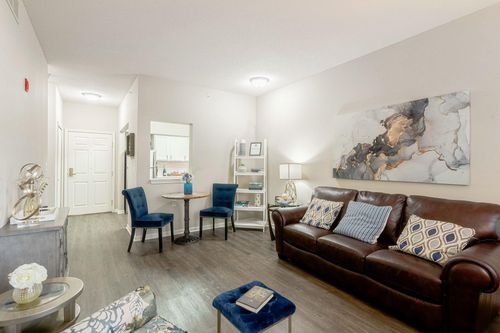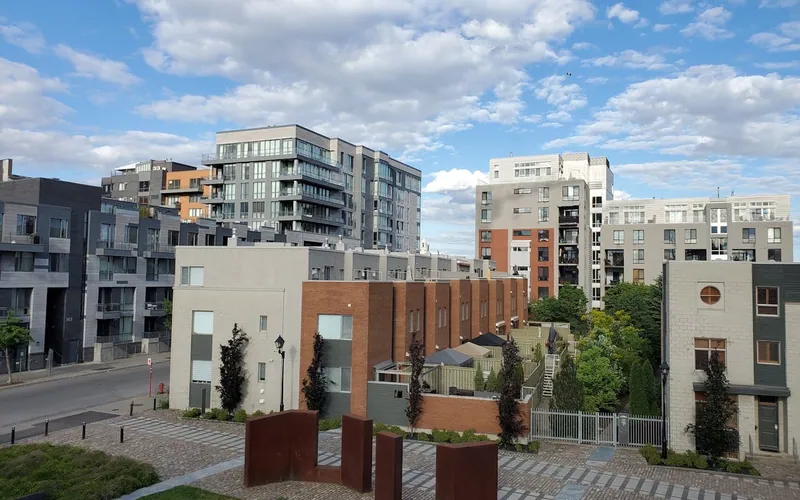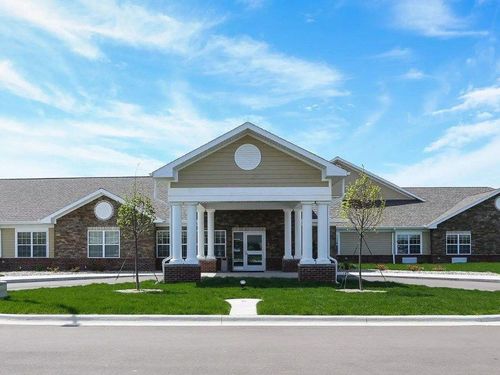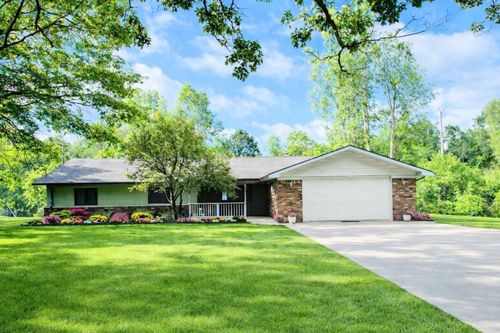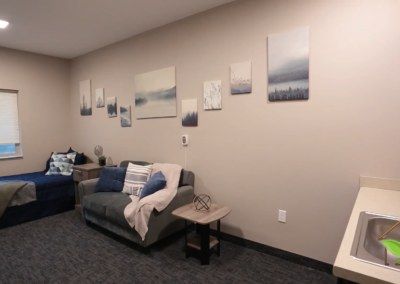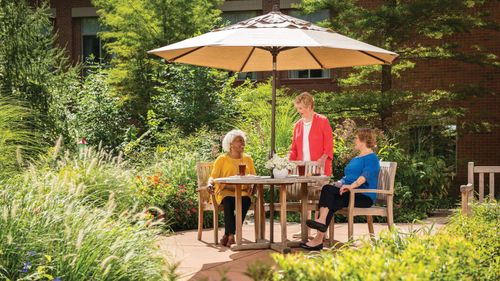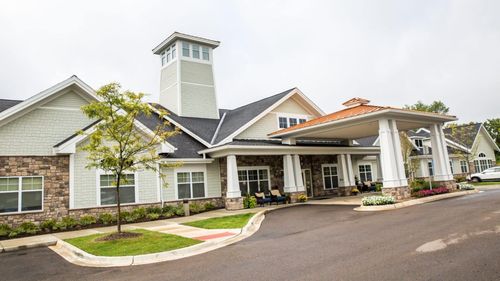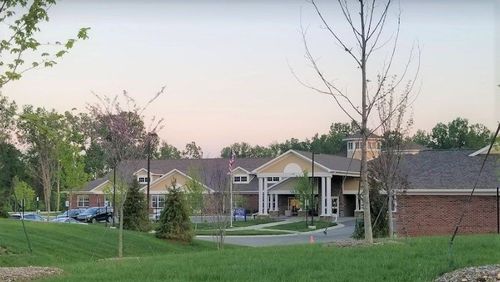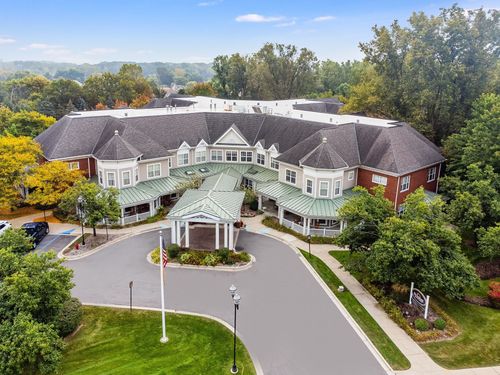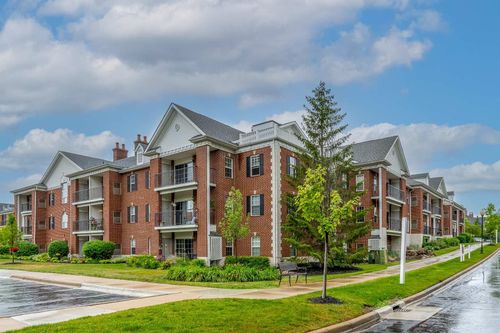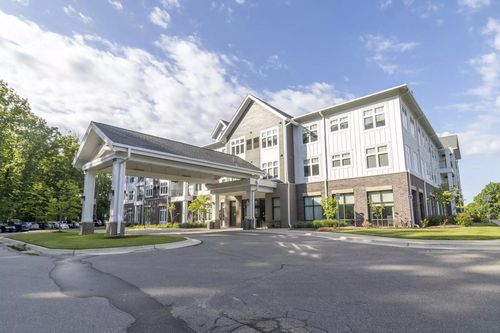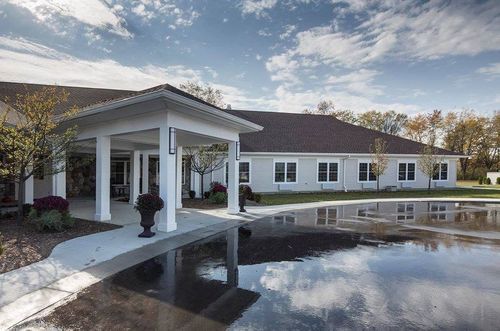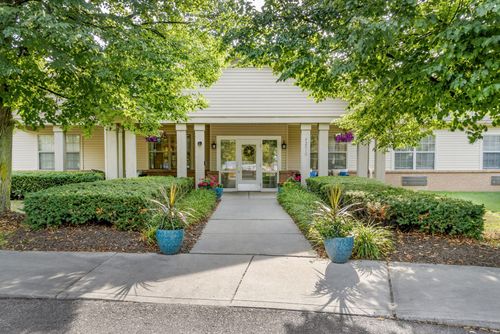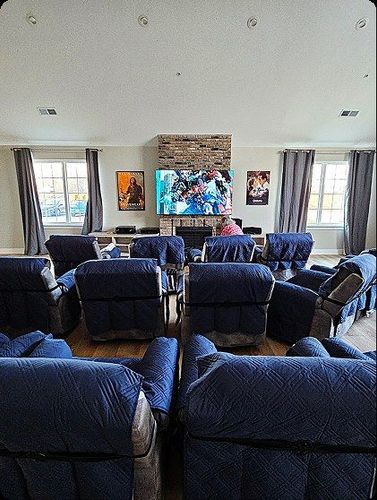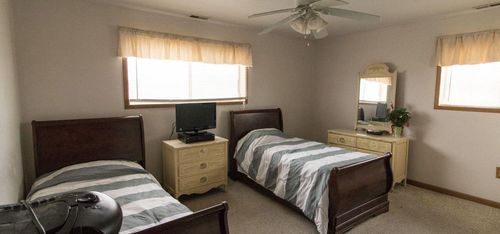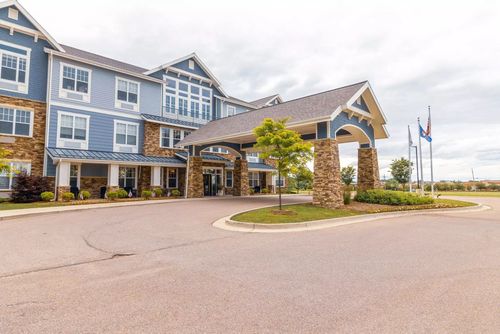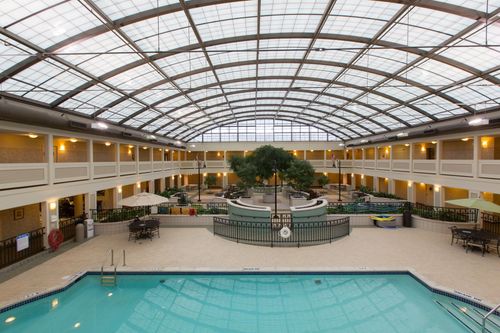
Warren is Michigan's third-largest city and its secured dementia capacity does not remotely reflect that. Windemere Park Assisted Living I, published from $4,200 a month, is the address inside the city limits, and it participates in Medicaid, which in a place built by people who worked for wages rather than salaries matters more than anything else on this page.
Those two facts pull in opposite directions, since a city of this size generates a great deal of dementia; a single participating address absorbs a share of it. What follows for a family is that timing decides outcomes far more often than preference does.
A Working City and What That Means for Paying
Warren's older residents are largely retired from plants, trades and public service, with a pension, a paid-off house on a small lot, and savings that will not fund four years of secured care at private rates. That is the ordinary financial picture here rather than an unfortunate one, and it is why waiver participation at the local address is the single most consequential thing about it.
The mechanics are worth stating plainly: public money reaches the care and never the housing, so rent and food stay with the resident's own income permanently. Eligibility turns on a clinical judgement that somebody needs nursing-home level support, which secured care normally satisfies, alongside limits on what a household holds. Because the state rations places, there is a queue, and a paid-off house is usually the asset that has to be dealt with first. None of that is quick, which is why it should begin while a private plan still has time left in it rather than after it has run out.
What to Judge Inside the Building
A short field puts pressure on families to take what is going, and two questions survive that pressure. Ask how many of the people working today were also working here last winter, and ask what the roster looks like once the evening shift takes over. Nothing a building installs matters as much to somebody with dementia as seeing the same person twice, so a settled team is worth more than a better-appointed corridor.
The published figure covers the room; a care band is set above it after assessment and rises as needs do. Respite can be booked, and it works better as a trial run than as an emergency measure.
Why Warren Families Stay in Warren
Roughly one Macomb County resident in five has passed sixty-five, and Warren carries a large share of them, in streets where families have stayed put across two and three generations. Adult children are frequently a few streets away rather than a few suburbs, which turns visiting into something that happens on the way past.
That proximity is worth protecting, because it does more for a resident with dementia than any feature a building can install. Hospital care stays local too, so a fall or an infection is handled where a household's records already sit and the resident returns to staff who know them.
What a Local Advisor Brings to Warren
Two questions carry the weight: whether a secured room is genuinely free, and where this household actually sits on the private-to-waiver path, because the second answer governs the timing of everything else.
A Local Senior Advisor can settle both, start the assessment moving alongside a visit rather than after it, and be straight about what the building would decline. Reach out while the private plan still has runway, because in a city this size with a field this short, the families who get the room are the ones who were ready before it opened.
Our directory for Warren continues to grow as we evaluate providers for quality and alignment in 2026. Start the conversation about memory care in Warren, or scan the buildings we cover at your own pace.