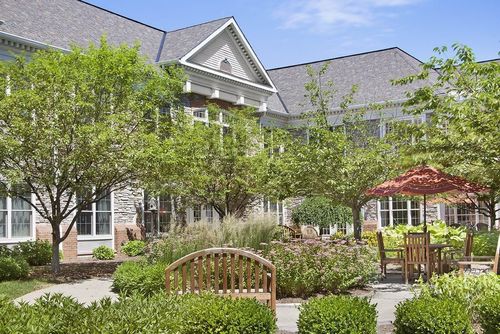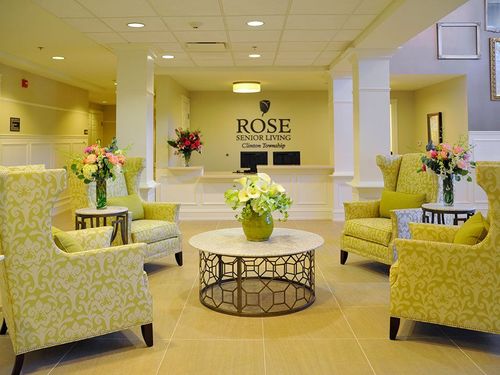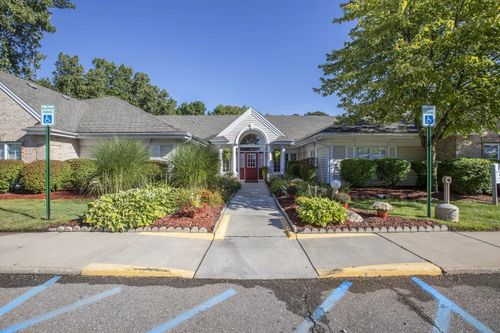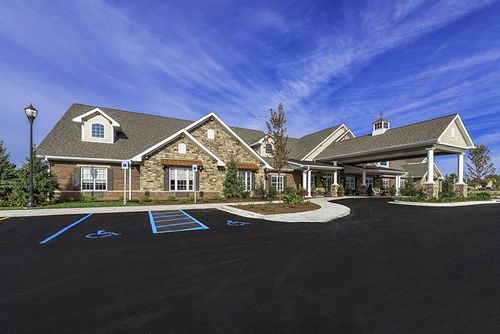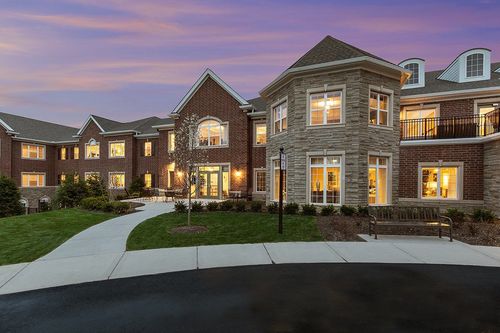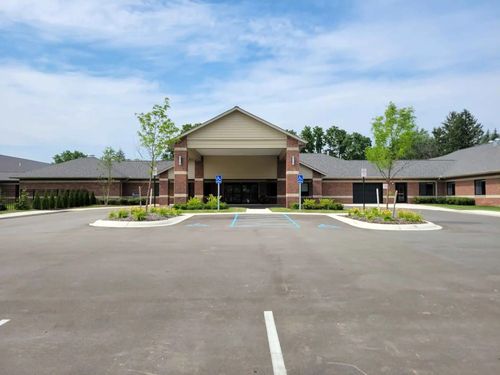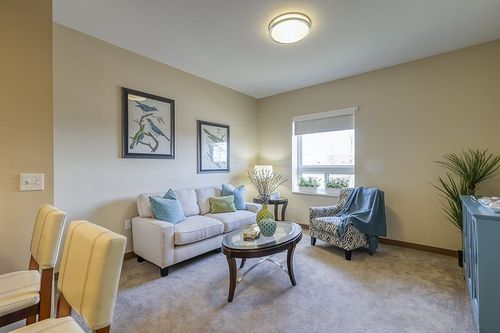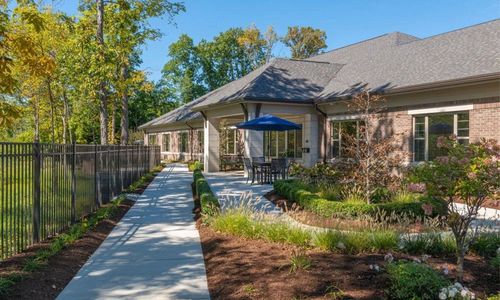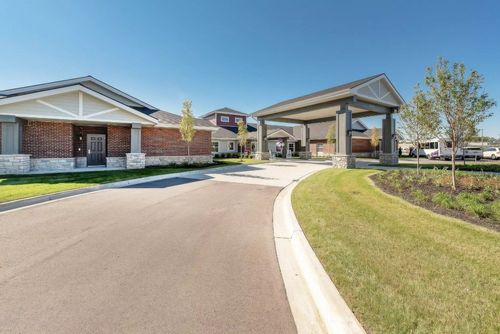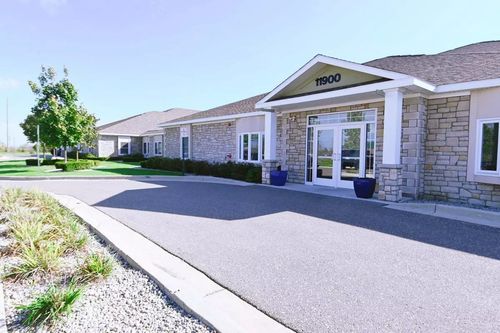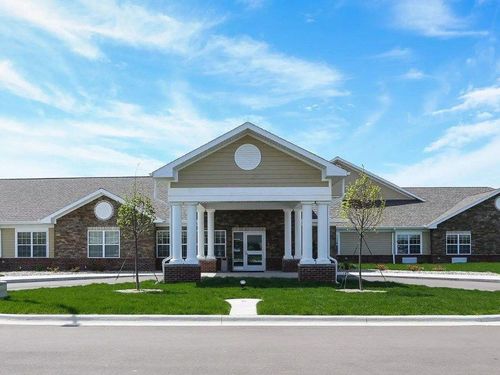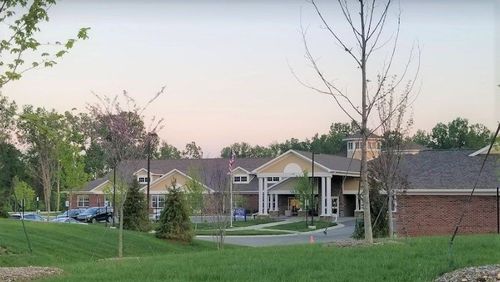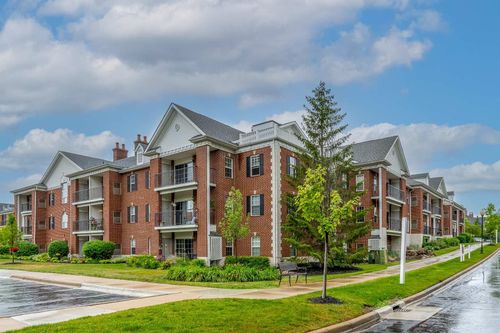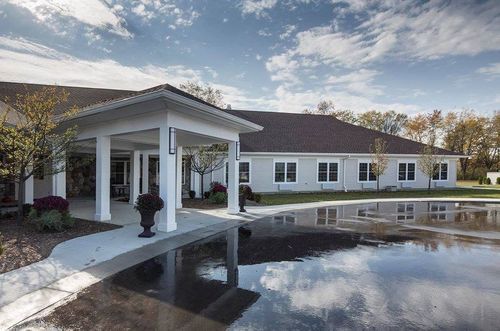
Senior housing in Warren that takes animals runs through Georgetown Manor - East, an apartment-style address where a resident keeps their own front door and, with the right paperwork, their own dog or cat. That setting matters to the pet question more than anything else on the page, because an apartment building and a care community treat an animal differently from the first day.
The household reading this is usually one where the animal is not negotiable. A widower who talks to his cat more than to anyone else, or a woman whose dog is the only reason she still walks twice a day, is making a housing decision with a second occupant attached.
An Apartment Changes the Pet Question
In an apartment setting the resident is the animal's caregiver in full. Feeding, walking, litter, vet visits and the early morning trip outside all belong to the person living there, which is workable for someone still fairly independent and becomes the whole issue the moment their health changes. Buildings expect a named backup for exactly that reason, someone who will step in during a hospital stay or a bad fortnight.
The rules themselves are ordinary and worth knowing before an application goes in. Communities cap the number of animals, usually at one. They set a weight ceiling, which is where a big dog runs out of road. Some list excluded breeds, driven by what their insurer requires rather than by anything the dog has done. Vaccination records, spaying or neutering and a look at how the animal behaves around strangers are standard. Warren is a walking city in the sense that matters here: flat, gridded streets with sidewalks, short blocks and a park system that gives a dog somewhere to go without a car journey.
What the Animal Costs on Top
The published figure at Georgetown Manor - East is $845 a month across its apartments, which is a housing rate rather than a package with daily care folded in. An animal adds two items to that: a deposit paid once at move-in, which some buildings return and others keep, and a small monthly charge per pet covering the additional cleaning and wear.
Both of those charges belong to pets and to nothing else. A trained service animal is not a pet under fair housing law and cannot be charged either one, and a documented assistance animal is generally handled the same way, although guidance in that area has shifted more than once recently and any specific request is decided under current law. Beyond the community's charges, budget for the ordinary running costs of an animal: food, licensing, vaccinations, grooming and the vet. On a fixed income those add up, and they are easy to leave out of a monthly plan built around rent.
Planning for What Comes Later
The question worth asking early, while everything is comfortable, is what happens to the animal if the resident's needs increase. An apartment suits someone who manages their own day; a move toward assisted living or a secured dementia setting brings a different pet policy, and a secured setting may not allow an animal at all.
That is not a reason to leave the pet behind now. It is a reason to have a plan, a named person, and a realistic view of who walks the dog in a Michigan February when the sidewalks are ice. Around 160,900 Macomb County residents are 65 or older, plenty of them pet owners, and the families who handle this well are the ones who talk about the second act before it arrives rather than during it. State law also puts every dog past four months of age on a county licence, granted against a current rabies certificate, and that certificate is the document a building asks for at move-in.
Getting the Details Straight First
Weight ceilings, breed lists and second-animal rules are not published anywhere reliable and they change. A general assurance that pets are welcome tells a household with a sixty-pound retriever nothing useful, and finding out at the lease stage is the worst possible moment.
Knowing what the current terms actually are, and how a building has handled a resident whose care needs grew while the dog stayed, is the sort of thing that comes from working with these addresses regularly. If an animal is part of your Warren plan, reach out before you tour so the list is filtered on that from the start.
Our Warren directory keeps expanding as we evaluate providers for quality and alignment in 2026. Start the conversation about pet friendly in Warren, or look through the buildings we cover at your own pace.