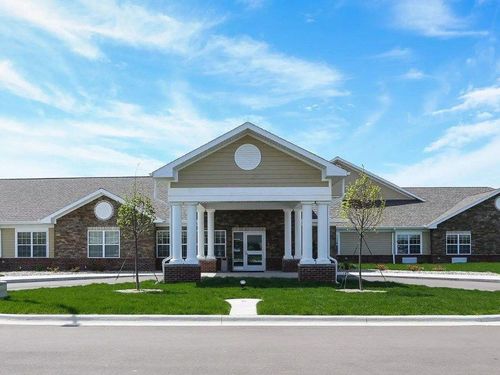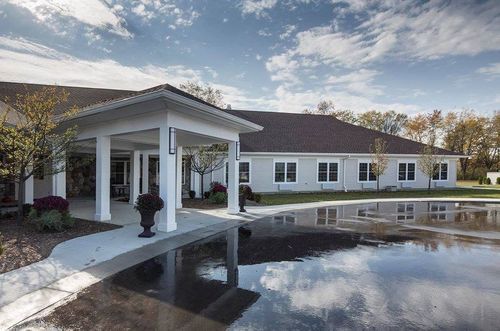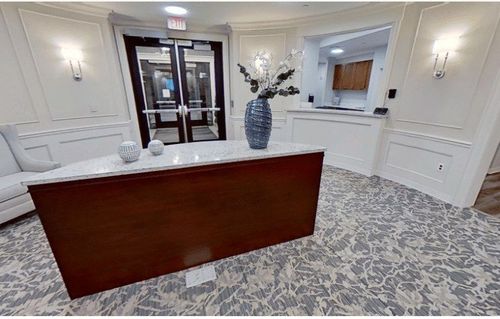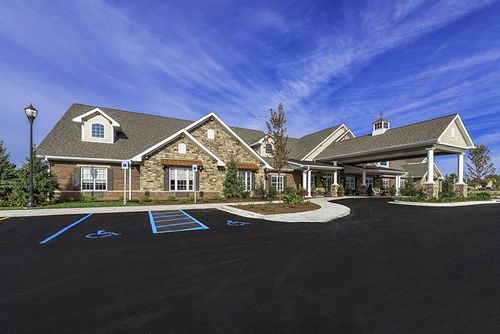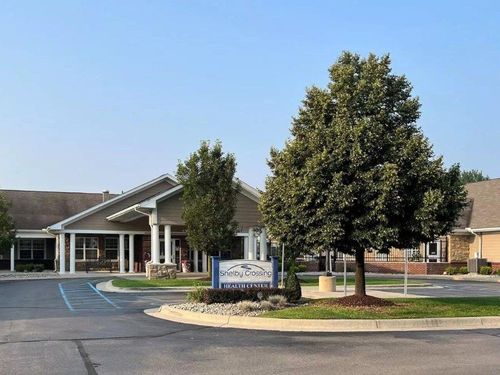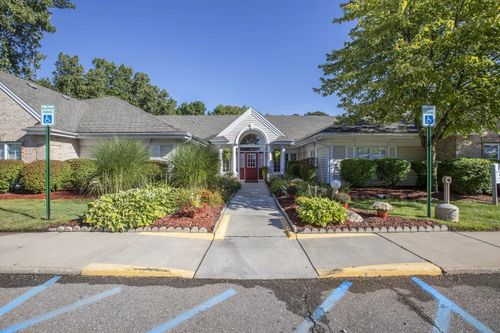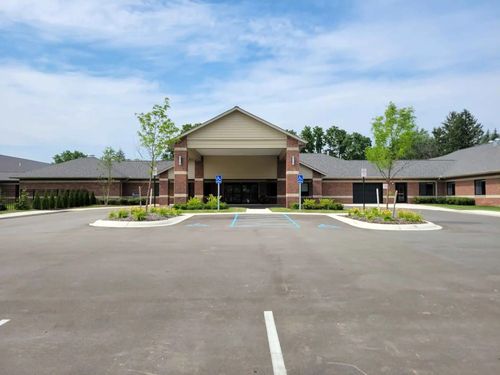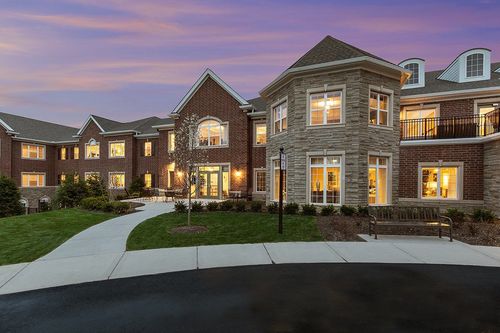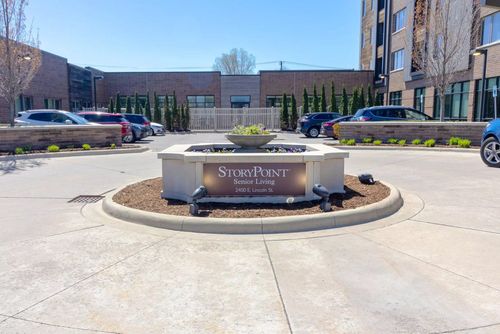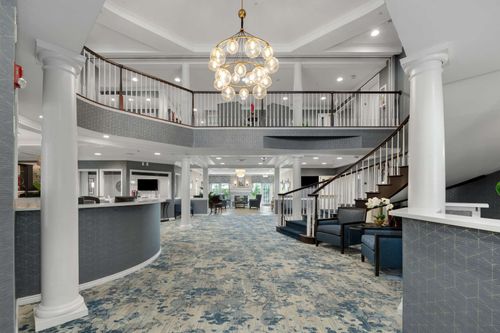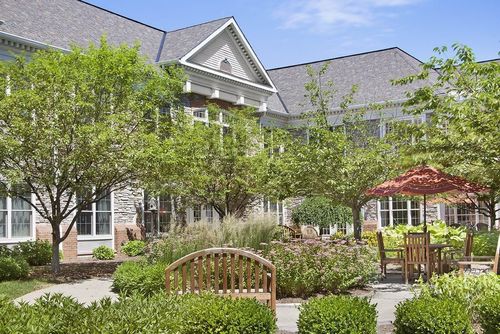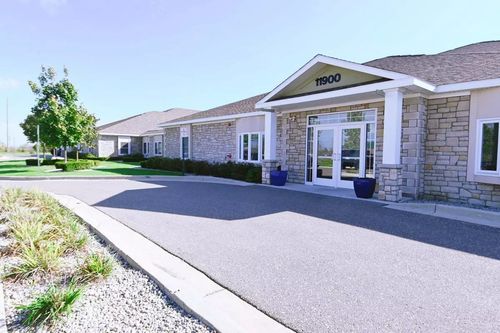
Washington Township's senior living is one twenty-room community and it accepts a resident's animal, which in a township with a single address counts for a good deal more than it would somewhere with alternatives. Vista Springs Washington Place - Spring Cove on Vista Springs Boulevard splits its rooms between assisted living and a secured memory care setting, so an owner is dealing with one building, one policy and two care levels decided on different grounds.
Size changes what a pet policy feels like in practice. In a community this small every resident and every animal is known, which tends to make the terms applied with judgement rather than by rote, and it also means one dog affects the daily experience of a much higher share of the residents than it would in a hundred-room building. Some 170,200 Macomb County residents have passed sixty-five, roughly a fifth of the county, and Washington sits in its northern half where subdivisions give way to orchard country.
What the Community Is Agreeing To
Any written policy settles the same four points, with each community choosing its own answers: a cap on the number of animals one resident may keep, a maximum weight for a dog, occasionally a breed exclusion originating with an insurer, and health evidence covering vaccinations together with an animal that behaves calmly around unfamiliar people. A cat or a small dog satisfies each without discussion.
Responsibility is the fifth point and the one owners are least ready for. The resident, or somebody they name, feeds, walks and cleans up after the animal, and a community will expect a plan covering the days when neither can. In a twenty-room building help at the margins is willingly given and easily arranged, since the staff know every resident, and it still remains true that ownership of an animal never passes to a community.
What Keeping the Animal Adds
Assisted living at Vista Springs Washington Place - Spring Cove is published from $4,680 a month, with everything charged for the animal sitting outside that figure. A deposit is taken once at move-in, its returnable portion differing enough between communities that a written answer is worth having, and a charge per animal recurs each month alongside the rent.
Statute rather than courtesy exempts an assistance animal from every part of that. Fair housing rules decline to count a task-trained service dog, or a documented assistance animal, among pets at all, which leaves deposits, recurring charges and the size and breed limits inapplicable, though the resident stays accountable for its conduct and for any damage. Federal guidance keeps developing, so a community applies whatever governs at the time.
Fitting an Animal to a Twenty-Room Community
Weight is settled first because it resolves most cases outright. A dog within an ordinary limit presents nothing to negotiate, while one well beyond it turns into a question of whether an exception can be made. Species narrows very little, as cats, small dogs, birds and fish clear most written terms without a conversation starting.
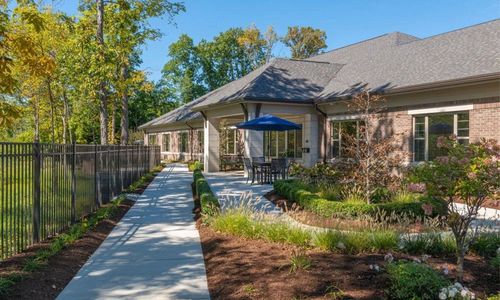
Care level is the second question and it matters here because the building splits evenly between two settings. A pet in an assisted living room is one decision; an animal behind the secured door is another, resting on how much of its daily care the resident can still manage and on how it works in a shared setting where other residents may prefer not to have one nearby. The third consideration is the ground: Vista Springs Boulevard sits in the township's quieter northern half, where a daily loop happens on the building's own grounds and the roads around them.
What a Local Advisor Brings to the Pet Question in Washington
Acceptance is settled and everything that follows is unpublished. The ceiling as it stands this year, any precedent for one resident keeping two animals, how much of a deposit finds its way back, and the secured setting's practice on a resident's cat are all established by asking the community, and asking often.
The other half is a straight answer about a specific animal, which matters most in a township with a single address and a large dog in the picture. If the pet is what is holding up a decision in Washington, reach out and we will find out where you actually stand.
We keep expanding our Washington coverage as we evaluate providers for quality and alignment in 2026. Start the conversation about pet friendly in Washington, or scan the buildings we cover at your own pace.