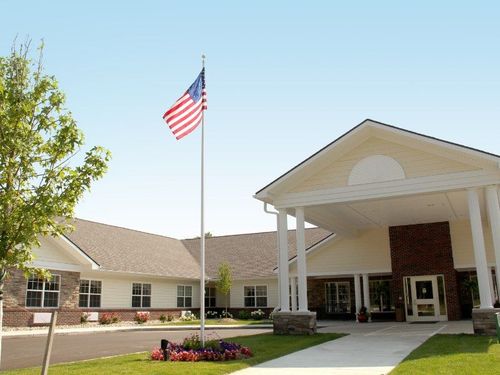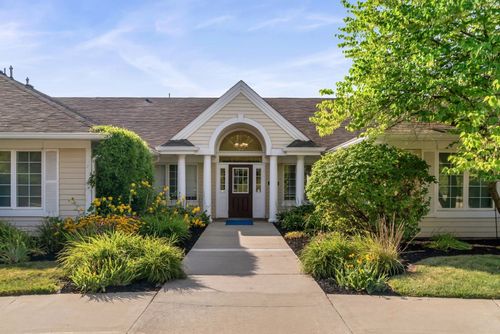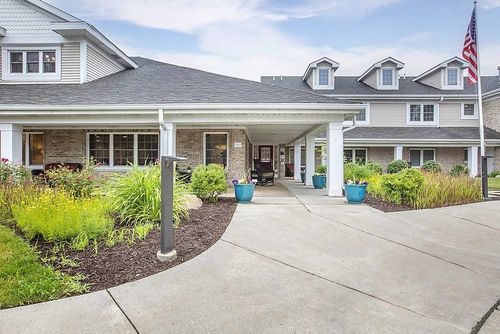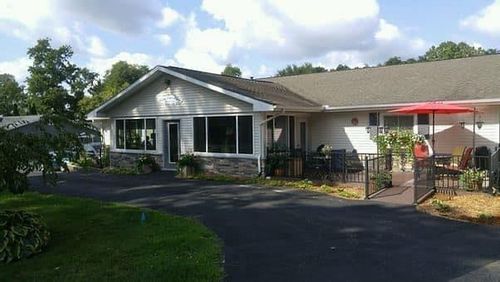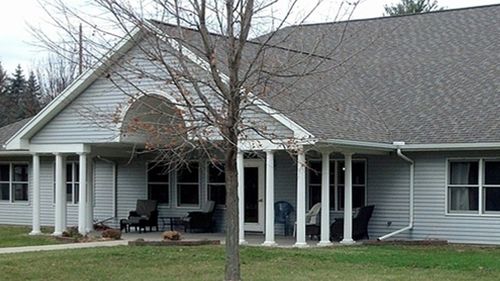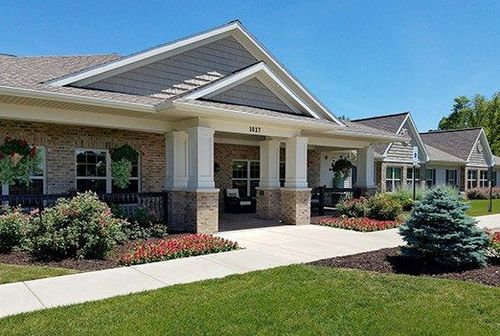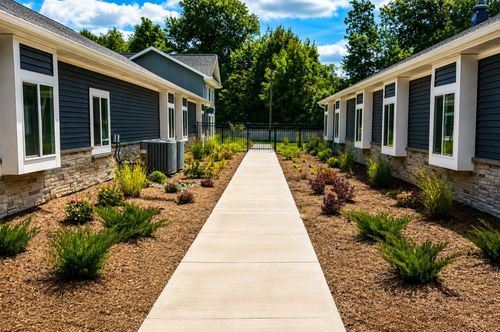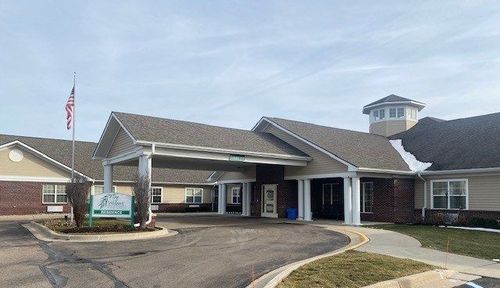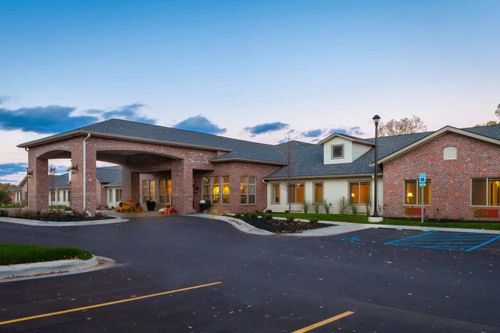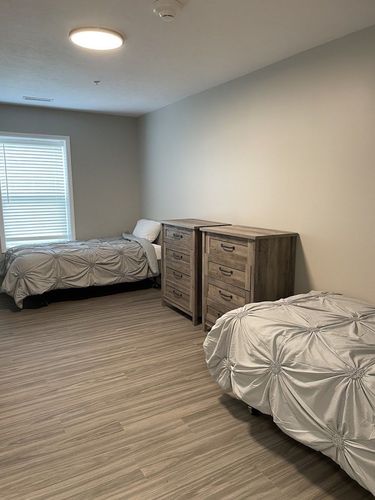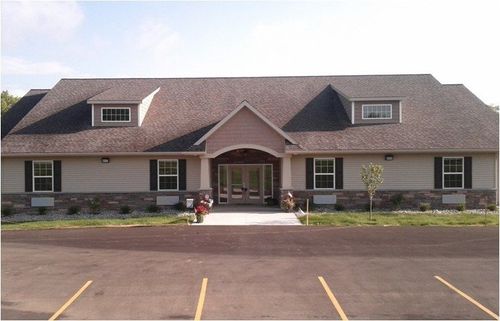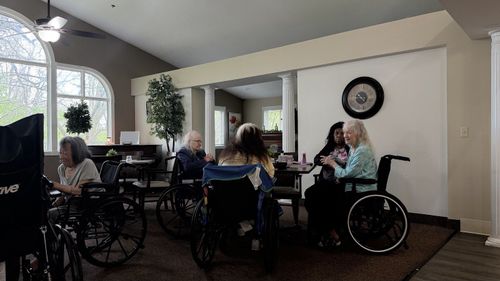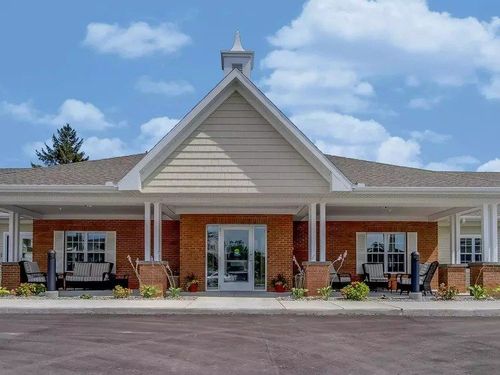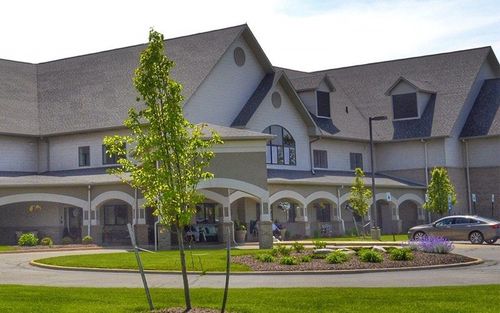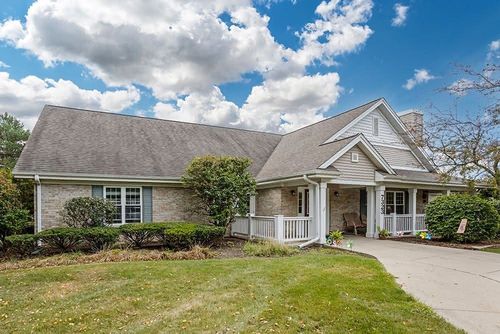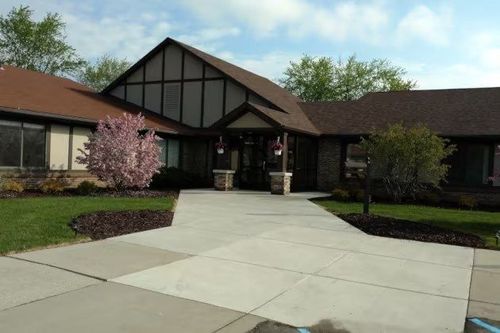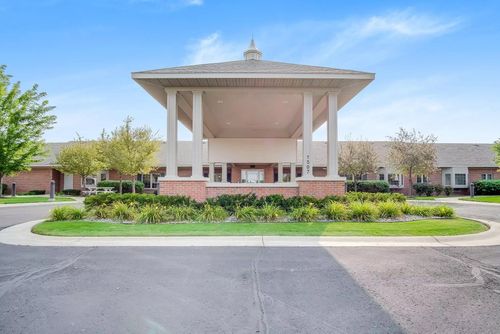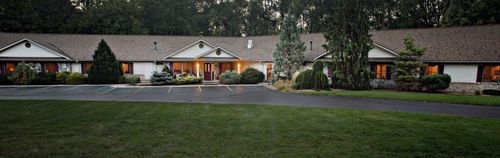
Every bed in Williamston sits behind a secured door. Divine Nest Of Williamston on McCormick Street is a licensed home given over wholly to memory care, which makes it a specialist address rather than a general-purpose one, and means an enquiry here is almost never the beginning of a general search.
Households arrive because supervision has already become the issue, and the building is designed on that assumption, so the question a family is really asking is not whether this is memory care but whether a small, wholly secured home is the right form of it.
A home built around one thing
Because the whole house is secured, nothing about the day is arranged around residents who are at a different stage. There is no open wing whose routines compete, no corridor a resident is redirected away from, and no point at which somebody has to be moved from one part of the building to another as their dementia advances.
That produces a particular calm, because staff work to one set of expectations rather than switching between two, mealtimes run at a pace built for the people at the table, and the environment does not have to be explained. The trade is scale, since a house of this size cannot offer a separate quiet lounge, a full activity calendar running several things at once, or the depth on a shift that a large building carries when several residents need attention at the same moment.
What a wholly secured home charges
Williamston publishes $4,200 a month for daily help inside the secured setting in 2026, with the memory-care figure above it. The support a resident needs is graded and charged above the room figure, and the move itself is billed once.
The structure is worth reading carefully, because a resident here is in a secured building whichever rate applies, and the lower figure is not a lighter setting. It is the same house, priced for somebody whose needs are lighter rather than for somebody who needs less supervision. The home stands outside Medicaid entirely, and Michigan's MI Choice waiver funds support in a person's own house, which makes it the opposite answer to this one rather than a way of paying for it, so a household is genuinely choosing between two paths rather than combining them.
An eastern-edge village in a university county
Ingham's population past sixty-five runs to roughly 44,500, about 15.3 percent of residents, a share held down by the student population at the county's other end. Williamston sits on the eastern edge along the Red Cedar River, well away from that influence.
For memory care the effect is that a single twenty-resident home serves a rural eastern stretch with nothing comparable beside it. Rooms open when they open, and a family with a diagnosis in hand is often working to a shorter timetable than the supply allows.
Why families keep a secured move close to the river
Williamston households tend to have been here for a long time, and the village keeps a middle that people still use. For a resident with dementia the value of that is concrete rather than sentimental, because old geography survives in memory long after new geography stops being learnable.
Visitors matter more than the distances suggest, since family around Williamston, Webberville or the eastern townships treat a stop on McCormick Street as part of an ordinary errand, while the same visit from Lansing becomes something scheduled, and the visits that go on happening are what a resident actually experiences of their family.
What a local advisor brings to Williamston
With one specialist address in the village, the first question is suitability rather than availability. A small wholly secured home suits a resident who is easily overwhelmed, who does better being known than managed, and who benefits from an environment that never has to be explained. It suits a restless, physically mobile resident considerably less, and that judgement deserves an outside opinion rather than a hopeful one.
After that it is timing against the alternative, because rooms in a twenty-resident home appear rarely and without notice, no Medicaid applies, and the honest comparison is against keeping somebody at home with support brought in, which is a real option here and worth costing properly. The Lansing hospitals sit close enough that an admission does not disrupt the routine a secured setting depends on. Talk it through before the decision has a deadline attached to it.
We keep expanding our Williamston coverage as we evaluate providers for quality and alignment in 2026. Reach out for a conversation about memory care in Williamston, or browse the communities we have vetted at your own pace.