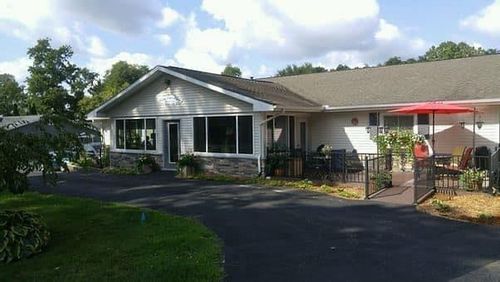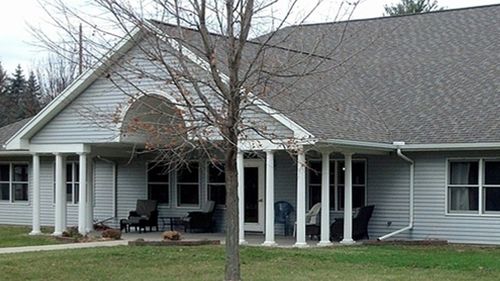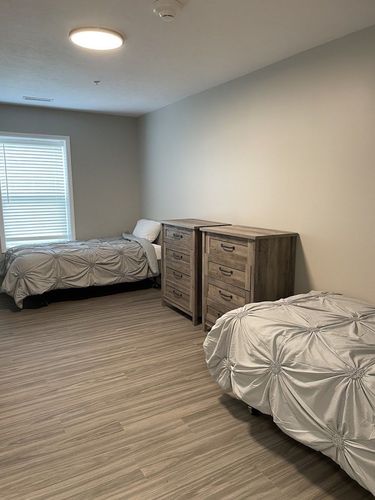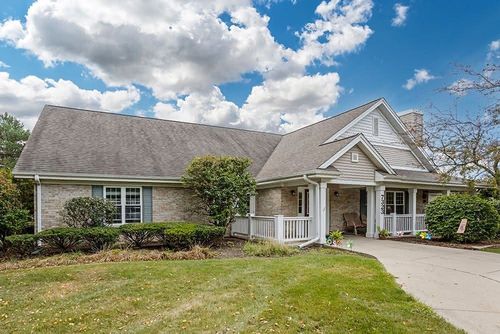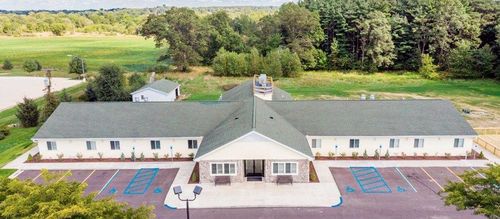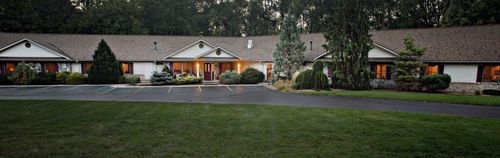
A licensed care home is usually run by a person rather than by a company, and that single fact explains most of what is different about them. Divine Nest Of Williamston, at $4,200 a month, is the residential address in the city, and a family choosing a house of this kind is entering a relationship with whoever holds the license rather than signing with a regional business that happens to have a building nearby.
Williamston is a small enough place, fifteen minutes east of the Lansing hospitals along the I-96 corridor, that this is mostly an advantage. It also carries a specific risk worth naming rather than discovering.
What It Means That One Person Runs the House
The advantage is continuity of a kind large buildings struggle to buy. The person making decisions knows every resident personally, remembers what somebody was like six months ago, notices a change without waiting for it to appear on a chart, and answers the phone themselves. Care in a house of this size is not delivered through a management structure; it is delivered by people a family can name.
The risk is the other side of the same coin. A house depending on one or two people has no depth behind it, so illness, a family emergency, a holiday or a decision to sell the business affects the residents directly in a way it would not in a building of eighty. That is not in itself an argument against small homes. It is an argument for asking, plainly and early, what the arrangements are.
The questions that follow from it are straightforward enough. Who covers when the person in charge is unwell or away, and are those people already known to the residents. What the position would be if the house changed hands. How long has it been running under the current license, and has the license ever been suspended or conditioned.
What the Monthly Figure Takes In
Houses of this size generally quote one figure instead of a rent with care charges stacked on as needs rise, and inside it sit the room, every meal, the laundry and cleaning, hands-on help across the day, medications handled by staff and somebody on duty overnight. Budgeting a year ahead becomes straightforward as a result of that.
Ask directly what set of circumstances would move that figure. A resident coming to need two people for a transfer, or genuine attention through the night rather than somebody merely present, may sit past what a house that size is staffed to deliver, and it is far better to know where that boundary falls before a move than to find it eighteen months later.
What to Weigh Against a Larger Community
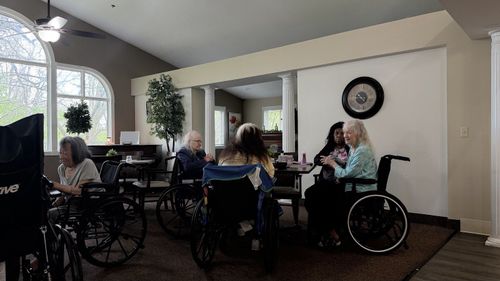
The comparison is a trade rather than a ranking, and both sides of it are real. A house gives a close staffing ratio, cooking done in a kitchen, and the kind of attention where a change in somebody is noticed the same day. What a larger community near Lansing gives instead is a busier calendar, a wider circle of people to get to know, and clinically trained staff on the premises.
Which one fits comes down to the person rather than to the price. A person who finds a crowded dining room draining has effectively made the case for a house, while one who wants company and a busy afternoon has made the case for a community.
Understanding Who Runs a Williamston Care Home
An advisor covering Ingham County can establish who holds the license, how long the house has operated under it, what the inspection history shows, how cover is arranged when the person in charge is away, and whether there is a room free. Those are the answers that decide a small home, and none of them appear on a listing.
If a small household in Williamston is under consideration, talk it through and the things that matter most about it can be established first.
Our Williamston directory keeps expanding as we evaluate providers for quality and alignment in 2026. Start the conversation about residential care homes in Williamston, or scan the buildings we cover at your own pace.