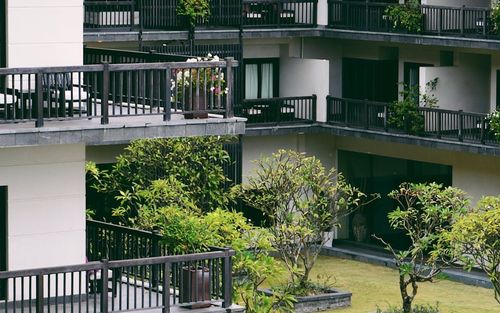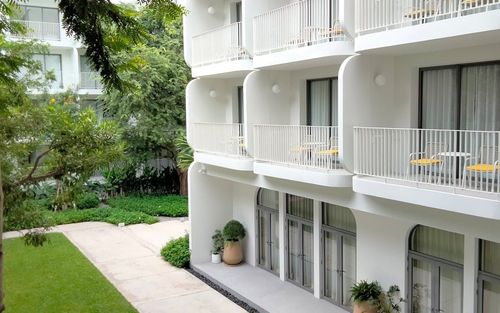

Golden Skyline Assisted Living holds Ephraim's entire memory-care footprint inside the same 32-apartment building that runs the city's assisted-living wing. Because the secured-side dementia capacity lives under that one roof rather than at a dedicated dementia-only campus, the local conversation tends to land on a single in-town option, with the broader Utah Valley corridor's larger dementia inventory about an hour and fifteen minutes north when the local building cannot match the family's situation.
What sets Ephraim's dementia-care picture apart from larger Utah cities is the cultural context. Sanpete Valley's Danish-and-Swedish pioneer fabric, the multi-generational ward connections, and the local family-land patterns all matter specifically in dementia care because the visual and social anchors that organize a long-tenured resident's daily orientation reflect that valley identity. Relocating to a Utah Valley dementia neighborhood replaces those anchors with unfamiliar urban references that compound the cognitive disorientation dementia itself produces.
Golden Skyline's Combined Building, Up Close
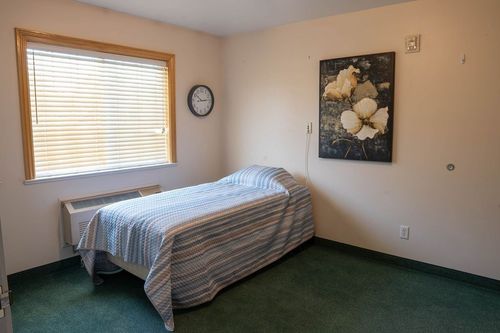
The secured memory-care side at Golden Skyline functions as a structurally distinct space within the 32-apartment building. Keypad doors, a fenced perimeter, and chaperoned outdoor time are tuned for residents who have begun stepping out of bounds, lost their bearings in once-familiar surroundings, or whose overnight routines have turned irregular. The kitchen serves both the assisted-living wing and the secured side from one central kitchen, with separate seating arrangements calibrated to each tier.
The combined setup is a structural choice, not a workaround. An earlier-to-mid-stage dementia resident who still draws benefit from contact with the wider community keeps that social texture under this model, which a fully sealed-off wing would strip away. If the dementia has progressed to where direct-care attention runs all day, physical-care intensity approaches nursing-facility scope, or behavioral patterns demand deeper clinical staffing, the small-residential model carries limits the conversation needs to name.
Cost and Coverage
Golden Skyline's secured memory-care apartments in 2026 run roughly $4,600 to $5,800 monthly. That figure exceeds the building's assisted-living rate because the secured side has to fund dementia-trained caregiver hours, awake overnight clinical presence, and the physical-plant features state licensing requires for memory-care neighborhoods. Floor plan choices account for most of that band's width, and a resident with heavier behavioral or supervisory needs lands closer to the top.
Golden Skyline does not currently hold an Aging Waiver contract, so Medicaid-track Ephraim dementia families typically have to widen the search beyond the building. Move-in fees on the secured side fall $800 to $3,000. Respite stays cost $170 to $230 per night. The Sanpete Valley cost basis keeps Golden Skyline's secured-side rate below typical Wasatch Front dementia pricing.
Demand on a Small Sanpete Valley Scale
Ephraim's overall population sits near 6,100, with roughly six hundred to seven hundred residents over sixty-five in 2026. The dementia caseload tracks that proportionally, with Golden Skyline's combined-building structure absorbing both the dementia-care demand from Ephraim families and occasional referrals from other small Sanpete Valley settings.
Apartment turnover on the secured side moves with one resident's transition at a time rather than as a predictable monthly cycle. The 32-apartment scale means wait times can stretch when discharge events at Sanpete Valley Hospital or other corridor events surface multiple dementia-care placements at once.
Why Families Choose Memory Care in Ephraim
Sanpete's cultural and visual anchors carry weight in dementia care because the disease compounds disorientation when surroundings are unfamiliar. A Golden Skyline resident keeps the Main Street walking routine in reach, the Scandinavian Heritage Festival's annual rhythm continues around them, decades-old ward connections stay reachable for visiting family, and Snow College's presence keeps the city tempo they have known for years.
Sanpete Valley Hospital twelve minutes north handles the medical complications dementia care surfaces (urinary infections presenting as confusion, same-day behavioral workups, post-fall evaluations). The small-hospital scale and the case-management team's familiarity with Golden Skyline's clinical scope keeps the discharge handoff short.
What a Local Advisor Brings to Ephraim
The seventy-five-minute drive between Ephraim and the nearest Utah Valley dementia neighborhood shapes every memory-care conversation in this part of Sanpete Valley before any building question gets answered. Adult children weigh the visit cadence a Provo or Orem campus would require against the cultural-anchor benefit of keeping a parent inside the valley, and the advisor reads Golden Skyline's secured-side availability against the family's timing while working out whether the combined-building model fits this resident's stage and behaviors.
For families whose dementia profile has progressed past what a 32-apartment combined building can hold (significant aggression, daily specialized intervention, advanced physical-care needs), the advisor lays out the Utah Valley corridor alternatives. The visiting-cadence trade-off of an hour-and-fifteen-minute commute is real for Ephraim families and gets discussed openly during the comparison conversation.
Reaching out before the diagnosis turns the household into a same-week placement situation keeps Golden Skyline genuinely on the family's shortlist. Connect with an advisor on the contact page once the diagnosis starts changing the daily rhythm at home, or view our directory for the broader Sanpete Valley senior-living context.