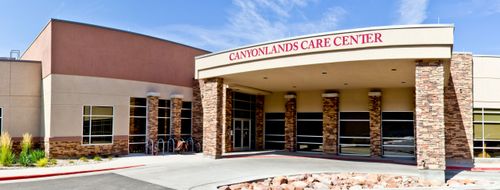

Grand County encompasses the red rock landscapes of eastern Utah, offering a distinct environment for aging adults. Families looking for senior living here navigate a setting characterized by geographic isolation and close-knit communities. The region provides a quieter pace of life away from major metropolitan centers. This remote setting means local families often prioritize resources that keep their relatives close to home. Understanding the local geography is essential when planning long-term care.
The number of senior care communities in this county is intentionally kept to a small number. These local facilities focus on providing personalized support tailored to rural Utah living. Residents often experience a more intimate environment than they would in larger, urban facilities. The environment naturally fosters strong connections between staff and residents. Families find this small scale comforting.
The options here across care levels
Care requirements vary widely among older adults, and local facilities adapt to meet those varying needs. Some locations provide basic assistance with daily tasks for independent seniors. Other settings offer more intensive medical supervision and daily living support. Specialized memory care is also available for individuals with cognitive decline. This range allows seniors to transition between support levels without leaving their home community.
Evaluating the right level of support requires a careful look at daily routines. Families often begin by assessing an individual's ability to manage personal care and medications. Local professionals work directly with families to determine the most appropriate care stage. This personalized assessment ensures residents receive the exact type of help they need. Matching care to actual needs promotes both independence and safety.
Costs across Grand County
Monthly expenses for senior care in this region reflect the specialized services provided. Prices vary depending on the medical oversight and personal assistance required. For instance, rates at Canyonlands Care Center begin at $5,186 per month. These figures cover essential daily services and housing costs. Understanding how these baseline rates apply to specific conditions helps families budget effectively.
Financial planning for long-term care involves examining multiple resources. Some residents utilize private savings to cover their monthly housing and support fees. Others look into government assistance programs, such as Medicaid, to offset medical expenses. In this county, there is at least one facility set up to accept Medicaid for eligible individuals. Exploring all financial avenues ensures families can sustain their chosen care level.
Narrowing the field
Finding the right senior living arrangement involves visiting potential locations in person. Families use these visits to evaluate cleanliness, staff attentiveness, and overall atmosphere. Observing how staff interact with current residents provides valuable insight into daily life. It is beneficial to prepare a list of specific questions regarding care routines and daily activities beforehand.
Another critical step is checking state licensing records and local health inspection reports. These documents offer an objective look at a facility's compliance with safety regulations. Families should also inquire about staff turnover rates and training protocols. Consistent staffing often leads to better health outcomes and stronger personal relationships. Thorough research empowers families to make confident decisions.
What a local advisor brings
Local senior living advisors possess specialized knowledge about the area's care facilities. They understand the nuances of local providers and maintain up-to-date information on availability. Families benefit from this expertise as they attempt to evaluate and compare different care settings. Advisors streamline the research process by narrowing down options based on specific medical needs and budget constraints.
Beyond just gathering information, advisors act as compassionate sounding boards for families. They help relatives process the complex emotions involved in transitioning an aging parent. This third-party perspective provides clarity during what can be an overwhelming time. Families dealing with these life transitions often find it helpful to talk it through with an experienced local expert.
We keep expanding our Grand County coverage as we evaluate providers for quality and alignment in 2026. Start the conversation about senior living in Grand County, or look through the buildings we cover at your own pace.