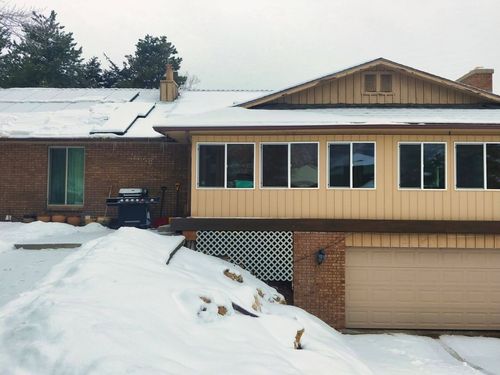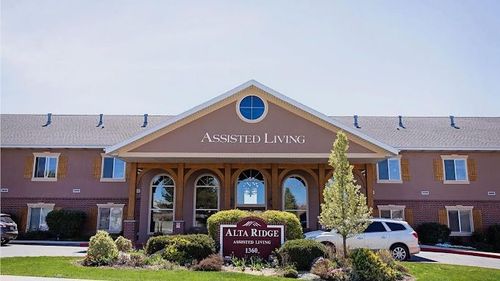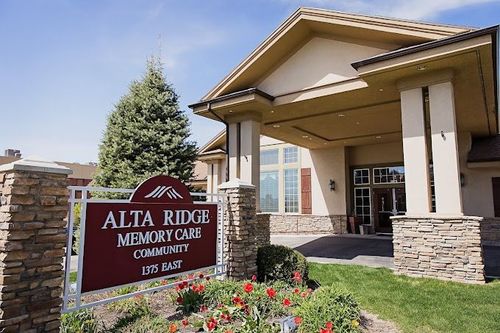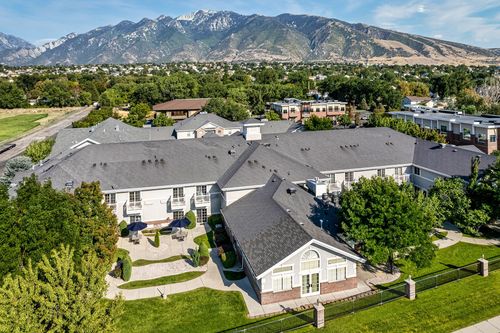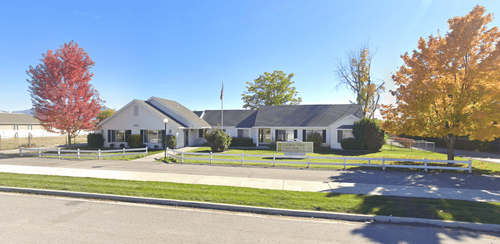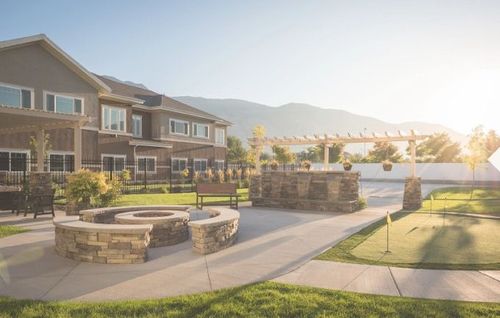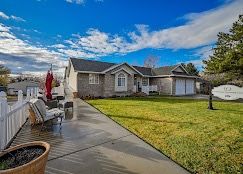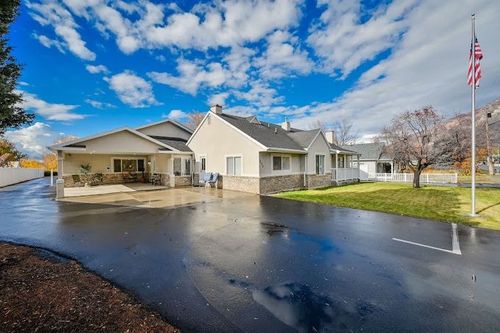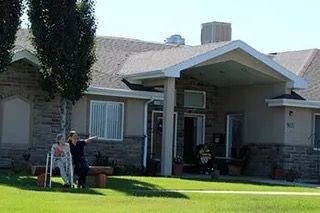

Wasatch County holds one of Utah's smallest shares of residents past 65, near 5.5 percent, even as it posts some of the fastest senior-population growth in the state. That combination shapes how Medicaid-accepting senior living looks in Heber City: a narrow set of options inside a young valley that is aging quickly. The local Medicaid-accepting home is Heber Valley Assisted Living, a 14-bed setting on South Southfield Road where the New Choices Waiver can cover assisted-living care costs for residents who meet the program's requirements, and the count stands at 1 today.
Families in Heber City turn to Medicaid-accepting care when the monthly cost of assisted living outpaces a fixed retirement income, and the New Choices Waiver becomes the way a qualifying resident stays in a licensed Heber City home instead of moving away from the family that settled the valley. Most arrive already paying privately, then look for a waiver-funded path once savings tighten, which is the point where the program's income and asset limits start to matter.
Care in a 14-Resident Home, and What the Waiver Reaches
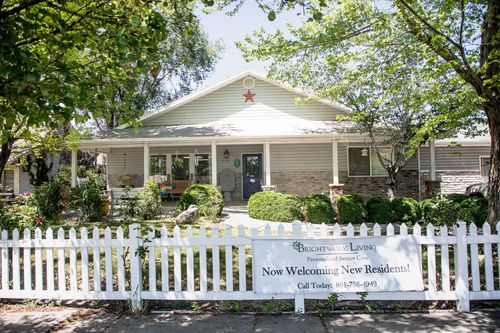
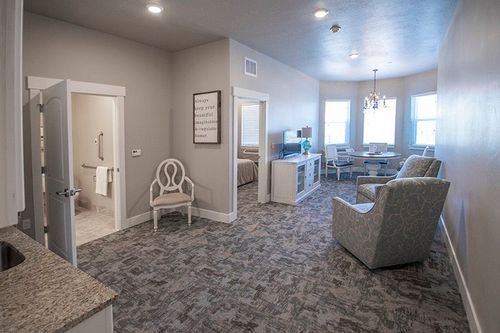
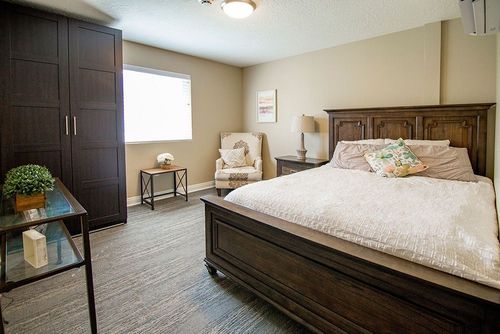
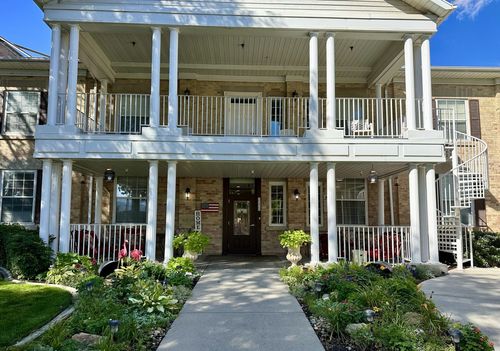
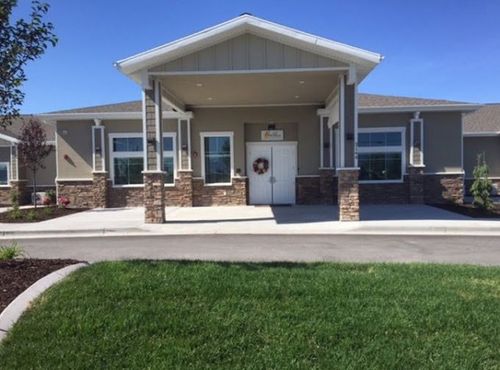
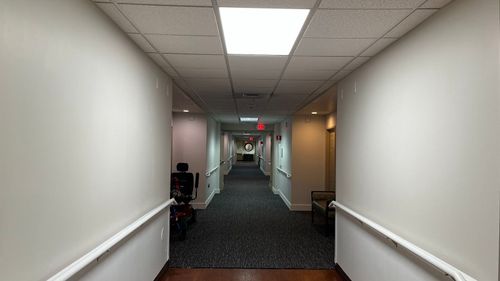
At Heber Valley Assisted Living, Medicaid-accepting care comes in the form of a small residential home rather than a large campus, which means 14 residents, shared common areas, and caregivers who know each person by name. Assisted living here covers help with the daily routine: bathing, dressing, medication management, meals, and the kind of supervision that lets someone stay safe without moving to a nursing home. The New Choices Waiver, Utah's Medicaid path for assisted living, pays for the care-services portion of that arrangement for residents who meet nursing-facility level of care, so a qualifying resident's bathing help, medication oversight, and personal care can be covered even after private savings are largely spent.
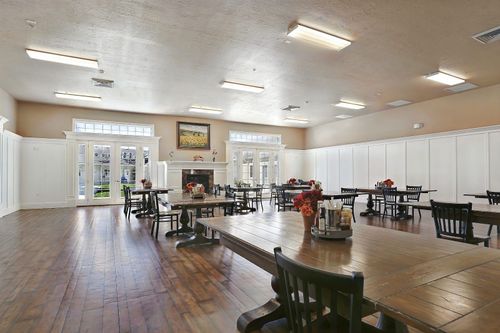
What the waiver does not change is the home's small scale, which is often the reason a Heber City family chooses it in the first place. A 14-bed setting on South Southfield Road runs closer to the rhythm of a household than an institution, with meals around shared tables and a single team of caregivers across the day. Because the home is licensed for assisted living rather than memory care or skilled nursing, the waiver-funded care here tracks to that level: steady daily support for residents who need help with the day but not full-time medical nursing.
What Assisted Living Costs in Heber City, and Where Medicaid Steps In
Private-pay assisted living at Heber Valley Assisted Living starts around 3,200 dollars a month, below the roughly 5,475-dollar statewide median Utah families pay for assisted living and well under the 6,200-dollar national median in the latest cost-of-care data for 2026. For a resident who qualifies, the waiver picks up the care-services share of that monthly figure, meaning the help with bathing, dressing, medication, and supervision. What it does not cover is room and board, the housing-and-meals portion, which the resident continues to pay from monthly income. That split is the piece families most often misread, because Medicaid funds the care rather than the rent.
Qualifying turns on two gates at once, and the financial one comes first: long-term-care Medicaid in 2026 caps a single applicant's monthly income at 2,982 dollars and countable assets at 2,000 dollars, with a primary home, one vehicle, and personal belongings generally left out of the count. Functionally, a resident must meet nursing-facility level of care, the same standard that would qualify someone for a nursing home. Applicants over the asset limit often spend down to reach it, and Utah applies a multi-year look-back on asset transfers, so the paperwork rewards starting early. Independent living, by contrast, falls outside Medicaid entirely, because the program pays for care needs and not for housing.
The Fastest-Aging Valley With the Fewest Seniors
Wasatch County counts roughly 2,051 residents past 65, about 5.5 percent of its people, one of the lowest senior shares of any Utah county. That number is climbing faster than almost anywhere in the state, with the 65-and-older group growing more than 5 percent in a single recent year as retirees settle the valley for its mountains and quieter pace. For now, the small senior population means Medicaid-accepting assisted living in Heber City rests on a single licensed home, and a waiver-funded room there is not guaranteed even for a resident who qualifies, since the New Choices Waiver is slot-limited statewide. Availability shifts month to month, which is why timing an application to an opening matters more here than in a city with several homes.
Staying in the Valley, Not Over the Pass
For a family already rooted in Heber Valley, keeping a resident's care inside the same valley means Sunday visits stay short and the grandchildren still drop by after school. Heber City sits in a high mountain bowl ringed by the Wasatch back and Deer Creek Reservoir, far enough from the Salt Lake Valley that moving a resident over the pass for care would put real distance between them and the people who visit. A licensed local home keeps a resident near the Main Street they know and the doctors at Heber Valley Clinic who may already manage their care. The value of a Medicaid-accepting home in town is that it lets a family afford that closeness rather than trading it away to chase coverage somewhere cheaper. For a resident, it means staying in the place that has felt like home, with the same mountains out the window and familiar faces in the dining room.
How an Advisor Times a Move to Heber Valley Assisted Living
With Medicaid-accepting assisted living in Heber City resting on one 14-bed home, timing leads: a qualifying resident can wait even when a bed exists on paper, so the work is tracking when a waiver-funded room at Heber Valley Assisted Living actually opens. The advisor also knows the building's real care ceiling, that it is licensed for assisted living and not memory care or skilled nursing, and weighs that against a resident's current and likely future needs before a family commits to a move.
That groundwork narrows a confusing process to a few concrete questions: whether the resident meets nursing-facility level of care, whether the income and asset numbers line up, and whether a room will be open when it is needed. Start the conversation about Medicaid-accepting senior living in Heber City whenever the timing is right, and an advisor can map the waiver path from where you stand today.