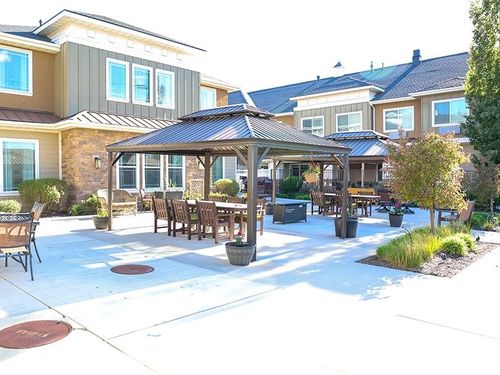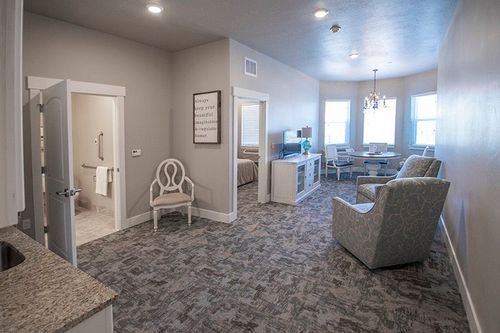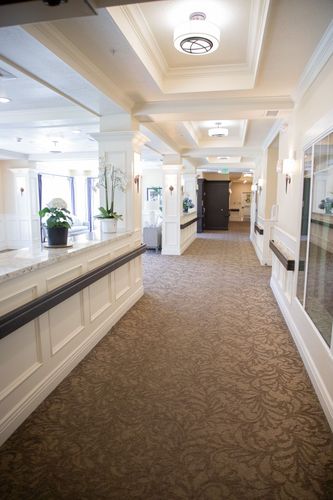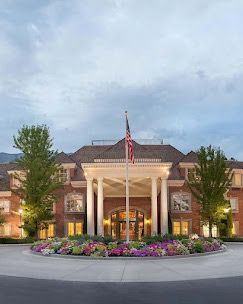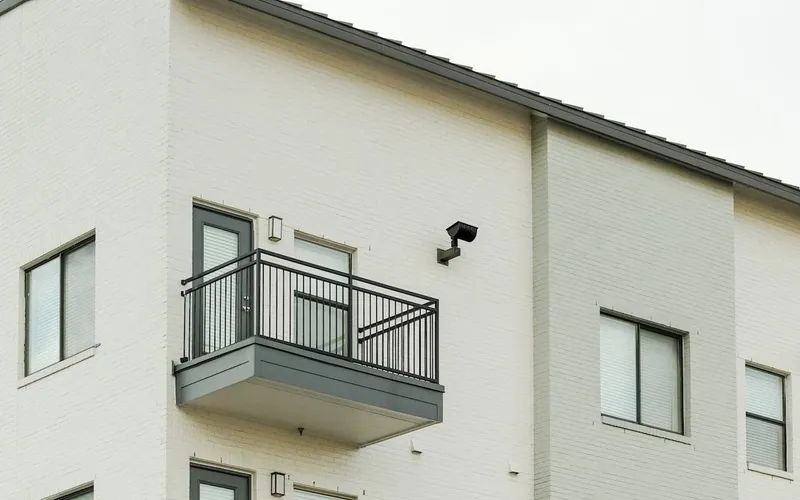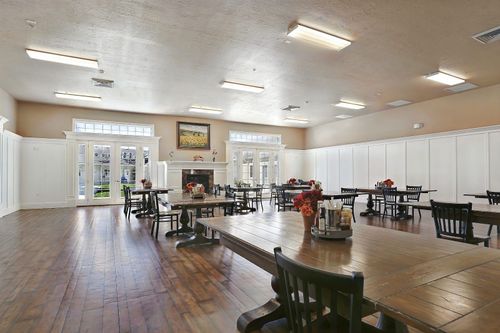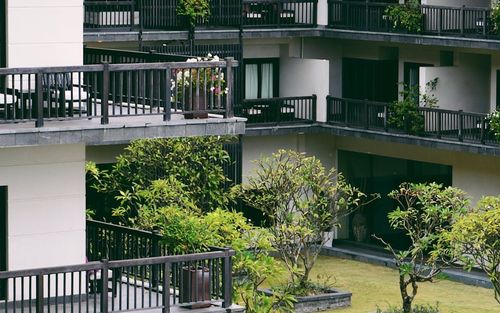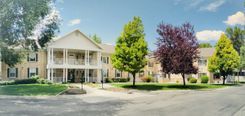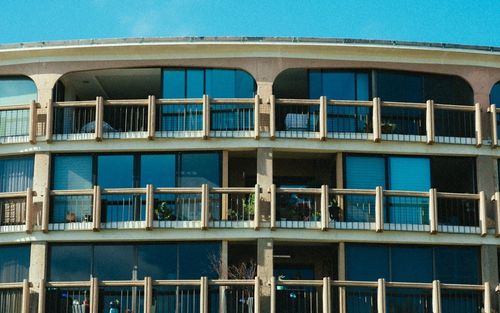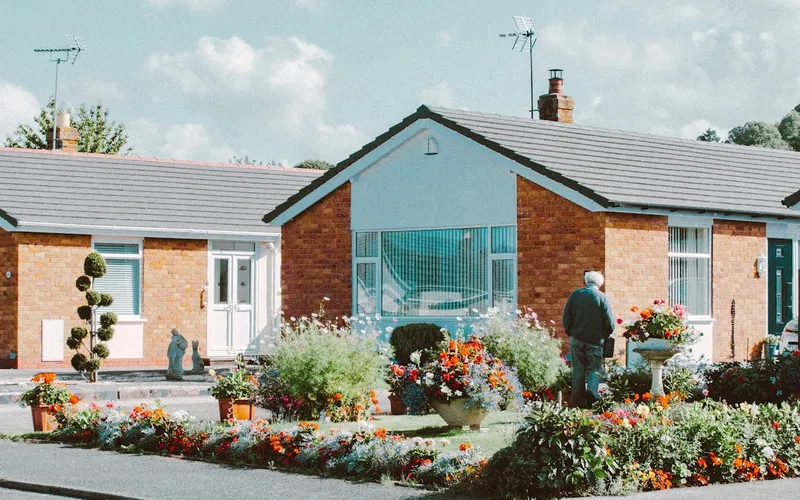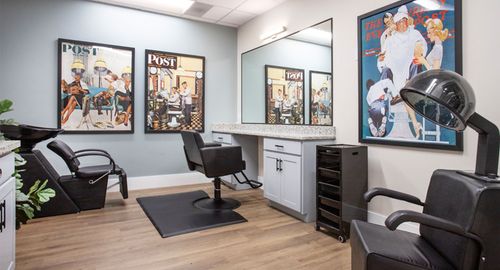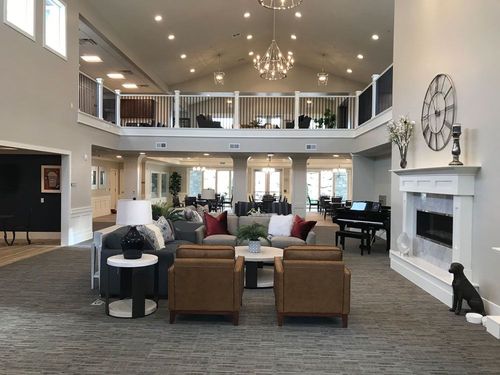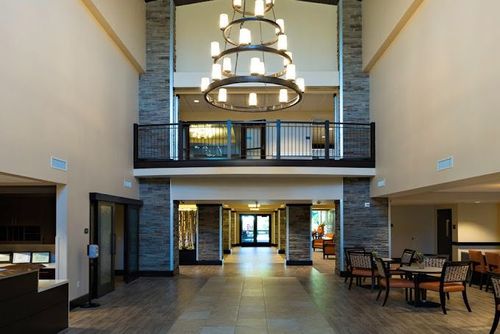

South Field Road on Heber City's southern edge holds two senior-living buildings within walking distance of each other, and the dementia-care conversation in town runs through both. Covington Senior Living Heber at 904 South Field Road operates a 15-apartment secured memory-care neighborhood inside its 86-apartment campus, the dementia-side staffing and perimeter design built to state licensing standards for a defined secured wing. Next door at 905 South Field Road, Heber Valley Assisted Living runs a 16-resident Sante building where dementia-friendly support sits inside a household-scale assisted-living license rather than in a separate secured zone. A third option, Spring Gardens Heber on East 1200 South, sits inside the broader Heber valley footprint and holds the valley's larger 17-apartment secured neighborhood.
The Wasatch Back's full dementia inventory therefore comes down to three buildings, two of which share a property line. The local choice is less about geography and more about format, scale, and clinical depth. The longer drives over Parley's Summit or down Provo Canyon enter the conversation only when no in-valley address fits the resident's stage or the household's financial picture.
Two Formats Along South Field Road
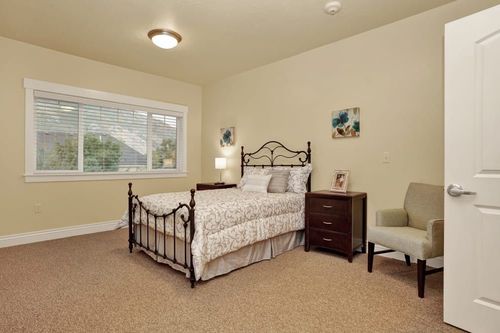
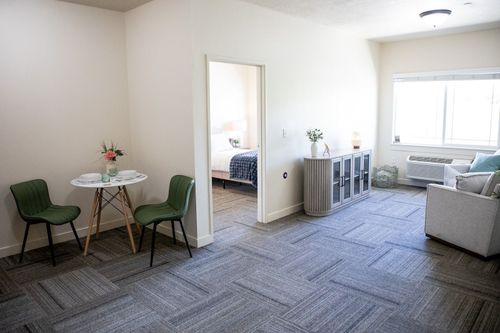
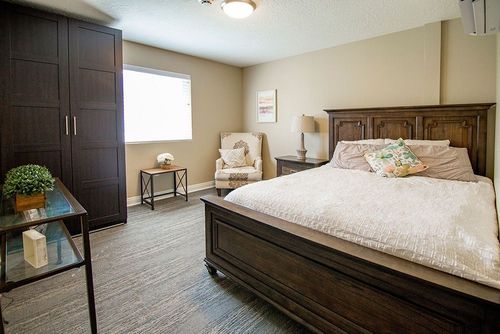
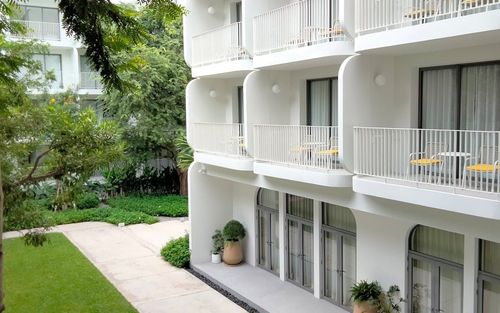
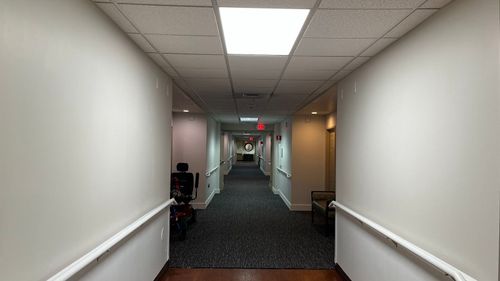
Covington's 15-apartment secured wing reads as a defined dementia neighborhood inside the larger campus footprint. Awake clinical staff cover overnight hours, the perimeter holds with controlled-access doors, hallways loop residents back toward the dining room rather than toward outside exits, and dementia-trained caregivers staff every shift. A resident whose cognition changes while on the campus's assisted-living side can transition into the secured wing without leaving the building, which removes one major relocation from the family's calendar.
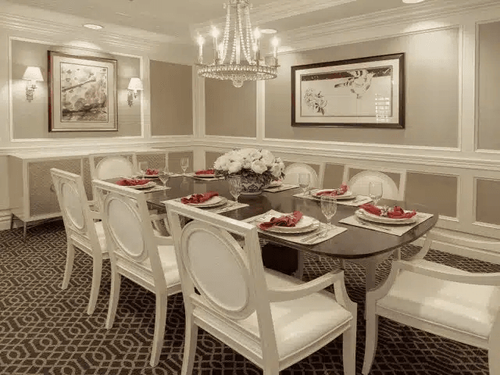
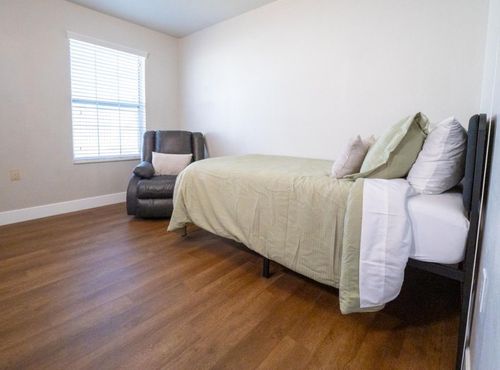
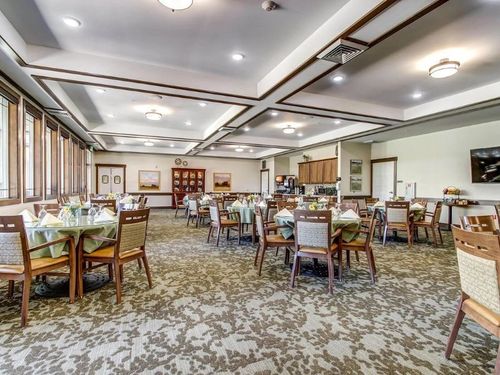
Heber Valley Assisted Living next door reads as a household, not a campus. Sixteen residents share one kitchen, one dining table, and a single common area, with a caregiver rotation small enough that every resident's morning rhythm sits with the staff by name. Door alarms, perimeter monitoring, and consistent supervision add safety layers for mild wandering profiles, though the building is not licensed and built as a secured-perimeter setting in the way Covington's wing is. For an earlier-stage resident who reads better in a small-house texture than on a busy campus, the Sante format can be the right fit. Once the picture moves into active wandering or unreliable nights, Covington's secured wing or Spring Gardens Heber's 17-apartment neighborhood becomes the honest match.
Cost and Coverage
Dementia-care monthly rates across the valley's three addresses run $4,800 to $6,400 in 2026. Covington's secured-side apartments and Spring Gardens Heber's secured neighborhood price toward the upper portion because around-the-clock clinical presence plus the licensed dementia-building layout add real cost to what assisted-living dollars buy. Heber Valley Assisted Living's small-house format holds the entry tier on an all-inclusive number that bundles dementia-friendly caregiver hours with room-and-board.
Move-in fees fall $1,200 to $4,500 across the three buildings, with respite stays on the secured side at $170 to $240 a day. The local resort-corridor cost basis pushes Heber Valley dementia pricing above what rural Sanpete and central-Utah buildings charge while keeping it under the central Wasatch Front median. Heber Valley Assisted Living's published materials reference Medicaid and Veterans Benefits navigation, which suggests case-by-case Waiver involvement; Covington and Spring Gardens Heber generally run private pay, though participation can shift, so current intake should be confirmed at each building before scheduling tours.
A Wasatch Back Senior Mix
The Heber Valley senior population pulls from three converging sources: ranching households whose lines stretch back to the 1859 settlement period, Park City workforce families who own homes here rather than in Park City proper, and out-of-state recreation retirees drawn by Deer Valley, Soldier Hollow, and the Wasatch Mountain horizon. Heber City's population sits past 20,800 and climbing in 2026, with the senior share growing alongside the broader expansion as longtime ranching households age in place beside newer arrivals.
The valley holds roughly 35 to 40 dementia placements across the three secured-side and dementia-friendly buildings combined. Turnover on the secured side typically runs a four-to-six-week wait for standard configurations, and the window stretches when an Intermountain Heber Valley Hospital discharge cluster pulls multiple placements into the same period.
Why Families Choose Memory Care in the Valley
Geographic proximity matters more in dementia care than at any other tier; relocating a resident with cognitive impairment into an unfamiliar region compounds the disorientation the disease already brings. Adult children driving in from Midway, Charleston, Park City, or up Provo Canyon from Utah Valley reach South Field Road inside twenty to thirty minutes, which preserves the weekday drop-in pattern most households have built around shared meals and Sunday-dinner routines. Longtime ward connections, the existing doctor relationships at the local clinics, and the Main Street rhythm all hold through a same-valley placement.
Intermountain Heber Valley Hospital's recent $43 million build-out widened the city's acute-care services in ways that matter for dementia residents. The complications that recur in the trajectory (a urinary infection presenting as sudden confusion, a fall workup, a medication-interaction consult, a behavioral episode that needs same-day evaluation) now have an emergency room, infusion services, and behavioral-health resources five minutes from South Field Road. More of those events stay in the valley than was true a decade ago, which shortens recovery transitions for residents who tolerate moves poorly.
What a Local Advisor Brings to Heber City
An advisor's first read on a Heber Valley dementia call is matching stage to format. For an earlier-stage resident anchored in the valley for decades, Heber Valley Assisted Living's small-house texture often reads calmer than a campus environment. For a resident already wandering, sundowning into agitation, or needing overnight clinical redirection, Covington's secured wing or Spring Gardens Heber's neighborhood is the honest match. That stage read shapes the shortlist before any tour gets scheduled.
The financial side runs alongside the clinical read: Waiver participation moves building by building rather than as a brand policy, and current intake should be confirmed before paperwork begins. When an Intermountain Heber Valley Hospital release date tightens timing, the conversation moves quickly to whichever of the three local addresses can land the resident inside the discharge window. Where the valley cannot match the clinical or financial picture, the over-the-summit and down-the-canyon options enter, with the longer visiting commute weighed openly against staying close to home. Reaching out a few weeks before a discharge or a behavioral spike keeps all three valley buildings on the family's working shortlist.