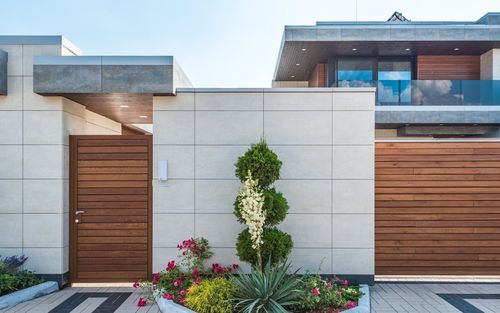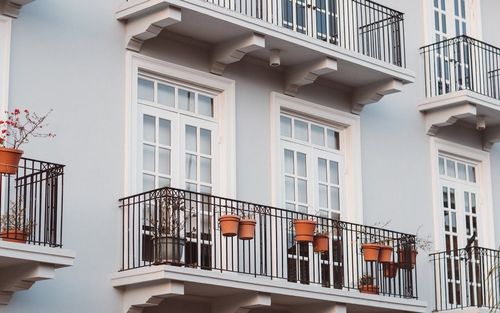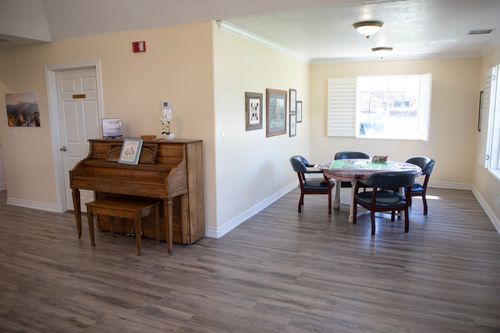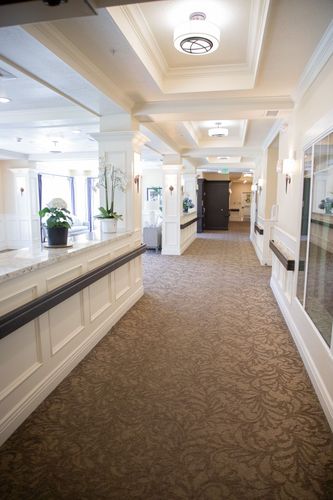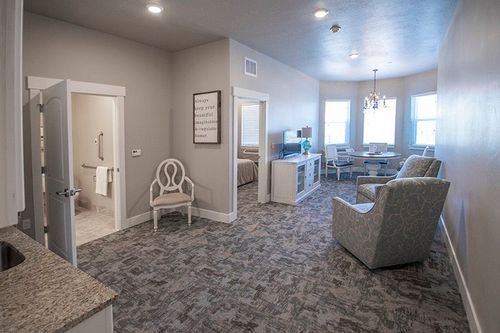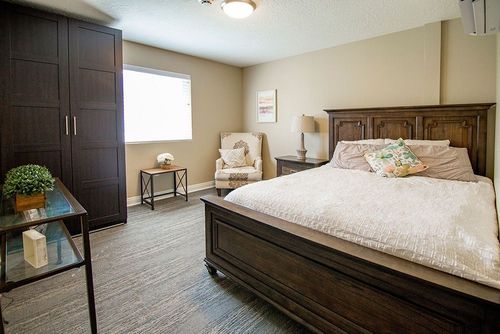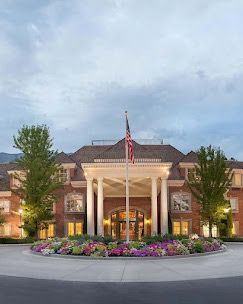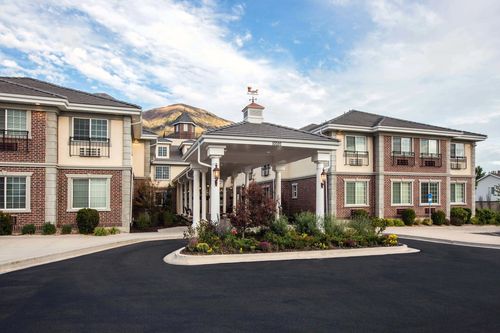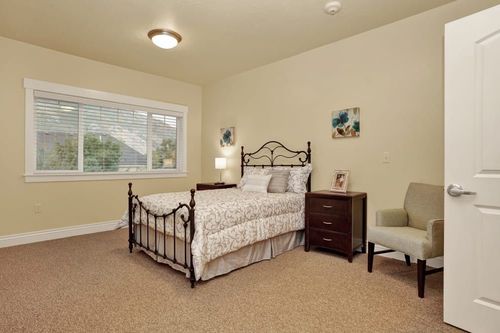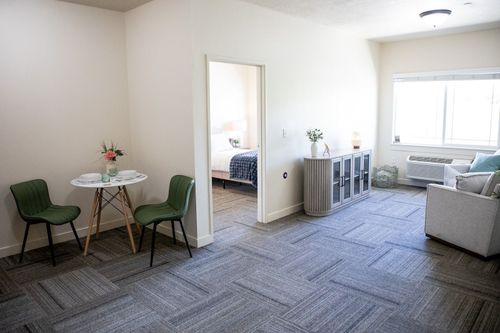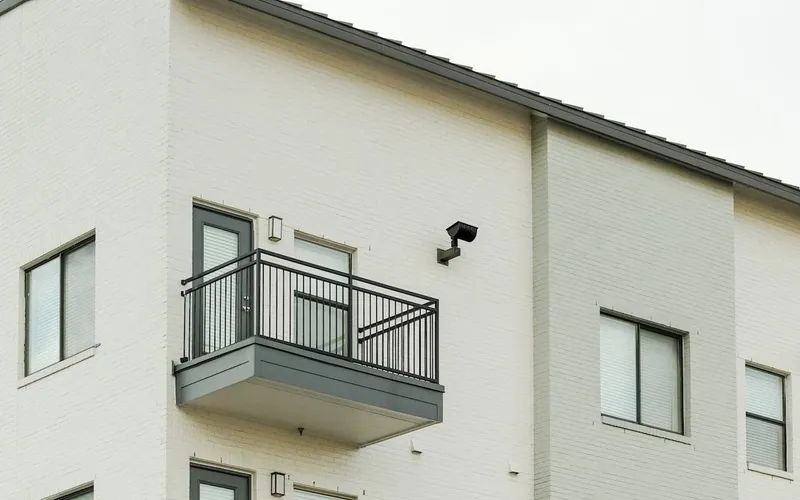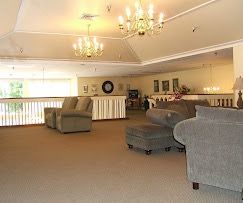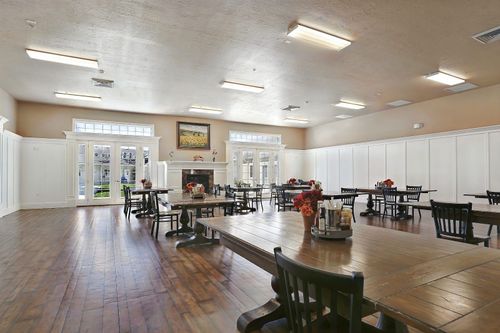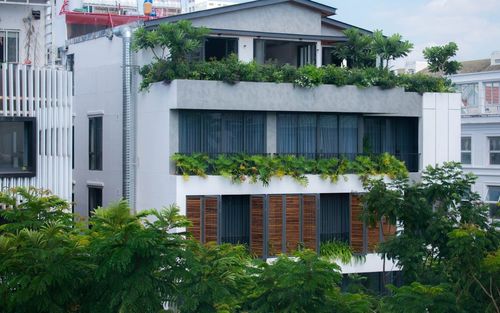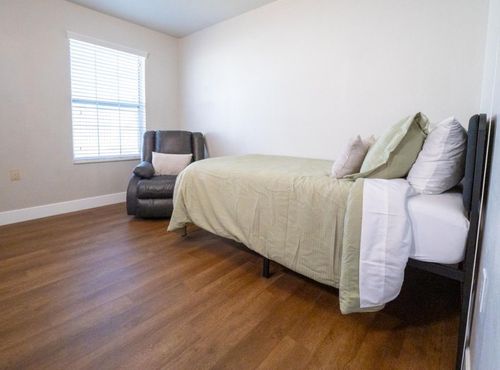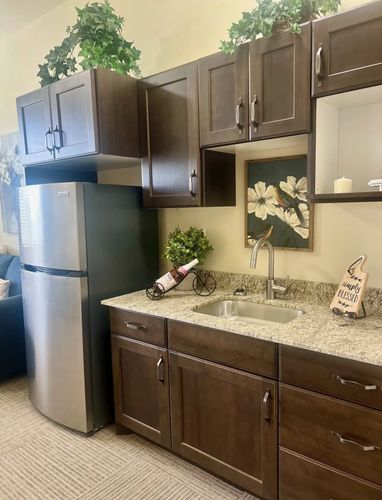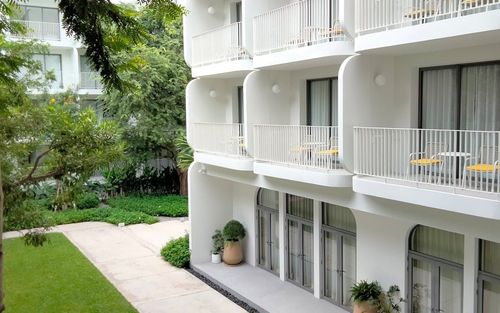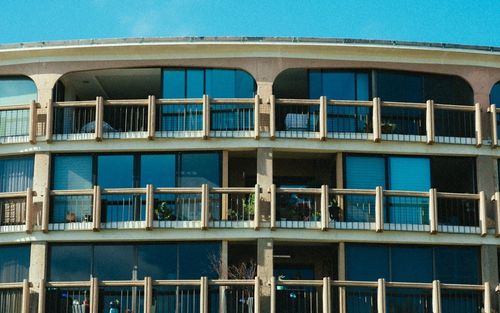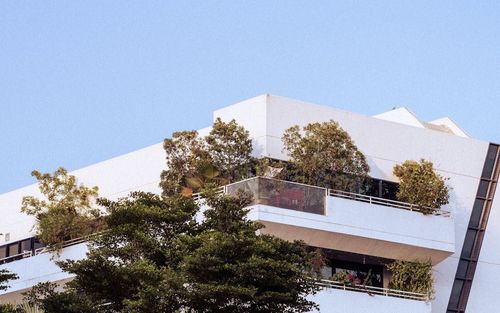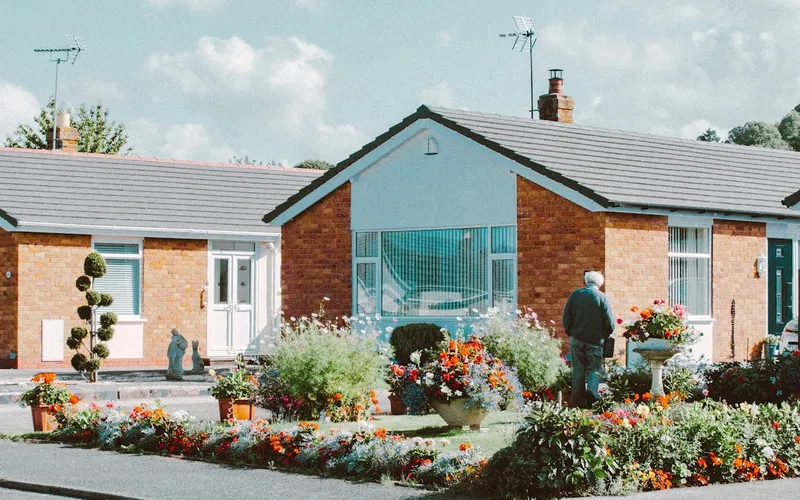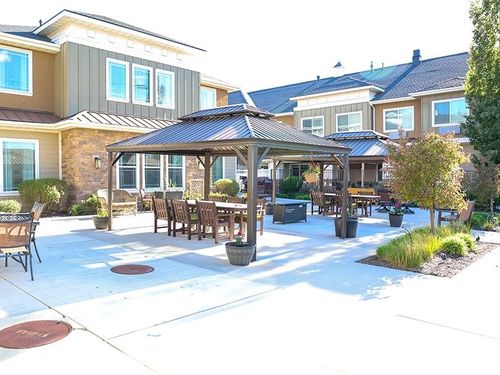

Assisted living in Heber sits primarily inside one building: Spring Gardens Heber, the 100-apartment Avista Senior Living community at 551 East 1200 South. The setting is unusual for the Wasatch Back because most Heber Valley senior-living capacity historically ran through smaller residential settings spread across the valley, and Spring Gardens's 100-apartment Avista-branded scale puts the city on a different operational footing than the residential model that Beehive Homes, Heber Valley Assisted Living, and other small Heber-area addresses represent.
For Heber families approaching the assisted-living conversation, Spring Gardens reads as the natural first stop because of the scale, the Avista network's operational consistency, and the resort-corridor pricing context. The decision is rarely a comparison against another Heber-Valley building of similar scale (there is not one), and more often a comparison between Spring Gardens and a longer move over Parley's Summit toward the dedicated Wasatch Front campuses, or down Provo Canyon toward the Utah County corridor.
Daily Support and the Resident's Independence
A Spring Gardens day reads as a multi-wing campus rhythm rather than the household-style of smaller Heber-Valley residential settings. Dining runs across scheduled seatings in the main dining room, the activity calendar carries the variety that an 80-plus-resident non-memory-care population can sustain, and bus outings on the calendar cover Main Street Heber, the Wasatch State Park area, and the resort-side amenity loop. Care-team coverage holds within each wing, and the secured memory-care neighborhood on the same campus runs a separate staffing rotation distinct from the assisted-living side.
Spring Gardens's 83-apartment assisted-living wing sits in the middle ground between a small Sanpete-style residential home and a Wasatch Front campus, and the day-to-day reflects that scale. The wing has its own dining room separate from the memory-care side, an activity coordinator running the wing's calendar, and a care-team rotation keyed to each resident's actual assistance profile rather than spread thin across the whole building. The Avista brand's multi-location Utah footprint brings broader operational resources to a Heber-Valley setting where peer assisted-living addresses operate at much smaller scales.
Medical care runs through Intermountain Heber Valley Hospital, a five-minute drive from Spring Gardens, where the recent $43 million build-out widened the locally available acute-care footprint. The expansion specifically added trauma stabilization, behavioral-health services, and heart-and-vascular work that previously routed over the summit or down the canyon, which keeps more of a Spring Gardens resident's post-discharge follow-up and specialist appointments inside the valley.
Pricing and Affordability
Spring Gardens Heber's assisted-living rate in 2026 runs $4,400 to $5,900 monthly. The figure sits at the resort-corridor cost basis, above the rural-Utah median for assisted living and roughly in line with the south Salt Lake Valley range, reflecting both the Avista operational profile and the underlying Heber-Valley labor and real-estate cost basis pushed up by the Park City-adjacent property market. Apartment configuration is the primary driver of where a given resident lands inside that band; the care-tier rating from the move-in assessment moves the figure further; opt-in services like private one-on-one aide hours or upgraded dining service show up as separate lines.
Move-in fees range $1,200 to $4,500 depending on the apartment. A second resident sharing an apartment adds roughly $700 to $1,000 a month, and short-stay respite costs $170 to $240 daily. Spring Gardens does not currently participate in Utah's Aging Waiver, so the path for Medicaid-track Heber Valley families typically widens beyond Spring Gardens to smaller residential addresses in the valley that do participate, or to over-the-summit or down-the-canyon alternatives where waiver-funded apartments rotate through availability.
A Resort-Corridor Senior Population
Heber's senior population sits inside an unusual demographic mix for a Wasatch Back city. Multi-generational ranching families whose homes have been in the valley since the 1859 settlement period still anchor the long-tenured side, while Park City spillover (households priced out of Park City proper but still working there), remote workers drawn to the four-season recreation backdrop, and recreation retirees from out of state have layered onto the local population over the past two decades. The senior share grew alongside that broader population shift, and the demand pattern at Spring Gardens reflects all three groups rather than only the traditional Heber Valley household.
Apartment turnover at Spring Gardens depends on configuration and care-tier requested, with standard-tier apartments on the assisted-living wing typically running a four-to-eight-week wait and the most-requested layouts sometimes longer. The 17-apartment secured memory-care neighborhood on the same campus carries a separate wait dynamic with its own timing.
Why Families Choose Assisted Living in Heber
The Wasatch Back geography is the strongest practical pull, and the math is concrete: adult children working in Park City, Midway, or Charleston reach Spring Gardens inside fifteen to twenty minutes on the local road network, which keeps weekday stops and weekend visits on the calendar rather than turning them into the rare event a move over the summit or down the canyon would produce. For long-tenured ranching families whose connection to the valley spans generations, the local-ward connections, the family doctor at the Heber Valley Hospital cluster, and the routine cadence built around Main Street Heber all stay intact through a move to Spring Gardens.
The four-season outdoor identity that brought many Heber Valley households to the area in the first place stays present through assisted-living scale. The Wasatch State Park trails, the Provo River corridor, the Jordanelle Reservoir, and the seasonal cadence around the Soldier Hollow Olympic venues continue to shape the weekly rhythm beyond what Spring Gardens runs in-house.
What a Local Advisor Brings to Heber
Assisted-living calls in Heber come from a few recognizable directions, with the most common being a household where weekly help has gradually become daily help, where a spouse or adult child driving in from Midway, Charleston, or up from Provo has stretched to absorb medication routines, bathing assistance, and the kitchen-and-laundry rhythm that the resident no longer fully manages. The second arrives through Intermountain Heber Valley Hospital's case management line, where a discharge after a fall, an infection, or a planned procedure has surfaced that returning home is not the right plan. The third surfaces in couples where one partner's daily needs have outgrown the other's ability to keep up at home.
For any of those threads, the advisor's first move is to check Spring Gardens's current standard-tier and care-tier availability against the family's timing. If Spring Gardens is not the right match (for waiver coverage, for a smaller residential setting, or because timing requires a faster placement than the building can provide), the advisor pulls the smaller Heber Valley alternatives and the over-the-summit or down-the-canyon options. The Avista network across Utah also means the conversation can occasionally include sister Avista addresses elsewhere if the family is open to that geographic shift.
Starting the conversation early opens more of Spring Gardens's apartment configurations to the family than a hospital-discharge-driven call typically does. Get in touch with an advisor when assisted living begins entering the household's planning, or view the directory for the broader Heber Valley senior-living context.