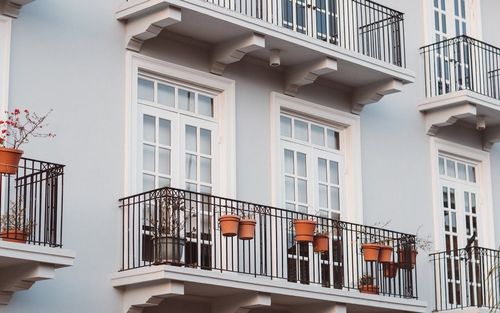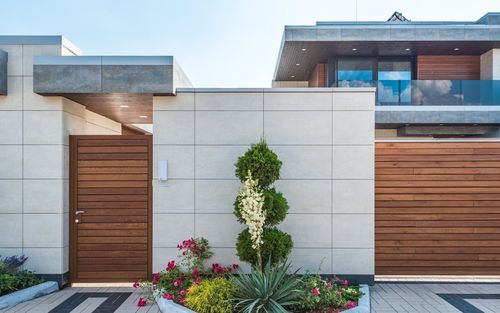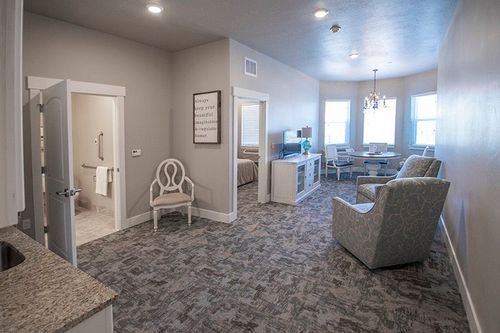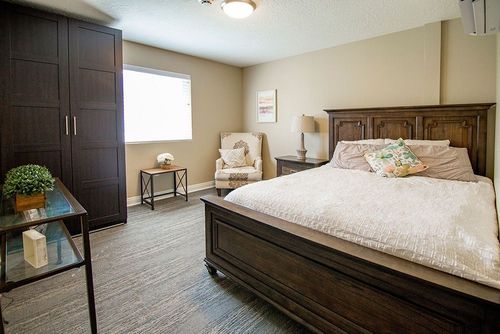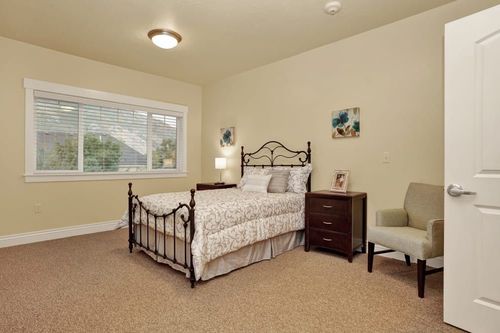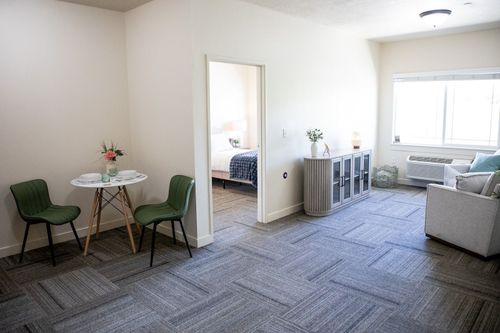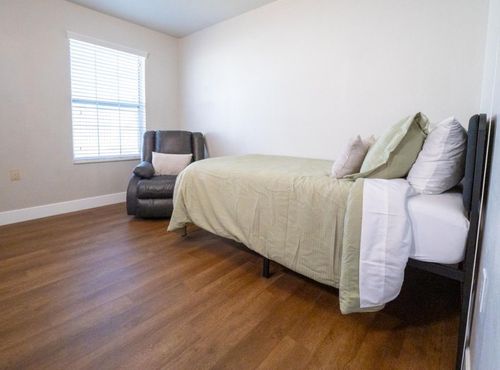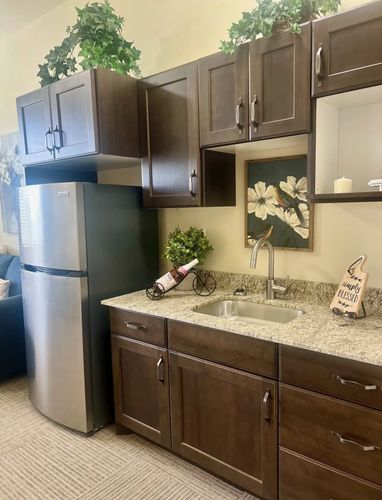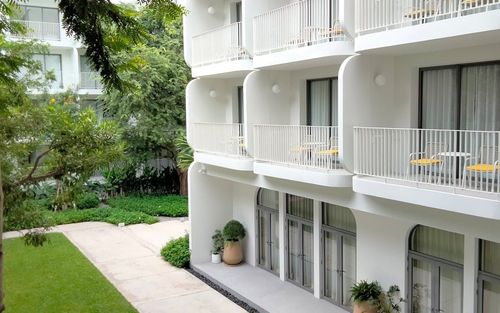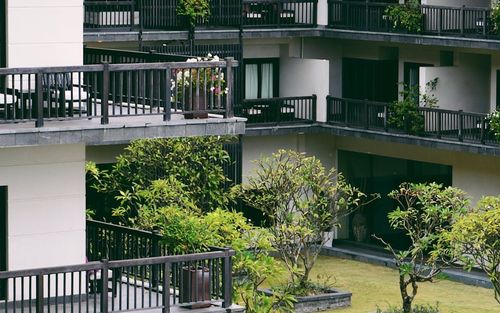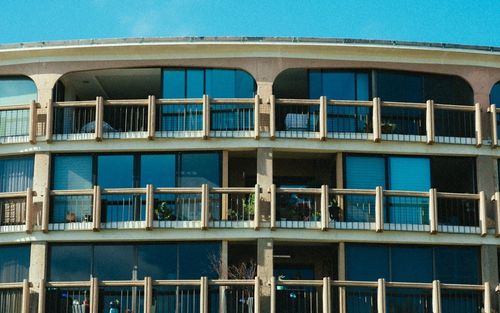

Spring Gardens Heber's 17-apartment secured side is the only dedicated memory-care neighborhood in the entire Wasatch Back. There is no second secured-memory care building in the Heber Valley, none in Park City, none in Midway, none in Kamas. For a Heber Valley family weighing memory care, that one-building reality reshapes the question. The decision is rarely about choosing among local dementia-care settings; it is about choosing between Spring Gardens and the longer round-trip to a Wasatch Front or Utah County secured wing that an adult child or spouse would only reach with real planning, not as a casual weekday stop.
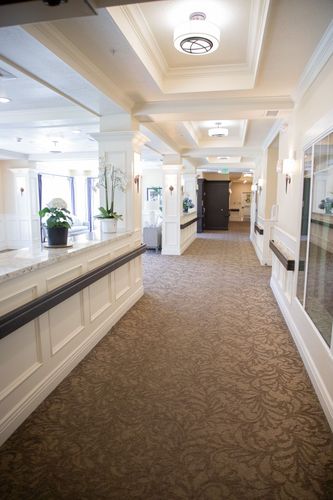
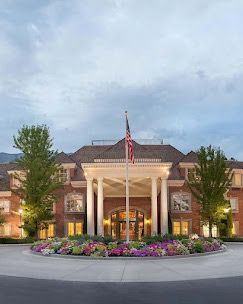
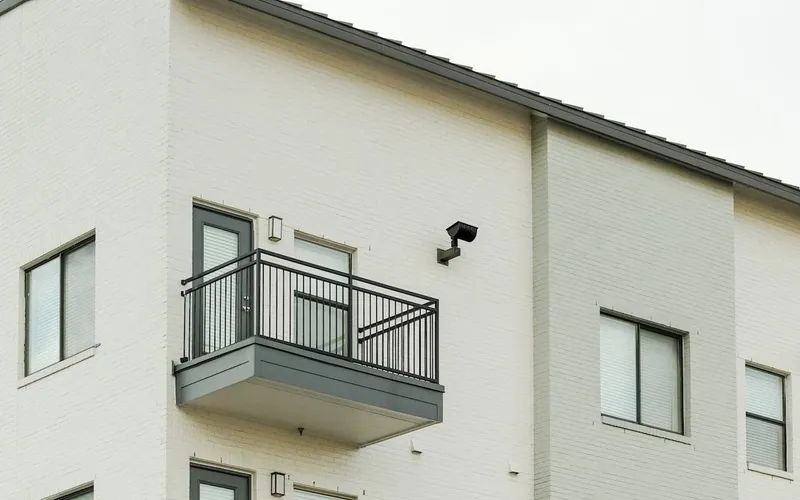
The secured neighborhood sits inside Avista Senior Living's 100-apartment Heber building at 551 East 1200 South, structurally separate from the assisted-living wing but sharing the larger campus's operational footprint. The 17-apartment scale puts it in the middle range nationally for dedicated secured neighborhoods, smaller than the largest Wasatch Front wings but well above what a small rural assisted-living home would carry on the dementia side.
The Avista Brand in a Wasatch Back Setting
What the Avista network brings to a 17-apartment secured neighborhood in Heber is operational depth that a standalone small-town dementia-care setting would not typically reach. Avista operates across multiple Utah locations, which gives the Heber building shared dementia-training protocols, behavioral-management standards, care-planning tools, and a regional clinical-leadership layer that flows from the broader brand into the day-to-day work at the secured side. For families researching memory care, that brand-depth context matters because dementia care is a domain where the gap between best-practice and merely-licensed practice is meaningful.
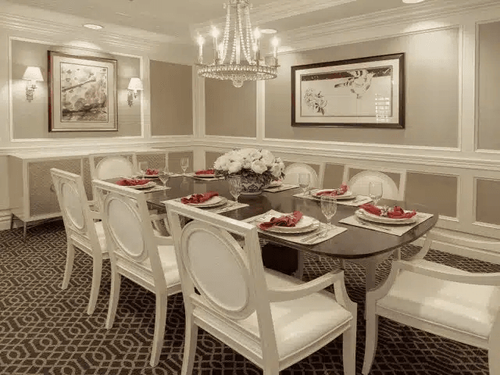
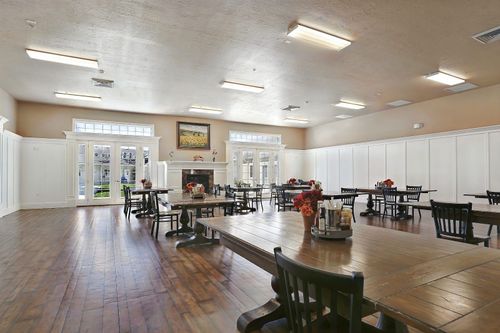
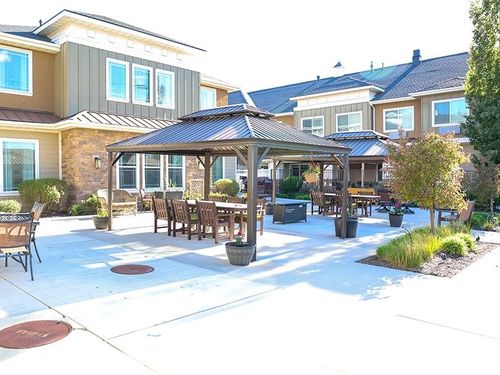
Daily operations on Spring Gardens's dementia side rest on three layers: caregivers trained specifically in dementia work staff every shift, a licensed clinician stays awake through the overnight hours rather than on-call, and the engagement calendar blends one-on-one time with small-group sessions calibrated to whatever cognitive and behavioral profile the population is presenting that day. The secured perimeter, the monitored outdoor courtyard, and the in-neighborhood dining room all sit inside the secured zone, which removes door codes and locked-door navigation from the resident's daily experience entirely.
The In-Valley Versus Out-of-Valley Calculation
The practical question for most Heber Valley dementia-care families is straightforward: stay at Spring Gardens, or commit to a 35-to-45 minute one-way drive over Parley's Summit to the south Salt Lake Valley or down Provo Canyon to Utah County. The math for visiting cadence rarely favors the longer drive. A spouse stopping in three or four times a week at Spring Gardens loses that rhythm when the drive becomes a weather-dependent mountain pass. Adult children working in Midway, Charleston, or up at Park City face a similar shift; what was a fifteen-minute drop-in becomes a half-day round trip.
Where the out-of-valley conversation actually wins is when the dementia profile has progressed past what a 17-apartment secured neighborhood can safely hold. Frequent specialized one-on-one intervention needs, physical-care intensity approaching nursing-facility scope, or behaviors that require a larger and more clinically resourced secured environment all argue for taking the longer drive seriously. For most earlier-to-mid stage profiles, Spring Gardens is the right local answer; the conversation about out-of-valley alternatives is a real but exceptional one.
What Spring Gardens Costs
The median secured-side apartment at Spring Gardens prices near $6,200 a month in 2026, with the band stretching from $5,300 on the smaller configurations to $7,100 once behavioral or supervision needs above the standard model factor in. The secured-side number sits about $800 to $950 over what the building charges on its assisted-living wing, a gap that buys the awake clinical staffing, the dementia-trained caregiver hours, and the secured-perimeter physical-plant requirements state licensing mandates for a dedicated dementia neighborhood. Apartment configuration drives most variance; behavioral or supervision needs above the standard model push the upper end. Pricing here tracks the resort-corridor cost basis rather than the lower rural-Utah median, which leaves the Heber number meaningfully above what rural addresses charge for secured-side care and roughly aligned with what the south Salt Lake Valley pays.
Move-in fees run $1,200 to $4,500 by apartment. Respite stays on the secured side cost $190 to $260 a day. Spring Gardens is not currently an Aging Waiver-participating building, which means Heber Valley families whose affordability depends on Medicaid generally have to look outside the valley to where waiver-funded secured apartments do cycle through. Long-term-care insurance policies typically activate at the memory-care level for households who bought coverage years earlier.
Hospital Coordination in a Recently Expanded Acute-Care Setting
Intermountain Heber Valley Hospital completed a $43 million expansion that meaningfully widened its acute-care services inside the city. For dementia-care residents, that expansion is more relevant than it sounds. The recurring medical complications that surface in dementia (urinary infections presenting as sudden behavioral change, medication-interaction issues, post-fall workups, behavioral events that need same-day evaluation) now have an emergency department and infusion suite a five-minute drive from Spring Gardens that could previously have meant an over-the-summit transfer for the more involved cases.
The hospital's case-management team knows Spring Gardens's secured-side clinical scope directly, which keeps the discharge-to-secured-neighborhood handoff fast when a hospital visit ends with the resident moving back to Spring Gardens. For dementia profiles where a hospital event surfaces that the resident's care needs have advanced past Spring Gardens's scope, the case manager evaluates over-the-summit or down-the-canyon options with the family inside the discharge window.
What a Local Advisor Brings to Heber
A Heber Valley memory-care conversation usually starts after a dementia trajectory has crossed the line where overnight supervision at home is no longer safe, where wandering risk has become active, or where a spouse or family caregiver has spent past sustainable bandwidth. The first concrete step is checking Spring Gardens's secured-neighborhood availability against the family's window, which typically runs a four-to-six-week wait for standard configurations and longer when a discharge spike from Heber Valley Hospital pulls multiple memory-care placements into the same period.
The second step is the harder one: an honest read on whether the 17-apartment Avista secured setting fits the resident's specific dementia stage and behaviors. For most earlier-to-mid stage profiles, Spring Gardens is the right local answer and the conversation moves quickly into apartment-configuration choices. For more advanced or behaviorally complex profiles, the advisor lays out the over-the-summit Wasatch Front and down-the-canyon Utah County options with deeper specialized staffing, walking the family through the visiting trade-off realistically rather than glossing over it.
Reaching out before a hospital event creates the timing pressure of a same-week placement gives the family room to land on the right Spring Gardens apartment configuration and to weigh out-of-valley alternatives without a discharge clock ticking. Get in touch with an advisor when the diagnosis or the household situation starts pointing toward secured supervision, or look through the directory for the broader Wasatch Back senior-living context.