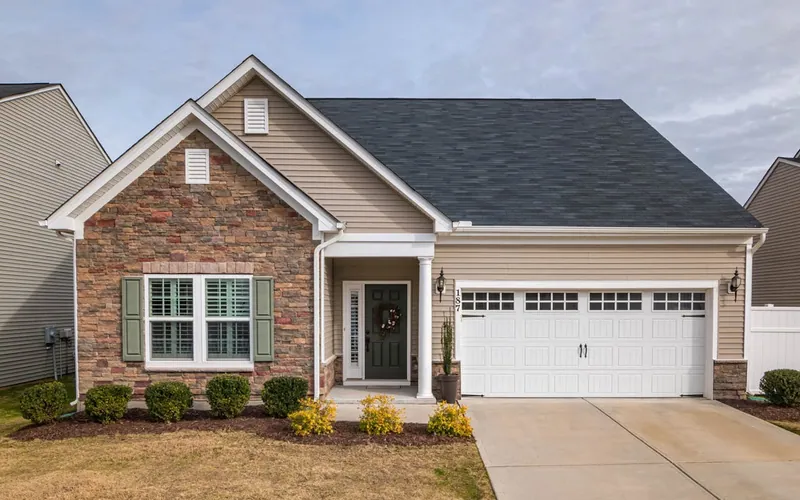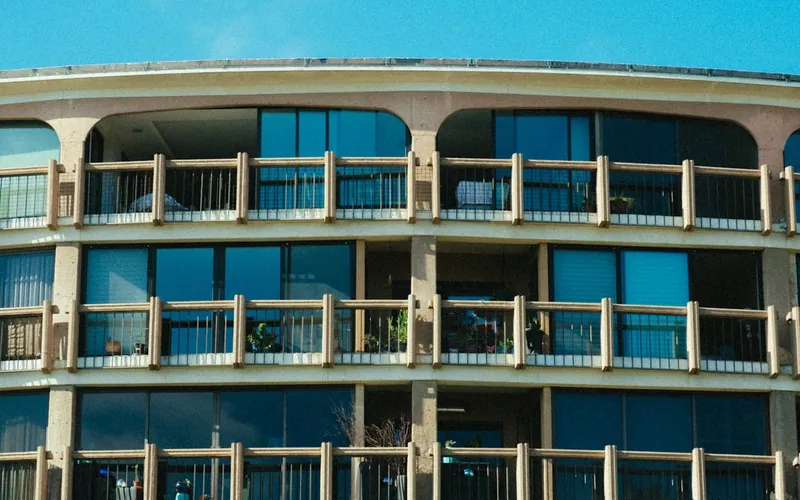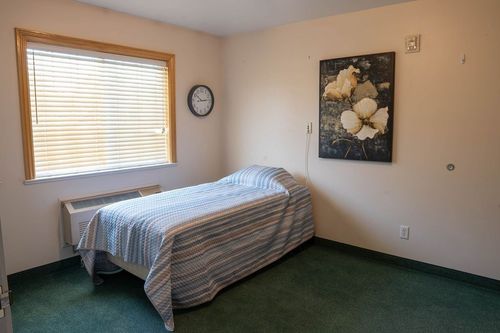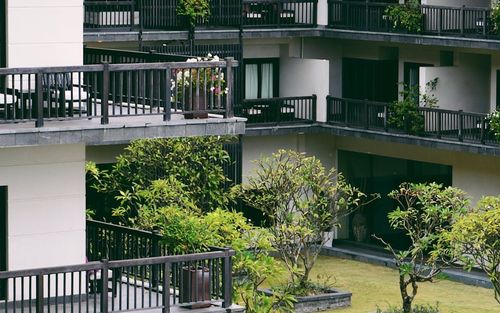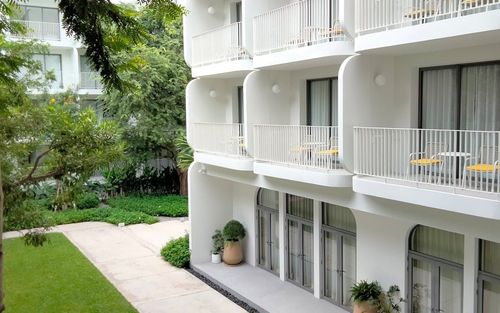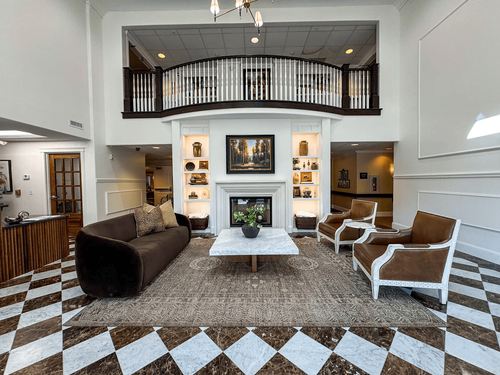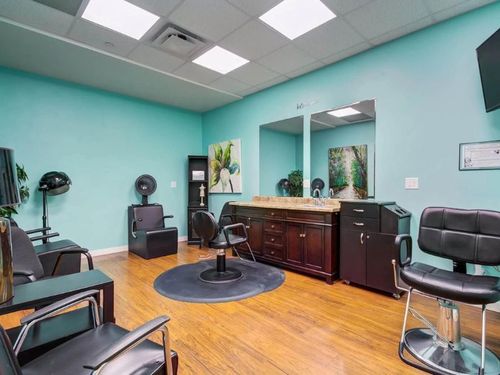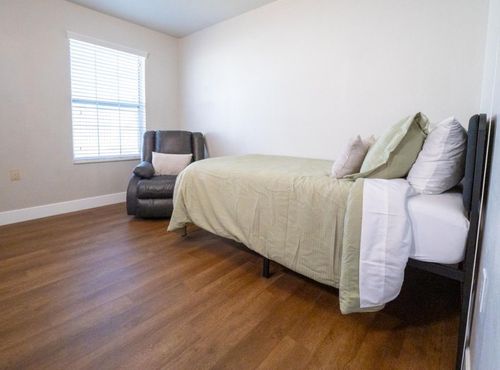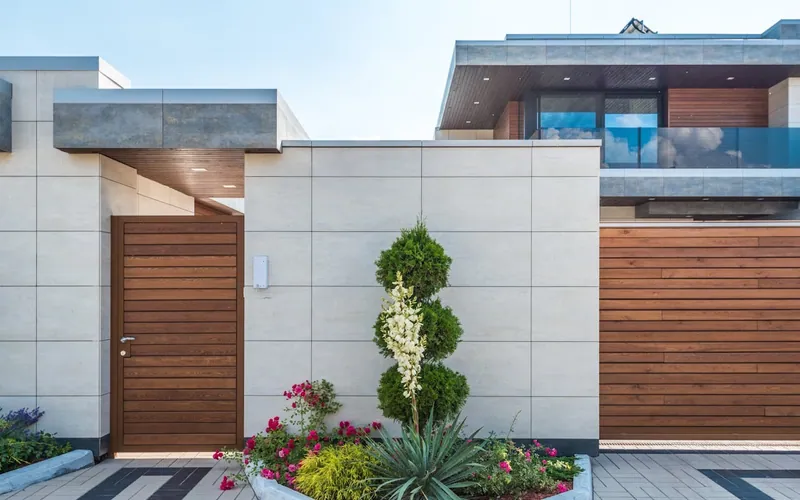

Sixteen bedrooms sit under one roof at Victorian House Assisted Living on North 500 East, and that single number frames the dementia-care conversation in Levan. Heather Eddington founded the home, runs program direction as a Licensed Practical Nurse, and keeps a Certified Nursing Assistant on duty every hour. Level 1 assisted living and the home's memory care line share the same household and caregiver rotation, without a separately coded perimeter.
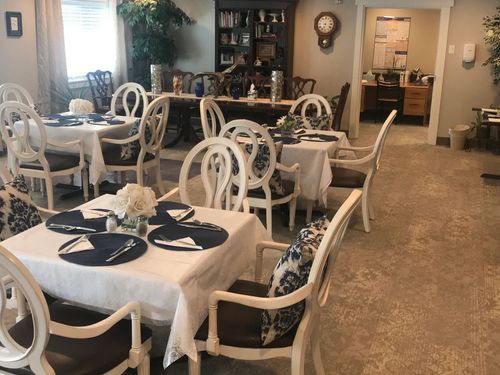
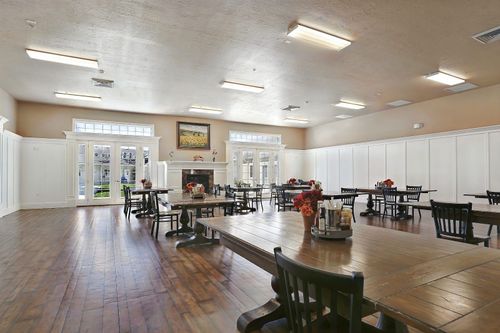
Early dementia softens inside that small footprint. Faces stay the same week to week, one dining table seats everyone, and the rhythm of meals, hand crafts, and porch time gives a resident with shifting orientation something legible. Once wandering risk surfaces or behavior sharpens past redirection, the nearest dedicated dementia neighborhoods sit up I-15 in Payson and Spanish Fork, with deeper inventory in the Provo medical corridor.
How Mild-Stage Dementia Care Runs Locally
Victorian House does not pull dementia residents onto a separate program track. Dementia-aware support sits inside the same assisted-living service used by every other resident, and the on-duty Certified Nursing Assistant learns each person's preferences and the early signs of a confusing moment. Bingo afternoons, garden time, hand-craft sessions, music, and devotional time anchor a calendar reachable for someone whose memory has begun to soften.
What the household does not carry is the architecture of a dedicated dementia neighborhood: no coded doors against a wandering risk, no overnight staffing built around a secured-side resident count, no activities silo separated from the main assisted-living life of the home. Those structural pieces become essential once the disease moves past mild-stage confusion.
Cost and Coverage
In 2026, a private bedroom at Victorian House approaches $4,500 monthly while a shared room sits near $2,780, matching what an assisted-living-level resident pays. Light Juab Valley operating costs hold the rate well underneath Wasatch Front secured-wing pricing. Move-in fees fall inside $500 to $1,500, and a respite night runs $130 to $175.
Medicaid Aging Waiver intake at rural small-residential homes generally runs case-by-case, so live capacity at Victorian House should be verified ahead of paperwork. If Waiver participation does not line up locally, dedicated dementia addresses up I-15 carry deeper Waiver slots.
Local Healthcare and the Geographic Reality
Fifteen minutes north of Levan, Central Valley Medical Center anchors the Juab Valley as a 25-bed critical-access hospital. Its emergency department handles the flare-ups a dementia resident actually shows up with: a urinary infection that scrambles orientation, a fall that needs imaging, a sudden medication interaction, an evening sundowning spike. Discharge planners and Victorian House caregivers know each other by name, which keeps the round trip back home short, important because every transition carries cognitive cost.
Neurology and dementia-specialist workups route to Mountain View Hospital in Payson or Utah Valley Hospital in Provo, both inside a forty-five-minute drive up I-15. That drive frames the harder question: once Victorian House cannot safely hold a resident, every secured-neighborhood option pulls the family north, and relocation's cognitive cost must be weighed against the safety floor a coded perimeter provides.
Why Families Choose Levan
Continuity matters more in dementia care than in any other senior-living tier, because moving a person whose orientation is already softening into surroundings they cannot read makes everything harder. Inside Victorian House, a resident keeps the small-town quiet they have known for decades, the wheat-belt scenery beyond the back fence, ward members dropping by for porch time, and the pioneer-era buildings inside walking distance of the front door.
Geography also keeps families close: adult children working in Nephi or commuting up I-15 toward Payson and Provo reach Victorian House inside a fifteen-to-forty-five-minute window, not the half-day round trip a Wasatch Front placement would impose.
What a Local Advisor Brings to Levan
The call usually comes after a stretch where home care has been propping up overnight safety and the cracks have started to widen: the back door open at 3 a.m., a hired caregiver missing before a Tuesday shift, behavior shifts surfacing between weekly family visits, a calendar that worked six months ago no longer covering the load.
Reading the resident's stage against what the integrated household can safely hold comes first. If orientation still recovers through familiar caregiver redirection, the local home often remains the right call; if wandering, exit-seeking, or overnight behavior have crossed past what the household can cover, dedicated dementia neighborhoods up the I-15 corridor become the realistic alternative, with the longer visit drive entering honestly. Stage of disease drives that call far more than the rate sheet.
Reaching out before the planning window tightens around a Central Valley discharge opens more room to weigh both paths together. Reach out for a planning conversation when dementia-care planning shapes the family's calendar, or browse the buildings we cover for the broader Juab Valley context.