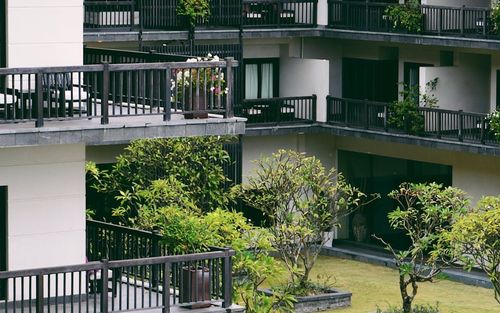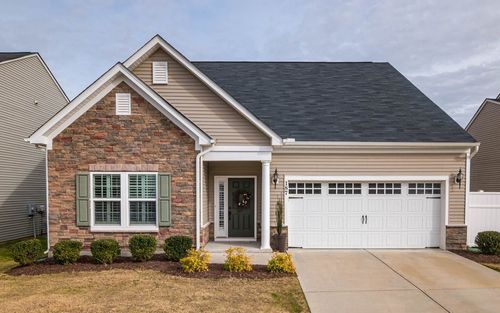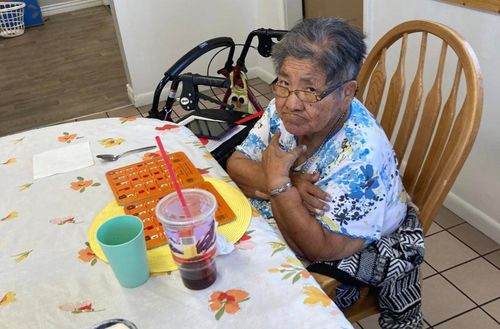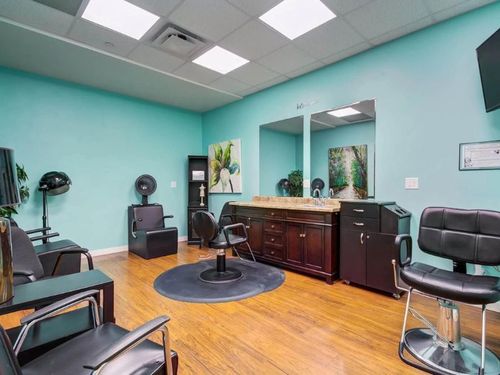
Sanpete County's published dementia-care inventory comes down to one address, which shapes the local conversation before any tour. GoodLife Senior Living of Mount Pleasant on East 200 North is a 16-resident faith-based home where Alzheimer's and dementia support sits inside the same household service covering everyone else, not on a separately licensed secured wing.
For early-to-moderate-stage residents, small-scale routines (consistent caregivers, one dining room, devotional rhythms, predictable meal times) carry weight a larger campus spreads across specialized staff. Once the disease moves past what the household can hold safely, the nearest secured-perimeter alternatives sit ninety minutes up the Provo medical corridor or two-and-a-half hours north on the Wasatch Front, and that travel distance is the binding constraint.
How Mild-Stage Dementia Care Runs Here
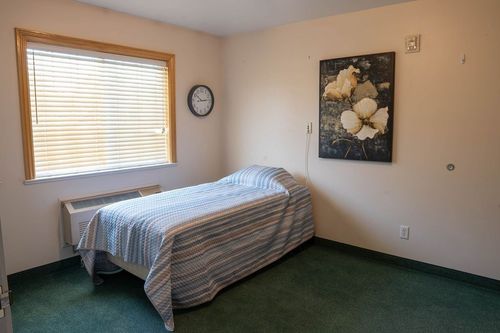
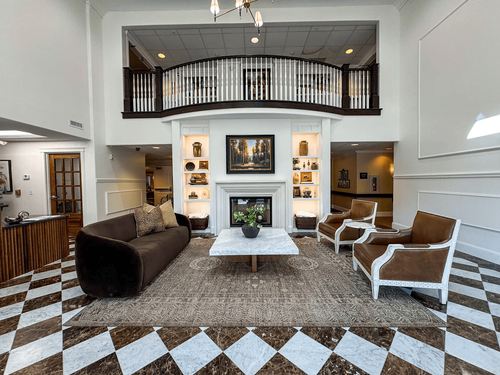
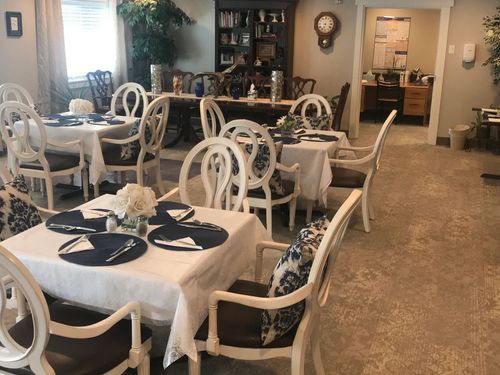
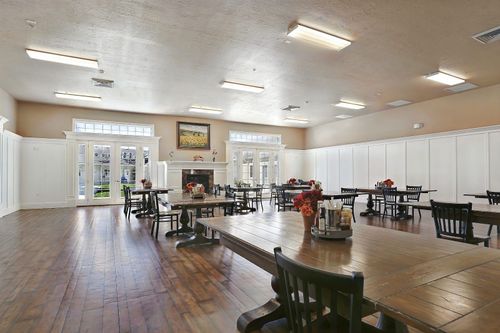
Dementia support at GoodLife folds into the broader daily rhythm rather than splitting off. Caregivers carry each resident's history in their heads, so redirection happens conversationally; the dining room seats sixteen and the activity space is a single room, keeping the social environment readable for someone with shifting orientation. Chef-led meals anchor the day, and the calendar of devotional services, music, and holiday observances holds up well across mild cognitive changes.
Three features dedicated memory-care neighborhoods carry are absent here: coded doors, awake-overnight ratios sized to a secured population, and a separate activity calendar. None are needed at a mild-to-moderate stage; all become essential as the disease advances, which is when the conversation pivots toward out-of-county addresses.
Cost and Coverage
Monthly billing at GoodLife sits roughly between $4,000 and $4,800 in 2026 on a single structure, since the home does not split off a secured-side line. Households on a fixed retirement check value that flat structure, with the statement steady as cognitive needs creep upward rather than climbing on tiered care add-ons each quarter.
Medicaid pathways are not confirmed in the home's published material. For families building a budget around the Aging Waiver, verifying intake before state paperwork starts is the right first move, since small-campus settings across Utah handle Waiver participation building-by-building. When the local match cannot come together, the dementia-care addresses up the Provo corridor and along the Wasatch Front hold deeper Waiver-friendly inventory, with the longer drive entering the family's calculus as a real trade.
Local Healthcare and the Geographic Reality
Sanpete Valley Hospital sits five minutes south on Medical Drive, an Intermountain critical-access campus that handles the medical events dementia residents see most often: confusion traced to a urinary infection, post-fall workups, medication-interaction screens, and same-day behavioral evaluations. Its scale keeps the discharge handoff short, which matters because dementia residents tolerate transitions poorly. Neurology consults route ninety minutes into the Provo corridor or further on to University of Utah Health's geriatric program.
A move to a dedicated secured neighborhood for mid-or-late-stage dementia locks in visits of ninety minutes each way at minimum, versus the under-five-minute walk a Sanpete Valley relationship supports. The answer for any given family depends on where the disease has progressed and whether the at-home arrangement still holds with hired-aide hours over weekends.
Why Families Choose Mount Pleasant
For someone whose memory is slipping, familiar surroundings carry weight no clinical feature can replicate. A GoodLife resident keeps Main Street walks inside the day, Wasatch Academy and Snow College Planetarium events on the visit list, longtime ward connections on the porch, and the Sanpete Valley year (harvest weekends, deer-hunt season, stake conference Sundays) as the texture of the week.
Adult children driving in from Provo and Salt Lake reach the home inside the ninety-minute cadence the family already built around the valley. At an early-to-moderate stage, that continuity usually counts for more than a secured-perimeter design would add.
What a Local Advisor Brings to Mount Pleasant
Most dementia-care calls land after patchwork home-care coverage starts breaking down overnight. A spouse finds a confused partner at the back door at three in the morning; a paid aide cancels with no backfill; behavior changes show up between weekly visits in shapes the longer intervals cannot catch. When three or four of those signals stack inside a few weeks, the household shifts from layered home care into planned placement.
The advisor's first read is matching the resident's dementia stage against what GoodLife's integrated household can safely hold. If orientation still recovers when a familiar caregiver redirects, the local option holds and the call moves into room specifics and intake timing. If wandering or overnight-safety failures have crossed that line, the advisor names the Provo corridor and Wasatch Front secured-neighborhood addresses along with the visit cadence those moves lock in. Reaching out before a hospital event narrows the timing keeps both routes side by side. Talk through a memory-care plan when dementia care surfaces as the next step, or scan the communities we cover for the wider central Utah set.