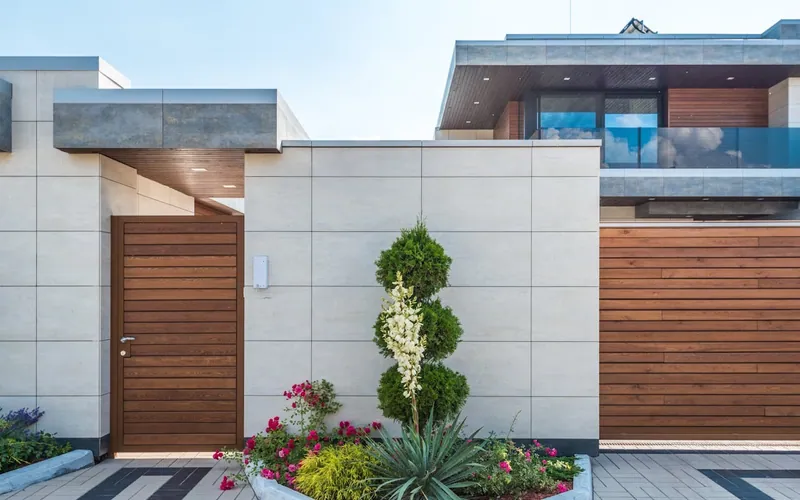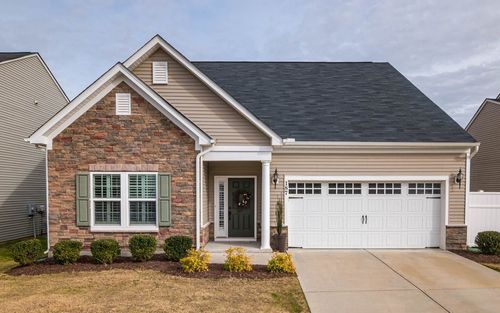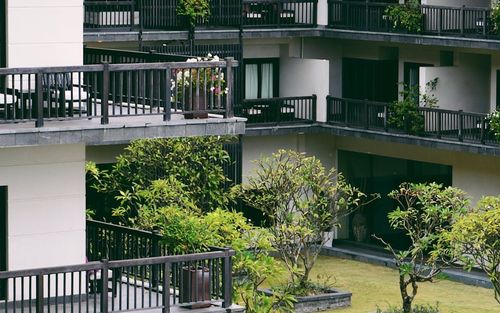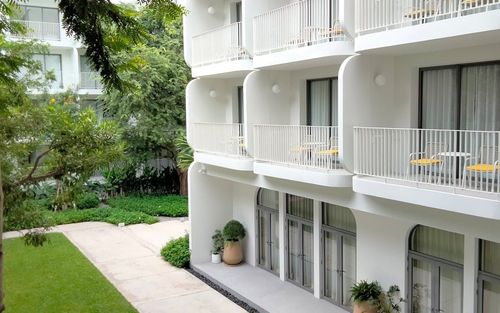
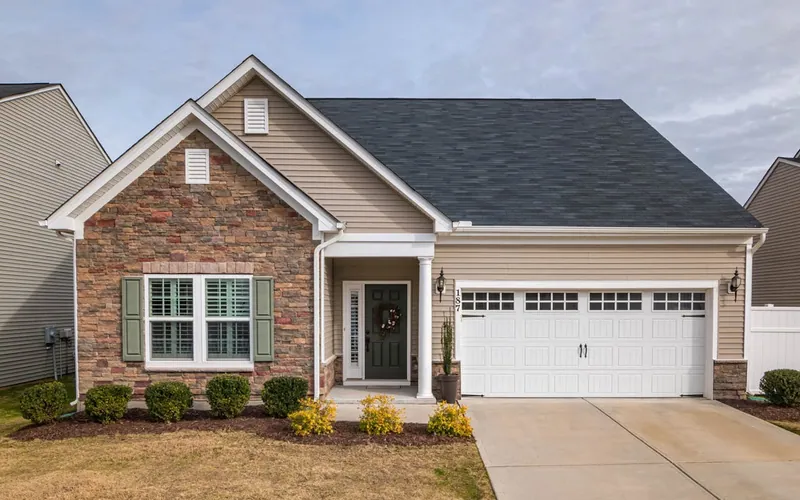

Nephi's published dementia-care footprint is small and structurally distinct from a dedicated memory-care campus. Laurel Groves Assisted Living at 549 North 400 East holds a secured wing capped at seven dementia residents inside its broader Type II building, with a 7-to-1 resident-to-staff ratio on the secured side. Red Cliffs Assisted Living at 338 South 400 East lists memory care on its services list and absorbs dementia residents inside its 16-resident small-house format rather than holding a dedicated wing. Both buildings run under the Eddington Healthcare team.
What shapes the dementia-care conversation in Juab County is the size and structure of the local set. A family weighing memory care in Nephi is usually choosing between a small in-town secured neighborhood and a longer move up I-15 toward the Utah Valley corridor, where larger dedicated dementia campuses cluster forty-five minutes north. For multi-generation households whose social fabric runs through ward connections and the East Juab senior calendar, that proximity often weighs heavier than the inventory depth difference would suggest.
Day-to-Day Care
Laurel Groves' secured wing operates with the structural elements state licensing requires for dementia care: keypad-controlled doors between the secured side and the broader building, a fenced perimeter for chaperoned outdoor time, awake overnight staffing, and dementia-trained caregivers covering each shift. The seven-resident scale means staff knows every resident by name and reads each one's behavioral patterns through repeated daily contact, a different model than a forty-bed dedicated neighborhood produces.
Red Cliffs takes a different approach: dementia care lives inside the building's daily-support routine rather than as a separately walled-off wing. For an earlier-stage resident whose wandering has not yet pushed past what a small-house staffing model can absorb, the format keeps daily contact with the rest of the building. For a resident whose late-stage behaviors, overnight safety patterns, or complete-care needs have crossed what the format can hold, the practical alternative is the larger Utah Valley secured inventory. Each resident reads against that line carefully.
Cost and Coverage
Nephi dementia-care monthly rates in 2026 run roughly $4,200 to $5,400. Laurel Groves' secured-side figure prices above its assisted-living rate to fund overnight clinical staffing, dementia-trained caregivers on every shift, and the secured-perimeter design state licensing requires. Red Cliffs absorbs dementia care inside its broader rate structure rather than billing a separately tiered secured rate, which keeps its all-inclusive figure closer to its assisted-living price point. Apartment configuration drives most of the spread inside the band; residents whose behavioral or supervisory needs are heavier sit closer to the top.
Neither building has an active Aging Waiver contract on its published materials, though the Juab County cost basis would make Waiver economics workable on the dementia tier if one of the two buildings did join the program. Move-in fees fall $800 to $2,500, and respite stays cost $160 to $220 per night. For Medicaid-track families, the practical search broadens to Waiver-participating Utah Valley dementia addresses forty-five minutes north.
A Small Central Utah Senior Population
Juab County's 85-and-older cohort, the age band where dementia incidence climbs sharply, sits at roughly two percent of Nephi's population. That puts the count of advanced-stage dementia candidates in town in the dozens rather than the hundreds, which is the structural reason the secured-side inventory stays compact.
Laurel Groves' seven-bed wing turns over with individual transitions one resident at a time. A family planning a Nephi memory-care move usually finds the conversation is about timing the resident's intake against an opening, not choosing between multiple available rooms.
Why Families Choose Memory Care in Nephi
Dementia care compounds disorientation when surroundings shift, which is why staying inside the visual and social anchors a long-tenured Juab County resident already knows matters more for memory care than for any other senior-living level. A Nephi resident keeps the Mt. Nebo range visible to the east, the Sunday ward routine reachable for visiting family, and the Main Street cadence continuing around them in ways no Utah Valley address can replicate.
The visit-cadence math reinforces the choice, because adult children driving in from Mona, Levan, or rural Juab County reach a parent in fifteen to thirty minutes, while a Utah Valley move turns that into a forty-five-minute one-way drive that quietly drops weekly visits to monthly ones, which is the wrong direction for a resident whose recognition window is narrowing.
What a Local Advisor Brings to Nephi
Most memory-care calls in Nephi arrive after months of layering family schedules and rotating home-care hours around a dementia diagnosis that has finally crossed what the household can manage. Overnight safety failures, behavioral changes home-care staff can no longer manage, and caregiver burnout after extended cognitive shifts are the typical triggers. The advisor takes the clinical picture, weighs the resident's stage against Laurel Groves' seven-bed wing and Red Cliffs' small-house format, and surfaces Utah Valley corridor alternatives when the local set cannot hold the profile.
When the resident's stage fits what the in-town inventory absorbs, the advisor reads availability against the family's timing. When the dementia profile has moved past what a seven-bed wing or a small-house format can carry, the conversation turns toward Utah Valley dedicated memory-care neighborhoods forty-five minutes north, with the visiting-cadence cost named openly. Reaching out before a discharge or a behavioral event tightens the planning window keeps both Nephi paths on the shortlist while the family still has room to choose deliberately.