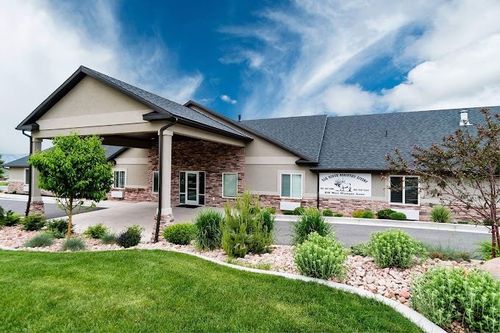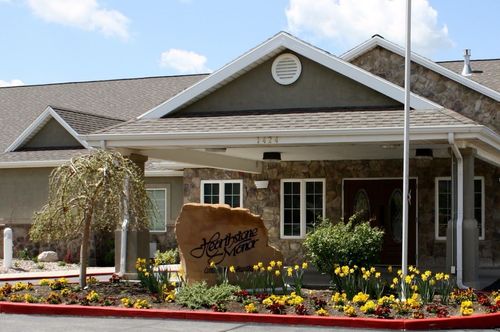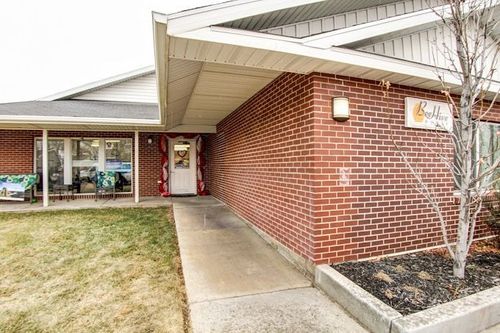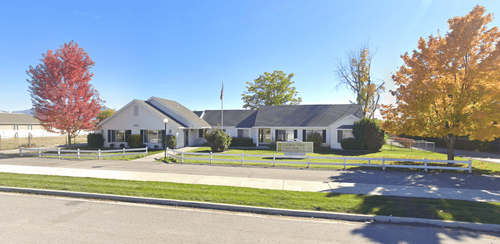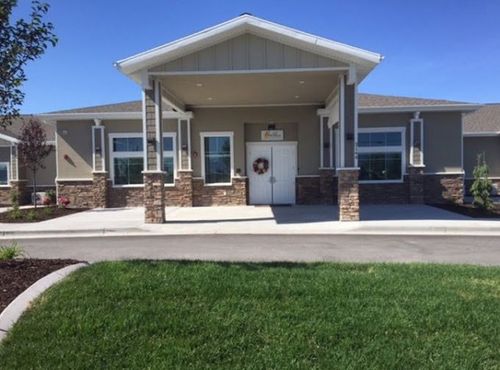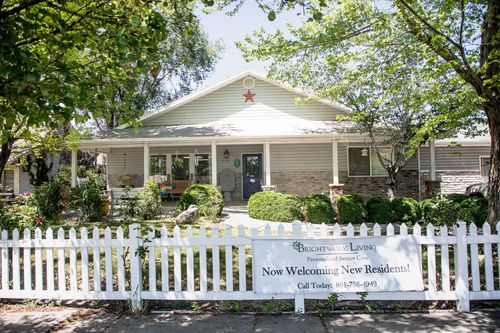

Salem sits just south of Spanish Fork in the ring of small towns around the bottom of Utah Lake, and its Medicaid-accepting senior living comes in a single residential form: BeeHive Homes on 550 West, a small home of around 16 residents where the New Choices Waiver can fund assisted living and memory care for those who qualify. With 1 Medicaid-accepting community in Salem, the question for most families is not which building but whether a room in this one is open when it is needed.
Salem families look to this kind of funding when the cost of care climbs past what a retirement check can hold, and a house-scale setting feels right for someone who would be lost in a large campus. The waiver is what makes staying in a licensed Salem home possible on a fixed income, and the rest is timing.
Daily Care in a 16-Resident Salem Home
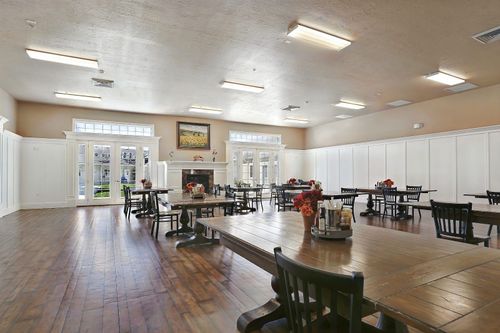
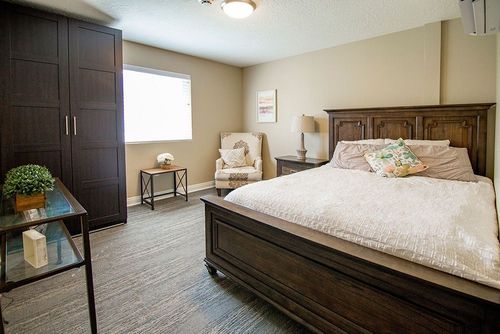
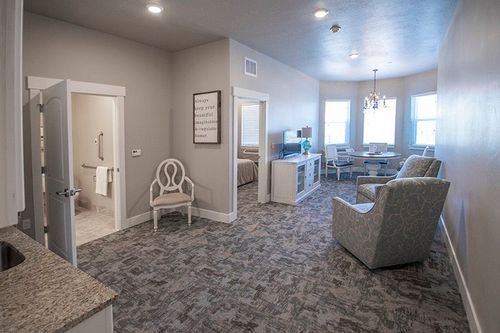
Inside a home the size of BeeHive, daily life runs at household scale: meals come from one kitchen, the same caregivers know every resident by name, and the day keeps the rhythm of a house rather than an institution. The New Choices Waiver pays for the hands-on part of that care, helping a qualifying resident through the assisted-living routine of bathing, dressing, medications, and meals, and adding closer supervision for those in the home's secured memory care rooms. What the resident keeps covering is the room-and-board share, the cost of the bed and the meals themselves.
A small home suits some residents better than a large community and others less well. Someone who feels more at ease in a small setting than a big one, or who needs the steadiness of familiar faces through the changes of dementia, often settles in here more easily than on a busy campus. The trade-off is that a 16-resident home offers fewer on-site extras and a handful of rooms rather than dozens, so a waiver-funded space tends to fill quickly once it opens. For a Salem family, the meaning of a Medicaid-accepting home is that pairing: house-scale care the waiver helps fund, in a setting small enough that the staff knows the whole household.
From a 4,200-Dollar Start to a Medicaid Budget
BeeHive lists a starting rate near $4,200 a month, in line with small residential care across Utah County, and memory care usually runs higher. That is the private-pay number a Salem family sees before any help arrives.
For a resident who clears the program's tests, the New Choices Waiver covers the care-services part of that bill, the portion tied to hands-on help rather than the housing. Room and board stays with the resident, paid out of Social Security and other income, so the waiver lowers a Salem bill rather than erasing it. Independent living falls outside Medicaid completely, because the program pays for care and independent living rests on no care need, so anyone in that tier pays their own way. Skilled nursing, if it is ever required, is funded through traditional institutional Medicaid, which unlike the waiver does take in the room-and-board cost. Eligibility in 2026 generally turns on a single applicant staying under the program's asset limit and monthly income ceiling, figures that shift from year to year and are worth confirming against current Utah Medicaid guidance.
A Young Town's Small but Real Senior Need
Salem has grown past 10,000 residents, but it skews young, with a median age in the twenties and fewer than one in 10 residents past 65. That makes for a smaller senior population than the larger cities up the valley, yet the need is real and rising as the families who built Salem grow older in the houses they raised children in.
Against that demand stands one Medicaid-accepting home with a modest number of rooms, and the New Choices Waiver itself is capped across Utah, so an open waiver-funded space in BeeHive is not something to count on at a moment's notice, which is why families who expect to lean on Medicaid do best to learn the local picture early.
Staying by the Pond and the People You Know
Salem is a town people tend to stay in, built around Salem Pond and the wards and ballfields that organize an ordinary week, and a care move that keeps a resident inside it keeps all of that within reach. A waiver-funded room at BeeHive lets a longtime resident stay near the same neighbors, the same congregation, and the same doctors instead of starting over somewhere unfamiliar.
Because BeeHive sits minutes from both the Spanish Fork and Payson hospitals, a medical need does not turn into a long drive either. The practical payoff for a Medicaid family is plain: keeping a move in Salem usually means one transition instead of two, and a small home where a familiar face greets a visitor matters more on a hard day than any list of extras.
How an Advisor Times a Move Into BeeHive
With Salem's Medicaid-accepting care resting on one small home, an advisor's value is mostly timing and fit: knowing whether BeeHive has a waiver-funded room open now or expected soon, whether that opening is an assisted living spot or one of the secured memory care rooms, and how a resident's needs match the level of care a 16-bed house can carry. The advisor also tracks how a Spanish Fork or Payson hospital discharge can hand off to a waiver-pending move without leaving a gap.
Because the room count is small, the advisor often helps a family weigh a short private-pay start that holds a spot while waiver approval comes through, so the chance is not lost to timing alone. Our Salem directory keeps growing as we vet communities for 2026, so reach out when you want a current read on what BeeHive can take and when a room might open.