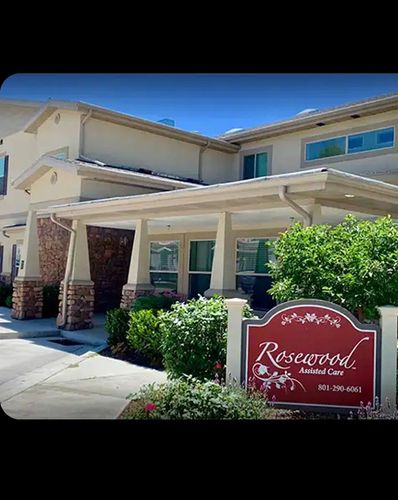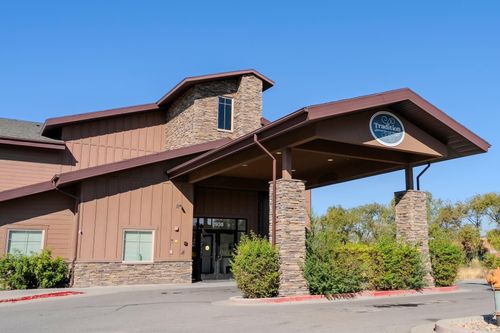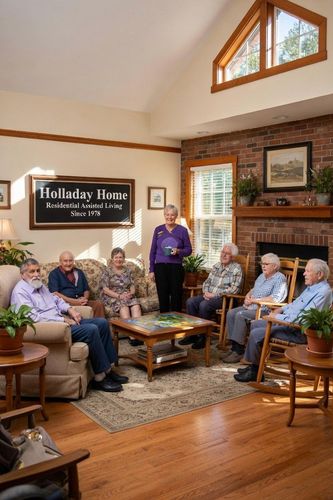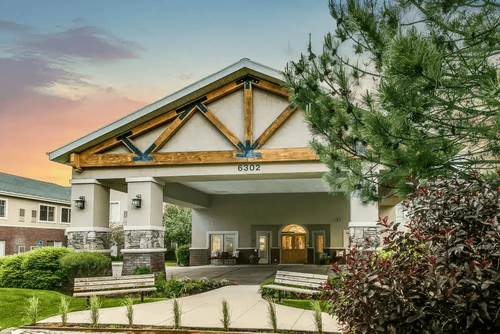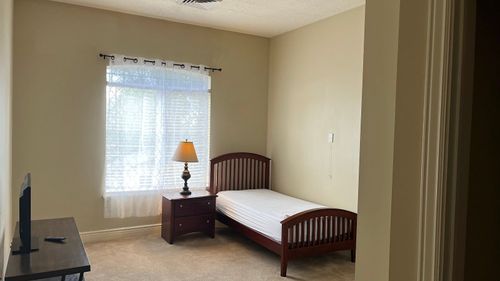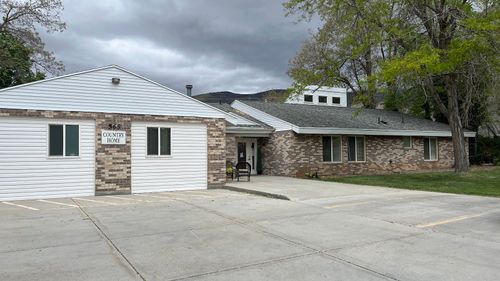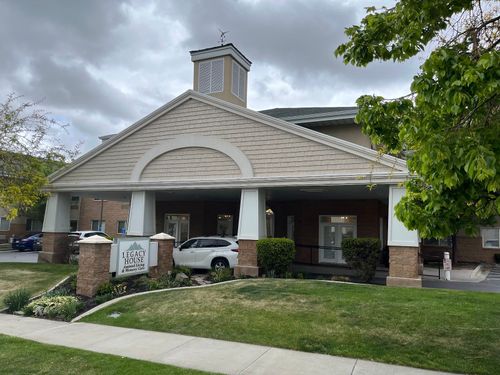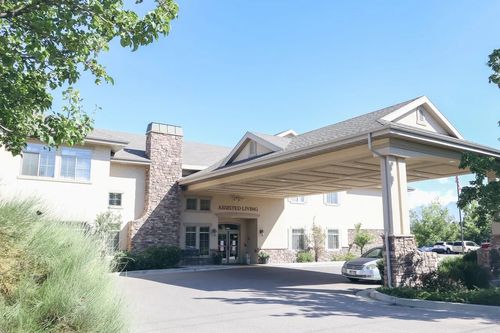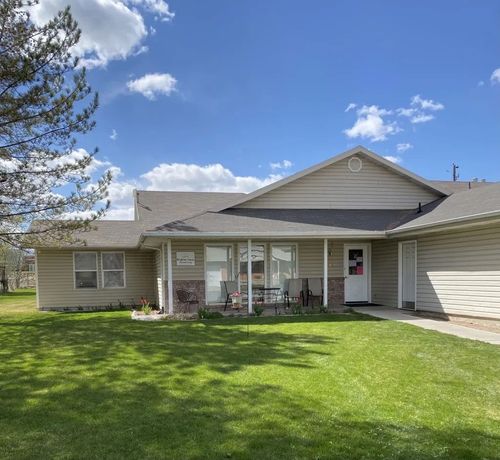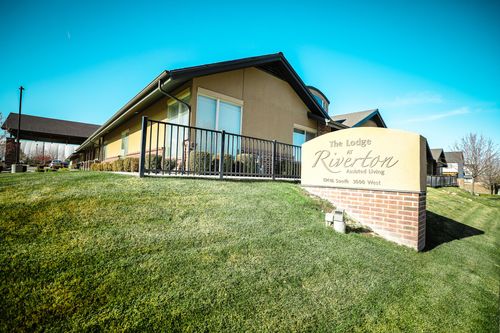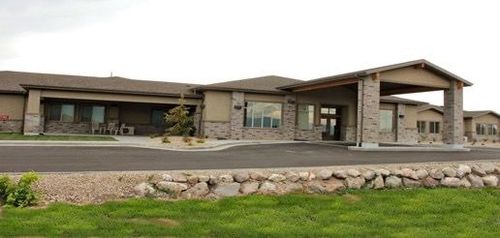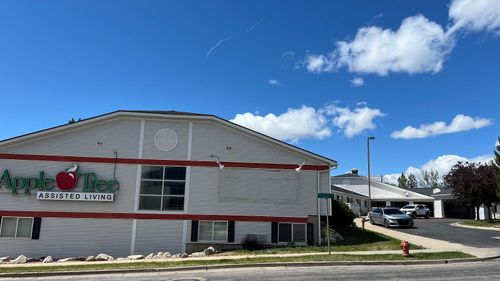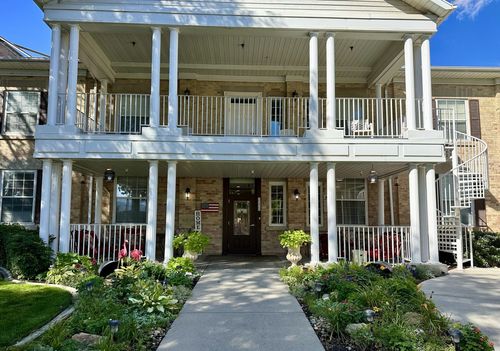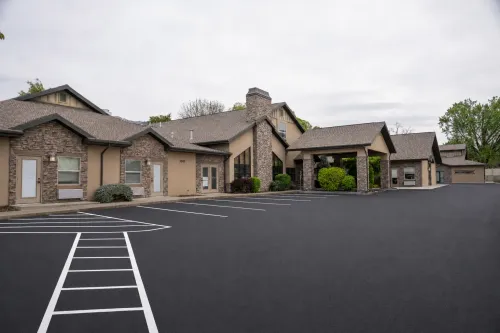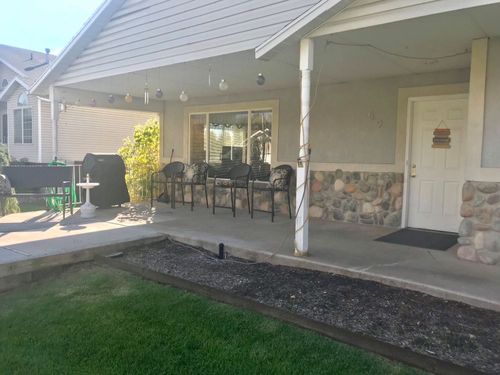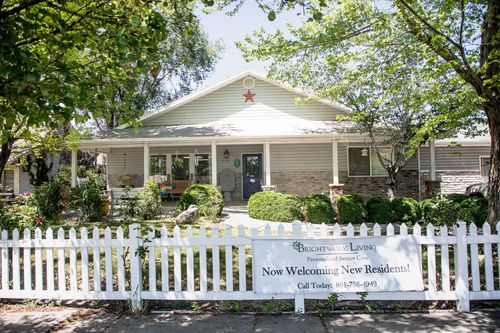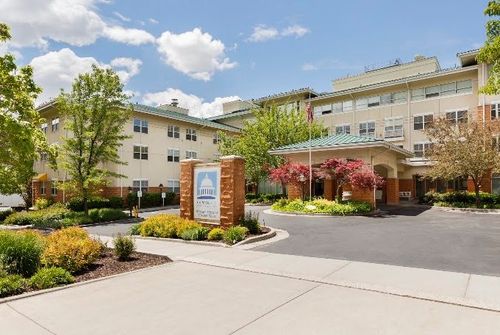
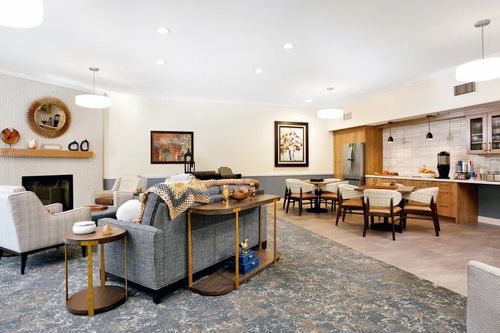

Salt Lake City's Medicaid-accepting senior living sits mostly in its older, central buildings. The historic nonprofit homes near the Avenues and Capitol Hill, where affordable assisted living has been the mission for generations, anchor it, alongside a few larger established communities reaching toward Holladay and the south end of the valley. Of the city's senior living, 3 communities currently accept Medicaid for residents who qualify, a smaller share than the private-pay market but a meaningful one in a city where the cost of care has climbed faster than most fixed incomes.
Families usually reach these communities when long-term care costs outrun savings or a monthly check, and Utah's New Choices Waiver becomes the bridge that keeps someone in a licensed local setting rather than forcing a move out of the area. Most arrive needing help with daily care rather than a hospital stay, looking for a community that accepts the waiver without a long private-pay period first.
How Medicaid Covers Senior Care in Salt Lake City
In Salt Lake City, Medicaid reaches senior care through the New Choices Waiver, which covers the care services in assisted living and memory care for residents who meet a nursing-facility level of care. The waiver pays for the hands-on help: assistance with bathing, dressing, medication management, and the daily support a resident needs, delivered inside a licensed community rather than a nursing home. It does not cover the room-and-board portion of the rent, and it does not apply to independent living, which has no care component for Medicaid to fund.
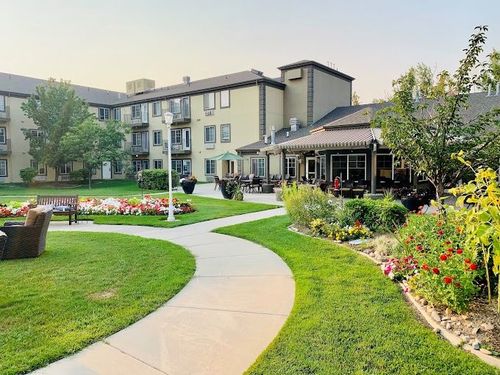
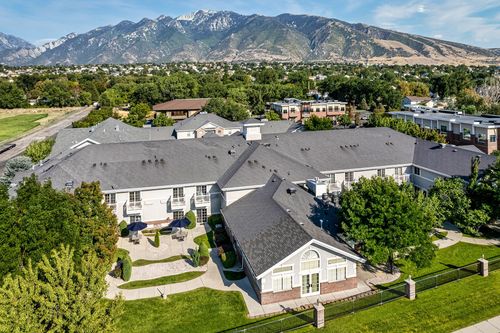
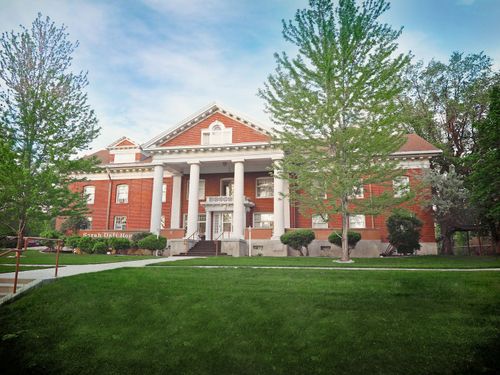
The communities here deliver that care in noticeably different settings, starting with the historic nonprofit homes that run closer to a household than an institution. Sarah Daft Home, opened in 1914 and one of the oldest continuously operated nonprofit assisted-living homes in the western United States, still works from its founding aim of affordable care in a homelike setting, with a few dozen residents rather than a few hundred. The larger established communities take a different shape, pairing assisted living with secured memory care so a resident whose memory changes over time can move to a higher level of support without leaving the building or the staff they know. When needs progress past what assisted living can hold, skilled nursing falls under traditional Medicaid, a separate program from the waiver, which can pay for a nursing facility stay including the room for residents who qualify financially and functionally.
What Medicaid Pays For, and What It Doesn't
Starting rates at these communities run lower than Salt Lake City's broader assisted-living market, with $3,200 - $5,500/mo as the range families will see across the historic nonprofit homes and the larger campuses, which is part of why families on a fixed income look here first. A few listed figures fall below even that and reflect Medicaid-supported rates rather than full private-pay. What changes the cost most, though, is the New Choices Waiver itself. For residents who qualify, Medicaid covers the care services, but the waiver does not pay for housing, so the resident contributes the room-and-board portion from their own income, usually reduced to a level that protects a small monthly personal-needs allowance. In practice, most of a resident's Social Security or pension goes toward room and board, and the waiver covers the care on top of it.
Eligibility splits along two lines, care and money: functionally, a resident must need a nursing-facility level of care and, in most cases, have spent 365 days in a licensed assisted-living residence or 90 days in a nursing facility before applying. Financially, as of 2026, a single applicant's monthly income and countable assets must both stay under the state's current Medicaid limits, and married couples are figured under separate rules. Applicants over the asset limit often have to spend down first, and Medicaid reviews asset transfers from the prior five years, so the financial side is worth starting early. Many residents are also dual-eligible, with Medicare covering short-term and hospital care while Medicaid covers the long-term custodial side. The waiver funds a limited number of slots statewide, so timing can matter as much as eligibility.
Local Demand and Waiver Availability
Salt Lake County holds more than 1.2 million people and the state's largest population of older adults, which is part of why demand for Medicaid-accepting care stays steady even as the inventory that accepts it stays small. The 3 communities taking Medicaid in the city fill a narrower band of the market than the private-pay options around them, concentrated in the older central buildings rather than the newer suburban campuses. Memory care narrows the field further: among the 3 Medicaid-accepting communities, secured memory care sits at the larger established communities rather than the small historic homes, so a family looking specifically for memory care under the waiver works from a shorter list still. Because the New Choices Waiver funds a set number of slots statewide, an open waiver-funded room is not guaranteed even once a resident qualifies, and availability moves month to month rather than holding steady.
Why Families Choose Medicaid-Accepting Communities in Salt Lake City
A resident who has spent a life in Salt Lake City usually has a cardiologist or primary-care office they have seen for years, and a Medicaid-funded room in one of the central buildings keeps that history, the familiar pharmacy, and the weeknight visitors in place rather than handing it all to a cheaper start somewhere across the state. The historic nonprofit homes carry that further, with affordability written into their founding mission rather than added as a discount and a homelike scale that suits residents who would feel lost in a large building and families who want to know the people providing care by name.
Proximity matters in a plainer way too: when a community sits a short drive from adult children and grandchildren, the visits that keep a resident anchored actually happen, and a family member can get there quickly when something changes. For a resident on a fixed income, staying in a familiar neighborhood, near the people and routines of a long life, is often worth as much as the care itself.
What a Local Advisor Brings to Salt Lake City
Sorting a resident by care level usually settles a Salt Lake City search faster than anything: someone needing only light help and someone with advancing dementia belong in very different buildings, and the central homes run from a few dozen residents to a few hundred. An advisor reads that against an open waiver-funded room and how the New Choices Waiver meets a discharge, then narrows the city to the one or two worth touring.
Our directory for Salt Lake City keeps growing as we review communities for 2026. Start the conversation about Medicaid-accepting senior living in Salt Lake City, or browse the communities we've reviewed at your own pace.