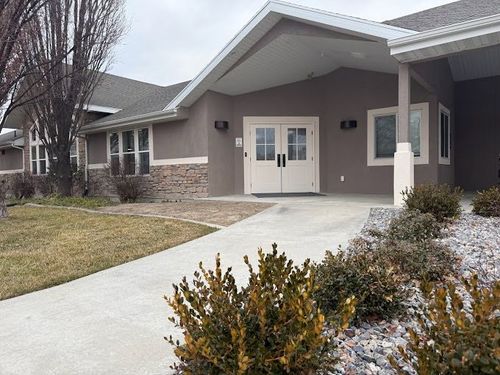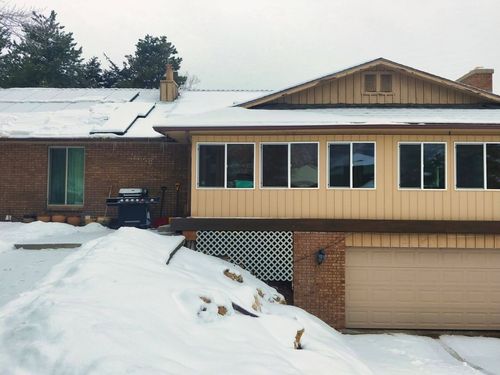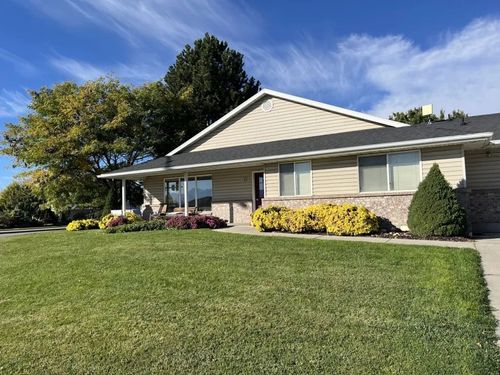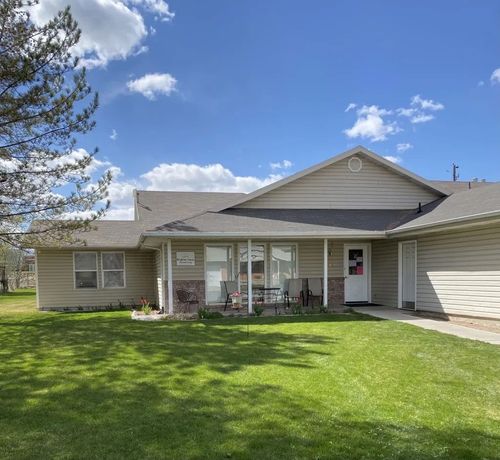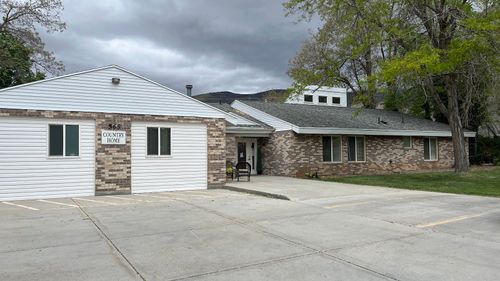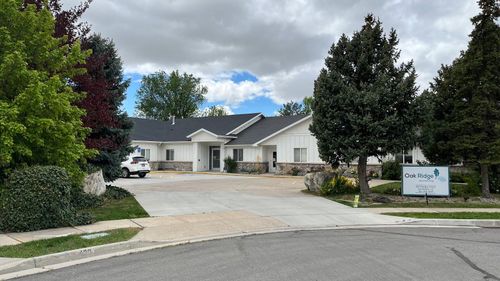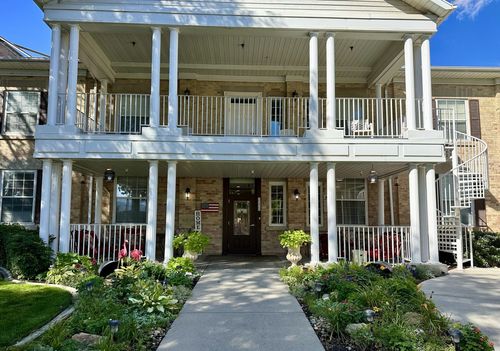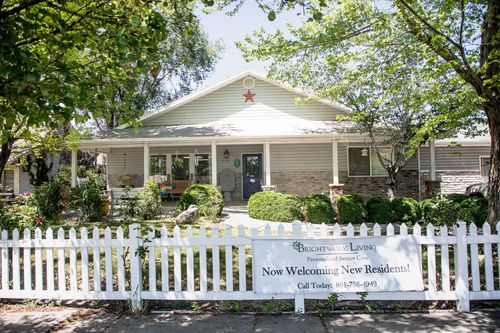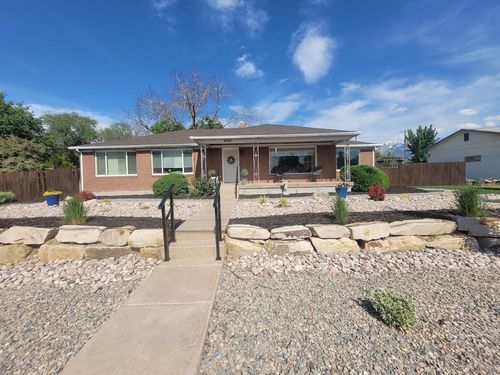

A residential care home in Salt Lake City is a regular house on a residential street where a handful of older adults live together with around-the-clock help, with caregivers a few steps away at any hour. Niitsuma Living Center, a six-bed home on 700 East near the Murray line at the south end of the valley, is the kind of small setting this search points families toward. Salt Lake City's directory lists 1 home-style residential care home today, a narrow slice of a local market built mostly around larger assisted-living and memory-care campuses, which is exactly why the families who want a house instead of a building search for it by name.
Most reach for a care home here after deciding a resident would rather have a small group at the dinner table than the wider range of shared spaces and services of a hundred-apartment community. They want a caregiver who knows a resident's morning routine, and the calm of an ordinary neighborhood. A Salt Lake City care home delivers assisted-living-level support inside that kind of house, and for the right person it is the difference between coping and settling in.
What Living in a Six-Bed Salt Lake City Home Looks Like
At Niitsuma Living Center the whole community is six residents across four units, so the day moves at the pace of a household rather than a schedule board. Caregivers cover a small group instead of a full wing, which usually means a ratio closer to one staff member for every few residents and far more individual attention than a large campus can spread across dozens of apartments. The home is licensed at the assisted-living level for residents who are still mobile enough to move about and leave with help, so the support centers on the activities of daily living: bathing, dressing, grooming, medication reminders, three home-cooked meals at a shared table, laundry and housekeeping, and supervision through the night.
The honest trade-off is the flip side of that intimacy: a six-bed house does not carry the fuller activity calendar, the on-site therapy gym, the salon, or the larger social circle that a hundred-resident Salt Lake City community offers, and it keeps no nurse on site for clinical needs. Pets are welcome here, which matters to families who cannot picture leaving a companion animal behind. Secured memory care is not part of this home's license, so a resident who needs a locked dementia setting needs a building built for that level of care.
What a Salt Lake City Care Home Costs
Niitsuma Living Center starts around $3,800 a month for a shared room, which is a useful marker when you compare it with the $3,800 typical for assisted living across Utah. Families often assume a smaller, more personal setting must cost more, but a board-and-care home frequently prices at or below a large community because it carries less overhead than a campus with a full list of services, a commercial kitchen, and a large activities staff.
The figure on a listing is a starting point rather than the whole bill, since most homes, Niitsuma included, set a base rate for room, meals, and routine help, then adjust for the level of daily care a resident actually needs, so two people in the same house can pay different amounts. Heavier mobility help, extra medication management, or a private room can move the figure upward. Medicaid is not accepted at Niitsuma, so families here plan on private pay, long-term care insurance, or veterans benefits, and a resident who will rely on Medicaid instead looks to the Salt Lake City homes built around that coverage.
How Many Small Homes Salt Lake City Actually Has
Salt Lake City is aging in step with the rest of the state, where the population aged 65 and older grew more than 17 percent between 2020 and 2024, and roughly one in eight city residents is now a senior. Even so, the supply of true small homes stays thin, because most new senior-living construction in the valley goes up as larger assisted-living and memory-care buildings rather than six-bed houses. A residential care home holds only a few beds by definition, so a single opening at a place like Niitsuma can be the only one of its kind for weeks. Families set on a house do better starting early and keeping a second option in view than waiting for one specific bed to free up.
Why Some Salt Lake City Families Want the Smaller Setting
The pull of a care home is personal, and it usually comes down to how a particular person does in a crowd. A resident who prefers a quiet, predictable household often does well in a six-resident house, where the same few faces appear every day and a caregiver notices a skipped breakfast or an off mood within the hour. Meals cooked in the kitchen down the hall, a living room instead of a lobby, and the freedom to keep a cat or a dog all add up to a setting that feels like home rather than a residence. For families on the south side of the valley, keeping a parent close enough for a weeknight visit matters as much as any feature. None of this makes a small home the right answer for everyone: a resident who thrives on a busy calendar, wants a fitness room and outings several times a week, or needs on-site nursing is genuinely better served by a larger Salt Lake City community, and that is a fit question, not a step down.
How a Local Advisor Narrows the Search
A directory shows that Niitsuma Living Center exists and that it has six beds; it cannot tell a family whether the one open room suits a parent who uses a walker, needs help with evening medications, and wants to bring a cat. Filling that gap is where a local advisor earns the call, because our Salt Lake City advisor has walked these small homes, knows which are licensed for the heavier daily care a resident may grow into, which keep a real opening rather than a quiet waitlist, and how a six-bed house actually runs from morning to night.
With the small-home inventory this narrow, the work is matching one or two houses to a specific person and budget, then sorting out Medicaid or veterans benefits. Start there with us, or browse the communities we've reviewed when you are ready to compare.