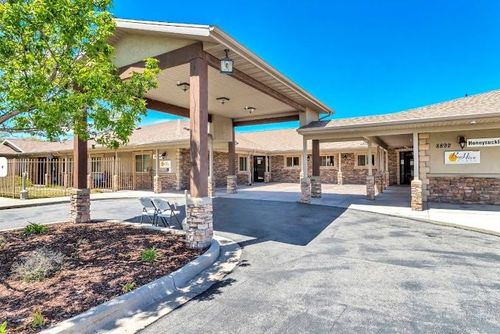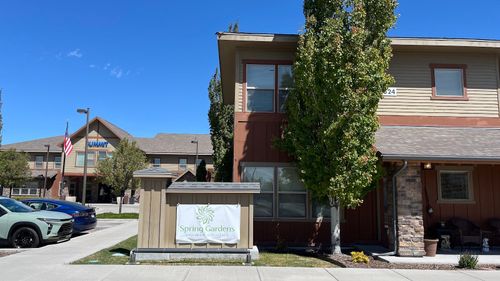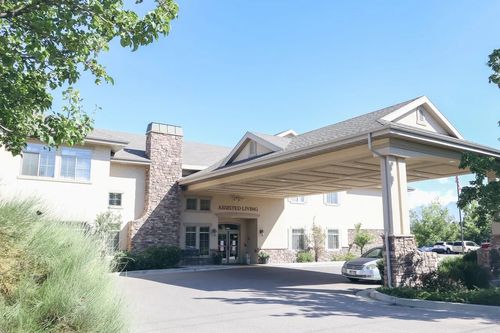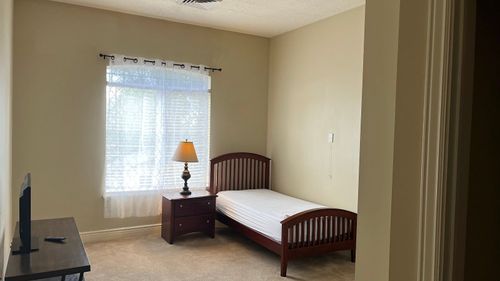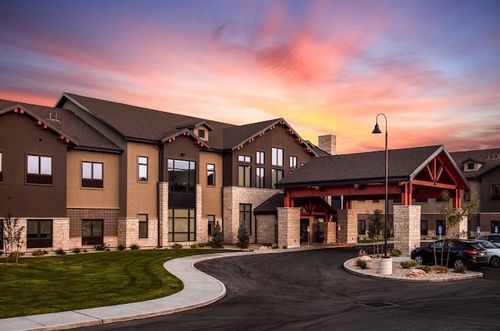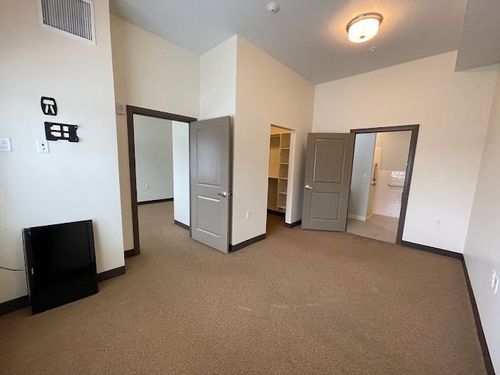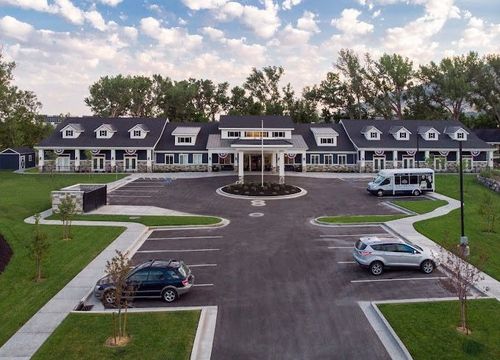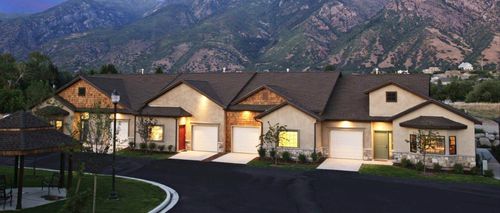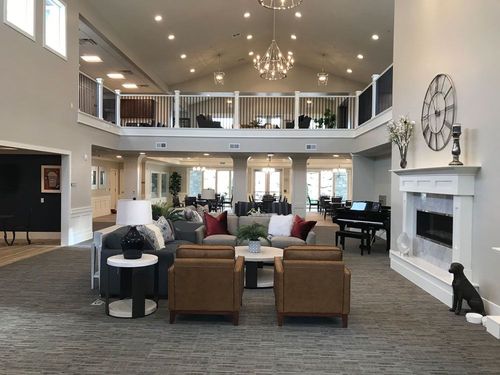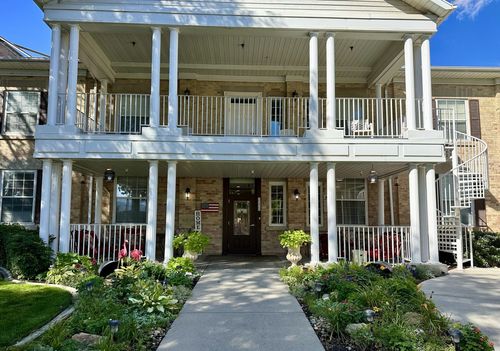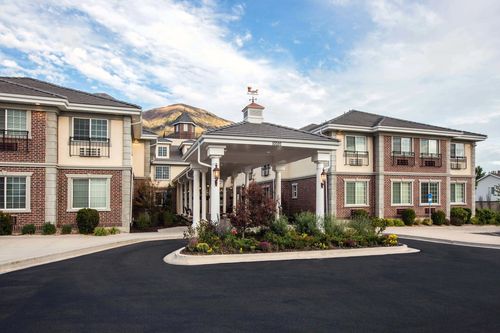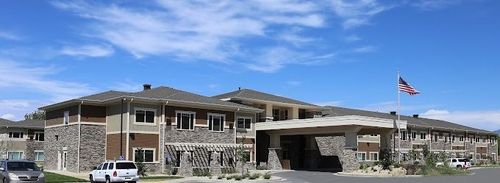
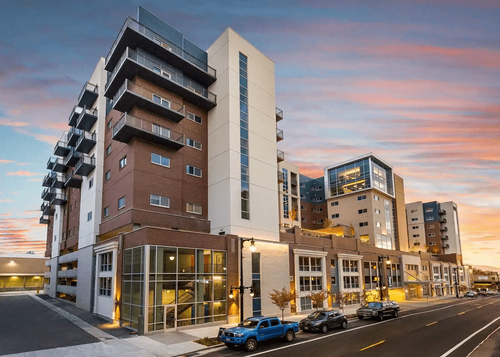
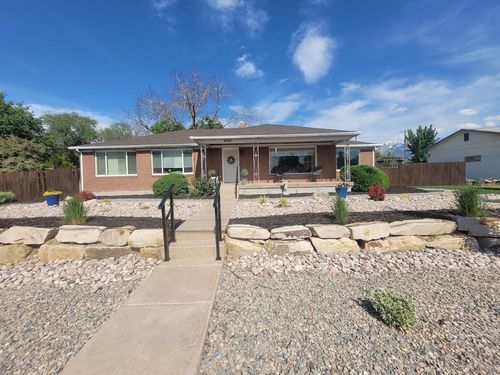
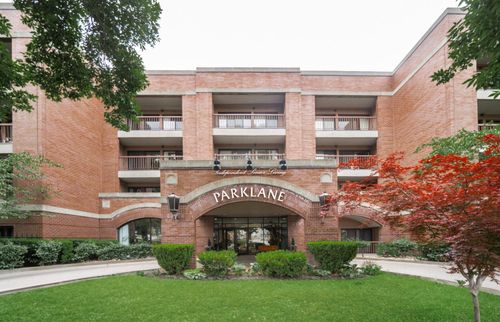
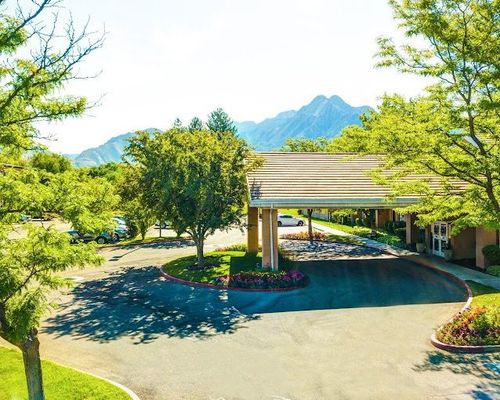
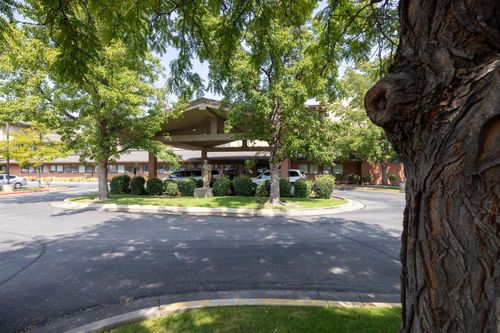


A respite stay puts an older adult in a furnished room at a Salt Lake City senior community with the same meals, daily help, and around-the-clock supervision a permanent resident receives, booked for a stretch of days or a few weeks rather than for good. 13 Salt Lake City communities keep that short-term option open in 2026, ranging from a six-bed home near Sugar House to large campuses along Foothill Drive and the Murray-Holladay corridor, and nearly all of them set the respite room inside their regular assisted-living or memory-care wings rather than in a separate short-stay building.
Families across Salt Lake City reach for a short-term stay for one of a few reasons: a spouse or adult child who handles the caregiving needs to travel or recover from their own surgery, an older adult is leaving University of Utah Hospital or Intermountain Medical Center and is not ready to be home alone, or the household wants a low-pressure way to test a community before committing to a permanent move.
Inside a Salt Lake City Respite Stay
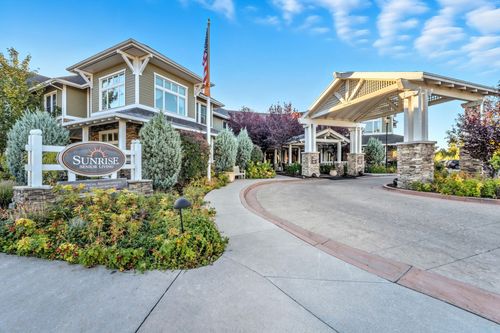
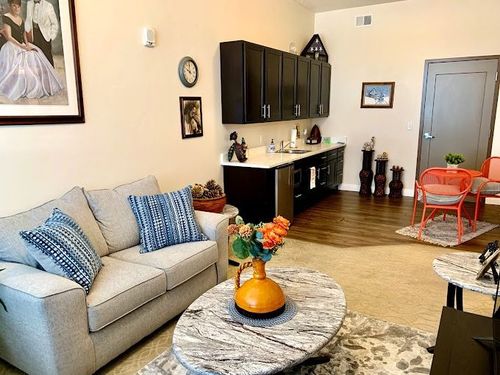
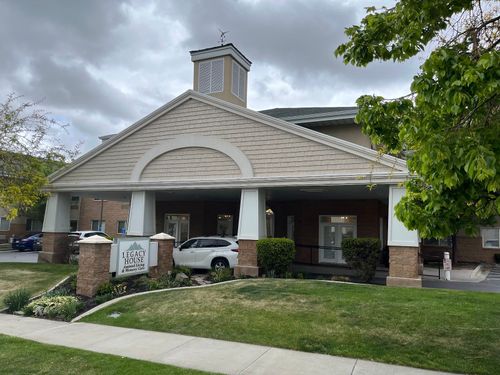
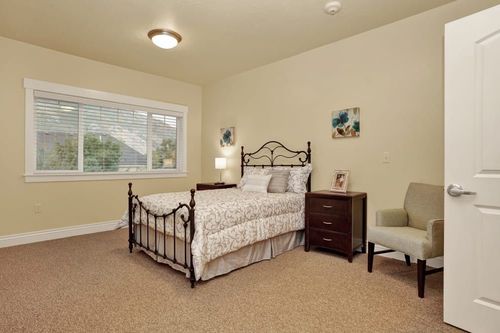
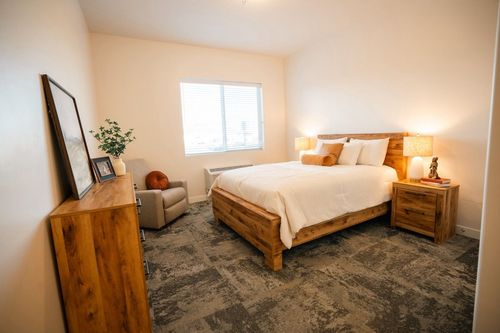
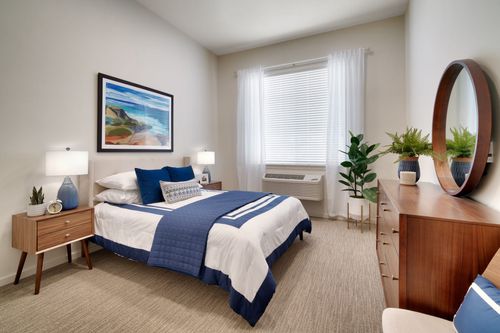
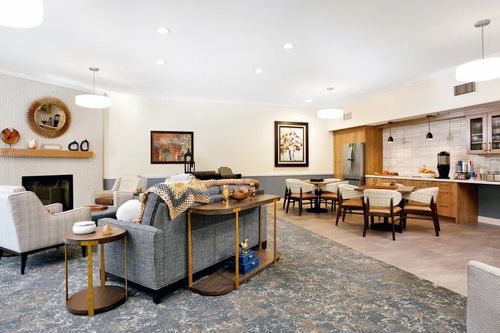
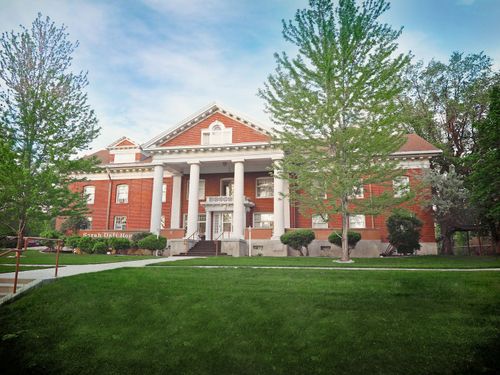
Whether the stay follows a hospital discharge or covers a caregiver's two-week trip, a Salt Lake City respite guest moves into a furnished room and steps into the community's normal rhythm: prepared meals, help with bathing, dressing, and medications, housekeeping, and staff on hand overnight. The care matches what permanent residents receive, because the respite room sits inside the same assisted-living or memory-care wing. Where the communities differ is the level of care they can take on for a short stay. Assisted-living respite is the most widely available; smaller homes such as Niitsuma Living Center and the historic Sarah Daft Home handle it in an intimate setting, while larger campuses like Legacy Village of Sugar House and Sunrise at Holladay have more rooms to turn over. Memory-care respite, with a secured wing and staff trained for dementia, is the harder room to find on short notice. In Salt Lake City it concentrates at communities that run a dedicated memory-care floor, including The Ridge at Foothill, Capitol Hill Senior Living, Cottonwood Creek, and Silverado Aspen Park. Most communities ask for a minimum stay, commonly somewhere between two weeks and a month, and the exact floor, the daily rate, and whether a room is open at all shift week to week.
What a Respite Stay Costs and Who Pays
Short-term stays are billed by the day, not the month, and the daily rate usually runs higher than a long-term resident's monthly fee divided out, since the community is turning a room over for a brief stay. The figure at the top of this page reflects long-term monthly pricing in Salt Lake City and is useful background, but it is not the respite rate. For an assisted-living respite stay, families here should plan on roughly $175 to $250 a day, with secured memory-care stays running higher; the latest 2026 cost-of-care data puts a typical assisted-living respite day near $175 nationally, and Salt Lake City sits a little above the Utah average. Most respite stays are paid privately, and this is the point families most often get wrong: Medicare does not pay for respite in assisted living or memory care. Its only respite benefit is a short inpatient stay for someone already in hospice, which is a different thing. Utah Medicaid waivers fund long-term care for those who qualify, not short private respite stays. Some veterans' benefits and long-term-care insurance policies do reimburse part of a respite stay, so they are worth checking, though neither is a guarantee.
Finding an Open Room on Short Notice
Respite is common to offer in Salt Lake City, but it depends on an open, furnished room at the moment a family needs it, and that is never guaranteed. Assisted-living respite rooms open up fairly often across the 13 communities here; a secured memory-care room on two weeks' notice is the harder ask, because those wings run closer to full. Salt Lake City is a relatively young city, with older adults making up a bit more than one in ten residents, so demand stays steady rather than overwhelming and openings turn over through the year. Because availability shifts week to week, the openings worth chasing are the current ones, not whatever a months-old listing happens to show.
Why Families Choose Short-Term Care in Salt Lake City
A respite room in Salt Lake City keeps the rest of the family close enough to drop in after work in Sugar House or along Foothill and to keep the same doctors at University of Utah Health or Intermountain rather than coordinating care from another town. For a caregiver, a planned stay is the difference between a needed break and burning out. For someone coming out of the hospital, it is a staffed, unhurried place to regain strength before going home. And for a family weighing a permanent move, a week or two in a community answers questions a tour never can: whether the food, the staff, and the daily routine actually fit. Many respite stays in Salt Lake City do turn into permanent moves, not because anyone is pushed, but because the trial removes the guesswork. That honesty is the point, since a short stay is a low-commitment way to find out with no obligation to stay on.
What a Local Advisor Brings to Salt Lake City
A local advisor's value on a short timeline is knowing which Salt Lake City communities have a respite room open right now, what each one charges by the day, and where the minimum stay is two weeks rather than a month. That changes by the week, and it is exactly what a public listing cannot show. The advisor also knows which buildings can safely take a memory-care guest into a secured wing on short notice, which matters when someone with dementia needs a place fast.
From the 13 Salt Lake City communities that offer respite, the advisor narrows to the two or three that fit the care level, the neighborhood, and the budget, then confirms the room is actually open. Start the conversation about a short-term stay in Salt Lake City, and we will tell you which communities have a room before anyone drives across town.