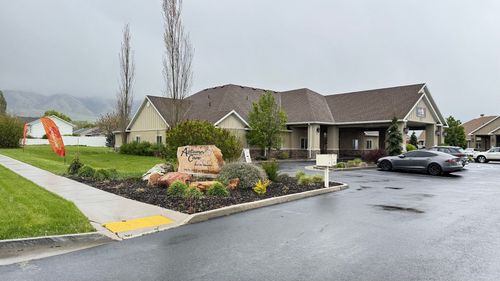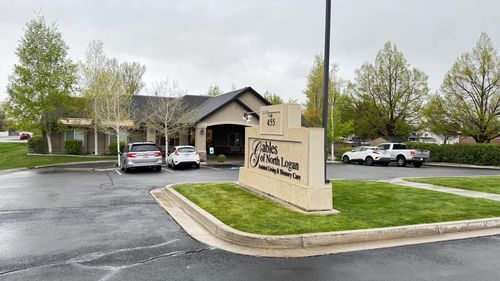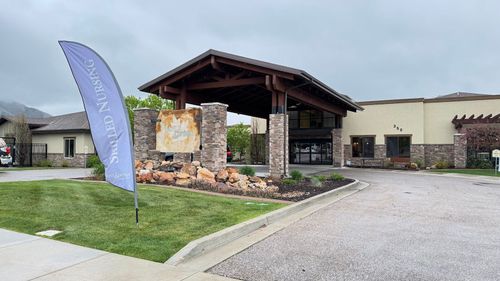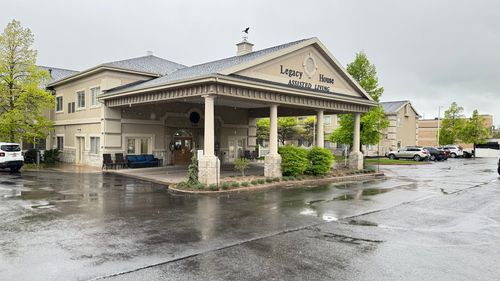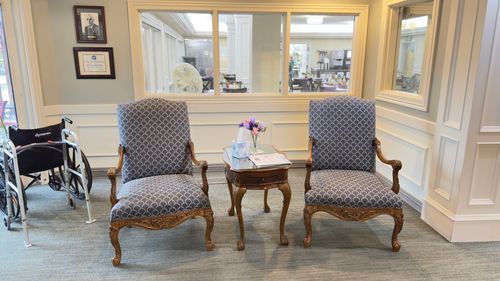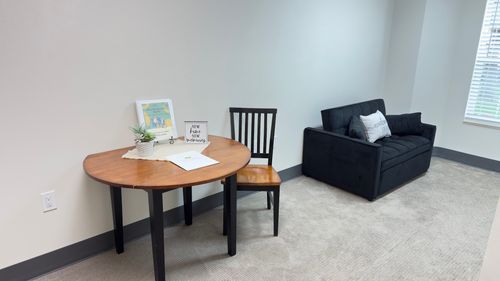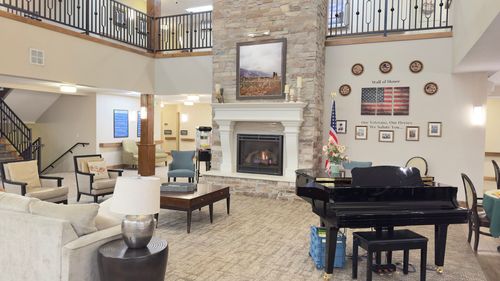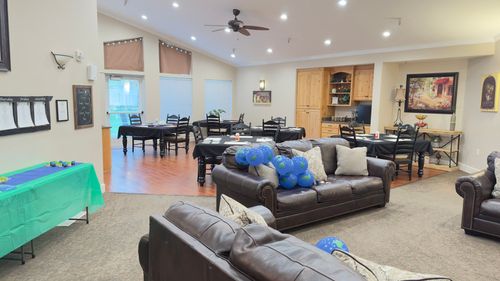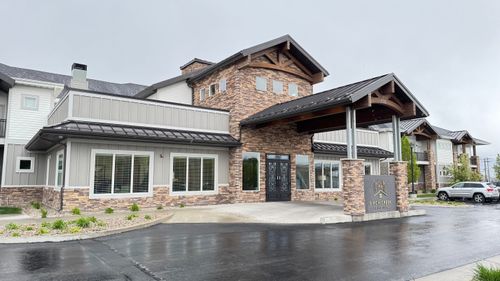

Cache Valley families navigating a dementia diagnosis inside Smithfield's city limits work with one local memory-care address: the dedicated secured side of Birch Creek Assisted Living and Memory Care at 532 South Main Street. The building combines an assisted-living service with a structurally separate memory-care neighborhood under one 56-bed Type II Utah license, managed by SAL Management Group and opened November 2020. The secured-side neighborhood carries its own activity calendar, perimeter monitoring, and dementia-trained staffing, distinct from the broader campus assisted-living side.
The local conversation centers on whether Birch Creek's secured-side configuration matches the resident's stage today, or whether the Logan corridor's broader memory-care inventory inside fifteen minutes south becomes the practical answer. Logan Regional Hospital twelve minutes south carries the geriatric clinic and neurology depth that shape the appointments families navigate after a diagnosis.
Inside the Secured Side
The dedicated memory-care neighborhood at Birch Creek functions as a structurally distinct section within the broader 56-bed campus. Controlled-access doors hold the perimeter, the secured side carries its own activity track separate from the assisted-living calendar, and the floor design supports residents whose orientation has shifted, with hallway loops bringing a wandering resident back toward the dining area rather than outside. The neighborhood publishes shared-bedroom and private-room configurations to fit different financial and clinical situations.
Dementia-trained caregivers cover daytime hours, awake overnight staffing watches the late-night and early-morning windows when sundowning and wandering tend to peak, and a registered nurse handles regular wellness checks across the campus. The dedicated activities on the secured side leans on activities that hold up well across cognitive changes: music sessions, sensory tabletop work, supervised outdoor time on the building's putting green and outdoor amenities, and small-group reminiscence work. Logan Regional Hospital twelve minutes south handles routine dementia-care events, and University of Utah Health's geriatric program in Salt Lake City carries the dementia-specialist depth ninety minutes south on I-15.
Cost and Coverage
Monthly rates on the secured side run roughly $3,650 to $4,250 in 2026, with shared-bedroom configurations at the entry of the band and private-room layouts at the upper edge. The figure prices above the building's assisted-living rate because dementia-care service requires a higher staffing floor: dementia-trained caregiver hours through the day, perimeter and door monitoring, and the activity-track design that keeps residents oriented inside the neighborhood. Move-in fees range $1,000 to $3,500 depending on room configuration, and short-stay respite bills $150 to $200 a night.
The Cache Valley cost basis keeps the figure noticeably below comparable secured-wing apartments at central Wasatch Front campuses, where labor and real-estate costs run materially higher. The Aging Waiver is not currently active on Birch Creek's memory-care side, so Medicaid-track families typically pivot to the broader Cache Valley corridor or further south where some addresses carry contracts. The campus accepts private pay and long-term-care insurance, and Veterans Aid and Attendance can layer on top for households who qualify.
A Cache Valley Demand Pattern
Smithfield's population sits near 15,000 in 2026, with roughly 1,400 residents past sixty-five and a dementia caseload tracking the proportional share that a growing Cache Valley bedroom city carries. The county's senior population draws on both long-tenured Cache Valley households and newer arrivals who relocated as adult children settled in the broader Logan corridor for Utah State University and the regional employment base. Both cohorts produce dementia diagnoses on a steady cadence.
Apartment turnover on Birch Creek's secured side follows individual resident transitions rather than a steady monthly rhythm, since dementia trajectories tend to keep residents in place longer once placed. Wait times can stretch when Logan Regional Hospital discharge events or corridor-wide referrals surface multiple memory-care placements at once. The 56-bed mixed-service campus means each opening on the secured side reshapes local availability noticeably.
Why Families Choose Smithfield
Familiar surroundings carry more weight in dementia care than in any other senior-living tier, because relocating someone with cognitive impairment to an environment they cannot read amplifies the disorientation the disease produces. At Birch Creek, a resident keeps Main Street walks within reach, the Wasatch view rising east, longtime ward connections showing up for visits, and the Cache Valley seasonality (the September harvest, the early-winter snow on the Bear River Range, Utah State football weekends) as the underlying signature their week still follows.
Logan Regional Hospital twelve minutes south handles the medical events that surface regularly in dementia care: sudden confusion from a urinary infection, post-fall workups, medication interactions, and same-day evaluations for behavioral shifts. The new geriatric clinic on the East 1400 North campus adds specialized older-adult support that post-discharge handoffs for dementia residents depend on, and the case-management team's familiarity with Birch Creek keeps the placement-week coordination short.
What a Local Advisor Brings to Smithfield
Dementia-care calls into Smithfield generally arrive after a season where overnight safety has begun failing, behaviors have outgrown what the family rotation can absorb, or the cumulative exhaustion of months of hired-aide hours leaves gaps the cognitive decline keeps finding. A spouse wakes at three in the morning to find a confused partner trying the back door; a paid aide calls in sick and cannot be replaced fast; behavioral patterns surface between weekly visits in ways the longer intervals between caregivers cannot bridge.
The advisor matches the resident's current dementia stage to what Birch Creek's secured-side configurations can hold, then checks availability against the family's window. For a resident whose profile fits the secured side, conversation moves into room specifics and the move-in clinical assessment. For a resident whose dementia has progressed past what the building can carry safely, or when a Medicaid-track family needs Aging Waiver coverage Birch Creek does not offer, the advisor pulls Logan corridor and broader Cache Valley dementia neighborhoods into the comparison inside fifteen minutes south.
Reaching out before a Logan Regional Hospital event compresses the planning window keeps Birch Creek's secured side genuinely on the family's shortlist.