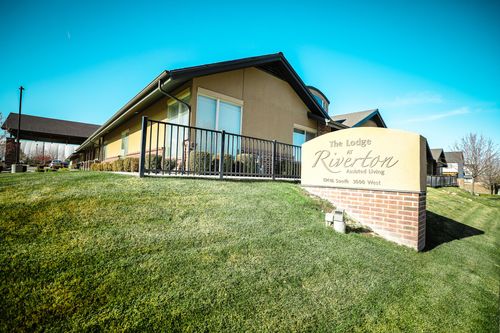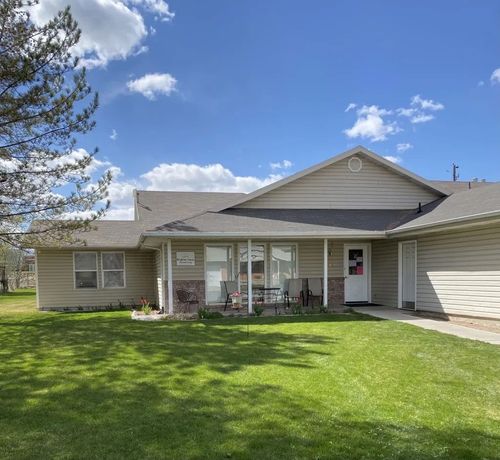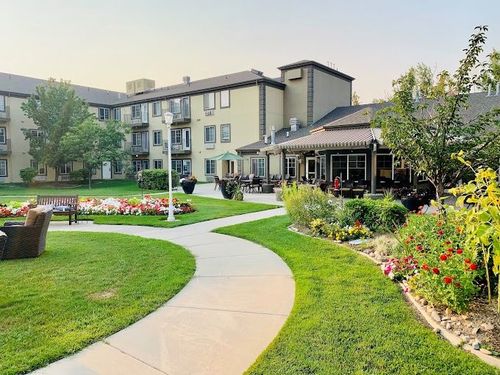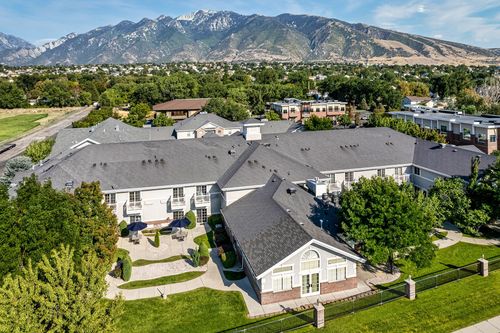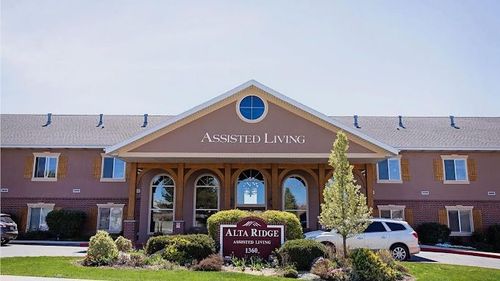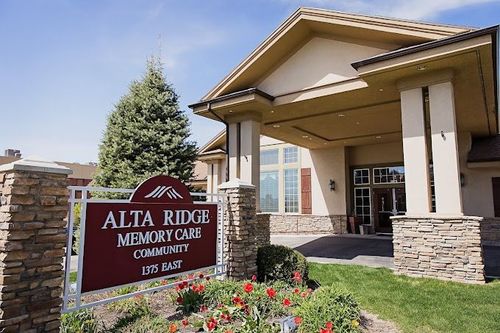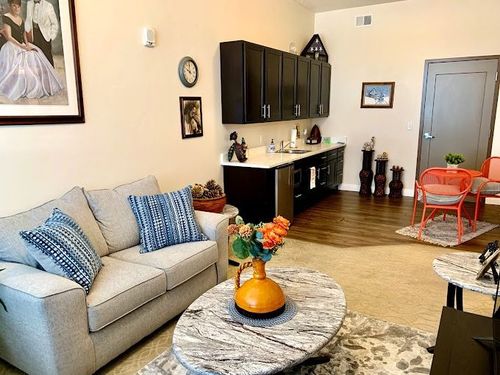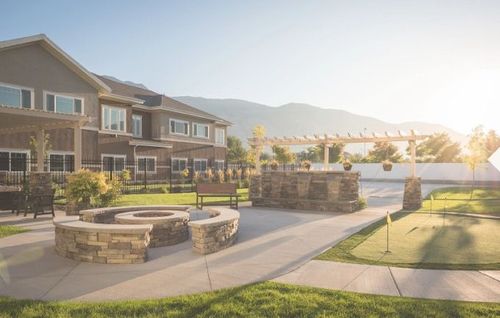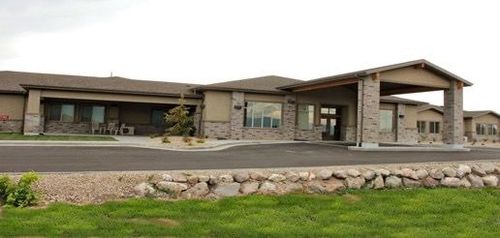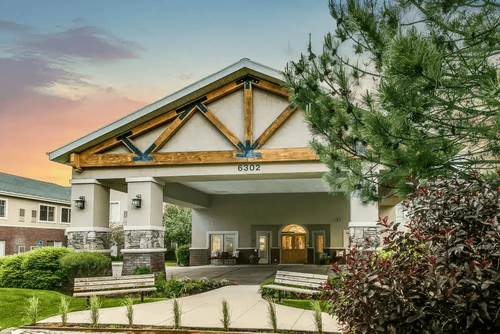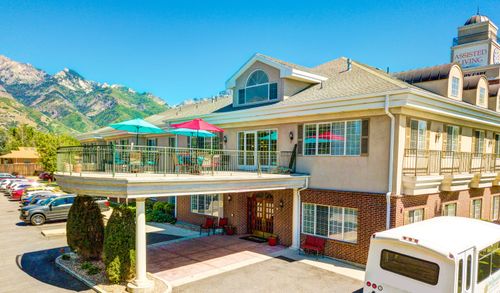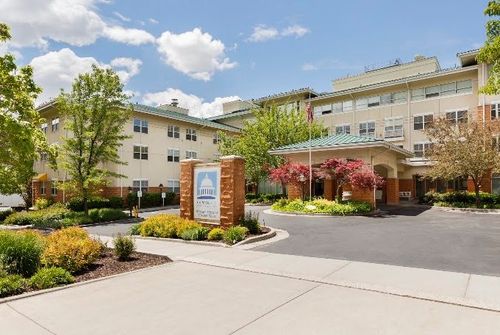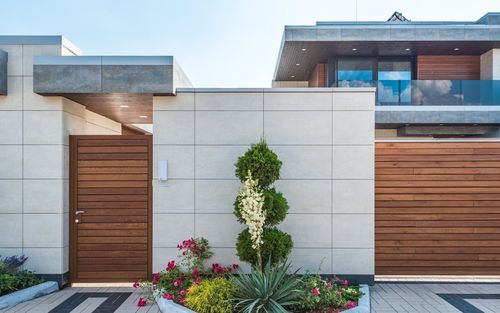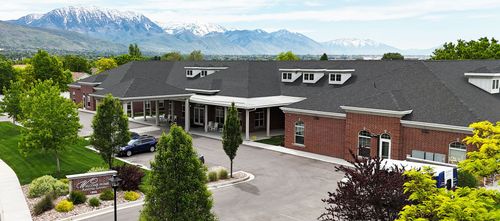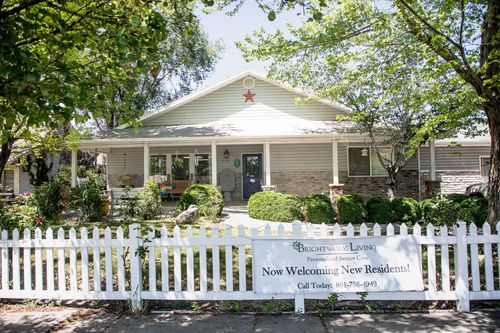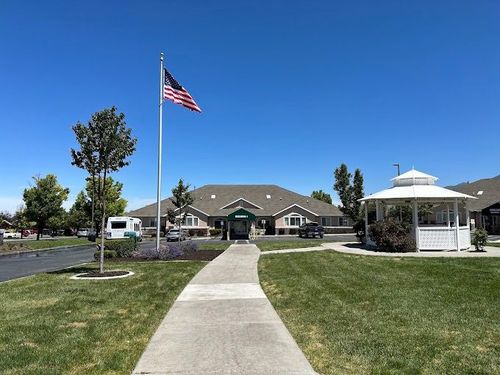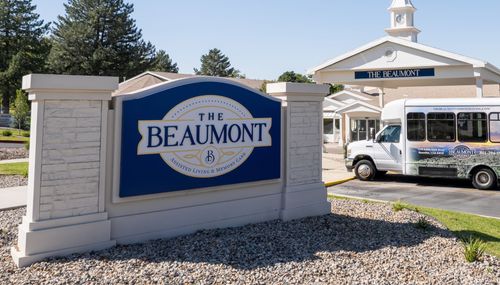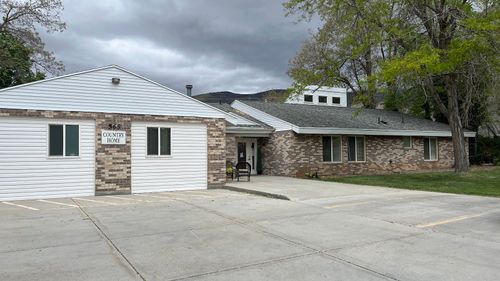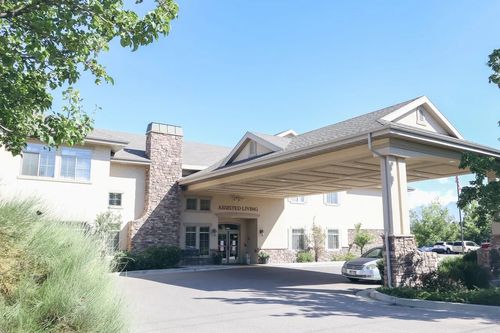
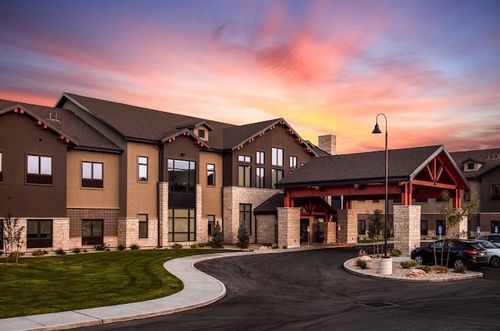




South Jordan is one of the fastest-growing cities in the country, a young, master-planned suburb on the southwest side of the Salt Lake Valley where senior living is comparatively new. The 6 communities that accept Medicaid here are all purpose-built campuses rather than converted houses, mid-sized to large buildings strung along the Jordan Parkway and the 9800 to 11400 South corridors, several of them combining independent living, assisted living, and memory care on a single site.
The path to one of these communities usually starts with a private-pay stretch or a hospital stay, and it turns toward Medicaid once months of full-rate care have drawn savings down to where the New Choices Waiver is the only way to keep a resident in South Jordan instead of moving out of the area for a cheaper bed. By that point the need is usually daily assisted-living or memory-care support, and the search comes down to which building will accept the waiver soon rather than after a long private stretch.
Where the Waiver Fits on a South Jordan Campus
Several of South Jordan's Medicaid-accepting communities are built as a continuum, pairing independent living, assisted living, and memory care on one campus, and Utah's New Choices Waiver reaches only the assisted-living and memory-care side of that. The waiver pays for the care services a resident needs once they reach a nursing-facility level of need, such as help with bathing, dressing, and medication, but it does not pay for housing or meals, so room and board still comes out of the resident's own income. Independent living, the entry tier at campuses like Carrington Court and Copper Creek, stays private-pay, because it carries no care need for Medicaid to fund.
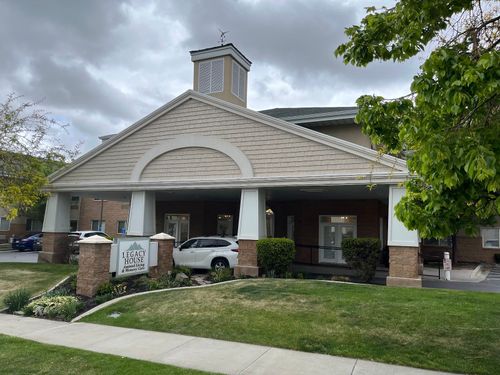
The Legacy buildings on Temple Lane show the arrangement plainly: a resident can begin in the independent residence on a private-pay basis, then move to the assisted-living and memory-care house next door when daily help becomes necessary, and the waiver can step in there for someone who qualifies. South Jordan's campuses range from roughly two dozen apartments at the smaller assisted-living houses to well over a hundred at the continuum communities, so the daily feel runs from intimate to busy, and part of the decision is how much activity and how many neighbors suit a resident.
Who Pays for What at a South Jordan Community
When a resident qualifies, the New Choices Waiver picks up the care-services share of an assisted-living or memory-care bill, while the resident keeps covering room and board out of monthly income and holds back a small personal-needs allowance. Private-pay rates in this part of the valley generally run between about $3,200 and $4,900 a month for assisted living, with memory care higher; some listed starting prices at South Jordan buildings sit below that, reflecting a Medicaid-supported rate rather than the full private figure.
Medically, a resident has to reach a nursing-facility level of need, and financially, in 2026, a single applicant must stay under strict monthly income and countable asset limits, with couples measured on separate rules. Anyone holding more than the asset limit usually spends down to reach it, and Utah looks back at asset transfers over the previous 5 years, so handling the financial side early tends to save weeks at the end. The waiver also carries a fixed number of slots across the state, which makes qualifying and finding an open waiver-funded room two separate hurdles.
A Young, Fast-Growing City and Its Senior Demand
South Jordan skews younger than most of the valley, with about one in 8 residents past 65, a smaller senior share than the older suburbs around it. The city is also one of the fastest-growing in the country, and its 65-and-older population is climbing quickly as Daybreak and the neighborhoods near it mature, which is why purpose-built senior communities keep opening here. Most of that new inventory is private-pay, so the 6 buildings that accept Medicaid make up a small part of the total, and because the New Choices Waiver funds only so many slots across Utah, an open waiver-funded room in South Jordan can come down to timing as much as eligibility.
Staying Near the Family That Settled Here
A good share of South Jordan's older residents followed their adult children here rather than the reverse, drawn to a part of the valley where younger families have been settling for two decades. Keeping a resident in a local Medicaid-accepting community means the grandchildren a few streets over in Daybreak can keep visiting, and the family doing the daily checking-in is not facing a long drive to do it.
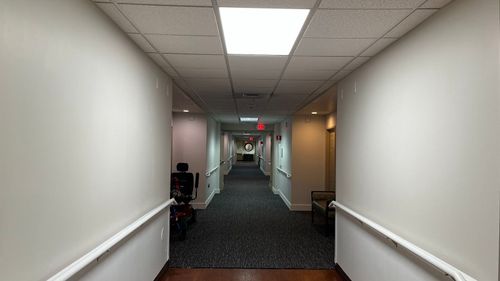
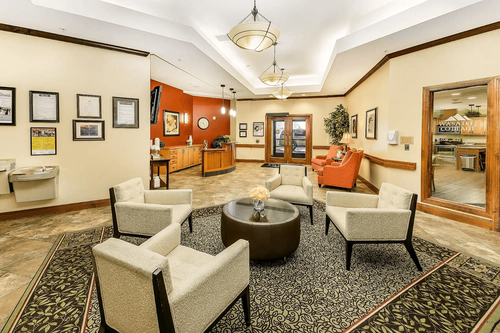
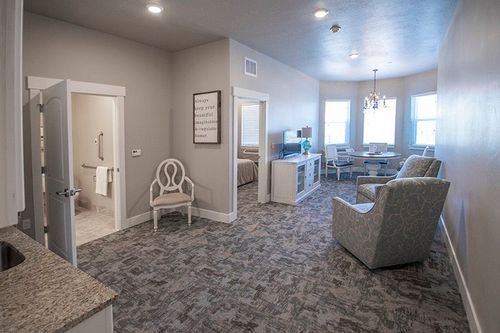
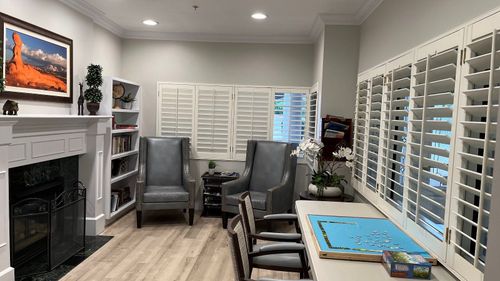
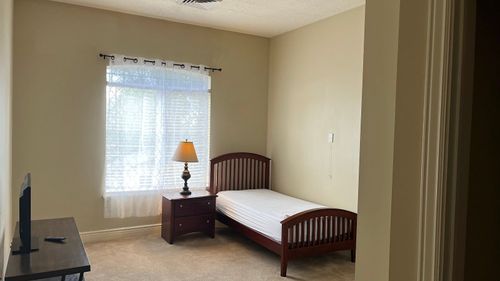
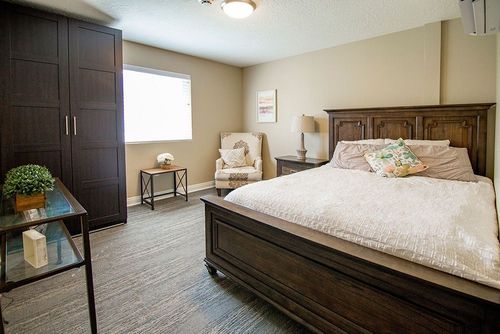
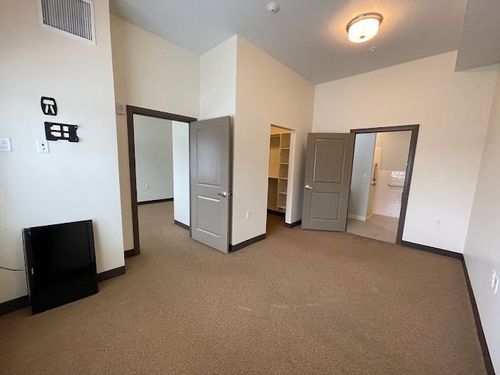
Because South Jordan's Medicaid-accepting communities were built recently and built for care, they tend to offer brighter layouts, wider hallways, and the common spaces an older converted home cannot, which matters to a resident who spends most of the day inside one. For a family weighing a move, that mix of staying close to grandchildren and landing in a building made for the years ahead often counts as much as the monthly cost.
Lining Up a Waiver Move in South Jordan
A stay at Riverton Hospital or Holy Cross Jordan Valley is frequently what tips a South Jordan family from managing at home to needing a licensed community, and a local advisor works that handoff. The job is lining up the New Choices Waiver paperwork with the discharge so the move does not stall in a hospital bed, while tracking which campus has an open waiver-funded room in a given week and matching it to a resident's care level and budget.
Because several South Jordan campuses bundle independent living with assisted living and memory care, an advisor's first cut is matching a resident to the right tier and the right building, which trims a long list to the two or three worth touring first. Our roster of vetted South Jordan communities keeps filling out through 2026; talk it through for Medicaid-accepting senior living in South Jordan, or see the communities we've already vetted when the timing is right.