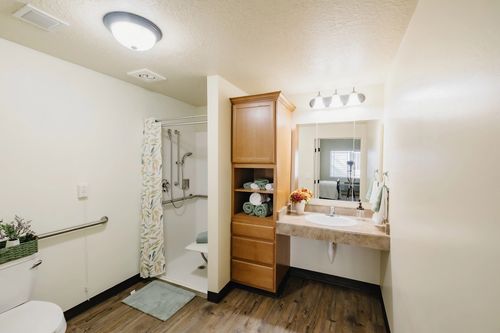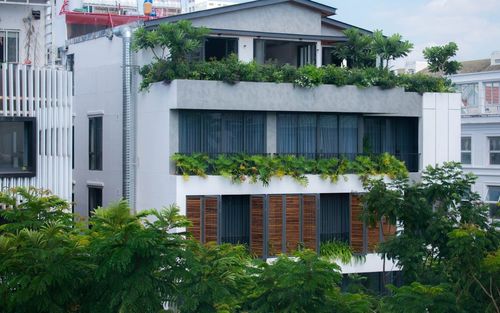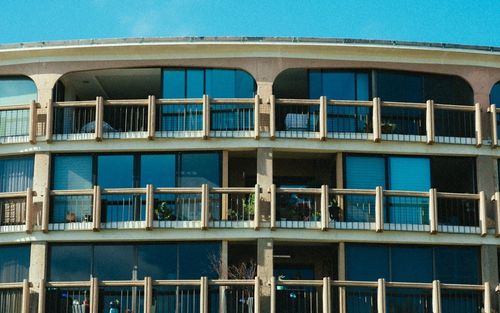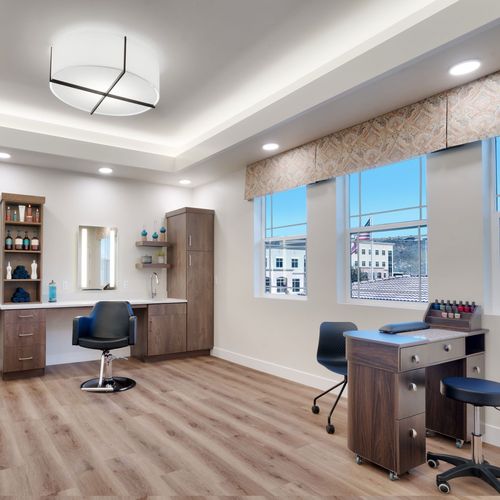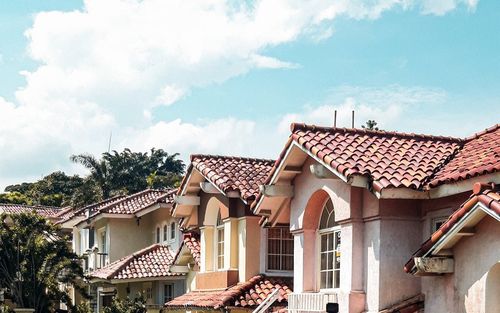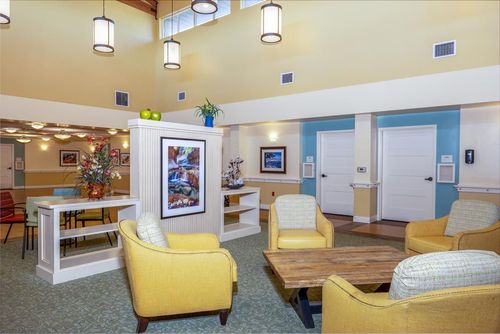
Washington City's memory-care inventory is small but concentrated, with three buildings positioned across the southern Utah retirement corridor. Primrose anchors the 100-resident continuum on Telegraph Street near the Washington Fields growth area and carries a secured memory-care wing alongside its assisted-living and independent-living tiers. Ovation Sienna Hills' 150-resident continuum runs a secured zone within its newer purpose-built campus. Autumn Park Assisted Living's 16-bed mid-scale setting holds the household-end of the inventory, where a smaller resident count means tighter caregiver coverage in the secured zone.
Washington City sits inside the St. George metro and has grown rapidly through retirement migration from California, Nevada, and Arizona. The city's senior share runs roughly twenty-five percent of its 30,000 residents in 2026, well above the Utah average. Many older residents arrived during the past two decades for the mild winters and lower cost of living rather than aging in place from a lifelong household. Memory-care decisions usually arise once dementia has overtaken what a home routine and rotating in-home help can sustain across daytime and overnight together.
Daily Care and Routines
Washington City secured-wing memory-care days run on the predictable structure dementia care depends on. The same caregiver appears at breakfast each morning, dressing and grooming move through a consistent sequence, and activity hours pull toward music programs, sensory work, supervised outdoor courtyard time, and reminiscence circles. The Sienna Hills and Washington Fields settings give residents access to the kind of red-rock backdrop and dry climate that southern Utah retirees moved here for in the first place.
Primrose, Ovation Sienna Hills, and Autumn Park each carry awake-overnight caregivers inside the secured zone, controlled-entry doors, hallway pathways that loop a wandering resident back into dining, and licensed nurses available after business hours. Autumn Park's smaller 16-resident scale changes the caregiver-to-resident math: a tighter daytime coverage ratio, quieter common rooms, and a single shared dining table for households who find a larger campus environment too busy.
Family visiting is open every day at every Washington City memory-care address.
Cost and Coverage
Washington City memory-care monthly rates settle between $4,500 and $6,200 in 2026, with mid-band apartments near $4,800. Ovation Sienna Hills, the newer purpose-built campus, sits at the top of that range for its secured-wing tier; Primrose lands in the mid-band; Autumn Park holds the entry-to-mid range as the smaller household-scale setting.
Inside a continuum campus, the secured-wing tier usually runs $800 to $950 a month above the assisted-living rate. Pricing across Washington City typically runs $400 to $700 a month below comparable Salt Lake County rates for the same secured-wing tier. Southern Utah's lower cost-of-living index, combined with how rapidly retirement-driven demand has scaled the local building inventory, keeps premium pricing tighter than the Wasatch Front median.
Autumn Park currently carries the only Aging Waiver contract among the three buildings, with eligibility requiring a clinical assessment at nursing-facility care level plus income and asset levels under the program's published caps.
Local Demand and Availability
Demand for Washington City memory care runs steadier than the city's small inventory might suggest because retirement migration adds new dementia cases at a faster rate than aging-in-place markets typically see. Openings at the larger settings cycle on a thirty-to-fifty-day rhythm, with new dementia placements following the local discharge cadence from Intermountain St. George Regional Hospital.
Autumn Park's 16-bed scale turns over faster, often inside a two-to-four-week window, because single-resident transitions reshape the availability list more quickly than at a larger campus. Same-week placements are possible when an Intermountain St. George Regional discharge forces the timing.
Why Families Choose Memory Care in Washington City
Many Washington City families arrived in southern Utah specifically for the climate, the red-rock landscape, and the lower cost of living relative to coastal California or the Phoenix Valley. Memory care follows that same logic: secured-courtyard time outdoors stays workable through nearly the whole year, and adult children driving from Las Vegas, Phoenix, or the Wasatch Front can reach a Washington City secured wing inside a half-day's drive.
Intermountain St. George Regional Hospital sits five to ten minutes from every Washington City memory-care address and runs the geriatric clinic, behavioral-health line, and neurology service that pace dementia care across southern Utah. The dry climate also reduces the seasonal mobility constraints that secured-neighborhood gardens face in northern Utah, which means a dementia resident can take supervised outdoor walks year-round.
What a Local Advisor Brings to Washington City
Washington City's three-building memory-care market is small enough that local knowledge matters more than catalog-style search. A Local Senior Advisor working the St. George metro corridor watches openings at Primrose, Ovation Sienna Hills, and Autumn Park, tracks the rotation of Autumn Park's Aging Waiver capacity, and reads each building's dementia-care depth as residents move through the harder stretches of decline.
From there the advisor maps the three options against the family's budget, the resident's daily pattern, the Aging Waiver eligibility timing if it applies, and which family member will visit most often. Get in touch before a discharge or behavioral event compresses the planning window, and one of the three usually opens an apartment inside two to three weeks. Our Washington City directory keeps growing as we work through the southern Utah dementia-care landscape in 2026. Get in touch for a conversation about which Washington City building fits, or look at the dementia-care communities listed for the area at your own pace.