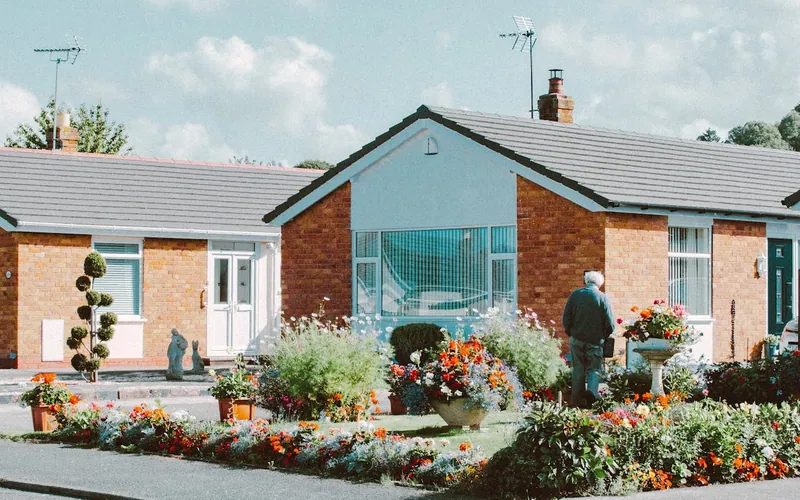
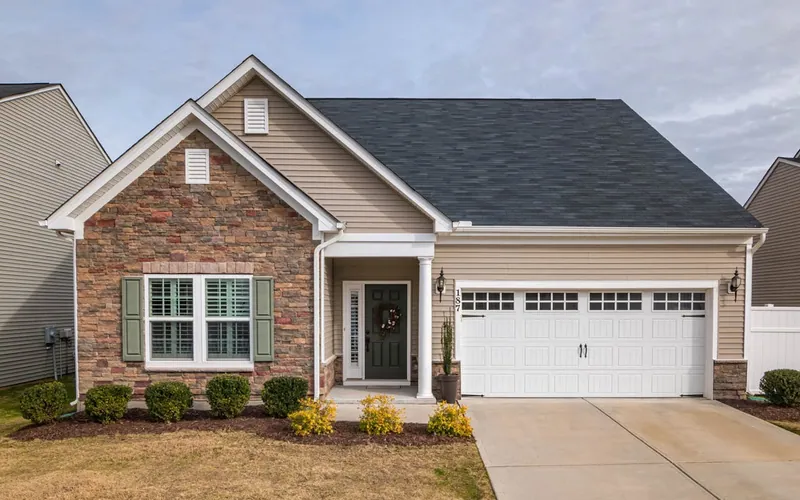










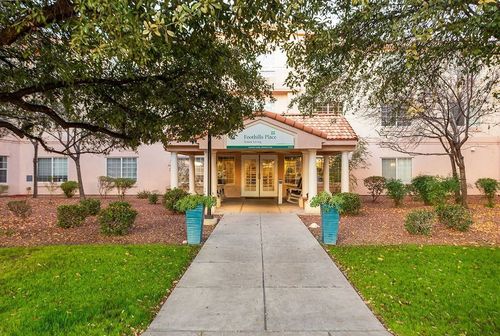
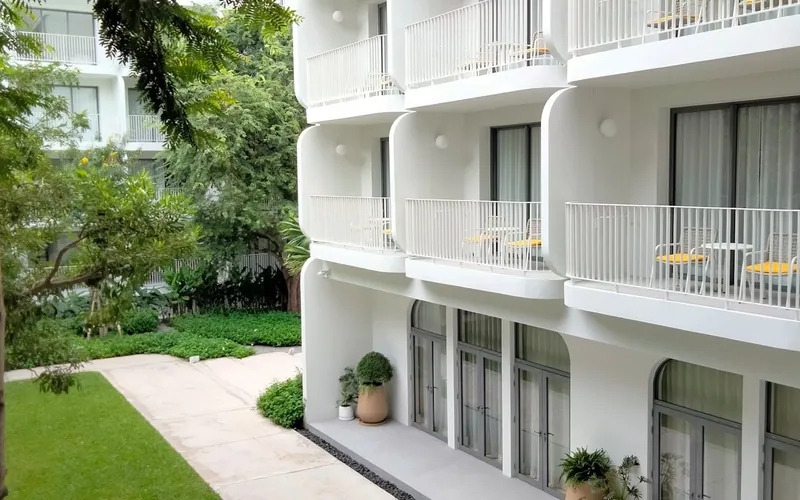
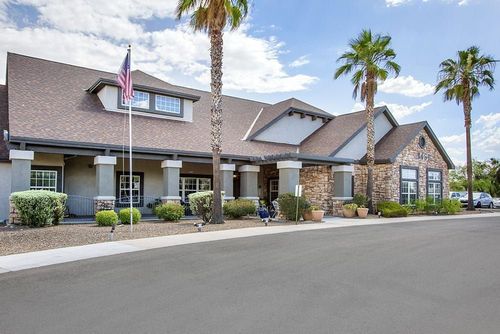
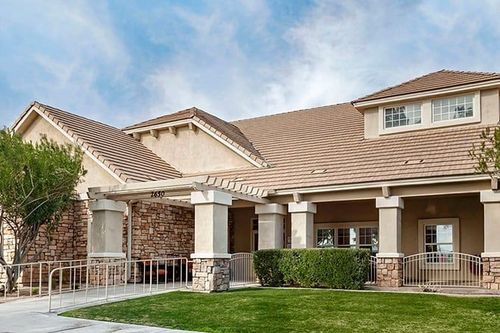



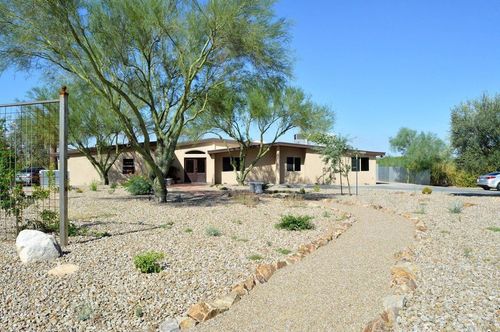
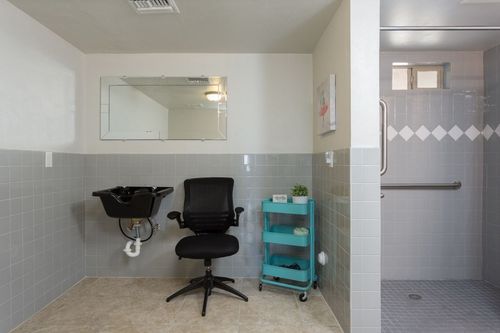


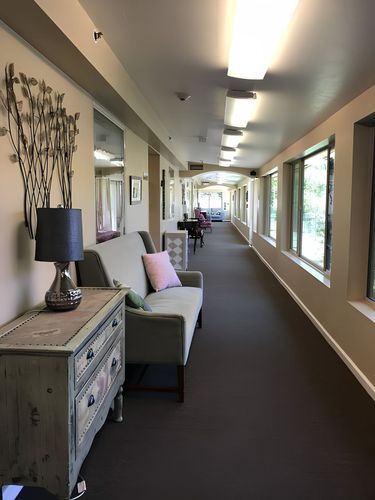


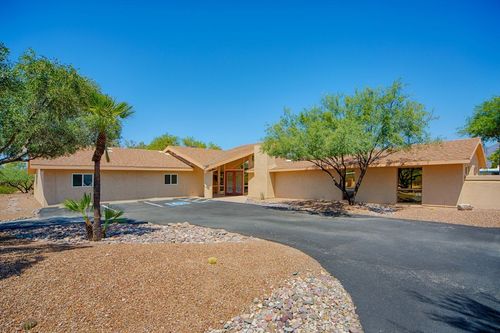


















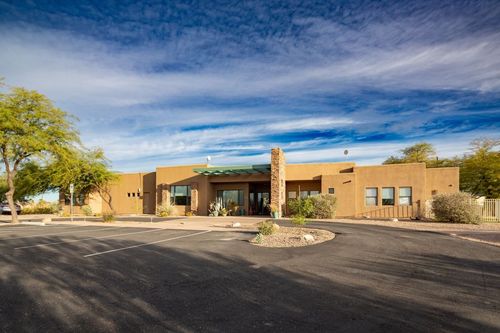
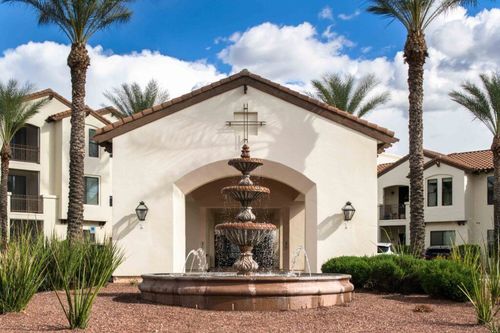



Pima County, Arizona, is home to more than twenty assisted living communities, and a good share of them are small residential adult care homes rather than large campuses. Names like Abuelos at la Canada, Agave Hills, Adobe Adult Care Home, and Abella Manor Senior Care sit alongside one another in the same search results, yet they can feel quite different once a family looks closely at them.
That range in size is the first thing worth understanding here. The smallest homes in the county hold as few as five residents, while the largest community reaches 217 beds, so the daily experience swings from a household of a handful of neighbors to a full campus with a dining room and a busy activity calendar.
How Support and Routines Differ From Home to Home
In a five-bed adult care home, a caregiver usually knows each resident's habits well, and meals tend to be shared at one table with menus shaped around what people like to eat. Help with bathing, dressing, and medications is woven into the morning rather than scheduled in blocks, which suits people who want a quiet, familiar pace.
Larger communities in the county run on a more structured day, with set mealtimes, a posted calendar of outings and group activities, and more staff on each shift. Residents who enjoy company and variety often thrive there, while those who prefer fewer faces may feel more at ease in a smaller home such as Affirmative Care Home or A Breath of Life Care Home.
Transportation to medical appointments, how overnight help is handled, and how much a resident can keep doing independently are the questions that separate one building from another, so it helps to compare them side by side.
What Drives the Monthly Bill
Starting prices across the county are commonly described as $2,750 - $5,000/mo, and many families see $3,996 a month as a reasonable reference point when they begin comparing. The spread comes mostly from the size of the home, the type of room, and how much hands-on help a resident needs each day.
A shared room in a small residential home generally sits at the gentler end, while a private suite in a larger community with a full activity schedule moves upward. Extra levels of help with mobility or medications can add to the base rate, so it is worth asking how each community prices additional care before comparing totals.
A few communities in the county accept Medicaid, which can change the picture for families with limited savings, though timing and eligibility vary and are best sorted out early.
A Growing Population With Real Choices to Weigh
Pima County draws retirees who want warm winters and a lower-cost desert setting, and many longtime residents also choose to age close to family in Tucson and the surrounding neighborhoods. That steady mix keeps demand for assisted living consistent across the year.
Because so many of the homes are small, a single opening can disappear quickly, and availability at a given address changes week to week. Families who start looking before a need becomes urgent usually have more homes to choose from and more time to visit.
Why Families Settle on Assisted Living in Pima County
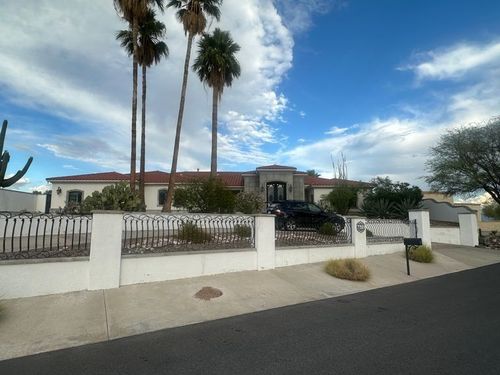
Many families here value being able to stay near familiar clinics, grocery stores, and the neighbors and relatives who visit often. A residential home on a quiet street keeps a resident in the same part of town, and visits from grandchildren feel like stopping by a house rather than a facility.
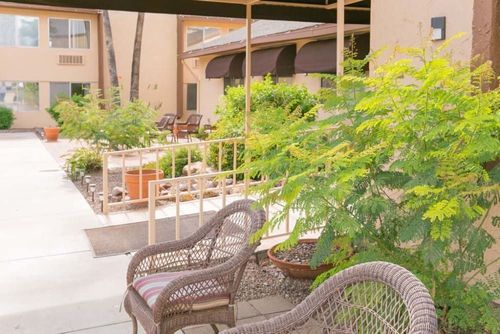
Others are drawn to the sunshine and the outdoor patios and courtyards common across the county, which make it easy to spend part of each day outside. Pet-friendly options are rare, with only one community welcoming animals, so families who bring a companion should raise it from the start.
The choice often comes down to whether a resident wants a small household or a larger social setting, and the county offers both.
Having Someone Local in Your Corner
A local advisor keeps track of which communities currently have openings, which is hard to see from a listing alone in a county with so many small homes. The advisor also understands how Medicaid timing works for the few communities that accept it, and how to coordinate a move when a hospital discharge sets a short deadline.
Building fit matters as much as availability. An advisor can narrow more than twenty options to the handful that match a person's care needs, budget, neighborhood, and preferred pace of life, saving families many hours of phone calls. If it would help to sort through the options, a short conversation is an easy way to start.
The Pima County directory continues to grow as we evaluate providers for quality and alignment in 2026. Reach out for a conversation about assisted living in Pima County, or look through the communities we have vetted at your own pace.