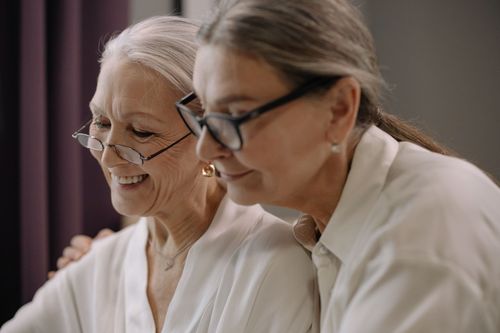
Depression in older adults is common, serious, and frequently missed, often dismissed by families and even doctors as just a normal part of getting older. It is not. Depression is not a normal part of aging, and in older adults it often looks different, showing up as fatigue, physical aches, loss of interest, or withdrawal rather than obvious sadness, which is why it is so often overlooked, even though more than 80 percent of older adults recover with proper treatment. Learning to recognize it is the first step toward helping a loved one feel like themselves again.
Is Depression a Normal Part of Aging?
No. Lasting depression is not a normal or inevitable part of growing older, despite how often it is treated that way. While occasional sadness is part of life, depression is a treatable medical condition, not a character flaw or an unavoidable feature of age.
This misunderstanding is dangerous because it leads families to accept a loved one's low mood, withdrawal, or fatigue as just aging, leaving real depression untreated. According to the National Institute on Aging, depression in later life is a real illness that responds well to care.
Recognizing that depression is treatable, not a stage of life to endure, changes everything. With the right help, the vast majority of older adults recover and return to the activities and relationships they value.
How Depression Looks Different in Older Adults
One reason depression is missed in seniors is that it often does not look like the sadness people expect. The signs can be subtle or physical rather than emotional.
Physical complaints: Unexplained aches, pains, or digestive issues that do not have a clear medical cause. Low energy and fatigue: Persistent tiredness or slowing down, often blamed on age. Loss of interest: Pulling away from hobbies, friends, and activities once enjoyed. Sleep and appetite changes: Sleeping much more or less than usual, or eating noticeably differently.
Many older adults do not describe feeling sad at all. They may instead feel numb, empty, or simply uninterested, and may attribute their symptoms to physical health or aging, which makes the depression harder to spot.
Talk to a Local Advisor
Free help comparing communities and current pricing in your area. No cost, no pressure.
Depression Versus Normal Grief and Sadness
Distinguishing depression from ordinary sadness or grief matters, since they call for different responses. The key is duration and how much daily life is affected.
Everyday blues and the grief that follows a loss come in waves and tend to ease over time, and a grieving person can usually still carry on with daily activities. Depression, by contrast, persists for weeks or months, colors nearly everything, and interferes with a person's ability to function day to day.
When low mood lingers, deepens, or stops a person from engaging in their normal life, it has likely moved beyond grief into something that deserves medical attention.
Why Depression Is Often Missed
Depression in older adults slips past families and clinicians for several reasons, and knowing them helps a family stay alert. The barriers are common but surmountable.
Symptoms get attributed to aging, medication side effects, or other illnesses, and older adults may be less likely to talk openly about their feelings or to seek help for mental health. Physical complaints can draw all the attention, leaving the underlying depression unaddressed. Even doctors, focused on managing chronic conditions, can overlook it.
Because of these blind spots, family members are often the first to notice that something is wrong. Trusting that instinct and raising it with a doctor can be what finally gets a loved one help.
What Raises the Risk
Certain situations make depression more likely in older adults, and recognizing them helps families watch more closely. Several risk factors are common in later life.
Isolation and loneliness: Living alone or losing social connections raises risk, as the link between loneliness and depression is well established. Chronic illness and pain: Ongoing health problems and disability are strongly tied to depression. Major losses: The death of a spouse or friends, or loss of independence, can trigger lasting depression. Certain medications: Some prescriptions can contribute to low mood, worth reviewing with a doctor.
When several of these are present, especially after a loss or a move, a family should be especially attentive to changes in mood and behavior.
Depression Is Treatable
The most important message for families is one of hope: depression in older adults responds very well to treatment. Recovery is the rule, not the exception.
Treatment usually combines talk therapy, medication such as antidepressants when appropriate, and lifestyle changes like increased activity, better sleep, and more social connection. With proper diagnosis and care, more than 80 percent of older adults with depression improve and return to their normal lives. A doctor can rule out physical causes, review medications, and create a plan suited to the person.
Getting started is often as simple as a conversation with the primary care doctor, who can begin treatment or refer to a specialist.
Prefer to talk it through? A local advisor can answer your questions and compare current pricing, free.
(385) 200-2175How Families Can Help, and When to Act Urgently
Family support makes a real difference, both in noticing depression and in encouraging treatment. A few steps help a loved one toward care.
Gently sharing specific observations, offering to help schedule and attend a doctor's visit, encouraging social connection and activity, and simply listening without judgment all matter. Staying involved through treatment helps too, since improvement can take time.
One situation requires immediate action. If a loved one expresses thoughts of suicide, hopelessness, or being a burden, do not wait. Call or text the 988 Suicide and Crisis Lifeline, available 24 hours a day, or seek emergency care. These warning signs are a medical emergency, not a phase to watch.
When to Talk to a Local Advisor
Depression sometimes signals that a loved one needs more connection and support than they are getting alone, and a local guide can help a family explore options. A senior advisor understands how assisted living and other communities across Utah provide the social engagement and structure that support mental health. For families noticing isolation, the guide to combating loneliness in seniors is a useful companion read, and the CDC offers guidance on depression and aging. Reaching out for local guidance costs nothing, though depression itself should always be addressed with a qualified healthcare provider.
This article is informational only and is not medical advice. If you or a loved one is struggling, contact a healthcare provider, or call or text the 988 Suicide and Crisis Lifeline for immediate support.