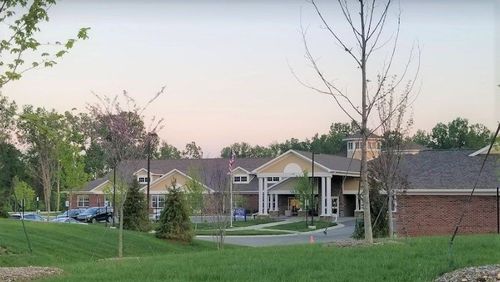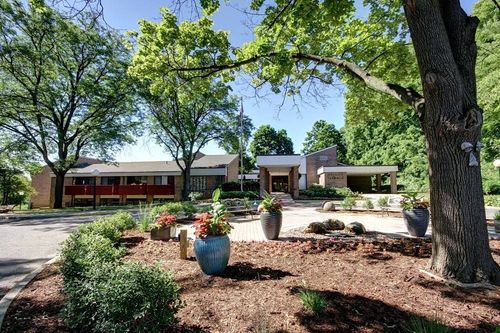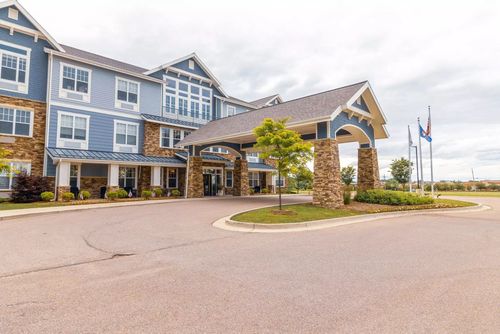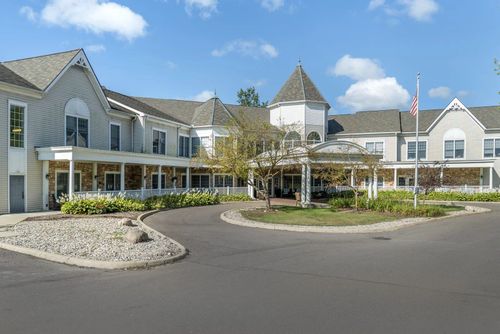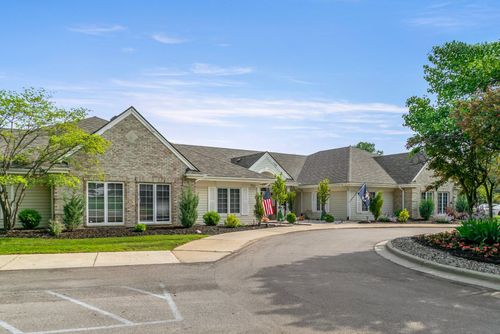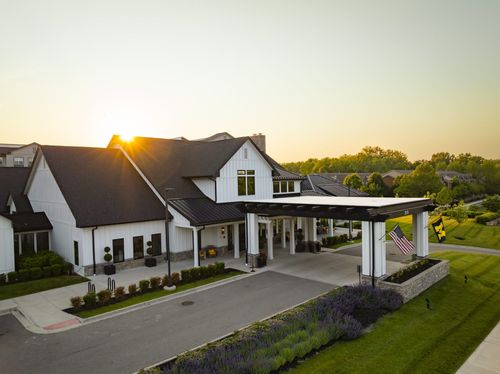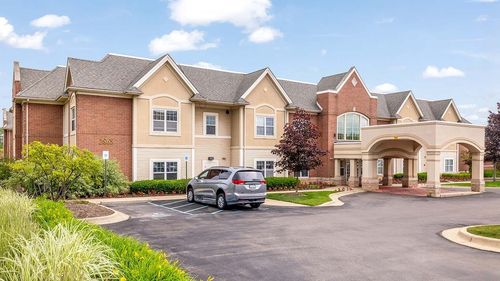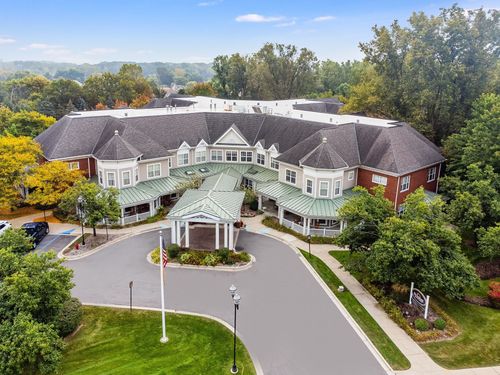
Brighton offers a small number of senior living communities that welcome four-legged family members. For many older adults moving into a new apartment, bringing a dog or cat is a non-negotiable requirement for emotional well-being. Local neighborhoods near the millpond and local parks provide scenic areas for walking, which influences how residential settings approach animal companionship. However, finding the right fit requires looking past a simple marketing badge to understand how specific properties accommodate animals. Each community establishes distinct environments, making it necessary to evaluate how daily life operates for residents with animals. Hampton Manor of Brighton represents one option in the area where seniors can transition without parting from their companions.
Deciphering Local Pet Policies
Pet-friendly labels in senior communities rarely mean total freedom without rules. Properties usually establish specific weight thresholds, breed restrictions, and limits on the total number of animals allowed per apartment. A community might welcome a small lapdog but restrict larger breeds, or allow a indoor cat while prohibiting exotic birds.
Beyond basic restrictions, community rules often dictate where animals can travel on the grounds. Courtyards and dedicated walking paths might be open, while dining rooms and common lounges remain restricted areas. Residents must also show they can manage daily care, feeding, and waste cleanup independently, or arrange for private assistance to handle these tasks.
Navigating the Financial Reality
Choosing a community that accommodates animals involves distinct financial considerations that vary by location. Monthly base rates in the area, such as those at Hampton Manor of Brighton, cover housing and standard care but typically exclude specialized animal fees. Families need to budget for these additional expenses early in the selection process.
Most properties require a non-refundable pet deposit or a one-time move-in fee to cover potential carpet cleaning or minor repairs. Some locations also add a modest monthly fee to the standard rent. Asking for an itemized breakdown of these costs prevents unexpected financial surprises after moving into the apartment.
Narrowing Options in Brighton
Selecting the best community involves asking targeted questions during the initial research phase. Families should inquire about the specific process required for animal approval, as some managers request an interview with the animal before move-in. Understanding these steps early ensures a smoother transition for both the senior and their companion.
It is also useful to ask about local emergency procedures and veterinary care access. Knowing if the staff can step in temporarily if a resident becomes ill provides immense peace of mind. Checking for nearby veterinary clinics and grooming services around the local area helps establish a reliable support network before moving.
How Local Guidance Helps
Navigating the nuances of senior living agreements can feel overwhelming when trying to balance care needs and animal rules. Local advisors understand how different buildings operate and can point families toward properties that truly match their lifestyle. This guidance saves time by filtering out options that have restrictive weight limits or hidden fees.
Working with an advisor helps families focus on the transition rather than decoding complex residential contracts. Getting clear answers about deposit structures and daily rules ensures the new home is stable for everyone involved. If you are ready to explore the options in the area, we can have a short conversation to find the right environment for your family.
The Brighton directory continues to grow as we evaluate providers for quality and alignment in 2026. Reach out for a conversation about pet friendly in Brighton, or browse the communities we have vetted at your own pace.